
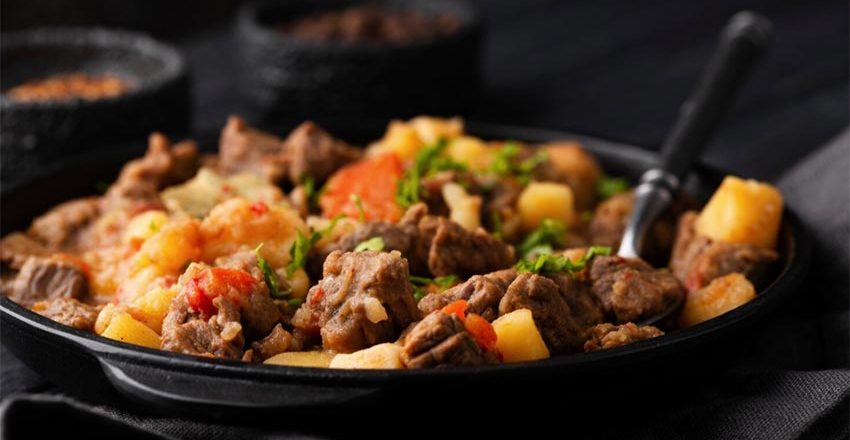
16
Sep
The Ultimate South African Beef Stew Guide
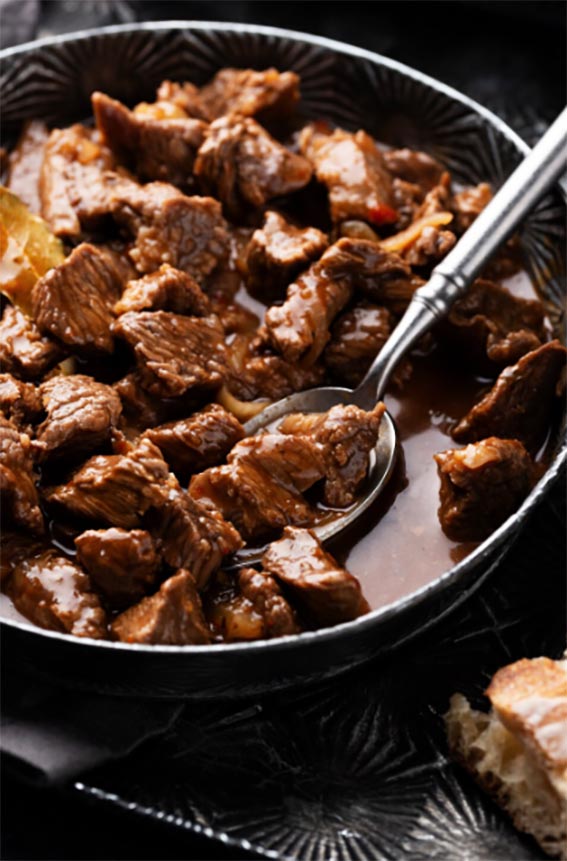
Quick Summary: A truly exceptional South African beef stew recipe is built on slow braising, deep Maillard caramelization, and collagen-rich beef cuts. By searing well-marbled chuck steak, deglazing the pan with dark stock or red wine, and gently simmering root vegetables, you unlock a rich, velvety gravy and fall-apart tender meat.
- The Ultimate South African Beef Stew Guide
- Introduction: The Art & Philosophy of Great Beef Stew
- The Food Science of Braising & Meat Selection
- Essential Pantry Ingredients & Flavor Enhancers
- Equipment Setup: The Importance of Heavy Cast Iron
- Step-by-Step Cooking Guide (Master Method)
- Complete Recipe Card & Measurement Guide
- Variations: Traditional Potjiekos & Modern Twist Extensions
- Troubleshooting Common Stew Mistakes
- Storage, Freezing & Reheating Best Practices
- Frequently Asked Questions (FAQs)
Introduction: The Art & Philosophy of Great Beef Stew
There is no dish quite as universally revered or comforting as a slow-simmered beef stew. Across continents and cultures, the principle remains constant: turning tough, economical cuts of meat into meltingly tender morsels suspended in a glossy, deeply savory sauce. In South Africa, stewing is not merely a cooking method; it is a cultural cornerstone woven into family weekend gatherings, Sunday dinners, and open-fire potjiekos gatherings.
A great beef stew is never rushed. It requires an understanding of how heat converts tough connective tissue into soft gelatins, how aromatics lay down a foundation of umami, and how starch balance ensures a silky gravy without turning gummy. This guide breaks down every variable behind crafting the ultimate stew—from animal anatomy and starch selection to gravy science and temperature control.
The Food Science of Braising & Meat Selection
To understand how to make tender beef stew, one must first understand muscle structure and the mechanics of wet-heat cooking (braising). Lean cuts like beef eye round, sirloin, or tenderloin make terrible stews. Because they lack internal fat and connective tissue, long exposure to heat squeezes out their moisture, leaving them dry, chewy, and stringy.
       ┌─────────────────────────────────────────────────────────┐
       │ COLLAGEN (Tough Protein) + Low Gentle Heat + Moisture   │
       ├─────────────────────────────────────────────────────────┤
       │                          │                              │
       │                          ▼                              │
       │ GELATIN (Silky, Rich Liquid) + Fall-Apart Meat Fibers   │
       └─────────────────────────────────────────────────────────┘
1. Collagen-to-Gelatin Conversion
Muscle meat contains connective tissue composed primarily of collagen. Collagen is a tough, triple-helix protein structure that insulates muscle fibers. When heated rapidly, collagen contracts and tightens, driving out water. However, when held at temperatures between 71°C and 82°C (160°F to 180°F) over several hours in a moist environment, collagen melts down and converts into gelatin. Gelatin coats the muscle fibers, giving the meat a succulent, melt-in-your-mouth mouthfeel while naturally bodying the stew gravy.
2. Best Beef Cuts Ranked for Stewing
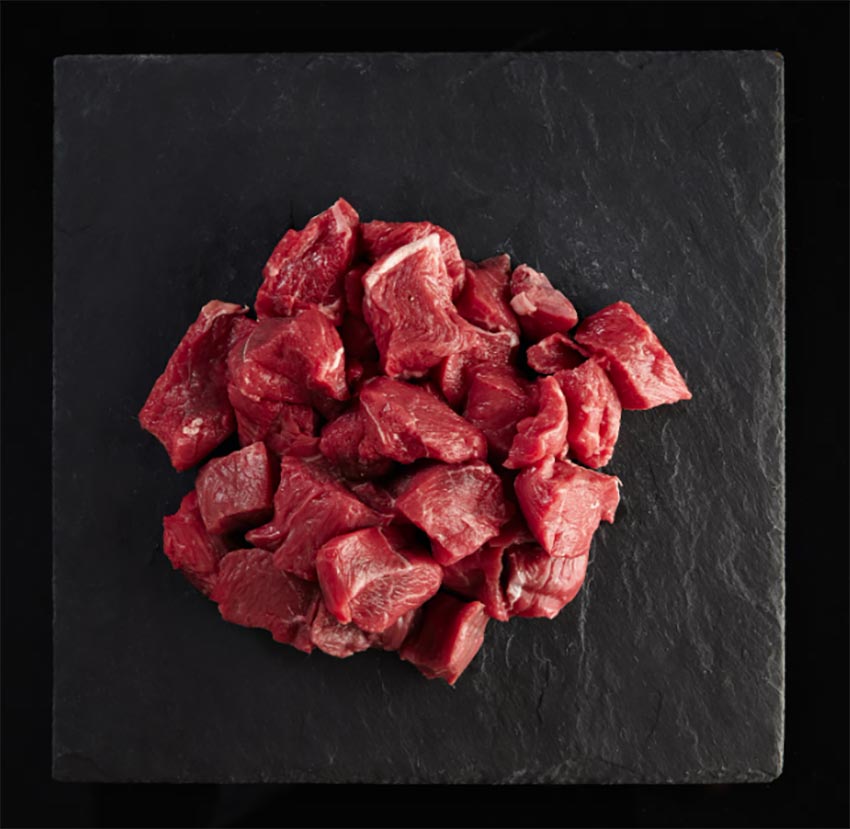
- Beef Chuck Steak (The Gold Standard): Cut from the shoulder. It features an ideal balance of intramuscular fat (marbling) and collagen. It breaks down into juicy, flavor-packed cubes during a 2 to 2.5-hour simmer.
- Beef Shin / Shank: Cut from the leg. Exceptionally rich in collagen and marrow (if bone-in). Yields an intensely gelatinous, glossy gravy.
- Ox Cheek (Beef Cheeks): Highly exercised muscle packed with connective tissue. Cheeks yield some of the most luxurious, tender beef morsels achievable in home cooking.
- Short Ribs (Trimmed): Richly marbled and full of beefy flavor. Excellent when combined with boneless chuck.
   BEST BEEF CUTS FOR STEWING:
   ├── Chuck Steak ───► Ideal Fat-to-Collagen Ratio (Most Versatile)
   ├── Beef Shin ──────► Maximum Gelatin Production (Deep Gravy)
   └── Beef Cheeks ────► Ultra-Tender & Luxurious Texture
Essential Pantry Ingredients & Flavor Enhancers
A single element rarely yields deep stew flavor. Instead, true depth is achieved by layering complementary aromatics, acids, starches, and umami boosters.
The Aromatics Base (Mirepoix)
- Yellow Onions: Sliced thickly or diced. Onions provide natural sugars that caramelize during the initial sear, forming the backbone of your gravy color.
- Carrots: Cut into large 2.5 cm (1-inch) chunks. Provides natural sweetness to balance savory notes and acid.
- Celery: Adds a fresh, herbal aromatic profile.
Umami Boosters
To elevate a standard beef broth into a complex, dark gravy, incorporate umami-rich natural glutamates:
- Tomato Paste: Cooked down in oil (pincé technique) to brown its sugars and eliminate raw acidity.
- Worcestershire Sauce: Delivers vinegar, tamarind, anchovies, and garlic notes that amplify beefiness.
- Soy Sauce or Marmite: A single tablespoon adds depth without making the stew taste explicitly like soy or yeast.
- Fresh Herbs: Bay leaves, fresh thyme sprigs, and rosemary bound together into a bouquet garni.
Equipment Setup: The Importance of Heavy Cast Iron
Cooking a traditional beef and vegetable stew requires stable, consistent heat retention. Thin aluminum or cheap stainless-steel pots develop hot spots, causing starch and meat juices to scorch at the bottom of the pot.
Why Heavy Enameled Cast Iron Wins
- Thermal Mass: Heavy cast-iron Dutch ovens absorb and radiate heat evenly from all sides, maintaining a steady, low simmer whether on the stovetop or inside the oven.
- Tight-Fitting Lids: Traps evaporated steam inside the pot. The condensation collects on the underside of the lid and drips continuously back over the meat (self-basting).
- Broad Surface Area: A wide, heavy base allows you to sear meat in single, uncrowded batches, maximizing browning without steaming.
Step-by-Step Cooking Guide (Master Method)
1.Trim & Prep the Beef:Cube meat into large 4 cm (1.5-inch) blocks.
Pat the beef chuck dry with paper towels. Trim away hard, excess exterior fat, but leave internal marbling intact. Cut the beef into uniform 4 cm cubes so they cook at an even rate. Season generously with kosher salt and black pepper.
2.Sear Meat in Batches:Perform the Maillard reaction in uncrowded batches.
Heat vegetable oil or beef tallow in a heavy Dutch oven over high heat until smoking hot. Add beef cubes in small batches, leaving space between each piece. Sear undisturbed for 3–4 minutes per side until a deep mahogany crust forms. Transfer browned beef to a side plate.
3.Caramelize Aromatics & Tomato Paste:Build the aromatic gravy base.
Reduce heat to medium. Add diced onions, carrots, and celery to the residual beef fat. Cook for 6–8 minutes until softened and light golden. Stir in garlic and tomato paste, cooking for 2 minutes until the paste turns a dark brick-red color.
4.Deglaze the Pan:Scrape up the flavorful fond.
Pour in red wine (or beef stock) to deglaze the bottom of the pot. Use a wooden spoon to scrape up every bit of browned, caramelized meat residue (fond) stuck to the bottom. Bring to a rapid boil for 3 minutes to burn off raw alcohol notes.
5.Simmer Low & Slow:Low and slow simmer process.
Return the seared beef and rested juices back into the pot. Pour in rich beef stock until the meat is three-quarters submerged. Add bay leaves and fresh thyme sprigs. Cover with a tight lid, reduce heat to ultra-low (or place in a 150°C / 300°F oven), and simmer gently for 1.5 to 2 hours.
6.Add Root Vegetables & Finish:Avoid mushy, overcooked root vegetables.
Stir in waxy potatoes and thick carrot rounds during the final 35–45 minutes of cooking. Continue simmering uncovered or loosely covered until the potatoes are tender and the beef yields effortlessly to a fork. Adjust seasoning with salt, pepper, and a splash of Worcestershire sauce.
Complete Recipe Card & Measurement Guide
| Prep Time | Active Cook Time | Slow Simmer Time | Total Time | Servings | Primary Equipment |
| 25 Mins | 35 Mins | 2 Hours 15 Mins | 3 Hours | 6–8 Servings | Heavy Dutch Oven / Potjie |
Ingredients List
- 1.5 kg (3.3 lbs) Beef Chuck Steak or Shin, cut into 4 cm cubes
- 3 tbsp Vegetable Oil or Beef Tallow
- 2 Large Yellow Onions, chopped
- 3 Medium Carrots, cut into thick rounds
- 2 Stalks Celery, diced
- 4 Cloves Fresh Garlic, minced
- 2 tbsp Tomato Paste
- 3 tbsp All-Purpose Flour (for slurry or light coating)
- 1 Cup (250 ml) Dry Red Wine (Cabernet Sauvignon or Pinotage)
- 4 Cups (1 Liter) Low-Sodium Beef Bone Broth
- 1 tbsp Worcestershire Sauce
- 1 tbsp Soy Sauce
- 600g Baby Potatoes or Waxy Yellow Potatoes, halved
- 3 Sprigs Fresh Thyme
- 2 Whole Dried Bay Leaves
- To Taste Salt & Cracked Black Pepper
Estimated Nutritional Summary (Per Serving)
- Calories: 540 kcal
- Protein: 46g
- Carbohydrates: 28g
- Fat: 24g
- Dietary Fiber: 4g
Variations: Traditional Potjiekos & Modern Twist Extensions
When adapting this recipe for an outdoor cast-iron potjie over wood coals:
The Traditional South African Beef Potjiekos
- Layering (No Stirring): Unlike kitchen stews, a true potjie is never stirred once assembled. Meat is seared at the base, followed by hard vegetables (potatoes, carrots), soft vegetables (mushrooms, green beans) on top, and liquid poured down the inside edge.
- Coal Control: Maintain small, steady coals beneath the pot to keep a faint, bubbling simmer throughout the afternoon.
       [ TOP LAYER: Soft Vegetables (Mushrooms, Peas, Beans) ]
       [ MIDDLE LAYER: Hard Root Vegetables (Potatoes, Carrots) ]
       [ BOTTOM LAYER: Seared Beef Chuck & Gravy Base ]
Stout & Molasses Stew
Swap out red wine for a dark stout beer (like Guinness or Castle Milk Stout). The dark, roasted malt notes pair exceptionally well with rich beef shin and brown sugar.
Troubleshooting Common Stew Mistakes
| Problem | Root Cause | Immediate Fix |
| Meat is Tough & Chewy | Undercooked; collagen hasn’t melted yet | Add 30–45 minutes of slow simmering. Time heals tough beef! |
| Meat is Dry & Stringy | Boiled too rapidly or wrong cut used | Reduce heat to a faint bubble; ensure cut has marbling. |
| Gravy is Thin & Watery | Too much liquid or lack of reduction | Simmer uncovered for 15 mins or whisk in a cornstarch slurry. |
| Stew Taste Flat or Dull | Lack of acid or salt balance | Add 1 tsp red wine vinegar, Worcestershire, or a pinch of salt. |
| Vegetables Turned to Mush | Added too early in the cook cycle | Always add root vegetables in the final 35–45 minutes. |
Storage, Freezing & Reheating Best Practices
Beef stew belongs to that elite class of dishes that tastes significantly better on Day 2 and Day 3. As the stew cools down overnight in the refrigerator, flavor compounds redistribute throughout the meat, while starch from the potatoes and gelatin from the beef lock together into a cohesive, rich sauce.
- Refrigeration: Allow stew to cool to room temperature within 2 hours. Store in airtight containers for up to 4 days.
- Freezing: Freeze in sealed glass or heavy-duty plastic containers for up to 3 months. Thaw overnight in the fridge before reheating.
- Reheating Method: Reheat gently in a saucepan over medium-low heat on the stovetop. Add 2–3 tablespoons of stock or water if the gravy thickened too much in the fridge.
Frequently Asked Questions (FAQs)
Why is my beef stew meat tough after 1 hour of cooking?
Beef chuck and shin cuts contain high amounts of tough collagen. At 1 hour, the muscle fibers have contracted, but the collagen has not yet had sufficient time to melt into gelatin. Extend your simmer time to 2–2.5 hours, and the meat will soften dramatically.
Can I cook this beef stew recipe in a Slow Cooker or Crockpot?
Yes. Sear the beef and aromatics in a skillet first, then transfer everything to your slow cooker. Cook on LOW for 7–8 hours or HIGH for 4–5 hours. Reduce beef stock liquid by 1 cup, as slow cookers trap all moisture without evaporation.
What is the best way to thicken stew gravy naturally?
The best way is through natural reduction and potato starches. Alternatively, mix 1 tablespoon of cornstarch with 2 tablespoons of cold water (a slurry) and whisk it into the simmering stew during the final 10 minutes of cooking.
Can I make beef stew without alcohol or red wine?
Absolutely. Replace red wine with an equal measure of dark beef bone broth mixed with 1 tablespoon of pomegranate juice or 1 teaspoon of balsamic vinegar to provide that necessary touch of acidity.

Leave A Comment