
03
Sep
7 Power Secrets for Growing Joyful, Bountiful Tomatoes: Timing, Soil, Temperature, and Varieties
- 7 Power Secrets for Growing Joyful, Bountiful Tomatoes: Timing, Soil, Temperature, and Varieties
- 1. The Right Time: Planting and Growing Timelines
- 2. The Right Soil: Creating the Ideal Root Environment
- 3. Temperature Controls and Thermal Conditions
- 4. Types and Varieties of Tomatoes Explained
- 1. Top Flavor-Enhancing & Pest-Repelling Companions
- 2. Companion Plant Quick-Reference Matrix
- 3. Plants to NEVER Grow Near Tomatoes
Growing your own fresh tomatoes is widely considered the crown jewel of home gardening. Nothing compares to the sun-warmed, aromatic experience of picking ripe tomatoes directly off the vine for fresh salads, rich sauces, or summer sandwiches. However, while tomatoes are vigorous growers, harvesting a heavy, healthy yield requires intentional care, precise timing, rich soil, controlled temperature management, and picking the right types of tomatoes for your growing space.
Whether you are working with a large backyard plot, raised garden beds, or sunny patio containers, mastering the fundamental principles of growing tomatoes ensures a vibrant, delicious harvest all season long.
1. The Right Time: Planting and Growing Timelines
Timing is everything when cultivating tomatoes. Because tomatoes are warm-season crops highly sensitive to frost, setting plants out too early in cold soil stunts root development, while planting too late shortens the fruit-bearing window before autumn arrives.
Spring Planting Window
Start seeds indoors 6 to 8 weeks before your average last spring frost date. Transplants should go into outdoor garden beds only after all danger of frost has passed.
- Soil Temperature Benchmark: The soil temperature at a depth of 4 inches should consistently reach 60°F to 65°F (15°C to 18°C) before setting out young tomatoes.
- Hardening Off: Move indoor seedlings outdoors to a sheltered spot for 7 to 10 days prior to planting. Gradually exposing tender tomatoes to wind and direct sunlight prevents transplant shock.
Days to Maturity
Different cultivars of tomatoes require varying timeframes to yield fruit. Early-season varieties mature in 50 to 65 days, mid-season types take 70 to 80 days, and large late-season beefsteak tomatoes require 80 to 100+ days of warm sun.
2. The Right Soil: Creating the Ideal Root Environment
The foundation of high-yielding tomatoes lies beneath the surface. Heavy clay soils retain excess moisture and lead to root rot, while overly sandy soils let nutrients leach away before plants can absorb them.
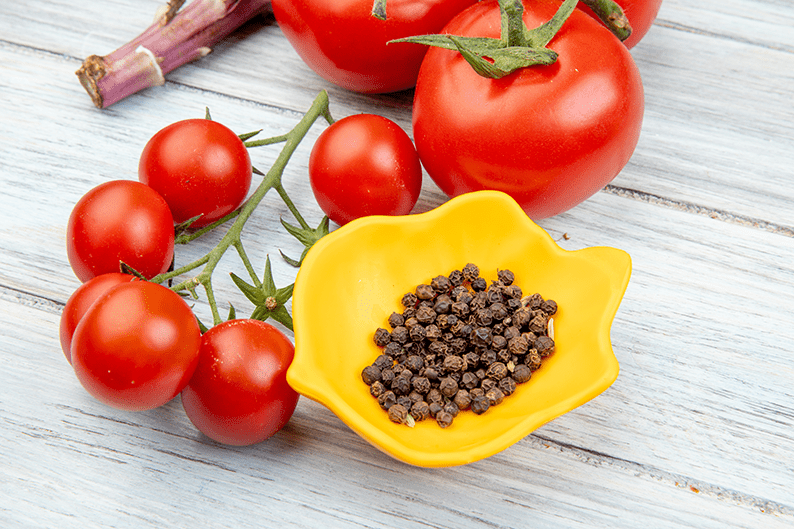
Perfect Soil Conditions for Growing Tomatoes
To build an optimal growing bed for tomatoes, aim for soil parameters that meet these core requirements:
- Soil Structure: Loamy, well-draining soil rich in decomposed organic material. Loose soil lets tender feeder roots expand effortlessly.
- Soil pH Range: Slightly acidic to near neutral, ideally between 6.0 and 6.8. This pH window maximizes nutrient availability, particularly calcium, which is vital for preventing blossom-end rot in developing tomatoes.
- Nutrient Balance: Incorporate compost or aged manure into planting holes. Avoid excessive nitrogen fertilizers early in the season, as high nitrogen causes lush leafy growth at the expense of setting flowers and setting tomatoes.
| Soil Parameter | Ideal Range | Function for Tomatoes |
| pH Level | 6.0 – 6.8 | Optimizes uptake of essential micro and macronutrients |
| Texture | Rich Sandy Loam | Ensures free drainage while retaining essential moisture |
| Organic Matter | 20–30% Compost | Provides slow-release nutrition and supports soil microbes |
| Calcium Availability | High | Prevents blossom-end rot on expanding fruit bottoms |
3. Temperature Controls and Thermal Conditions
Temperature directly influences pollination, flower retention, and fruit development in tomatoes. Understanding how heat fluctuations impact growth prevents unpollinated blossoms from dropping off the vine.
Thermal Thresholds for Growing Tomatoes
- Root Growth Phase (60°F – 65°F Soil): Warm soil encourages strong root establishing and rapid nutrient absorption.
- Optimal Flowering & Fruiting (70°F – 85°F Daytime Air): Mild, warm daytime temperatures combined with nighttime temperatures between 60°F and 70°F create ideal conditions for self-pollination and fruit set in tomatoes.
- Heat Stress & Pollen Invalidation (Above 90°F Day / 75°F Night): High temperatures cause pollen to become sticky and sterile, leading to blossom drop where flowers fall off without producing tomatoes.
                  [ TEMPERATURE THRESHOLDS FOR TOMATOES ]
                                     │
   ┌─────────────────────────────────┼─────────────────────────────────┐
   ▼                                 ▼                                 ▼
[ 50°F - 59°F ]                   [ 70°F - 85°F ]                  [ ABOVE 90°F ]
Stunted Growth                    Optimal Pollination              Blossom Drop
Cool air slows metabolism;        Flowers self-pollinate easily;   High heat sterilizes pollen;
roots struggle to absorb calcium. ideal for maximum fruit set.      fruit production pauses.
4. Types and Varieties of Tomatoes Explained
Selecting the right types of tomatoes depends on your available garden space, trellis support structure, and intended culinary uses.
Growth Habits: Determinate vs. Indeterminate
1. Determinate (Bush Varieties)
- Characteristics: Grow to a fixed height (typically 3 to 4 feet), set fruit all at once over a 3- to 4-week period, and then stop growing.
- Best Uses: Container gardening, small spaces, and canning or making large batches of tomato sauce.
2. Indeterminate (Vining Varieties)
- Characteristics: Continue growing, flowering, and producing tomatoes along extending vines until killed by frost. Require sturdy stakes, cages, or trellises.
- Best Uses: Continuous fresh harvesting throughout the entire summer and autumn season.
Culinary Classification of Tomatoes
- Cherry and Grape Tomatoes: Small, bite-sized tomatoes produced in heavy clusters. Extremely sweet and heat-tolerant.
- Roma and Plum Tomatoes: Dense, meaty flesh with low moisture and few seeds. The premier choice for cooking pastes, purees, and sauces.
- Slicing and Beefsteak Tomatoes: Large, juicy tomatoes with multi-locular seed cavities. Perfect for slicing fresh onto burgers and sandwiches.
1.Step 1: Transplant Seedlings Deeply:Plant deeply to build strong roots.
Bury two-thirds of the seedling stem beneath the soil line, removing lower leaves. Tomatoes produce adventitious roots along buried stems, creating a deeper, sturdier root network.
2.Step 2: Install Sturdy Supports Early:Prevent vine collapse under fruit weight.
Place heavy-duty cages or stakes into the ground immediately at planting time. Supporting tomatoes early avoids disturbing developing roots later in the season.
3.Step 3: Water Consistently and Mulch Soil:Consistent moisture prevents splitting.
Deliver 1 to 1.5 inches of water weekly directly to root zones using drip lines. Apply a 3-inch layer of straw or wood chip mulch to retain soil moisture and prevent fungal spores from splashing onto lower leaves.
4.Step 4: Harvest and Enjoy:Pick at the breaker stage for best quality.
Pick tomatoes when they show full color or reach the “breaker stage” (halfway colored) to finish ripening indoors at room temperature away from direct sunlight.
1. Top Flavor-Enhancing & Pest-Repelling Companions
Basil: The Ultimate Tomato Partner
Basil is widely considered the single best companion for tomatoes both in the garden and in the kitchen.
- Pest Defense: The pungent essential oils in basil mask the scent of tomato foliage, disorienting and repelling thrips, hornworms, aphids, and whiteflies.
- Flavor & Growth: Many growers report that growing basil directly adjacent to tomato vines improves fruit flavor and boosts overall plant vigor.
- Pollinator Magnet: If allowed to flower near the end of the season, basil attracts bees that improve pollination across the garden.
French Marigolds (Tagetes patula): The Chemical Shield
Marigolds are the workhorses of organic pest deterrents.
- Underground Protection: Marigold roots secrete a chemical compound called alpha-terthienyl, which actively suppresses parasitic root-knot nematodes in the soil.
- Surface Defense: Their bright blossoms and strong aroma deter tomato hornworms, whiteflies, and beetles, while attracting beneficial predators like hoverflies and ladybugs.
Nasturtiums: The Sacrificial Trap Crop
Nasturtiums produce vibrant, edible blooms and lush shield-shaped leaves that act as a dual defensive layer.
- Trap Cropping: Aphids and whiteflies prefer nasturtiums over tomatoes. By planting them nearby, pests land on the nasturtiums, keeping your tomato vines pest-free.
- Ground Protection: Their spreading habit creates a living mulch that keeps soil cool and retains root moisture.
Garlic, Chives, & Onions (Allium Family)
Members of the Allium family release strong sulfur compounds that serve as natural insect repellents.
- Pest Defense: Deter red spider mites, aphids, and ants.
- Disease Prevention: Garlic sprays and close plantings help reduce fungal infections like late blight and black spot.
2. Companion Plant Quick-Reference Matrix
| Companion Plant | Main Benefit | Target Pests Repelled | Best Placement |
| Basil | Enhances flavor, repels sap-suckers | Hornworms, Thrips, Whiteflies | Interplanted 12–18 inches from stems |
| French Marigold | Root nematode & leaf pest control | Root-knot Nematodes, Whiteflies | Border around outer edge of tomato bed |
| Nasturtium | Trap crop for soft-bodied insects | Aphids, Flea Beetles, Squash Bugs | Base of trellis or bed corners |
| Garlic / Chives | Anti-fungal, sulfur aroma mask | Spider Mites, Aphids, Japanese Beetles | Interplanted along row edges |
| Parsley / Dill | Attracts predatory wasps | Hornworms (via parasitic wasps) | Nearby in container or bed border |
3. Plants to NEVER Grow Near Tomatoes
Just as some plants support tomatoes, others actively harm them through nutrient competition, shared diseases, or growth-inhibiting chemicals:
                     [ POOR TOMATO COMPANIONS ]
                                 │
   ┌─────────────────────────────┼─────────────────────────────┐
   ▼                             ▼                             ▼
[ CABBAGE / BRASSICAS ]       [ POTATOES / EGGPLANTS ]      [ FENNEL ]
Stunts tomato growth;         Shares early & late blight;   Exudes root toxins that
competes for heavy nitrogen.  attracts shared beetles.      stunt most vegetables.
- Brassicas (Cabbage, Broccoli, Kale): Tomatoes and brassicas actively stunt each other’s development due to nutrient competition.
- Potatoes & Eggplants: Belong to the same Solanaceae (nightshade) family. Planting them together accelerates the spread of late blight and attracts large populations of Colorado potato beetles.
- Fennel: Exudes a chemical from its roots that inhibits the growth of almost all garden vegetables, particularly tomatoes.
1.Step 1: Ring Bed Borders with Marigolds:Block soil pests before planting.
Plant French marigolds around the outer boundary of your tomato bed 2 to 3 weeks before setting out transplants to establish root protection against nematodes.
2.Step 2: Interplant Basil and Alliums:Maximize aroma protection.
Set one basil plant between every two tomato vines. Plant chives or garlic along the sunny edges of the row to create an aromatic pest barrier.
3.Step 3: Position Trap Crops at Corners:Draw sap-suckers away from fruit.
Plant nasturtiums at the corners of raised beds or along outer garden edges so aphids gravitate toward the trap crop rather than your tomato stems.

Leave A Comment