
04
Sep
- 7 Proven Secrets to Eliminating Garden Pests Naturally: Protecting Your Crops Without Chemicals
- 1. Organic Sprays and Botanical Treatments
- 2. Mechanical Barriers and Physical Deterrents
- 3. Biological Control: Enlisting Beneficial Insects
- 4. Companion Planting and Trap Cropping
- 1. Multi-Purpose Garlic-Chili Insect Repellent Spray
- 2. Classic Household Insecticidal Soap Spray
- 3. Vegetable Oil Emulsion Spray (Smothering Spray)
- 4. Baking Soda & Oil Anti-Fungal Spray
- Safety and Best Practices for DIY Sprays
7 Proven Secrets to Eliminating Garden Pests Naturally: Protecting Your Crops Without Chemicals
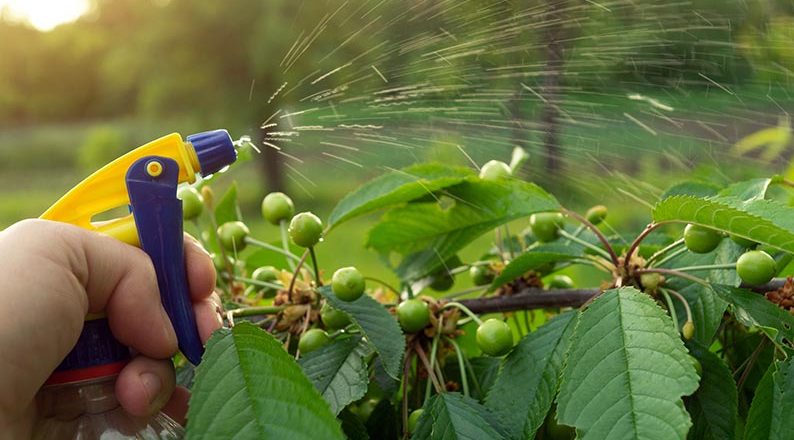
Few things are more frustrating than spending weeks cultivating tomatoes, leafy greens, or root vegetables, only to discover your garden crops stripped by chewing larvae or sap-sucking insects. While chemical pesticides offer a quick fix, they often destroy beneficial pollinators like bees, harm living soil microbiology, and leave toxic residues on food.
Natural pest control focuses on targeted, eco-friendly strategies that suppress pest populations while keeping your garden ecosystem balanced and healthy.
1. Organic Sprays and Botanical Treatments
Botanical and oil-based sprays disrupt insect feeding mechanisms and respiratory systems without leaving harmful environmental persistent toxins behind.
Cold-Pressed Neem Oil
Extracted from seeds of the neem tree (Azadirachta indica), neem oil contains azadirachtin, a compound that disrupts hormone regulation in chewing insects.
- Target Pests: Aphids, whiteflies, spider mites, and caterpillars.
- How to Apply: Mix 1 to 2 teaspoons of raw cold-pressed neem oil with 1/2 teaspoon of liquid Castile soap in 1 quart of warm water. Spray early in the morning or late evening to prevent leaf burn from direct sunlight.
DIY Garlic-Pepper Spray
Garlic and hot peppers release strong sulfur compounds and capsaicin that mask host plant scents and irritate soft-bodied pests.
- Target Pests: Beetles, leafhoppers, and mammals like rabbits or deer.
- Recipe: Blend 2 heads of garlic and 3 hot peppers with 1 quart of water. Strain through cheesecloth, add 1/2 teaspoon of mild dish soap, and dilute in 1 gallon of water before spraying foliage.
2. Mechanical Barriers and Physical Deterrents
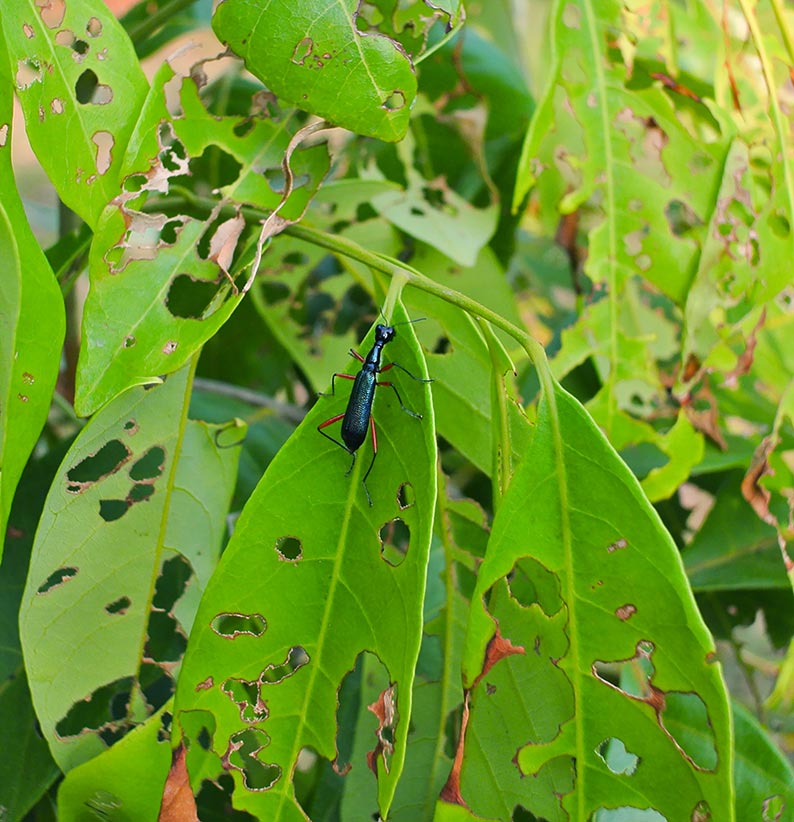
Physical barriers create impassable boundaries between egg-laying insects and your vulnerable crops.
Food-Grade Diatomaceous Earth (DE)
Diatomaceous earth consists of fossilized, microscopic silica skeletons of ancient diatoms.
- Mechanism: Though smooth to human touch, DE acts like microscopic razor blades against soft-bodied garden insects, absorbing protective oils from their exoskeletons and causing rapid dehydration.
- Application: Dust lightly over dry foliage and surrounding soil. Reapply after rain, as moisture renders DE temporarily ineffective.
Floating Row Covers
Lightweight polypropylene fabrics allow light and water to reach plants while physically blocking pests like cabbage moths, leaf miners, and flea beetles from laying eggs on foliage.
3. Biological Control: Enlisting Beneficial Insects
Rather than spraying, recruitment of beneficial insects creates a self-sustaining defense force right in your garden beds.
| Beneficial Insect | Target Garden Pest | Ideal Attraction Plants |
| Ladybugs | Aphids, Scale, Mites | Dill, Fennel, Sweet Alyssum |
| Green Lacewings | Soft-Bodied Insects, Thrips | Coriander, Cosmos, Yarrow |
| Parasitic Wasps | Hornworms, Caterpillars | Marigolds, Buckwheat, Statice |
| Hoverflies | Aphids, Small Larvae | Zinnia, Parsley, Chamomile |
4. Companion Planting and Trap Cropping
Strategic plant pairings utilize strong scents to mask crops or act as sacrificial barriers to draw pests away from main harvests.
                  [ COMPANION DEFENSE STRATEGY ]
                                 │
   ┌─────────────────────────────┼─────────────────────────────┐
   ▼                             ▼                             ▼
[ AROMATIC MASKS ]            [ TRAP CROPS ]               [ REPELLENT FLOWERS ]
Garlic & Chives               Radishes & Nasturtiums       French Marigolds
Emits sulfur compounds that   Draws leaf miners & aphids   Root secretions suppress
confuse flying pest insects.  away from main crops.        harmful soil nematodes.
- Trap Cropping: Plant sacrificial crops like nasturtiums near tomatoes or brassicas. Aphids and caterpillars concentrate on the trap crop, which can then be trimmed or treated directly.
- Aromatic Interplanting: Interplant onions, garlic, or basil with leafy greens to create scent barriers that disorient flying pests.
1.Step 1: Inspect Foliage Undersides Weekly:Catch early infestations before they expand.
Check leaf undersides twice weekly for egg clusters or early feeding damage. Hand-pick larger pests like tomato hornworms or beetles directly into soapy water.
2.Step 2: Deploy Physical Barriers Early:Block egg-laying adults at planting.
Install floating row covers over young cabbage, kale, and root crops immediately after planting to prevent adult moths and flies from depositing eggs.
3.Step 3: Treat Affected Areas with Botanical Sprays:Apply targeted organic sprays safely.
Apply neem oil or insecticidal soap sprays directly to active pest colonies during cool evening hours to avoid harming pollinators or scorching leaf tissue.
Homemade organic pest control sprays made with everyday kitchen staples are effective, budget-friendly, and free from synthetic chemicals. Because natural sprays rely on contact action, physical disruption, or natural repellents, applying them correctly is key to keeping your garden healthy.
Here are four targeted, DIY recipes using common household ingredients.
1. Multi-Purpose Garlic-Chili Insect Repellent Spray
Best for beetles, caterpillars, leafhoppers, and chewing insects. Garlic releases natural sulfur compounds that mask host plant scents, while the capsaicin in chili peppers repels and deters pests from feeding.
                    [ DIY GARLIC-CHILI SPRAY PROCESS ]
                                     │
   ┌─────────────────────────────────┼─────────────────────────────────┐
   ▼                                 ▼                                 ▼
[ BLEND INGREDIENTS ]             [ STEEP & STRAIN ]             [ DILUTE & APPLY ]
Puree garlic, hot peppers,        Let sit overnight (12-24 hrs)  Mix 1 cup concentrate into
and water in a blender.           through cheesecloth or fine    1 quart water with soap;
                                  mesh to avoid clogging nozzles. spray leaf surfaces.
Ingredients
- 2 whole heads of fresh garlic (peeled)
- 3 to 4 fresh hot chili peppers (or 1 tablespoon dried cayenne pepper)
- 1 quart + 1 gallon of water
- 1 teaspoon liquid Castile soap (or mild dish soap)
Step-by-Step Recipe
- Blend: Place the garlic heads, hot peppers, and 1 quart of warm water into a blender. Blend on high until completely smooth.
- Steep: Pour the mixture into a glass jar and let it sit at room temperature for 12 to 24 hours to extract the active compounds.
- Strain: Strain the liquid through a fine mesh strainer or cheesecloth into a clean container. Filtering is critical to prevent clogging your spray nozzle.
- Mix & Apply: Add 1 cup of this strained garlic-chili concentrate to 1 quart of water in a spray bottle, then stir in 1 teaspoon of liquid soap (which helps the spray stick to leaf surfaces). Store the remaining concentrate in the refrigerator for up to 3 weeks.
2. Classic Household Insecticidal Soap Spray
Best for soft-bodied sap-sucking pests like aphids, whiteflies, spider mites, and thrips. The fatty acids in natural liquid soap break down the protective waxy coating on soft-bodied insects, causing them to dehydrate rapidly.
Important: Always use real, pure liquid Castile soap (such as Dr. Bronner’s). Avoid synthetic laundry detergents, heavy dishwashing liquids, or grease-stripping soaps, as these contain harsh detergents that can strip the protective cuticle off plant leaves.
Ingredients
- 1 tablespoon pure liquid Castile soap (unscented or peppermint-scented)
- 1 quart of warm distilled or soft water
Step-by-Step Recipe
- Combine: Pour 1 quart of warm water into a clean spray bottle.
- Add Soap: Add 1 tablespoon of liquid Castile soap. Gently swirl or tip the bottle to mix without creating excess foam.
- Apply Directly: Spray directly onto active pest clusters, making sure to thoroughly coat the undersides of leaves where soft-bodied pests hide.
3. Vegetable Oil Emulsion Spray (Smothering Spray)
Best for scale insects, spider mites, mealybugs, and aphid eggs. The oil coats the respiratory pores (spiracles) of soft-bodied insects and their eggs, suffocating them on contact.
Ingredients
- 1 cup vegetable oil (soybean, canola, or sunflower oil)
- 1 tablespoon liquid Castile soap
- 1 quart of warm water (for dilution)
Step-by-Step Recipe
- Make the Base Concentrate: In a small jar, combine 1 cup of vegetable oil and 1 tablespoon of liquid Castile soap. Shake vigorously until the mixture turns milky white and fully emulsified.
- Dilute for Use: Add 2 teaspoons of this oil base concentrate to 1 quart of warm water in a spray bottle. Shake well before each use.
- Apply: Spray directly onto affected stems and leaves where pests or egg clusters are visible.
4. Baking Soda & Oil Anti-Fungal Spray
Best for powdery mildew, leaf spot, and early fungal infections on tomatoes, squash, and roses. Baking soda creates an alkaline environment on the leaf surface that inhibits fungal spore germination.
Ingredients
- 1 tablespoon baking soda
- 1 teaspoon vegetable oil
- 1/2 teaspoon liquid Castile soap
- 1 gallon of water
Step-by-Step Recipe
- Mix: Combine the baking soda, vegetable oil, and liquid soap in 1 gallon of water. Stir thoroughly until dissolved.
- Apply Preventatively: Spray lightly over foliage every 7 to 10 days during humid, high-risk periods, or at the very first sign of white powdery spots.
Safety and Best Practices for DIY Sprays
To protect your plants from damage while treating pests:
- Perform a Patch Test First: Spray a small, isolated leaf on one plant and wait 24 to 48 hours. If the leaf shows yellowing, spotting, or burning (phytotoxicity), dilute your spray recipe with 50% more water before treating the rest of the plant.
- Never Spray in Direct Sunlight or High Heat: Apply homemade sprays in the early morning or late evening when temperatures are below 80°F (27°C). Direct sun on wet, oily, or soapy leaves will cause sunlight to scorch the foliage.
- Protect Beneficial Insects: Avoid spraying open flowers where pollinators like bees and butterflies land. Direct sprays only at affected foliage.
- Reapply After Rain: Natural sprays wash off easily with rainfall or overhead watering. Reapply after rain or every 3 to 5 days until pest populations drop.
1.Step 1: Identify Your Target Pest:Confirm your target before mixing.
Determine whether you are dealing with soft-bodied pests (use Insecticidal Soap or Oil) or chewing beetles/caterpillars (use Garlic-Chili Spray).
2.Step 2: Conduct a 24-Hour Leaf Test:Avoid foliage burn.
Apply a small amount of your batch to a single leaf. Check back in 24 hours for signs of leaf burn before spraying the entire garden bed.
3.Step 3: Spray Foliage Undersides During Cool Hours:Coat pest hiding spots thoroughly.
Apply early in the morning or near dusk, focusing heavily on leaf undersides and stem joints where insects hide from heat.

Leave A Comment