
25
Aug
Introduction
Plants are among the most essential living organisms on Earth. They provide the oxygen we breathe, the food we eat, the medicines we use, and the beautiful landscapes that enrich our daily lives. From towering forest trees and colorful flowering plants to tiny mosses and indoor houseplants, the plant kingdom is incredibly diverse. Understanding the various types of plants is one of the first and most important steps for anyone interested in gardening, landscaping, farming, or simply appreciating nature.
Plants play a vital role in maintaining ecological balance. They absorb carbon dioxide, release oxygen, regulate temperatures, prevent soil erosion, and provide habitats for countless species of animals and insects. Whether growing in tropical rainforests, deserts, wetlands, mountains, or home gardens, plants have adapted to survive in a wide range of environments. These adaptations have resulted in an astonishing variety of plant types, each with unique characteristics and functions.
For gardeners, understanding plant categories makes it easier to select the right species for specific conditions. Some plants grow quickly and complete their life cycle within a single season, while others live for decades or even centuries. Some thrive in full sunlight, while others prefer shade. Certain plants are grown primarily for food, while others are valued for their ornamental beauty, fragrance, or environmental benefits.
Modern gardening increasingly emphasizes selecting plants that suit local conditions. Choosing appropriate plant types can reduce water consumption, minimize pest problems, improve biodiversity, and create more sustainable landscapes. Knowledge of plant classification also helps gardeners plan their spaces more effectively, combining different plant types to create visually appealing and productive gardens.
The study of plants extends beyond gardening. Scientists, farmers, environmentalists, and conservationists all rely on plant classification to understand ecosystems and protect biodiversity. By learning about the major types of plants, we gain a deeper appreciation for the natural world and our relationship with it.
Whether you’re a beginner gardener, a student, or simply curious about nature, understanding plant types provides valuable knowledge that can enhance both practical gardening skills and environmental awareness. This guide explores the major categories of plants, their characteristics, uses, benefits, and roles within gardens and ecosystems.
- Introduction
- Flowering Plants
- Characteristics
- Importance
- Non-Flowering Plants
- Trees
- Shrubs
- Herbs
- Climbers
- Creepers
- Annual Plants
- Biennial Plants
- Perennial Plants
- Evergreen Plants
- Deciduous Plants
- Succulents
- Cacti
- Characteristics
- Aquatic Plants
- Vegetable Plants
- Fruit Plants
- Medicinal Plants
- Native Plants
- Ornamental Plants
- Indoor Plants
- Choosing the Right Plant Type
- Common Mistakes When Choosing Plants
- Case Study: Building a Diverse Home Garden
Understanding Plant Classification
Plant classification helps organize the enormous diversity of plants into groups that share common characteristics.
Plants are generally classified based on:
- Life cycle
- Growth habits
- Structure
- Reproduction methods
- Environmental adaptations
- Uses and functions
Understanding these categories makes it easier to identify plants and provide proper care.
The main plant groups include:
- Trees
- Shrubs
- Herbs
- Climbers
- Creepers
- Annual plants
- Biennial plants
- Perennial plants
- Flowering plants
- Non-flowering plants
Each group contributes uniquely to ecosystems and gardens.
Flowering Plants
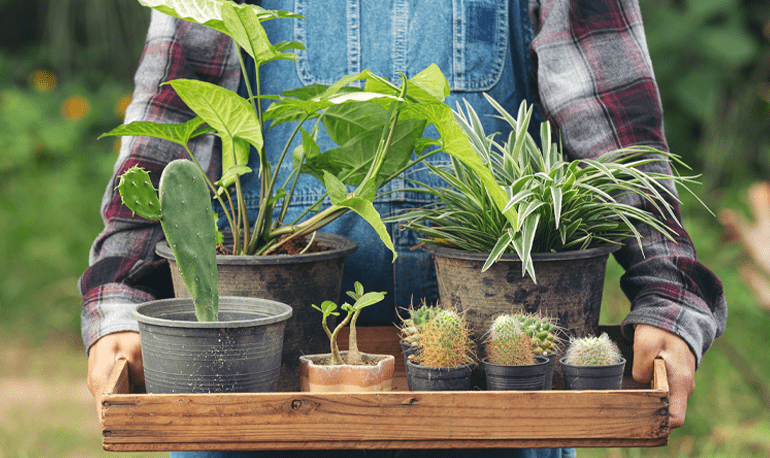
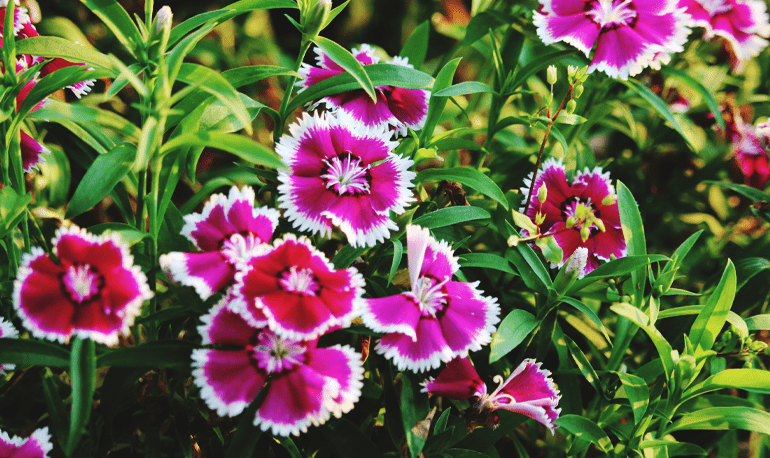
Flowering plants, scientifically known as angiosperms, are the largest and most diverse group of plants on Earth.
These plants produce flowers and seeds enclosed within fruits.
Examples include:
- Roses
- Sunflowers
- Orchids
- Tomatoes
- Apples
- Lavender
Characteristics
Flowering plants generally feature:
- Roots
- Stems
- Leaves
- Flowers
- Fruits
- Seeds
Flowers serve as reproductive structures that attract pollinators such as bees, butterflies, birds, and other beneficial creatures.
Importance
Flowering plants provide:
- Food crops
- Fruits
- Vegetables
- Medicinal resources
- Decorative beauty
Most garden plants belong to this category.
Non-Flowering Plants
Unlike flowering plants, non-flowering plants reproduce without flowers.
Examples include:
- Ferns
- Mosses
- Liverworts
- Conifers
These plants often reproduce using spores or exposed seeds.
Characteristics
Many non-flowering plants:
- Thrive in moist environments
- Reproduce through spores
- Have unique growth structures
They contribute significantly to biodiversity and ecosystem health.
Uses
Non-flowering plants are used for:
- Ground cover
- Forest restoration
- Decorative landscaping
- Soil stabilization
Their role in natural habitats remains incredibly important.
Trees
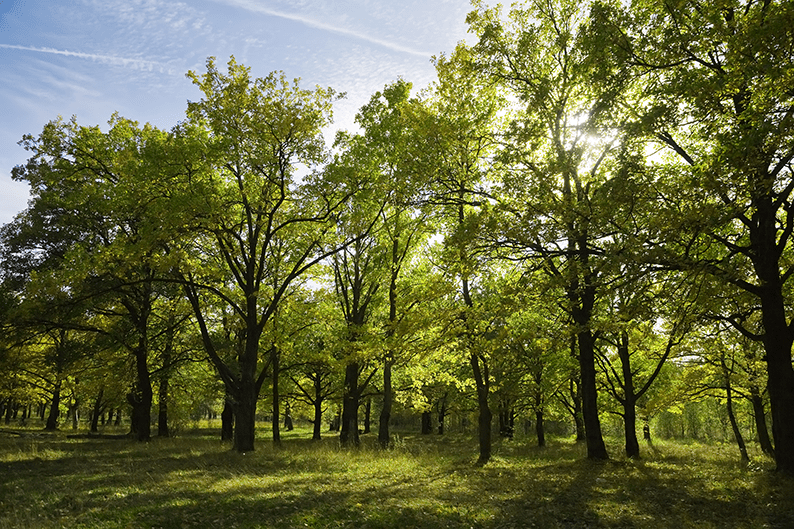
Trees are among the largest and longest-living plants on Earth.
A tree typically consists of:
- A single woody trunk
- Branches
- Leaves
- Extensive roots
Characteristics
Trees generally:
- Grow taller than most other plants
- Live for many years
- Produce shade
- Support wildlife
Examples include:
- Oak trees
- Maple trees
- Pine trees
- Mango trees
- Coconut trees
Benefits of Trees
Trees provide:
Oxygen Production
Trees absorb carbon dioxide and release oxygen.
Shade
Large canopies reduce temperatures and increase comfort.
Wildlife Habitat
Birds, insects, and mammals depend on trees for food and shelter.
Soil Protection
Roots reduce erosion and improve soil stability.
Trees are essential components of both urban and natural environments.
Shrubs
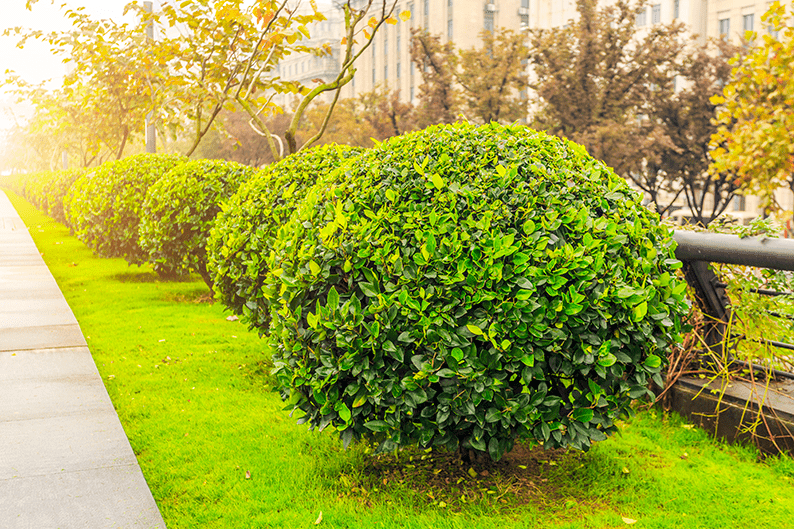
Shrubs are woody plants that are smaller than trees.
Unlike trees, shrubs often have multiple stems growing from the base.
Examples include:
- Hibiscus
- Hydrangea
- Azalea
- Boxwood
- Bougainvillea
Characteristics
Shrubs generally:
- Have several stems
- Remain shorter than trees
- Produce foliage close to the ground
Gardening Uses
Shrubs are commonly used for:
- Hedges
- Privacy screens
- Decorative borders
- Foundation plantings
They add structure and visual interest to landscapes.
Herbs
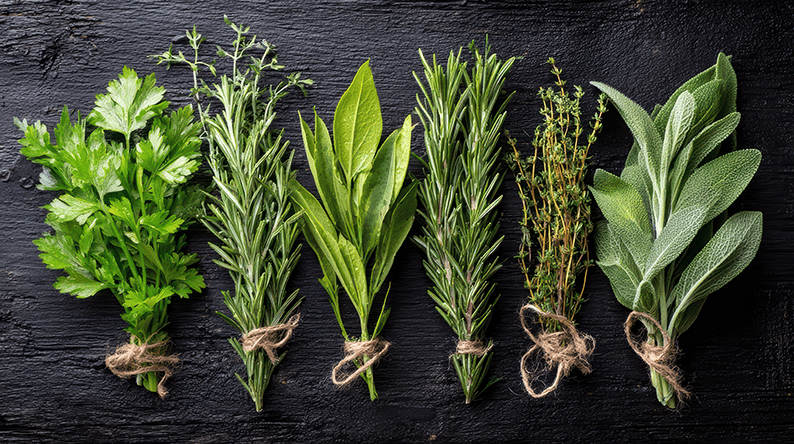
Herbs are small plants with soft, green stems rather than woody trunks.
Many herbs are valued for cooking, medicine, or fragrance.
Examples include:
- Basil
- Mint
- Parsley
- Cilantro
- Thyme
- Oregano
Characteristics
Herbs usually:
- Grow quickly
- Have aromatic leaves
- Produce culinary or medicinal benefits
Importance
Herbs contribute to:
- Cooking
- Herbal medicine
- Pollinator gardens
- Companion planting systems
They are among the most popular plants for beginners because many are easy to grow.
Climbers
Climbing plants require support to grow upward.
These plants use:
- Tendrils
- Twining stems
- Aerial roots
to attach themselves to structures.
Examples include:
- Grapevines
- Jasmine
- Clematis
- Passionflower
- Morning glory

Benefits
Climbers are excellent for:
- Vertical gardening
- Covering fences
- Decorating walls
- Creating shade structures
They maximize growing space, especially in smaller gardens.
Creepers
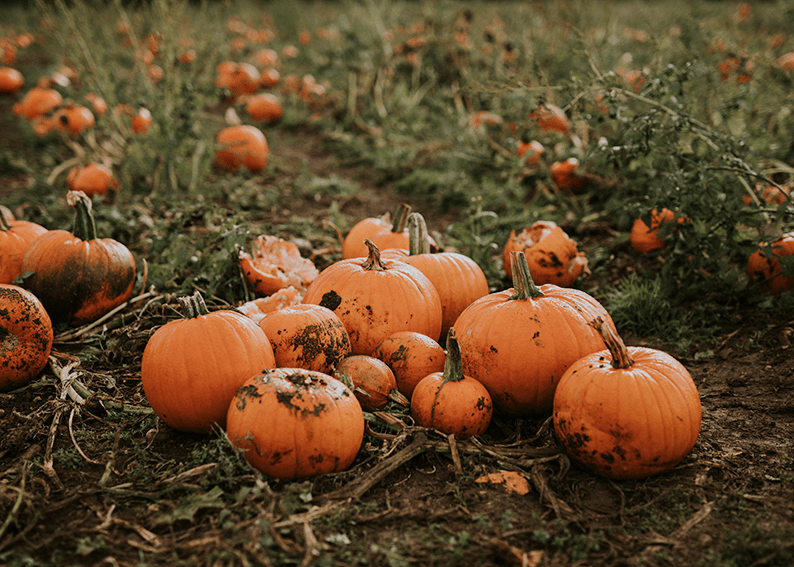
Creepers grow along the ground rather than climbing upward.
Their stems spread horizontally across the soil surface.
Examples include:
- Watermelon
- Pumpkin
- Sweet potato
- Strawberry
Advantages
Creepers help:
- Cover bare ground
- Reduce erosion
- Retain soil moisture
- Suppress weeds
Many food-producing plants belong to this category.
Annual Plants
Annual plants complete their entire life cycle within one growing season.
The process includes:
- Germination
- Growth
- Flowering
- Seed production
- Death
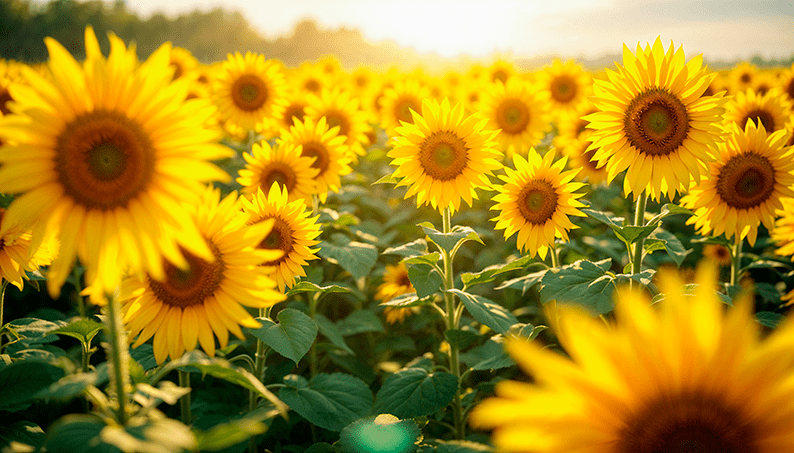
Examples include:
- Marigolds
- Petunias
- Zinnias
- Cosmos
- Sunflowers
Advantages
Annuals provide:
- Continuous blooms
- Vibrant color
- Fast growth
Many gardeners use annuals to create seasonal displays.
Biennial Plants
Biennials require two years to complete their life cycle.
First Year
Plants focus on:
- Root development
- Leaf growth
Second Year
Plants:
- Flower
- Produce seeds
- Complete their cycle
Examples include:
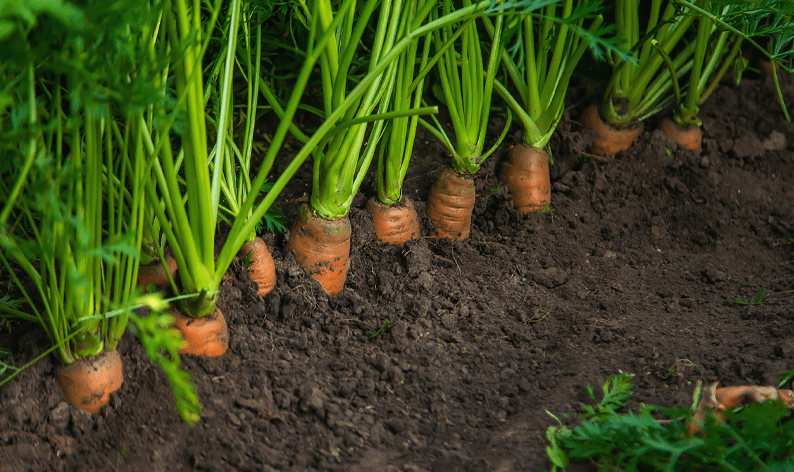
- Carrots
- Parsley
- Foxglove
- Hollyhock
Understanding biennials helps gardeners plan long-term plantings.
Perennial Plants
Perennial plants live for multiple years.
Unlike annuals, they return season after season.
Examples include:
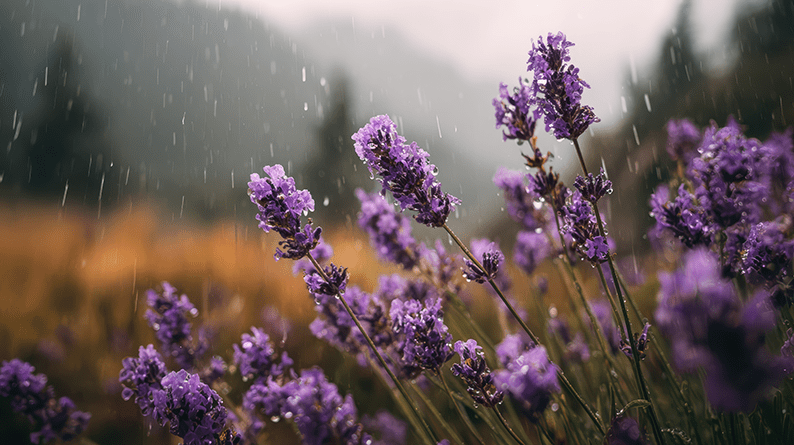
- Lavender
- Peonies
- Hostas
- Daylilies
- Coneflowers
Benefits
Perennials offer:
- Long-term value
- Less replanting
- Established root systems
- Consistent garden structure
Many gardeners build landscapes around a foundation of perennial plants.
Evergreen Plants
Evergreens retain their foliage throughout the year.
Examples include:
- Pine
- Spruce
- Juniper
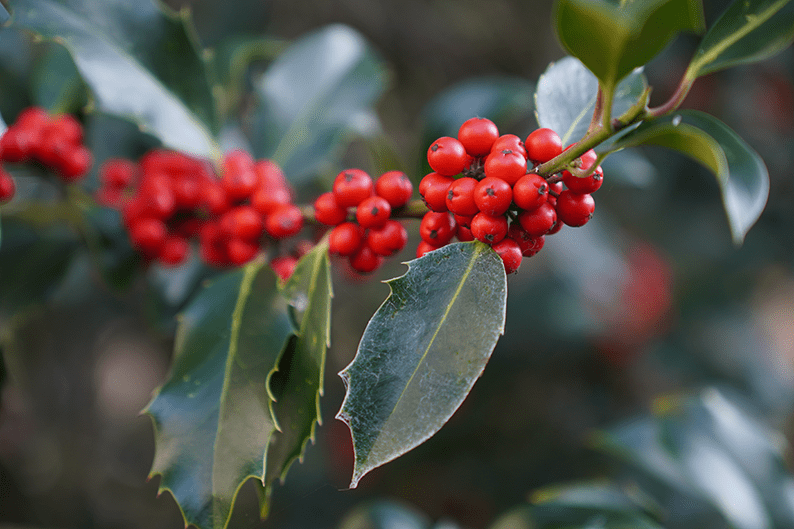
- Holly
Characteristics
Evergreens:
- Maintain color year-round
- Provide winter interest
- Offer continuous privacy
They are popular in landscape design because they remain attractive during all seasons.
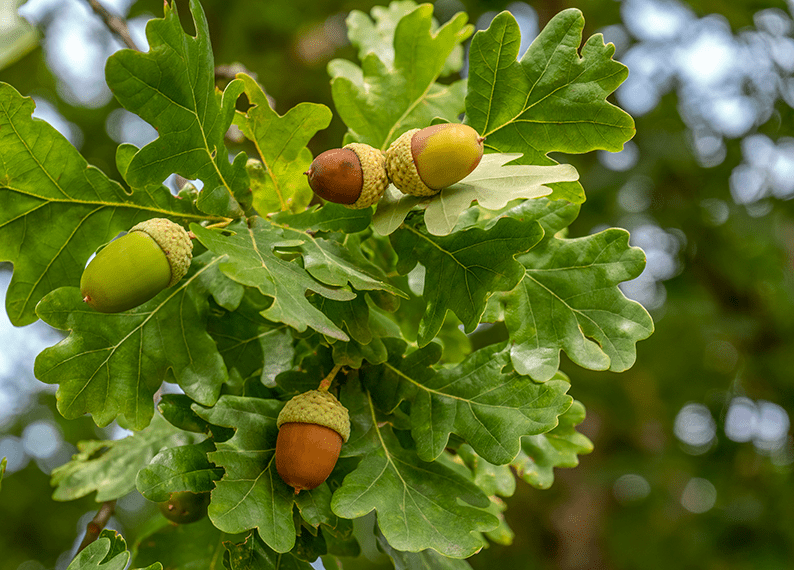
Deciduous Plants
Deciduous plants shed their leaves seasonally.
Examples include:
- Maple
- Oak
- Birch
- Apple trees
Benefits
Leaf drop allows these plants to:
- Conserve energy
- Survive cold winters
- Adapt to seasonal conditions
Their changing colors often create spectacular autumn displays.
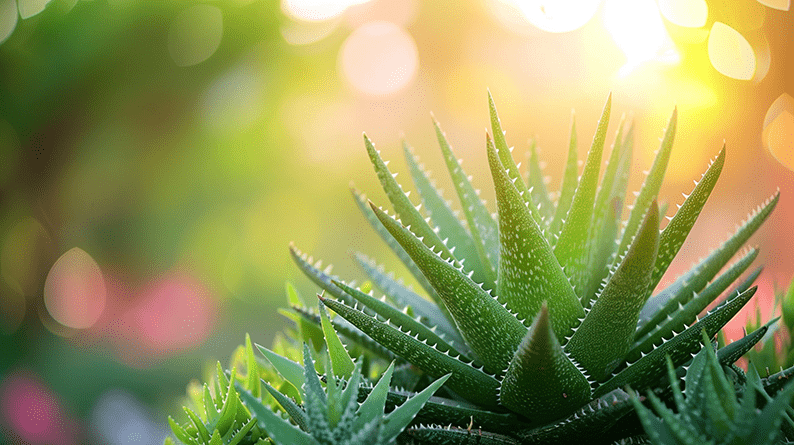
Succulents
Succulents store water in their leaves, stems, or roots.
Examples include:
- Aloe vera
- Jade plant
- Echeveria
- Haworthia
Adaptations
Succulents thrive in:
- Dry climates
- Low-water environments
- Indoor settings
Their drought tolerance makes them popular among busy gardeners.
Cacti
Cacti are a specialized group of succulents.
Most cacti are native to arid regions.
Characteristics
Cacti typically have:
- Thick stems
- Spines instead of leaves
- Exceptional drought resistance
Examples include:
- Saguaro cactus
- Barrel cactus
- Christmas cactus
They require minimal watering and maintenance.
Aquatic Plants
Aquatic plants grow in water or waterlogged conditions.
Examples include:
- Water lilies
- Lotus
- Duckweed
- Water hyacinth
Importance
Aquatic plants help:
- Filter water
- Support aquatic ecosystems
- Provide habitat for wildlife
They are essential components of ponds and wetlands.
Vegetable Plants
Vegetable plants are grown primarily for food production.
Examples include:
- Tomatoes
- Lettuce
- Spinach
- Peppers
- Cucumbers
Benefits
Growing vegetables provides:
- Fresh produce
- Improved nutrition
- Food security
- Cost savings
Vegetable gardening remains one of the most rewarding forms of gardening.
Fruit Plants
Fruit plants produce edible fruits rich in nutrients and flavor.
Examples include:
- Apple trees
- Pear trees
- Citrus trees
- Blueberries
- Strawberries
Importance
Fruit plants:
- Support healthy diets
- Attract pollinators
- Improve biodiversity
Many fruit plants can thrive in home gardens with proper care.
Medicinal Plants
Medicinal plants have been used for centuries to support health and wellness.
Examples include:
- Aloe vera
- Chamomile
- Ginger
- Lavender
- Echinacea
Uses
Medicinal plants may be used in:
- Herbal teas
- Essential oils
- Traditional remedies
Many gardeners grow medicinal plants for both practical and ornamental purposes.
Native Plants
Native plants naturally occur within specific regions.
These plants evolved alongside local wildlife and environmental conditions.
Examples vary by location.
Benefits
Native plants:
- Require less maintenance
- Need less water
- Support pollinators
- Increase biodiversity
Modern sustainable gardening strongly encourages native plant integration.
Ornamental Plants
Ornamental plants are grown primarily for aesthetic purposes.
Examples include:
- Roses
- Tulips
- Orchids
- Hydrangeas
Landscaping Benefits
Ornamental plants add:
- Beauty
- Fragrance
- Seasonal interest
- Property value
They are often used in gardens, parks, and public landscapes.
Indoor Plants
Indoor plants are cultivated within homes, offices, and other enclosed spaces.
Popular examples include:
- Snake Plant
- Spider Plant
- Pothos
- Peace Lily
- ZZ Plant
Benefits
Indoor plants:
- Improve air quality
- Reduce stress
- Enhance décor
- Increase productivity
Their popularity continues to grow worldwide.
Choosing the Right Plant Type
Selecting the right plants depends on several factors.
Consider:
Climate
Choose plants suited to local temperatures and rainfall.
Sunlight
Match plant requirements with available light conditions.
Soil Type
Different plants prefer different soil structures.
Water Availability
Some plants tolerate drought while others require consistent moisture.
Space
Consider mature plant size before planting.
Careful selection improves gardening success and reduces maintenance demands.
Common Mistakes When Choosing Plants
Ignoring Growth Size
Small seedlings can eventually become very large plants.
Choosing Unsuitable Species
Plants not adapted to local conditions often struggle.
Overcrowding
Planting too closely increases competition and disease risk.
Ignoring Sunlight Requirements
Improper light levels commonly lead to poor growth.
Planning ahead prevents many of these problems.
Case Study: Building a Diverse Home Garden
One of the most significant developments in modern gardening is the growing appreciation for plant diversity. Rather than relying on a single category of plants, successful gardeners increasingly combine various plant types to create landscapes that are attractive, functional, and environmentally sustainable. Plant diversity refers to the inclusion of multiple species, growth forms, and classifications within a garden or landscape. This approach enhances visual appeal while improving ecological health and resilience.
A diverse garden offers many advantages. Different plants occupy different layers and perform unique functions. Trees provide shade and shelter, shrubs create structure, flowering plants attract pollinators, herbs offer culinary and medicinal benefits, and groundcovers reduce soil erosion. When these elements work together, they create a balanced ecosystem that requires fewer external inputs such as fertilizers, pesticides, and excessive watering.
Plant diversity also increases resistance to pests and diseases. Monocultures, or landscapes dominated by a single species, are particularly vulnerable to widespread infestations. If a disease targets one plant species, it can quickly spread throughout the entire area. In contrast, a diverse planting scheme reduces this risk because different species have varying levels of resistance and susceptibility. As a result, the garden becomes healthier and more resilient over time.
Furthermore, diverse gardens support local wildlife. Birds, butterflies, bees, and beneficial insects depend on different plant species for nectar, pollen, seeds, shelter, and nesting sites. By cultivating multiple plant types, gardeners contribute positively to biodiversity conservation while creating vibrant outdoor spaces teeming with life.
The Role of Native Plants in Sustainable Landscapes
Native plants are species that naturally occur in a specific region and have evolved alongside local wildlife and environmental conditions. Because they are adapted to local climates, soils, and rainfall patterns, native plants often require less maintenance than introduced species. They generally need less water, fewer fertilizers, and minimal pest control once established.
The ecological value of native plants cannot be overstated. Many pollinators, birds, and insects depend on specific native species for food and reproduction. For instance, numerous butterfly species lay their eggs only on certain native host plants. Without these plants, butterfly populations can decline significantly. Similarly, native flowering plants provide the nectar and pollen needed by bees and other pollinators throughout the growing season.
Native plants also help restore ecological balance in urban and suburban environments. As natural habitats are replaced by roads, buildings, and developed landscapes, native gardens serve as important refuges for wildlife. They can function as miniature ecosystems that reconnect fragmented habitats and support local biodiversity.
In addition to their environmental benefits, native plants often possess unique beauty and cultural significance. Wildflowers, native grasses, and indigenous shrubs can create visually stunning landscapes that reflect a region’s natural heritage. Many gardeners choose native plants not only for sustainability but also for their ability to foster a stronger connection with local ecosystems.
Seasonal Planting and Garden Planning
Understanding seasonal plant cycles is another essential aspect of successful gardening. Different plants thrive under different environmental conditions, and selecting species that suit each season ensures continuous interest and productivity throughout the year.
Spring is often associated with rapid growth and colorful blooms. Bulbs such as tulips, daffodils, and crocuses emerge after winter dormancy, while many trees and shrubs begin producing new leaves and flowers. This season is ideal for planting many annuals, perennials, and vegetable crops.
Summer brings abundant growth and flowering. Popular summer plants include roses, sunflowers, zinnias, and vegetables such as tomatoes and peppers. During this period, proper watering and mulching become important to help plants withstand heat and drought conditions.
Autumn introduces another phase of beauty and productivity. Many trees display brilliant foliage colors, while late-season flowers continue providing nectar for pollinators. This is also an excellent time for planting trees, shrubs, and spring-flowering bulbs because cooler temperatures encourage root development.
Winter may appear dormant, but many plants continue contributing to the landscape. Evergreen trees and shrubs provide color and structure, while ornamental grasses and seed heads offer visual interest and food sources for birds. Gardeners can use this quieter season for planning future improvements and preparing for the next growing cycle.
By incorporating plants that perform well in different seasons, gardeners can create landscapes that remain attractive and functional year-round.
Edible Plants and Food Gardening
Growing food is one of the oldest and most rewarding reasons for cultivating plants. Edible gardens provide fresh produce while allowing individuals to connect more closely with their food sources. Today, food gardening has gained popularity as people seek healthier lifestyles, greater sustainability, and improved food security.
Vegetables are among the most commonly grown edible plants. Leafy greens such as lettuce, spinach, and kale grow relatively quickly and can often be harvested multiple times. Root vegetables like carrots, radishes, and beets develop underground and provide nutritious additions to meals. Fruit-bearing vegetables, including tomatoes, cucumbers, squash, and peppers, are popular choices in home gardens around the world.
Fruit plants contribute another valuable dimension to edible landscapes. Trees such as apples, pears, and peaches can produce harvests for many years. Berry-producing shrubs, including blueberries, raspberries, and blackberries, offer delicious fruits while also attracting pollinators and birds.
Herbs are particularly versatile edible plants. Basil, parsley, oregano, mint, rosemary, and thyme can be grown in gardens, raised beds, or containers. Their compact size makes them suitable even for small spaces, and they provide fresh flavor for a wide variety of dishes.
Food gardening also promotes environmental sustainability by reducing transportation distances associated with commercial produce. Home-grown fruits, vegetables, and herbs often require less packaging and fewer resources than store-bought alternatives, making them a valuable component of sustainable living.
Indoor Plants and Their Benefits
Indoor plants have become increasingly popular due to their ability to bring nature into homes, offices, and other interior spaces. While outdoor gardens depend on seasonal conditions, indoor plants can provide beauty and greenery year-round.
One of the primary benefits of indoor plants is their aesthetic appeal. Lush foliage, unique shapes, and vibrant colors enhance interior design and create more inviting environments. Popular indoor species include pothos, snake plants, peace lilies, spider plants, philodendrons, and succulents.
Indoor plants may also contribute to improved well-being. Studies have suggested that interacting with plants can reduce stress, promote relaxation, and increase feelings of comfort. Many people find that caring for plants provides a calming and rewarding hobby that encourages mindfulness and responsibility.
In workplaces, indoor plants can help create more pleasant environments. Greenery softens the appearance of office settings and contributes to a more natural atmosphere. As a result, businesses often incorporate plants into interior spaces to improve workplace satisfaction and visual appeal.
Additionally, indoor gardening allows people living in apartments or urban environments to maintain a connection with nature despite limited outdoor space. Container gardening, windowsill herb gardens, and indoor tropical plants make gardening accessible to a wide range of individuals regardless of location.
Environmental Benefits of Plants
Beyond their value in gardens and landscapes, plants perform essential ecological functions that support life on Earth. Through photosynthesis, plants absorb carbon dioxide and release oxygen, helping regulate atmospheric composition and supporting living organisms.
Plants play a critical role in climate regulation. Forests, grasslands, wetlands, and other plant-dominated ecosystems store substantial amounts of carbon, helping mitigate climate change. Trees in urban areas provide additional benefits by reducing heat, filtering air pollutants, and lowering energy demands through shading.
Soil conservation is another important environmental service provided by plants. Root systems stabilize soil, reducing erosion caused by wind and water. Groundcover plants help protect exposed soil surfaces, while trees and shrubs anchor larger landscapes and watersheds.
Plants also contribute to water quality. Vegetation filters runoff, absorbs excess nutrients, and reduces sediment movement into rivers, lakes, and streams. Wetland plants are particularly valuable because they help purify water while providing habitat for countless species.
Wildlife depends heavily on plant communities for survival. Plants form the foundation of food chains and provide shelter, breeding sites, and migration stopovers for numerous animals. Without healthy plant populations, ecosystems would struggle to sustain biodiversity and ecological balance.
Choosing the Right Plants for Your Garden
Selecting appropriate plants is one of the most important decisions in gardening. Successful plant selection requires consideration of environmental conditions, maintenance requirements, and desired outcomes.
Climate is a primary factor. Plants adapted to local temperature ranges are more likely to thrive than species suited to different climates. Gardeners should consider factors such as frost dates, heat tolerance, rainfall patterns, and humidity levels when choosing plants.
Sunlight requirements also vary significantly among species. Some plants flourish in full sun, while others prefer partial shade or fully shaded conditions. Matching plant needs to available light helps promote healthy growth and flowering.
Soil characteristics are equally important. Well-drained soils favor certain plants, while others thrive in moist or clay-rich conditions. Conducting a soil test can provide valuable information about nutrient levels and pH, helping gardeners make better planting decisions.
Maintenance expectations should align with personal preferences and available time. Some plants require frequent pruning, watering, or pest management, while others are relatively self-sufficient. Low-maintenance gardens often incorporate native perennials, drought-tolerant species, and resilient shrubs.
Finally, gardeners should define their objectives clearly. Whether the goal is attracting wildlife, producing food, creating privacy, adding seasonal color, or supporting pollinators, selecting plants with specific functions ensures a more satisfying and successful landscape.

Leave A Comment