
24
Jul
Have you ever dreamed of stepping into your backyard and harvesting fresh vegetables, herbs, and fruits for your family’s meals? Turning your backyard into a mini farm is a rewarding way to grow your own food, save money, and enjoy a healthier lifestyle.
Whether you have a large yard or a small outdoor space, a backyard farm can provide a steady supply of fresh produce while creating a beautiful and productive environment. With thoughtful planning and regular care, even a modest backyard can become a thriving source of food and enjoyment throughout the year.
Why Start a Backyard Mini Farm?
A backyard farm offers more than just fresh food. It helps you connect with nature, develop sustainable gardening habits, and gain a greater appreciation for where your food comes from. Many people find gardening relaxing and rewarding because it allows them to spend time outdoors while producing something valuable for their household.
Growing your own food can also give you greater control over the quality of the produce you consume. You can reduce or eliminate the use of chemical pesticides and fertilizers while choosing organic and environmentally friendly growing methods.
Benefits of a Backyard Farm
- Fresh and organic produce
- Reduced grocery expenses
- Healthier eating habits
- Increased property appeal
- A fun and educational hobby for the family
Even a small garden can produce an impressive harvest when planned properly. The satisfaction of harvesting food that you have grown yourself is one of the greatest rewards of backyard farming.
Start with a Plan
Before planting, consider how much space you have and what you would like to grow.
Ask yourself:
- How much sunlight does your yard receive?
- What vegetables does your family enjoy eating?
- How much time can you dedicate to gardening?
A simple plan helps you make the most of your available space.
It’s also helpful to sketch your garden layout before you begin planting. Mark sunny and shady areas, existing trees, pathways, and water sources. Knowing the conditions in different parts of your yard can help you choose the best locations for vegetables, herbs, and fruit plants.
Consider the growing seasons in your area as well. Some crops thrive in cooler temperatures, while others need warm weather to produce a good harvest. Understanding your local climate can greatly improve your chances of success.
Understand Your Soil
One of the most important factors in a successful backyard farm is healthy soil. Plants rely on soil for nutrients, water, and support.
Before planting, test your soil if possible. A soil test can reveal important information about nutrient levels and pH balance. This knowledge allows you to make adjustments and create the best growing conditions for your plants.
Healthy soil generally contains:
- Organic matter
- Good drainage
- Beneficial microorganisms
- Balanced nutrients
Adding compost and natural amendments can improve poor soil and increase productivity over time.
Grow Easy Vegetables
For beginners, it’s best to start with vegetables that are easy to grow and maintain.
Great Choices for Beginners
- Tomatoes
- Lettuce
- Spinach
- Carrots
- Cucumbers
- Green beans
- Peppers
These plants can thrive in garden beds, raised beds, or containers.
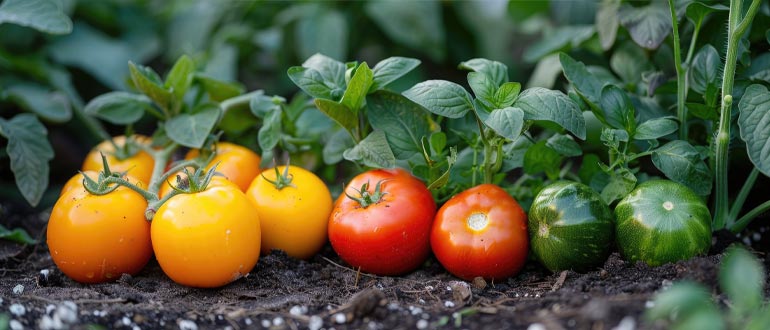
Tomatoes are often considered one of the most rewarding crops because they produce heavily during the growing season. Lettuce and spinach grow quickly, providing a fast harvest for new gardeners. Green beans and cucumbers are also productive and relatively simple to manage.
Starting with a few easy crops helps build confidence and experience before expanding your mini farm.
Practice Succession Planting
One strategy experienced gardeners use is succession planting. Instead of planting everything at once, seeds are planted at regular intervals throughout the season.
For example:
- Plant lettuce every two weeks
- Sow carrots monthly
- Replant beans after each harvest
This technique helps ensure a continuous supply of fresh produce rather than one large harvest at a single time.
Add Fresh Herbs
Herbs are among the easiest and most productive plants for a mini farm.
Popular Herbs
- Basil
- Mint
- Rosemary
- Thyme
- Parsley
- Coriander
Fresh herbs enhance meals and can be harvested throughout the growing season.
Many herbs grow well in containers, making them perfect for smaller spaces. They are also attractive plants that can be used as ornamental features in the garden.
Having fresh herbs readily available encourages home cooking and adds flavor to meals without relying on processed seasonings.
Plant Fruit-Producing Crops
If space allows, add fruits to your backyard farm.
Good Options
- Strawberries
- Blueberries
- Raspberries
- Lemon trees
- Orange trees
Fruit plants provide delicious harvests and add beauty to your garden.
Fruit-bearing plants often require patience because some take several seasons to become fully productive. However, once established, they can provide harvests for many years.
Dwarf fruit trees are an excellent option for smaller yards because they take up less space while still producing quality fruit.
Consider Vertical Gardening
Not everyone has a large backyard, but limited space should not prevent you from starting a mini farm.
Vertical gardening is a great solution for maximizing production in small areas.
Plants that grow well vertically include:
- Cucumbers
- Pole beans
- Peas
- Tomatoes
- Pumpkins on strong supports
Using trellises, cages, and vertical structures increases growing space while improving airflow around plants.
Vertical gardens can also create an attractive and organized appearance while making harvesting easier.
Create Raised Garden Beds
Raised beds are ideal for backyard farming because they:
- Improve drainage
- Reduce weeds
- Make harvesting easier
- Help organize growing areas
They also allow you to control soil quality more effectively.
Raised beds warm up faster in spring and often provide healthier growing conditions than traditional garden plots. They are particularly useful in areas with poor soil or drainage issues.
Many gardeners find raised beds easier to maintain because there is less bending and fewer weeds to manage.
Compost for Better Soil
Healthy soil is the foundation of a successful mini farm.
You can create compost using:
- Fruit and vegetable scraps
- Dry leaves
- Grass clippings
- Coffee grounds
Compost naturally enriches the soil and improves plant growth.
In addition to supplying nutrients, compost improves soil structure, helps retain moisture, and encourages beneficial organisms that support healthy plants.
Making compost at home also reduces household waste and contributes to a more sustainable lifestyle.
Use Mulch Effectively
Mulch is one of the simplest ways to improve garden performance.
Benefits of mulch include:
- Conserving moisture
- Reducing weed growth
- Moderating soil temperatures
- Improving soil quality
Organic mulches such as straw, wood chips, or shredded leaves gradually break down and add nutrients to the soil.
A layer of mulch around vegetables and fruit plants can significantly reduce maintenance while improving overall productivity.
Save Water Efficiently
Water is essential for healthy crops.
Water-Saving Tips
- Water early in the morning
- Use mulch around plants
- Install drip irrigation if possible
- Collect rainwater for garden use
These methods help conserve water while keeping plants healthy.
Drip irrigation is particularly effective because it delivers water directly to plant roots while minimizing evaporation and runoff. This method can save water and reduce disease problems caused by wet foliage.
Harvest Rainwater
Rainwater harvesting is a practical addition to any backyard farm.
Rain barrels can collect water from rooftops and store it for later use in the garden.
Advantages include:
- Lower water bills
- Reduced demand on municipal supplies
- Natural, chemical-free water for plants
- Improved sustainability
Even a small rain collection system can provide a valuable source of water during dry periods.
Attract Helpful Pollinators
Bees and butterflies play an important role in pollinating crops.
Plant flowers such as:
- Lavender
- Marigolds
- Sunflowers
- Zinnias
These flowers attract pollinators and add color to your mini farm.
Without pollinators, many fruits and vegetables would produce fewer crops. Creating a pollinator-friendly environment supports both your garden and local ecosystems.
Avoiding excessive pesticide use also helps protect these beneficial insects.
Encourage Beneficial Insects
Not all insects are harmful.
Helpful insects include:
- Ladybugs
- Lacewings
- Praying mantises
- Parasitic wasps
These insects help control garden pests naturally.
By encouraging beneficial insect populations, you can reduce the need for chemical pest control and maintain a healthier garden ecosystem.
Manage Garden Pests Naturally
Every gardener eventually encounters pests. However, natural solutions can often keep them under control.
Some effective methods include:
- Hand-picking insects
- Using insect netting
- Introducing beneficial insects
- Planting companion plants
- Maintaining healthy soil
Healthy plants are generally more resistant to pest and disease problems than stressed plants.
Regular inspections allow you to identify issues early before they spread throughout the garden.
Try Companion Planting
Companion planting involves growing certain plants together because they benefit one another.
Popular combinations include:
- Tomatoes and basil
- Carrots and onions
- Corn, beans, and squash
- Lettuce and radishes
These partnerships can improve growth, deter pests, and maximize garden productivity.
Experimenting with companion planting can help you discover combinations that work well in your local environment.
Include Chickens If Allowed
In some areas, backyard chickens can be a valuable addition to a mini farm.
Benefits include:
- Fresh eggs
- Natural pest control
- Fertilizer production
- Educational opportunities for children
Before adding chickens, check local regulations regarding backyard poultry.
A small flock can complement a garden by creating a more complete backyard farming system.
Extend the Growing Season
You don’t have to limit gardening to a single season.
Methods for extending production include:
- Cold frames
- Greenhouses
- Row covers
- Frost blankets
These tools allow many crops to continue growing even when temperatures begin to drop.
Season extension can significantly increase the amount of food produced on your backyard farm each year.
Keep Garden Records
Successful gardeners often keep notes about their harvests and planting schedules.
Record information such as:
- Planting dates
- Harvest amounts
- Weather conditions
- Pest problems
- Successful crop varieties
These records help improve planning and productivity each season.
Over time, you’ll develop valuable knowledge specific to your own property and growing conditions.
Involve the Entire Family
A backyard farm can become a wonderful family project.
Children can help with:
- Watering plants
- Harvesting vegetables
- Feeding chickens
- Planting seeds
- Composting
Gardening teaches responsibility, patience, and environmental awareness while encouraging healthy eating habits.
Many families find that children are more willing to eat vegetables they have helped grow themselves.
Harvest and Enjoy
One of the best parts of a backyard farm is harvesting your own food. Fresh vegetables, herbs, and fruits often taste better than store-bought produce and can be picked exactly when they are ready.
Regular harvesting also encourages many plants to continue producing throughout the season. Tomatoes, beans, cucumbers, and herbs often yield more when harvested frequently.
Sharing extra produce with neighbors, friends, and family members is another rewarding aspect of growing your own food.
Over time, you’ll learn which crops perform best in your climate and how to increase your harvest each season.
Building a Sustainable Future at Home
Turning your backyard into a mini farm is more than a gardening project. It is a step toward greater self-sufficiency, healthier eating, and environmental responsibility.
As your skills grow, you may expand your garden, experiment with new crops, save seeds, and develop more sustainable practices. Every season brings new opportunities to learn and improve.
A thriving backyard farm doesn’t happen overnight, but consistent effort and patience can transform even a small outdoor area into a productive and beautiful space.
Turning your backyard into a mini farm is a practical and rewarding way to grow fresh food at home. By starting with easy vegetables, adding herbs and fruits, improving your soil, conserving water, attracting pollinators, and using smart gardening techniques, you can create a productive outdoor space that benefits your health, your family, and the environment.
Whether you have a large property or just a small patch of ground, backyard farming is an achievable goal. Every seed planted is a step toward a more sustainable lifestyle and a closer connection to nature.
With a little patience, planning, and care, your backyard can become a thriving mini farm that provides fresh harvests throughout the year while bringing enjoyment and satisfaction for many seasons to come.
The Long-Term Benefits of Backyard Farming
One of the greatest advantages of creating a backyard mini farm is that the rewards continue to grow over time. Unlike many hobbies that require constant spending, a well-established garden becomes more productive year after year. Fruit trees mature, soil quality improves, and your gardening skills develop with experience.
Over the years, you’ll likely discover which crops perform best in your local climate and soil conditions. This knowledge allows you to focus on growing varieties that deliver reliable harvests. As a result, your backyard farm becomes more efficient and productive with each growing season.
The financial benefits can also add up significantly. While there may be initial expenses for tools, raised beds, seeds, and soil amendments, these costs are often offset by the value of the food you harvest. Fresh herbs, vegetables, berries, and fruits can reduce grocery bills and provide a steady source of nutritious food for your household.
Building a Healthier Lifestyle
Backyard farming naturally encourages healthier living habits. Gardening involves regular movement such as digging, planting, watering, weeding, and harvesting. These activities provide gentle exercise that can improve physical fitness, flexibility, and overall well-being.
Many gardeners also report reduced stress levels and improved mental health. Spending time outdoors, working with plants, and enjoying nature can have a calming effect on the mind. Gardening offers an opportunity to slow down, focus on simple tasks, and take a break from the demands of modern life.
In addition, growing your own food often leads to healthier eating habits. When fresh produce is available just outside your door, it becomes easier to include more fruits and vegetables in your daily diet. Garden-fresh food is often harvested at peak ripeness, resulting in better flavor and nutritional value.
Teaching Valuable Life Skills
A backyard mini farm can serve as an outdoor classroom for both children and adults. Gardening teaches important lessons about responsibility, patience, and the natural world.
Children can learn:
- How food is grown
- The importance of pollinators
- Basic science concepts
- Environmental stewardship
- Problem-solving skills
Watching a tiny seed develop into a productive plant helps children understand the effort required to grow food. It can also foster greater appreciation for healthy meals and reduce food waste.
Adults benefit as well. Gardening encourages continuous learning through experimentation, observation, and adaptation. Each season presents new opportunities to improve techniques and expand knowledge.
Promoting Environmental Sustainability
Backyard farming contributes to a healthier environment in several ways. Homegrown produce reduces the need for transportation, packaging, and refrigeration often associated with commercially grown foods.
When gardeners compost kitchen scraps and yard waste, they divert organic materials from landfills and create valuable nutrients for the soil. This natural recycling process reduces waste while supporting healthy plant growth.
Other environmentally friendly practices include:
- Rainwater harvesting
- Organic pest management
- Composting
- Native plant cultivation
- Mulching
These methods help conserve resources and support local ecosystems.
Even small backyard farms can create habitats for wildlife, including birds, bees, butterflies, and other beneficial organisms. As more people adopt sustainable gardening practices, the collective environmental impact can be significant.
Expanding Your Backyard Farm Over Time
Many successful gardeners start small and gradually expand their growing spaces as their confidence grows. There’s no need to transform your entire yard at once.
You might begin with:
- A few containers on a patio
- A raised bed for vegetables
- A small herb garden
As you gain experience, you can add:
- Additional raised beds
- Berry bushes
- Fruit trees
- Composting systems
- Greenhouses
- Chicken coops where permitted
Expanding gradually allows you to learn manageable skills while avoiding the feeling of being overwhelmed.
Every new addition provides fresh opportunities to increase food production and improve self-sufficiency.
Growing Food Throughout the Seasons
While many people associate gardening with spring and summer, a productive mini farm can provide harvests throughout much of the year.
Cool-season crops include:
- Spinach
- Kale
- Carrots
- Lettuce
- Radishes
- Broccoli
Warm-season crops include:
- Tomatoes
- Peppers
- Cucumbers
- Beans
- Squash
- Melons
By carefully selecting crops for different seasons, gardeners can enjoy fresh produce for extended periods.
Season extension methods such as row covers, cold frames, and greenhouses can further increase productivity. In some regions, these tools allow food production even during colder months.
Creating a Beautiful Outdoor Space
A backyard farm does more than supply food. It can also enhance the beauty and value of your property.
Colorful vegetables, flowering herbs, berry bushes, and fruit trees create visual interest throughout the landscape. Combining edible plants with ornamental flowers can result in a garden that is both attractive and functional.
Features that improve appearance include:
- Decorative raised beds
- Garden paths
- Trellises
- Flower borders
- Water features
- Seating areas
These additions transform a simple garden into a welcoming outdoor retreat where family and friends can gather.
The combination of beauty and productivity makes backyard farming a unique and rewarding form of landscaping.
Strengthening Community Connections
Gardening often creates opportunities to connect with neighbors and local communities. Excess produce can be shared with friends, family members, or community organizations.
Many gardeners exchange:
- Seeds
- Seedlings
- Gardening advice
- Harvests
- Composting tips
These interactions help build relationships and encourage knowledge sharing.
Community gardens, farmers’ markets, and local gardening groups provide additional opportunities to connect with people who share similar interests.
By participating in local gardening networks, backyard farmers can learn from experienced growers and contribute to a culture of sustainability.
Overcoming Common Challenges
Every gardener faces obstacles from time to time. Weather conditions, pests, diseases, and unexpected setbacks are all part of the gardening journey.
The key is to view challenges as opportunities to learn rather than reasons to give up.
Common gardening challenges include:
- Poor soil
- Drought
- Excess rainfall
- Insect pests
- Plant diseases
- Limited space
Fortunately, most gardening problems have practical solutions. Research, observation, and experience can help gardeners adapt and improve their methods over time.
Persistence is often the difference between a struggling garden and a successful one.
Developing Greater Self-Reliance
One of the most rewarding aspects of backyard farming is the sense of independence it provides. Growing even a portion of your own food creates a stronger connection to the essentials of daily life.
Producing food at home can increase resilience during periods of rising food costs or supply chain disruptions. While a backyard farm may not provide everything a family needs, it can supply a meaningful portion of fresh produce throughout the year.
Learning skills such as:
- Seed starting
- Composting
- Soil management
- Food preservation
- Crop rotation
can further enhance self-reliance and confidence.
These traditional skills remain valuable in today’s world and contribute to long-term sustainability.
Preserving Your Harvest
A productive backyard farm often yields more food than can be consumed immediately. Preserving excess harvests allows families to enjoy homegrown produce long after the growing season ends.
Popular preservation methods include:
- Freezing
- Drying
- Canning
- Pickling
- Fermentation
Home-preserved foods provide a convenient way to reduce waste and enjoy the flavors of the garden year-round.
Preservation also extends the value of your gardening efforts while building practical food storage skills.
A Rewarding Journey
Backyard farming is not simply about growing food. It is about creating a lifestyle that emphasizes health, sustainability, learning, and connection with nature.
Every garden begins with a single step, whether that means planting a tomato seedling, building a raised bed, or starting a small herb container near the kitchen door.
As your garden grows, so does your knowledge, confidence, and appreciation for the natural processes that sustain life. The experience of nurturing plants from seed to harvest creates a deep sense of accomplishment that few activities can match.
Some seasons will be more productive than others, but each year brings valuable lessons and opportunities for improvement.
Final Thoughts
A backyard mini farm represents far more than a source of fresh produce. It is an investment in your health, your environment, your family, and your future. Through careful planning, responsible stewardship, and consistent effort, even a modest outdoor space can become a thriving and productive oasis.
Whether your goal is to grow a few vegetables for family meals or create a diverse and abundant landscape filled with fruits, herbs, and flowers, the journey is both accessible and rewarding. Every harvest serves as a reminder that simple actions can produce meaningful results.
By embracing backyard farming, you take an active role in creating a healthier, more sustainable lifestyle. With dedication and patience, your mini farm can provide nourishment, beauty, education, and enjoyment for many years to come, transforming an ordinary backyard into an extraordinary source of abundance.

Leave A Comment