
24
Jul
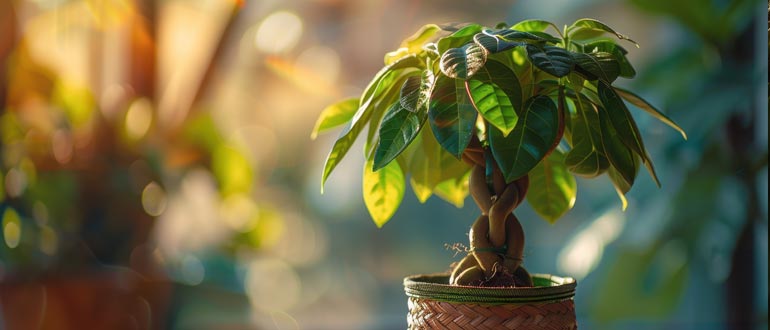
The Money Tree (Pachira aquatica) is one of the most popular indoor plants associated with prosperity, luck, and financial success. Native to Central and South America, this attractive plant is loved for its braided trunk, lush green leaves, and easy-care nature.
Whether you’re a plant enthusiast or simply looking for a beautiful houseplant, the Money Tree is an excellent addition to any home or office. Its elegant appearance, symbolic meaning, and low-maintenance requirements have helped it become a favorite among homeowners, office workers, and interior designers around the world.
What Is a Money Tree?
The Money Tree is a tropical plant that belongs to the Malvaceae family. In its natural habitat, Pachira aquatica grows in wetlands, riverbanks, and swampy regions, often reaching heights of over 60 feet (18 meters). However, when cultivated indoors as a houseplant, it generally grows between 3 and 8 feet tall, making it ideal for indoor spaces.
The plant is best recognized by its unique braided trunk and glossy, hand-shaped leaves that typically consist of five to seven leaflets. Its distinctive appearance creates an attractive focal point in any room.
The braided trunks commonly seen in stores are not naturally occurring. Instead, young stems are carefully woven together by growers while the plant is still flexible. Over time, the trunks harden and maintain their braided form, enhancing the plant’s ornamental appeal.
History and Cultural Significance
The Money Tree gained popularity through an interesting modern legend. According to a commonly told story, a struggling farmer discovered the tree, admired its unusual appearance, and decided to sell seedlings. His success allegedly brought him good fortune, leading to the belief that the plant attracts wealth and prosperity.
While the story may be folklore rather than historical fact, it helped establish the Money Tree’s reputation as a lucky plant.
In various Asian cultures, particularly through Feng Shui practices, the Money Tree is regarded as a symbol of:
- Financial abundance
- Good luck
- Positive energy
- Business success
- Personal growth
- Harmony and balance
As a result, the plant is frequently given as a gift during grand openings, promotions, weddings, birthdays, and housewarming celebrations.
Symbolism of the Money Tree
Many people keep Money Trees because they symbolize:
- Wealth and prosperity
- Good fortune
- Success and growth
- Positive energy
- New opportunities
While there is no scientific evidence that the plant attracts money, its symbolism has made it a favorite gift for businesses, homeowners, and entrepreneurs.
Many Feng Shui practitioners believe that the five leaflets often found on each leaf represent the five elements:
- Wood
- Fire
- Earth
- Metal
- Water
These elements are thought to create balance and promote positive energy flow within a space.
The braided trunk is also considered symbolic of stability, strength, and interconnected success.
Benefits of Growing a Money Tree
Easy to Maintain
Money Trees are relatively low-maintenance and suitable for beginners. They require only basic care and can adapt well to indoor environments.
Attractive Appearance
Their braided trunks and vibrant green leaves add beauty to any room.
Indoor-Friendly
They thrive indoors when provided with proper light and watering.
Air-Refreshing Plant
Like many indoor plants, Money Trees contribute to a healthier and more refreshing living space.
Long Lifespan
With proper care, Money Trees can live for many years. Some indoor specimens become cherished household companions passed down through generations.
Stress Reduction
Studies have shown that indoor plants can contribute to a calmer and more relaxing environment. The presence of greenery often helps people feel more connected to nature and may improve overall mood.
Understanding the Plant’s Growth Habit
Money Trees are naturally slow to moderate growers indoors. They focus on producing healthy foliage rather than rapid growth.
Several factors influence their growth rate:
- Amount of light
- Temperature
- Humidity
- Watering practices
- Soil quality
- Pot size
Under ideal conditions, new leaves emerge regularly during the growing season, which usually occurs in spring and summer.
The plant often enters a slower growth phase during cooler months when indoor temperatures and light levels decrease.
How to Care for a Money Tree
Light Requirements
Place your Money Tree in bright, indirect sunlight. Avoid prolonged exposure to direct sunlight, which can scorch the leaves.
A location near an east-facing or north-facing window often works well. If natural light is limited, the plant can adapt to moderate indoor lighting conditions.
Watering
Water when the top layer of soil feels dry. Overwatering can lead to root problems, so ensure the pot has good drainage.
A common mistake among plant owners is watering too frequently. Money Trees prefer slightly dry conditions rather than constantly wet soil.
General watering guidelines:
- Check soil moisture before watering
- Water thoroughly when needed
- Allow excess water to drain
- Empty drainage trays after watering
Temperature
Money Trees prefer warm temperatures and should be protected from cold drafts.
Ideal temperatures range from:
- 65°F to 80°F (18°C to 27°C)
Avoid placing the plant near:
- Air conditioners
- Heating vents
- Drafty windows
- Exterior doors
Sudden temperature fluctuations can stress the plant and cause leaf drop.
Humidity
As a tropical plant, it appreciates moderate humidity levels.
To increase humidity:
- Mist leaves occasionally
- Use a humidifier
- Place a pebble tray beneath the pot
- Group plants together
Higher humidity often leads to healthier foliage and improved growth.
Best Soil for a Money Tree
The right soil is essential for healthy root development.
Money Trees prefer:
- Well-draining potting mix
- Moderate moisture retention
- Organic-rich soil
A quality indoor plant potting mix combined with perlite or coarse sand can improve drainage and reduce the risk of root rot.
Poor drainage is one of the leading causes of Money Tree problems.
Fertilizing Your Money Tree
Regular feeding can encourage healthy growth and vibrant leaves.
During the growing season:
- Fertilize once a month
- Use a balanced liquid fertilizer
- Follow package instructions carefully
Avoid over-fertilizing, which can damage roots and cause leaf burn.
Many gardeners reduce or stop fertilizing during winter when growth naturally slows.
Repotting a Money Tree
Money Trees generally require repotting every two to three years.
Signs that repotting may be needed include:
- Roots growing through drainage holes
- Slowed growth
- Soil drying unusually quickly
- Crowded root systems
When repotting:
- Choose a slightly larger container.
- Use fresh, well-draining soil.
- Gently loosen roots if necessary.
- Water after repotting.
Repotting refreshes nutrients and provides additional space for root development.
Pruning and Shaping
Pruning helps maintain the plant’s appearance and encourages healthy growth.
Benefits of pruning include:
- Removing damaged leaves
- Controlling size
- Encouraging branching
- Improving appearance
Always use clean, sharp pruning tools to prevent disease transmission.
Regular maintenance keeps the plant looking neat and attractive.
Where to Place a Money Tree
Popular locations include:
- Living rooms
- Home offices
- Business reception areas
- Study rooms
- Entryways
Many Feng Shui enthusiasts place the Money Tree in the wealth corner of a room to symbolize financial growth and success.
The plant also works well as:
- A desk plant
- A living room centerpiece
- A decorative office feature
- A gift plant for special occasions
Its attractive form complements both traditional and modern interior designs.
Money Tree and Feng Shui
In Feng Shui, plants are believed to represent life energy and growth.
The Money Tree is often placed in locations associated with prosperity and abundance.
Common Feng Shui placement areas include:
- Southeast corners of homes
- Business offices
- Cash register areas
- Financial workspaces
- Entrance halls
Many people decorate their Money Trees with red ribbons, coins, or ornaments believed to enhance positive energy and good fortune.
While these practices are based on tradition rather than science, many individuals enjoy the symbolic significance.
Common Problems
Yellow Leaves
Often caused by overwatering or poor drainage.
Possible solutions:
- Reduce watering frequency
- Improve drainage
- Inspect roots for damage
Drooping Leaves
May indicate insufficient water or sudden environmental changes.
Check:
- Soil moisture
- Room temperature
- Lighting conditions
Leaf Loss
Can occur due to stress, temperature fluctuations, or improper lighting.
A few fallen leaves are normal, but excessive leaf drop may signal a care issue.
Brown Leaf Tips
Brown edges may develop because of:
- Low humidity
- Salt buildup from fertilizer
- Inconsistent watering
Increasing humidity and adjusting care practices can often resolve the problem.
Propagating a Money Tree
Money Trees can be propagated through stem cuttings.
Basic propagation steps include:
- Select a healthy stem.
- Cut below a leaf node.
- Place the cutting in water or moist soil.
- Maintain warmth and humidity.
- Wait for roots to develop.
Once rooted, the new plant can be transplanted into a container.
Propagation allows plant lovers to share Money Trees with friends and family.
Is the Money Tree Safe for Pets?
Money Trees are generally regarded as non-toxic to cats and dogs. This makes them a popular choice among pet owners who want attractive houseplants without significant safety concerns.
However, it is still best to discourage pets from chewing on leaves because ingestion of any plant material may cause mild digestive discomfort.
When introducing any houseplant into a home with pets, monitoring initial interactions is always a good idea.
Decorating with Money Trees
Money Trees are highly versatile decorative plants.
They complement:
- Modern interiors
- Minimalist spaces
- Traditional décor
- Office environments
- Contemporary apartments
Larger specimens can function as statement pieces, while smaller plants work beautifully on desks, shelves, or side tables.
Stylish decorative pots can further enhance their visual appeal.
Why the Money Tree Remains So Popular
The enduring popularity of the Money Tree stems from a unique combination of benefits:
- Attractive appearance
- Easy maintenance
- Symbolic value
- Adaptability to indoor environments
- Long lifespan
- Suitability for beginners
Few houseplants offer such a strong combination of beauty, practicality, and cultural significance.
Whether someone is interested in gardening, interior decorating, or Feng Shui traditions, the Money Tree has broad appeal.
The Money Tree (Pachira aquatica) is more than just a beautiful houseplant. Its association with prosperity, positive energy, and growth has made it one of the most popular indoor plants worldwide. Easy to care for and visually appealing, it is an excellent choice for homes, offices, and anyone looking to add a touch of greenery and symbolism to their space.
Beyond its reputation as a symbol of wealth and good fortune, the Money Tree offers practical advantages such as low-maintenance care requirements, long-lasting beauty, and adaptability to indoor conditions. Whether displayed as a decorative centerpiece, given as a thoughtful gift, or used as part of a Feng Shui arrangement, this tropical plant brings elegance and life to any environment.
With proper light, watering, humidity, and occasional maintenance, a Money Tree can thrive for many years, rewarding owners with vibrant foliage and a lasting connection to nature. For plant lovers and beginners alike, the Money Tree remains one of the most rewarding and meaningful houseplants to grow.

Leave A Comment