
25
Aug
Introduction
Sustainable Gardening: The Complete Guide to Growing a Greener, Healthier, and More Productive Garden. As concerns about climate change, resource conservation, biodiversity loss, and food security continue to grow, many gardeners are looking for ways to create thriving outdoor spaces while reducing their environmental impact. Sustainable gardening provides a practical solution by combining responsible gardening practices with ecological awareness.
At its core, sustainable gardening focuses on working with nature rather than against it. Instead of relying heavily on synthetic fertilizers, chemical pesticides, and excessive water use, sustainable gardeners seek natural methods that improve soil health, conserve resources, encourage biodiversity, and support long-term productivity. These practices not only help the environment but often result in healthier plants and lower maintenance costs.
A sustainable garden can take many forms. It may be a backyard vegetable plot producing fresh food for a family, a flower garden designed to attract pollinators, a community garden promoting local food production, or even a collection of containers on a small apartment balcony. Regardless of size, sustainable gardening principles can be applied everywhere.
One of the greatest benefits of sustainable gardening is its focus on building resilient ecosystems. Healthy gardens are not isolated spaces; they are part of larger environmental networks that support insects, birds, soil organisms, and wildlife. By creating gardens that encourage biodiversity, gardeners help strengthen local ecosystems while reducing the need for artificial interventions.
Sustainable gardening also contributes to personal well-being. Spending time outdoors, growing food, and nurturing plants have been shown to reduce stress, improve mental health, and encourage physical activity. Many gardeners find that sustainable practices deepen their connection to nature while providing a sense of purpose and achievement.
In recent years, home gardening has become increasingly important as people seek greater control over food quality and environmental choices. Sustainable gardening allows individuals to grow fresh produce, reduce household waste, conserve water, and create beautiful landscapes that require fewer resources.
Whether you are a complete beginner or an experienced gardener looking to adopt more eco-friendly practices, understanding sustainable gardening principles can transform the way you approach plant care. Every choice—from the soil you build to the water you use and the plants you choose—plays a role in creating a healthier future.
Ultimately, sustainable gardening is about stewardship. It recognizes that gardens are living ecosystems and that every action taken in the garden can influence the environment beyond its boundaries. By embracing sustainable practices, gardeners become active participants in protecting natural resources while cultivating beauty, abundance, and resilience.
What Is Sustainable Gardening?
Sustainable gardening is the practice of growing plants in ways that conserve resources, protect ecosystems, and support long-term environmental health.
The primary goals include:
- Conserving water
- Building healthy soil
- Reducing waste
- Encouraging biodiversity
- Minimizing chemical use
- Supporting pollinators
- Improving ecosystem resilience
Unlike conventional gardening methods that often rely heavily on external inputs, sustainable gardening focuses on creating self-supporting systems that work naturally.
This approach helps gardens remain productive while reducing their environmental footprint.
Why Sustainable Gardening Matters
The choices gardeners make can have significant environmental impacts.
Traditional gardening methods sometimes contribute to:
- Water waste
- Soil degradation
- Chemical pollution
- Habitat destruction
- Biodiversity loss
Sustainable gardening addresses these challenges by promoting responsible resource management.
Environmental Benefits
Sustainable gardens:
- Improve soil health
- Reduce pollution
- Conserve water
- Support wildlife
- Capture carbon
Economic Benefits
Many sustainable practices reduce gardening costs by:
- Producing homemade compost
- Conserving water
- Reducing fertilizer purchases
- Minimizing pesticide use
Social Benefits
Community gardens and local food production strengthen neighborhoods and encourage environmental education.
Building Healthy Soil Naturally
Healthy soil is the foundation of sustainable gardening.
Rather than relying solely on fertilizers, sustainable gardeners focus on building living soils rich in organic matter and beneficial microorganisms.
Why Soil Health Matters
Healthy soil:
- Retains water more effectively
- Provides nutrients naturally
- Supports root development
- Encourages beneficial microbes
- Improves plant resilience
Strong soil creates stronger plants.
Composting for Soil Improvement
Compost is one of the most valuable tools in sustainable gardening.
Materials commonly used include:
Green Materials
- Vegetable scraps
- Coffee grounds
- Fresh grass clippings
Brown Materials
- Dry leaves
- Paper
- Cardboard
- Straw
As these materials decompose, they create nutrient-rich organic matter that improves soil structure and fertility.
Adding Organic Matter
Additional organic amendments include:
- Worm castings
- Leaf mold
- Aged manure
- Compost tea
These materials enrich soil naturally while supporting beneficial organisms.
Water Conservation Techniques
Water is a precious resource, making efficient irrigation a key aspect of sustainable gardening.
Mulching
Mulch helps conserve moisture by reducing evaporation.
Popular mulch materials include:
- Straw
- Wood chips
- Shredded leaves
- Compost
Benefits include:
- Weed suppression
- Soil temperature regulation
- Improved moisture retention
Rainwater Harvesting
Collecting rainwater reduces dependence on municipal water supplies.
Common collection systems include:
- Rain barrels
- Storage tanks
- Collection basins
Rainwater is also naturally free of many additives found in treated water systems.
Drip Irrigation
Drip irrigation delivers water directly to plant roots.
Advantages include:
- Reduced evaporation
- Lower water usage
- Improved efficiency
- Better plant health
This system is highly effective for vegetable gardens and raised beds.
Reducing Chemical Dependence
A core principle of sustainable gardening is minimizing synthetic chemical inputs.
Excessive chemical use can:
- Harm beneficial insects
- Damage soil biology
- Pollute waterways
- Reduce biodiversity
Sustainable gardening favors natural alternatives whenever possible.
Organic Fertilizers
Eco-friendly fertilizer options include:
- Compost
- Bone meal
- Seaweed extract
- Fish emulsion
- Worm castings
Organic fertilizers nourish both plants and soil ecosystems.
Natural Pest Control
Instead of relying on chemical pesticides, sustainable gardeners often use:
- Companion planting
- Beneficial insects
- Neem oil
- Insecticidal soap
- Physical barriers
These methods reduce environmental impact while controlling pest populations.
Encouraging Biodiversity
Biodiversity is one of the most important elements of sustainable gardening.
A diverse garden supports a balanced ecosystem where beneficial organisms help regulate pests and diseases naturally.
Benefits of Biodiversity
Biodiversity contributes to:
- Pollination
- Pest control
- Soil health
- Ecosystem stability
Gardens containing many plant species tend to be more resilient.
Attracting Pollinators
Pollinators play a critical role in food production and plant reproduction.
Common pollinators include:
- Bees
- Butterflies
- Moths
- Birds
Plants that attract pollinators include:
- Lavender
- Coneflowers
- Sunflowers
- Salvia
- Bee balm
Supporting pollinators improves garden productivity while benefiting local ecosystems.
Choosing Native Plants
Native plants naturally occur within a specific geographic region.
Because they evolved under local conditions, they often require:
- Less water
- Fewer fertilizers
- Minimal maintenance
Benefits of Native Plants
Native species:
- Support local wildlife
- Improve biodiversity
- Resist local pests
- Adapt to regional climates
Many sustainable gardeners incorporate native plants into landscapes to promote ecological balance.
Sustainable Vegetable Gardening
Growing vegetables sustainably allows gardeners to produce fresh food while reducing environmental impact.
Popular vegetables include:
- Tomatoes
- Lettuce
- Peppers
- Cucumbers
- Carrots
Sustainable practices enhance both productivity and soil health.
Crop Rotation
Crop rotation involves changing crop locations each season.
Benefits include:
- Reduced pest pressure
- Improved soil fertility
- Lower disease risk
For example:
- Legumes add nitrogen
- Leafy greens use moderate nutrients
- Fruiting plants require higher nutrient levels
Rotating crops helps maintain balance.
Companion Planting
Companion planting uses plant relationships to improve growth and reduce pests.
Examples include:
Tomatoes and Basil
Basil may help deter certain pests while enhancing flavor.
Marigolds and Vegetables
Marigolds repel various harmful insects.
Nasturtiums and Cucumbers
Nasturtiums can attract pests away from edible crops.
These natural partnerships improve garden performance.
Sustainable Lawn Care
Lawns can consume significant amounts of water and resources.
Sustainable lawn practices reduce environmental impact.
Reduce Lawn Size
Consider replacing portions of lawn with:
- Native plants
- Flower beds
- Vegetable gardens
- Pollinator habitats
Grasscycling
Leave grass clippings on the lawn after mowing.
Benefits include:
- Moisture conservation
- Nutrient recycling
- Reduced waste
Water Efficiently
Deep, infrequent watering encourages stronger roots and reduces waste.
Composting: Turning Waste into Garden Gold
Composting is one of the most effective sustainable gardening practices.
It transforms organic waste into nutrient-rich soil amendment.
Benefits include:
- Reduced landfill waste
- Improved soil structure
- Increased fertility
- Better moisture retention
Many household scraps can be recycled through composting systems.
Supporting Wildlife in the Garden
Sustainable gardens provide habitat for a variety of species.
Birds
Birds consume insects and contribute to natural pest management.
Planting shrubs and trees encourages nesting opportunities.
Beneficial Insects
Helpful insects include:
- Ladybugs
- Lacewings
- Hoverflies
These predators help reduce pest populations naturally.
Small Animals
Healthy ecosystems often support:
- Frogs
- Toads
- Lizards
These animals further contribute to garden balance.

Sustainable Garden Design
Good design improves efficiency and reduces maintenance needs.
Group Plants by Water Needs
Plants with similar water requirements should be located together.
This technique improves irrigation efficiency.
Create Shade Strategically
Trees and taller plants help:
- Lower temperatures
- Reduce evaporation
- Protect sensitive crops

Maximize Space
Raised beds, vertical gardens, and container systems allow productive gardening in limited spaces.
Thoughtful design improves sustainability and yields.
Seasonal Sustainable Gardening Practices
Spring
Focus on:
- Soil preparation
- Compost application
- Seed planting
- Mulching
Spring establishes the foundation for a productive season.
Summer
Priorities include:
- Water conservation
- Pest monitoring
- Harvesting
- Shade management
Efficient watering becomes especially important.
Autumn
Autumn is ideal for:
- Compost building
- Soil improvement
- Cover crop planting
Many sustainability efforts begin during this season.
Winter
Winter activities include:
- Garden planning
- Tool maintenance
- Soil protection
- Wildlife support
Preparation during winter leads to stronger gardens in spring.

Sustainable Gardening for Small Spaces
Even limited spaces can support sustainable gardening.
Options include:
- Container gardens
- Balcony gardens
- Vertical gardens
- Window boxes
Small gardens can still produce herbs, vegetables, flowers, and pollinator habitats.
Sustainability is more about gardening practices than size.
Common Sustainable Gardening Mistakes
Overwatering
Excessive watering wastes resources and increases disease risk.
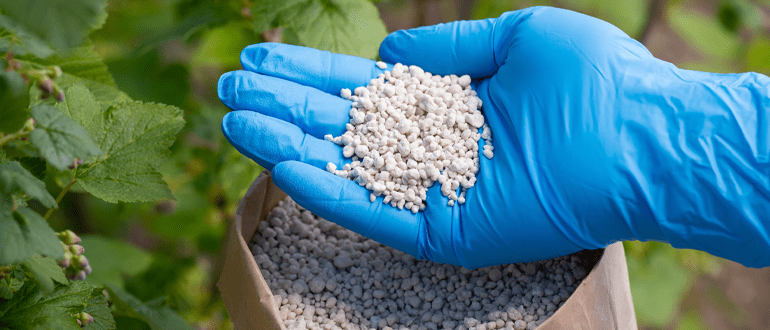
Excessive Fertilizer Use
Too much fertilizer may damage both plants and soil health.
Ignoring Soil Quality
Healthy soil should always be the priority.
Relying on Chemicals
Chemical dependence often creates long-term problems.
Planting Unsuitable Species
Plants poorly adapted to local conditions require more maintenance and resources.
Thoughtful plant selection improves sustainability.
Case Study: Creating a Sustainable Backyard Garden
Sarah wanted to transform her backyard into a more environmentally friendly space. Initially, the garden required heavy watering, regular pesticide applications, and significant maintenance.
She began by replacing part of her lawn with raised vegetable beds and native flowering plants. Compost bins allowed her to recycle kitchen scraps, while mulching helped conserve water. Instead of chemical pesticides, she encouraged beneficial insects by planting pollinator-friendly flowers.
Within two years, Sarah’s water consumption decreased significantly, soil health improved, and biodiversity increased. Birds, bees, butterflies, and beneficial insects became common visitors. Vegetable harvests improved while maintenance costs declined.
Her experience demonstrates how sustainable gardening practices can create healthier ecosystems while remaining practical and productive.
Advanced Sustainable Gardening Techniques
Experienced gardeners often adopt advanced methods that further enhance sustainability.
Permaculture
Permaculture focuses on designing self-sustaining systems that mimic natural ecosystems.
Common elements include:
- Food forests
- Rainwater harvesting
- Composting systems
Vermicomposting
Worm composting produces highly nutritious worm castings.
Benefits include:
- Faster decomposition
- Rich soil amendments
- Reduced waste
Biochar
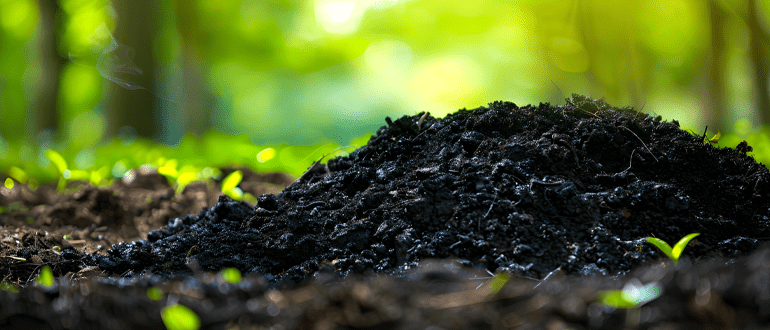
Biochar is a carbon-rich material produced by heating organic biomass, such as wood, crop residues, manure, or agricultural waste, in a low-oxygen environment through a process known as pyrolysis. Unlike ordinary charcoal, which is often used as fuel, biochar is specifically designed for environmental and agricultural applications. It has gained significant attention as a sustainable soil amendment because of its ability to improve soil health, enhance crop productivity, and contribute to climate change mitigation. By combining agricultural benefits with long-term carbon storage, biochar offers a unique solution to some of the most pressing environmental challenges facing modern agriculture.

One of the primary benefits of biochar is its ability to improve soil fertility. Biochar has a highly porous structure containing millions of tiny pores and channels. These microscopic spaces provide habitats for beneficial soil microorganisms, including bacteria and fungi that play critical roles in nutrient cycling. Healthy microbial communities help decompose organic matter, release nutrients, and support plant growth. By creating favorable conditions for these organisms, biochar promotes a more active and productive soil ecosystem.
Biochar also increases the soil’s capacity to retain nutrients. Many soils lose valuable nutrients through leaching, especially during heavy rainfall or irrigation. Nutrients such as nitrogen, phosphorus, potassium, calcium, and magnesium can be washed away before plants have an opportunity to absorb them. The large surface area and chemical properties of biochar allow it to capture and hold these nutrients within its porous structure. As a result, nutrients remain available in the root zone for longer periods, improving nutrient-use efficiency and reducing fertilizer losses.
Another important advantage of biochar is its ability to enhance water retention. Water availability is one of the most critical factors affecting crop growth and productivity. In sandy soils, water often drains rapidly through large pore spaces, leaving plants vulnerable to drought stress. Biochar acts like a sponge, absorbing and storing water within its pore network. This stored moisture can then be gradually released to plant roots when needed. Improved water retention helps crops withstand dry conditions, reduces irrigation requirements, and supports plant growth during periods of limited rainfall.
In clay soils, biochar offers different but equally valuable benefits. Clay soils often become compacted and poorly drained, restricting root development and oxygen availability. When incorporated into clay-rich soils, biochar improves soil structure by creating additional pore spaces and increasing aeration. Better air movement and drainage help reduce waterlogging and encourage healthier root growth. Consequently, biochar can improve both sandy and clay soils, making it a versatile soil amendment suitable for a wide range of agricultural and gardening applications.
Biochar contributes significantly to improving soil structure and aggregation. Soil aggregates are clusters of particles that create a stable and balanced growing environment. Strong aggregates improve water infiltration, prevent crusting, and promote root penetration. The interaction between biochar, organic matter, microorganisms, and mineral particles helps form these stable aggregates. Over time, soils treated with biochar often become easier to cultivate and more resistant to erosion.
The ability of biochar to support beneficial microorganisms is another reason for its growing popularity. Many of the pores within biochar particles provide protected habitats where microorganisms can live and reproduce. These microorganisms contribute to nutrient cycling, organic matter decomposition, and disease suppression. Some studies suggest that biochar may enhance the symbiotic relationships between plant roots and mycorrhizal fungi, which improve nutrient and water uptake. A healthier microbial community often translates into stronger and more resilient plants.
Biochar is particularly valuable from an environmental perspective because it serves as a long-term carbon storage mechanism. Plants naturally absorb carbon dioxide from the atmosphere through photosynthesis and store it within their tissues. When plant materials decompose or are burned, much of this carbon is released back into the atmosphere as carbon dioxide. However, converting biomass into biochar transforms a portion of that carbon into a highly stable form that can remain in the soil for hundreds or even thousands of years. This process effectively removes carbon from the atmosphere and stores it underground, reducing greenhouse gas concentrations and helping mitigate climate change.
In addition to storing carbon, biochar may help reduce greenhouse gas emissions from agricultural soils. Conventional agricultural soils can release nitrous oxide and methane, both of which are potent greenhouse gases. Biochar can alter soil conditions in ways that reduce these emissions. Improved aeration, enhanced microbial activity, and better nutrient retention contribute to more efficient nutrient cycling and lower greenhouse gas production. As a result, biochar supports climate-smart agricultural practices that aim to increase productivity while minimizing environmental impacts.
Biochar production also offers a productive use for agricultural and forestry residues that might otherwise be discarded or burned. Crop residues, sawdust, wood chips, and other biomass materials can be converted into biochar rather than contributing to waste streams. This approach supports circular economy principles by transforming waste products into valuable soil amendments. Farmers and land managers can potentially reduce waste disposal costs while improving soil quality and environmental sustainability.
The benefits of biochar often become even more pronounced when it is used in combination with compost or other organic amendments. Compost provides readily available nutrients and organic matter, while biochar contributes long-term structural and environmental benefits. Together, they create a synergistic effect that enhances nutrient availability, microbial activity, moisture retention, and soil health. Many agricultural experts recommend integrating biochar with compost before application to maximize its effectiveness.
Research continues to explore new applications and benefits of biochar across different soil types, climates, and cropping systems. While results can vary depending on production methods and local conditions, numerous studies demonstrate positive effects on soil fertility, crop yields, water management, and environmental performance. As global agriculture seeks sustainable methods to increase food production while addressing climate change, biochar is increasingly recognized as a valuable tool.
In conclusion, biochar is much more than a soil additive. It is a multifunctional material that improves soil fertility, enhances water retention, promotes beneficial microbial activity, strengthens soil structure, reduces nutrient losses, and provides long-term carbon sequestration. Its ability to support agricultural productivity while simultaneously addressing environmental concerns makes it one of the most promising innovations in sustainable land management. By incorporating biochar into farming and gardening practices, communities can improve soil health, increase resilience to climate challenges, and contribute to a more sustainable future
No-Dig Gardening
This method minimizes soil disturbance and preserves beneficial soil organisms.
Many sustainable gardeners report healthier soil using no-dig techniques.
The Future of Sustainable Gardening
As environmental challenges continue to evolve, sustainable gardening will play an increasingly important role in food production and conservation.
Future trends may include:
- Water-saving technologies
- Smart irrigation systems
- Urban food production
- Regenerative gardening methods
- Increased pollinator-focused landscapes
These innovations build upon traditional sustainability principles while addressing modern environmental concerns.
Conclusion
Sustainable gardening is more than a set of techniques—it is a philosophy that promotes harmony between people and nature. By focusing on soil health, water conservation, biodiversity, organic practices, and responsible resource management, gardeners can create productive landscapes that benefit both the environment and future generations.
The beauty of sustainable gardening lies in its accessibility. Whether managing a large backyard, a community garden, a raised bed, or a few containers on a balcony, every gardener can adopt practices that reduce waste, conserve resources, and support ecological balance. Small changes, such as composting kitchen scraps, planting native flowers, collecting rainwater, or reducing chemical use, can produce meaningful environmental benefits over time.
Healthy gardens are not created through constant intervention but through thoughtful stewardship. Sustainable gardens become more resilient as soil improves, biodiversity increases, and natural systems begin working together. Pollinators thrive, beneficial insects multiply, and plants develop greater resistance to stress and disease.
As more people embrace sustainable gardening, gardens become powerful tools for positive change. They provide fresh food, improve mental well-being, support wildlife, and contribute to environmental conservation. By practicing sustainable gardening today, individuals help create greener communities and a healthier planet for generations to come.

Leave A Comment