Soil & Fertilizers: The Foundation of a Healthy and Productive Garden. Soil is far more than a place where plants anchor their roots; it is a living ecosystem that supplies nutrients, stores water, supports beneficial organisms, and provides the foundation for plant growth. Without healthy soil, even the most carefully selected plants may struggle to survive.Many beginner gardeners focus heavily on watering schedules, sunlight requirements, or pest control while overlooking soil quality. However, experienced gardeners understand that strong soil often solves multiple gardening problems before they even appear. Healthy soil improves root development, increases resistance to disease, helps plants tolerate environmental stresses, and supports consistent growth throughout the growing season. Simply put, the condition of your soil directly determines the health of your garden.Fertilizers play an equally important role in successful gardening. As plants grow, they absorb nutrients from the soil, gradually reducing the available supply. Without replenishment, soil fertility declines and plant performance suffers. Fertilizers provide essential nutrients that support flowering, fruit production, root development, and overall plant vigor. Whether using organic compost, natural amendments, or carefully applied commercial fertilizers, understanding how nutrients work is fundamental to long-term garden success.In recent years, interest in sustainable gardening has increased dramatically. More people are growing their own vegetables, herbs, and fruits while seeking environmentally responsible gardening practices. This shift has highlighted the importance of soil health and balanced fertilization. Gardeners are increasingly embracing composting, cover crops, worm farming, and organic fertilizers as alternatives to excessive chemical inputs. These approaches not only improve plant growth but also promote biodiversity, conserve resources, and protect the environment.Understanding soil and fertilizers empowers gardeners to make informed decisions that benefit both their plants and the ecosystem. Instead of reacting to problems as they arise, gardeners can proactively create conditions that encourage healthy growth naturally. By learning how soil functions and how nutrients support plant development, even beginners can dramatically improve their gardening results.Whether you are managing a large vegetable plot, a raised bed garden, container plants, or indoor houseplants, soil quality and nutrient management remain at the heart of success. This guide explores the essential principles of soil health, fertilizer selection, nutrient management, and sustainable gardening practices that can help transform any garden into a productive and flourishing space.
Understanding Soil: More Than Just Dirt
Many people think of soil as simply dirt, but healthy soil is actually a complex living system. It contains minerals, organic matter, water, air, microorganisms, insects, fungi, and countless other life forms that work together to support plant growth.A single handful of healthy soil may contain billions of beneficial microorganisms. These tiny organisms help break down organic matter, release nutrients, improve soil structure, and protect plants from harmful pathogens. Without these living components, soil would be far less capable of supporting healthy plant growth. Soil & Fertilizers: The Foundation of a Healthy and Productive GardenHealthy soil performs several critical functions:
Supplies nutrients to plants
Stores and distributes water
Supports root development
Provides oxygen to plant roots
Hosts beneficial microorganisms
Regulates temperature around roots
Prevents erosion and nutrient loss
When gardeners understand that soil is a living ecosystem rather than an inert substance, they begin to appreciate the importance of maintaining and improving soil health over time.
The Main Components of Soil
Soil consists of several key components that together determine its quality and suitability for plant growth.
Mineral Particles
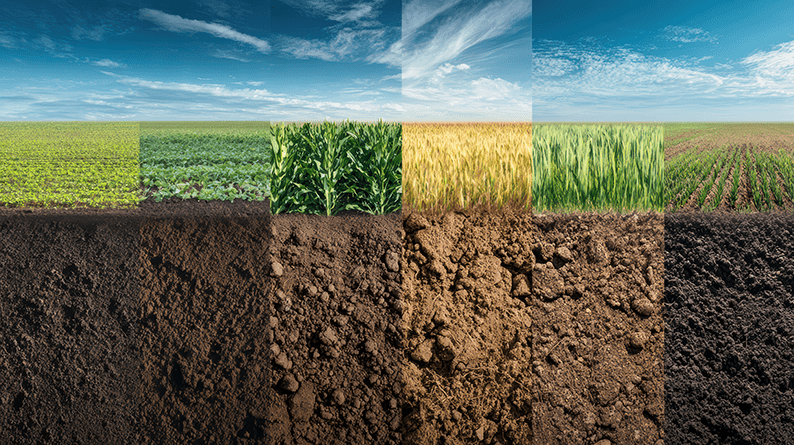
Mineral particles form the structural foundation of soil. These particles are categorized into three primary types:
Sand
Sand particles are large and coarse. Sandy soils drain quickly and allow excellent airflow around roots. However, they often struggle to retain moisture and nutrients.Advantages include:
Excellent drainage
Easy root penetration
Quick warming in spring
Challenges include:
Rapid drying
Nutrient leaching
Frequent watering requirements
Silt
Silt particles are smaller than sand but larger than clay. Silt soils retain water and nutrients more effectively while remaining relatively easy to cultivate.Benefits include:
Good moisture retention
Moderate fertility
Smooth texture
Clay
Clay particles are extremely small and tightly packed. Clay soils hold nutrients exceptionally well but may suffer from poor drainage and compaction.Advantages include:
High nutrient retention
Excellent moisture storage
Challenges include:
Waterlogging
Poor aeration
Difficult cultivation
Why Loam Is Considered Ideal
Most gardeners strive for loamy soil because it combines the benefits of sand, silt, and clay.Loam provides:
Good drainage
Strong nutrient retention
Healthy root development
Adequate airflow
Balanced moisture levels
Because of these characteristics, loam supports a wide variety of garden plants and is considered the ideal growing medium for most gardens.
The Importance of Organic Matter
Organic matter is one of the most valuable components of healthy soil.Sources of organic matter include:
Compost
Leaf litter
Grass clippings
Aged manure
Cover crops
Plant residues
As organic materials decompose, they release nutrients and improve soil structure.Benefits include:
Improved Water Retention
Organic matter acts like a sponge, helping soil retain moisture during dry periods.
Better Drainage
In heavy clay soils, organic matter reduces compaction and improves water movement.
Increased Nutrient Availability
Decomposing organic materials provide a steady supply of nutrients.
Enhanced Microbial Activity
Beneficial microorganisms thrive in soils rich in organic matter.This living network contributes significantly to plant health and productivity.
Understanding Soil pH
Soil pH measures acidity or alkalinity on a scale from 0 to 14.
Below 7 = Acidic
7 = Neutral
Above 7 = Alkaline
Most garden plants prefer soil with a pH between 6.0 and 7.0.
Why pH Matters
Even when soil contains sufficient nutrients, plants may struggle if the pH is not suitable.Improper pH can:
Restrict nutrient absorption
Reduce microbial activity
Slow plant growth
Cause nutrient deficiencies
For example:
Blueberries prefer acidic soil.
Many vegetables thrive in slightly acidic to neutral soil.
Some ornamental plants tolerate alkaline conditions.
Regular soil testing helps gardeners identify pH issues before they affect plant health.
Soil Testing: The Smart Gardener’s Tool
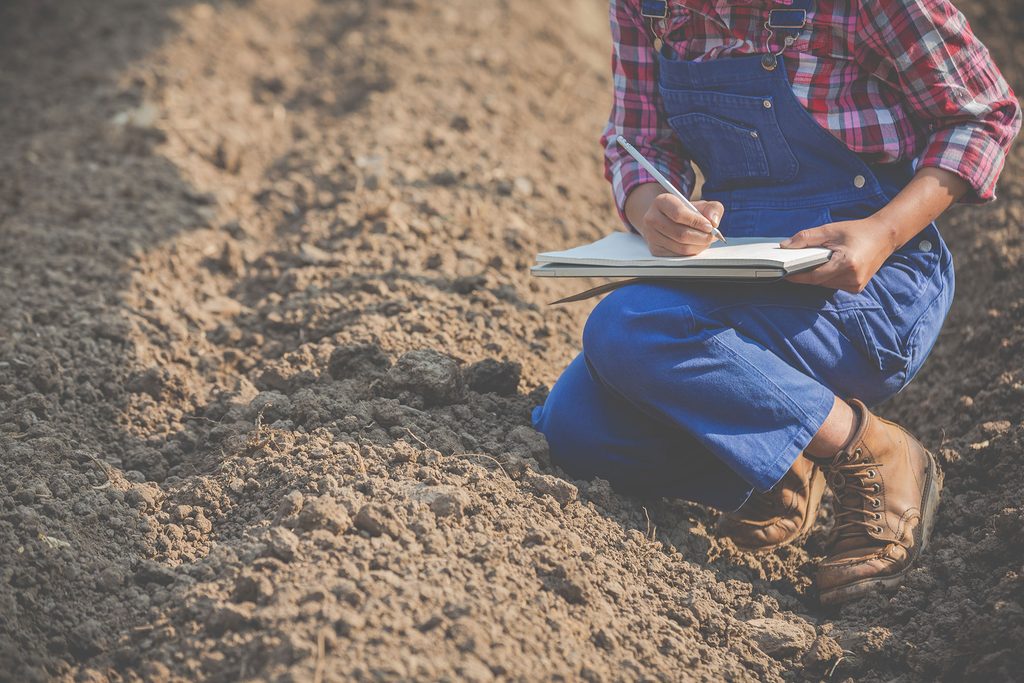
Testing soil provides valuable information about nutrient levels, pH, and overall fertility.A soil test can reveal:
Nitrogen levels
Phosphorus levels
Potassium levels
pH balance
Organic matter content
Rather than guessing which fertilizers to apply, gardeners can make informed decisions based on actual soil conditions.Benefits of soil testing include:
Reduced fertilizer waste
Lower gardening costs
Healthier plants
Improved environmental protection
Professional soil tests are often inexpensive and provide highly valuable information.
What Are Fertilizers?
Fertilizers are substances that provide nutrients necessary for plant growth.Plants require nutrients because they continuously use them for:
Leaf formation
Root development
Flower production
Fruit development
Disease resistance
Over time, natural nutrient supplies become depleted, especially in intensively cultivated gardens.Fertilizers replenish these nutrients and help maintain soil fertility.
Understanding the Primary Plant Nutrients
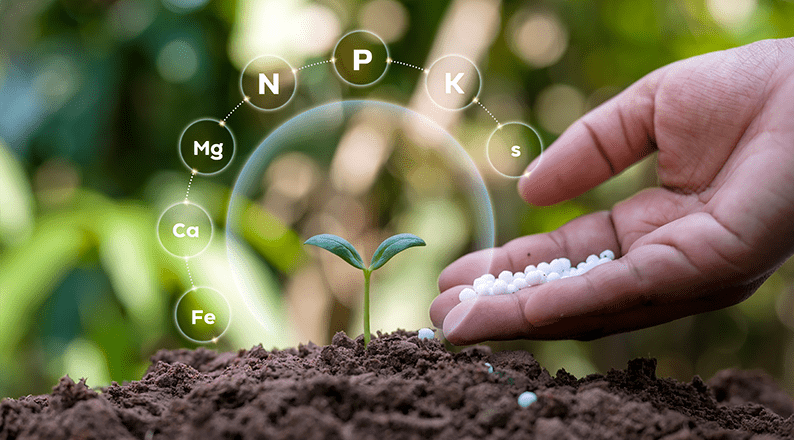
The three primary nutrients in fertilizers are commonly represented as N-P-K.
Nitrogen (N)
Nitrogen promotes leafy growth and green foliage.Functions include:
Chlorophyll production
Vegetative growth
Protein synthesis
Signs of nitrogen deficiency:
Yellowing leaves
Slow growth
Pale appearance
Leafy vegetables such as lettuce and spinach require significant amounts of nitrogen.
Phosphorus (P)
Phosphorus supports:
Root development
Flower formation
Seed production
Fruit development
Signs of phosphorus deficiency include:
Weak roots
Poor flowering
Slow maturity
Young plants particularly benefit from adequate phosphorus during establishment.
Balanced potassium levels help plants withstand environmental challenges.
Secondary Nutrients and Micronutrients
Plants also require additional nutrients in smaller quantities.
Secondary Nutrients
These include:
Calcium
Magnesium
Sulfur
Each plays an essential role in plant development.
Calcium
Supports cell wall strength and healthy growth.
Magnesium
Critical for chlorophyll production.
Sulfur
Contributes to protein formation and enzyme activity.
Micronutrients
Micronutrients are needed in small amounts but remain vital.Examples include:
Iron
Zinc
Copper
Boron
Manganese
Molybdenum
Deficiencies in these nutrients can significantly impact plant performance despite their relatively small requirements.
Organic Fertilizers
Organic fertilizers originate from natural sources.Popular examples include:
Compost
Bone meal
Fish emulsion
Seaweed extract
Worm castings
Poultry manure
Benefits of Organic Fertilizers
Slow Nutrient Release
Nutrients become available gradually, reducing fertilizer burn risks.
Improved Soil Health
Organic fertilizers feed both plants and beneficial soil organisms.
Environmental Sustainability
They reduce chemical runoff and support long-term soil fertility.
Enhanced Soil Structure
Repeated applications improve moisture retention and aeration.Because of these benefits, many gardeners prefer organic options for sustainable gardening.
Chemical Fertilizers
Synthetic fertilizers are manufactured products designed to deliver nutrients quickly.Advantages include:
Fast results
Precise nutrient ratios
Easy application
However, excessive use can lead to:
Nutrient imbalances
Soil degradation
Water pollution
Reduced microbial activity
Responsible application is essential to minimize environmental impact.
Compost: Nature’s Perfect Fertilizer
Compost is often called “black gold” by gardeners.Created from decomposed organic materials, compost provides a wide range of benefits.Materials suitable for composting include:
Green Materials
Vegetable scraps
Coffee grounds
Fresh grass clippings
Brown Materials
Dry leaves
Cardboard
Straw
Paper
Benefits of compost include:
Improved fertility
Better soil structure
Increased microbial activity
Water retention enhancement
Compost serves as both a soil amendment and a mild fertilizer.
How to Fertilize Properly
Applying fertilizer correctly is just as important as choosing the right type.
Follow Application Instructions
Over-fertilization can damage roots and reduce plant health.
Apply at the Right Time
Most plants benefit from fertilization during active growth periods.
Water After Application
Watering helps nutrients reach root zones and prevents fertilizer burn.
Avoid Excessive Feeding
More fertilizer does not always mean better growth.Balanced nutrition supports stronger and healthier plants.
Fertilizer Needs for Different Plants
Different plants require different nutrient balances.
Vegetables
Vegetables generally require nutrient-rich soil.Heavy feeders include:
Tomatoes
Peppers
Cabbage
Corn
These crops benefit from regular fertilization.
Flowering Plants
Flowering plants often need higher phosphorus levels to support bloom production.Examples include:
Roses
Petunias
Geraniums
Marigolds
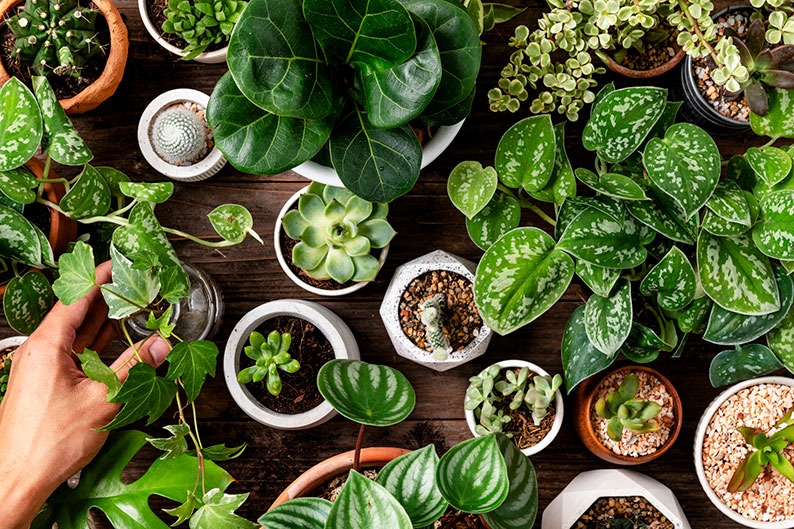
Houseplants
Indoor plants require moderate fertilization because growth tends to be slower.Over-fertilizing houseplants can result in:
Salt buildup
Root damage
Yellowing foliage
Regular but moderate feeding usually produces the best results.
Common Soil and Fertilization Mistakes
Even experienced gardeners occasionally make errors.
Over-Fertilizing
This mistake can lead to:
Leaf burn
Root damage
Weak growth
Ignoring Soil Testing
Applying nutrients blindly often creates imbalances.
Neglecting Organic Matter
Healthy soil requires more than fertilizer alone.
Poor Drainage
Compacted soil reduces oxygen availability and damages roots.
Using Fresh Manure
Uncomposted manure may burn plants and introduce pathogens.Awareness of these mistakes helps protect plant health and improve garden productivity.
Case Study: Transforming Poor Garden Soil
When David moved into his new home, he was excited to start a vegetable garden. However, his first season was disappointing. Tomato plants remained small, lettuce struggled to develop, and harvests were minimal.After conducting a soil test, David discovered that his soil lacked organic matter and contained low nutrient levels. Instead of relying exclusively on commercial fertilizers, he adopted a long-term soil improvement strategy.He added compost, mulched heavily, planted cover crops during winter, and incorporated worm castings into planting beds. Within two seasons, the soil became darker, looser, and more productive.Vegetable yields nearly doubled, irrigation needs decreased, and pest problems became less severe. David’s success demonstrates how improving soil health often produces better results than simply adding more fertilizer.
Advanced Soil Improvement Techniques
Experienced gardeners often use advanced methods to maximize soil quality.
Cover Cropping
Cover crops include:
Clover
Rye
Vetch
Benefits include:
Nitrogen fixation
Erosion prevention
Organic matter production
Vermicomposting
Using worms to process organic waste creates nutrient-rich worm castings.
No-Dig Gardening
This method minimizes soil disturbance, preserving microbial life and soil structure.
Biochar
Biochar improves nutrient retention and water-holding capacity in many soil types.These advanced approaches contribute to long-term soil sustainability.
Soil and Fertilizers: The Foundation of Every Successful Garden
Successful gardeners understand that soil and fertilizers require attention throughout the year rather than only during the planting season. Each season presents different opportunities to improve soil health and optimize fertilizer use. In spring, gardeners often prepare planting areas by adding compost, organic matter, and balanced fertilizers to support new growth. This early-season focus on soil and fertilizers helps establish strong root systems and encourages vigorous plant development.During summer, monitoring soil and fertilizers becomes especially important because actively growing plants consume nutrients rapidly. High temperatures and frequent watering can also contribute to nutrient loss through leaching. Applying appropriate fertilizers and maintaining healthy soil conditions ensures that plants continue receiving the nutrients they need during peak growth periods. Mulching can further enhance soil and fertilizers management by conserving moisture and reducing nutrient depletion.In autumn, gardeners can strengthen soil and fertilizers for future growing seasons by incorporating compost, planting cover crops, and adding organic amendments. These practices replenish nutrient reserves and improve soil structure during the cooler months. Winter is an excellent time to evaluate soil test results and develop a long-term soil and fertilizers plan that will support future planting goals.
Common Mistakes in Soil and Fertilizers Management
Many gardening challenges can be traced back to mistakes involving soil and fertilizers. One common error is assuming that more fertilizer automatically leads to better plant growth. In reality, excessive fertilizer application can damage roots, create nutrient imbalances, and negatively affect soil health. Effective soil and fertilizers management focuses on providing the right nutrients in the correct amounts rather than applying fertilizers indiscriminately.Another mistake involves neglecting soil quality while focusing solely on fertilizers. Even the highest-quality fertilizers cannot compensate for compacted, poorly drained, or nutrient-depleted soil. Healthy soil and fertilizers strategies always begin with improving soil structure, organic matter content, and microbial activity. When gardeners pay equal attention to both soil and fertilizers, plants are better equipped to absorb nutrients and withstand environmental stress.Ignoring soil testing is another common issue. Soil tests provide valuable information about nutrient levels, pH balance, and potential deficiencies. Without this information, fertilizer applications may be ineffective or unnecessary. Regular testing allows gardeners to make informed decisions about soil and fertilizers, resulting in healthier plants and more efficient resource use.
The Future of Soil and Fertilizers in Sustainable Gardening
One of the most significant developments in sustainable gardening is the growing understanding of the relationship between soil health and plant productivity. Healthy soil is far more than a simple growing medium. It is a complex living ecosystem containing billions of microorganisms, including bacteria, fungi, nematodes, earthworms, and countless other organisms that contribute to nutrient cycling and plant growth. When gardeners focus on improving soil and fertilizers practices, they are essentially supporting these natural biological processes that make gardens more productive and resilient.Organic matter plays a central role in maintaining healthy soil. Materials such as compost, leaf mold, aged manure, and plant residues help improve soil structure, increase water retention, and provide a steady source of nutrients. By regularly incorporating organic matter into garden beds, gardeners can enhance soil and fertilizers effectiveness while reducing dependence on synthetic products. Organic matter also feeds beneficial microorganisms, creating a thriving underground ecosystem that supports long-term soil fertility.Composting has become one of the most valuable tools for gardeners seeking sustainable solutions. Rather than sending food scraps, leaves, and yard waste to landfills, gardeners can transform these materials into nutrient-rich compost. This process not only recycles valuable resources but also produces a powerful amendment that improves soil and fertilizers management. Compost contributes essential nutrients, improves soil structure, and helps balance moisture levels, making it one of the most environmentally friendly gardening practices available.Water conservation is another important aspect of successful soil and fertilizers management. Healthy soil with high organic matter content can retain significantly more water than degraded soil. This increased water-holding capacity reduces the need for frequent irrigation while helping plants withstand periods of drought. As climate conditions become increasingly unpredictable in many regions, building resilient soil systems becomes more important than ever. Gardeners who invest in soil health often discover that their landscapes remain greener and more productive despite challenging weather conditions.Mulching is closely connected to soil improvement efforts. Organic mulches such as straw, wood chips, shredded leaves, and grass clippings protect the soil surface from erosion, temperature fluctuations, and moisture loss. As these materials gradually decompose, they contribute organic matter and nutrients to the soil. Effective mulching practices complement soil and fertilizers strategies by creating a stable environment for root development and microbial activity. In addition, mulching helps suppress weeds, reducing competition for nutrients and water.Cover cropping has also gained popularity among gardeners and small-scale growers. Cover crops such as clover, rye, buckwheat, and vetch are planted primarily to improve soil rather than to produce food. These plants protect the soil from erosion, add organic matter, and, in some cases, fix nitrogen from the atmosphere. When incorporated back into the soil, cover crops become a natural source of fertility that strengthens soil and fertilizers programs. This regenerative approach helps gardeners restore depleted soils while reducing the need for external inputs.Another valuable practice is soil testing. Regular soil testing provides important information about nutrient levels, pH balance, and overall soil condition. By understanding the specific needs of their soil, gardeners can make informed decisions about soil and fertilizers applications. Soil tests help prevent over-fertilization, which can waste resources and contribute to environmental pollution. Instead of applying fertilizers based on guesswork, gardeners can target deficiencies accurately and efficiently.The role of beneficial soil microorganisms continues to attract attention from researchers and gardening enthusiasts alike. Mycorrhizal fungi, for example, form partnerships with plant roots and help plants absorb water and nutrients more effectively. Certain beneficial bacteria assist with nitrogen fixation and nutrient availability. By nurturing these natural partnerships through responsible soil and fertilizers management, gardeners can enhance plant health while reducing reliance on chemical products. Encouraging biological diversity below ground often leads to stronger, more disease-resistant plants above ground.Organic fertilizers provide another sustainable option for improving garden productivity. Products derived from natural sources, such as bone meal, fish emulsion, seaweed extracts, blood meal, and composted materials, release nutrients gradually over time. This slow-release approach supports steady plant growth while reducing nutrient runoff and environmental impact. When combined with healthy soil-building strategies, organic soil and fertilizers systems create balanced conditions that support long-term garden success.The concept of nutrient cycling is fundamental to sustainable gardening. In natural ecosystems, nutrients are constantly recycled through the decomposition of organic materials. Leaves fall, plants die back, and microorganisms break down this matter, returning nutrients to the soil. Gardeners can mimic these natural processes by composting plant waste, using organic amendments, and minimizing unnecessary soil disturbance. Such practices improve soil and fertilizers efficiency while promoting ecological balance.Reducing soil compaction is another critical consideration. Compacted soil restricts root growth, limits water infiltration, and reduces oxygen availability for beneficial organisms. Gardeners can prevent compaction by minimizing foot traffic in planting areas, using raised beds, and incorporating organic matter regularly. Improved soil structure enhances the effectiveness of soil and fertilizers by allowing roots to access water and nutrients more efficiently.Biodiversity also contributes significantly to soil health. Gardens that include a variety of plant species tend to support more diverse microbial communities. Different plants contribute unique organic compounds to the soil and interact with microorganisms in distinct ways. By cultivating diverse landscapes, gardeners strengthen soil and fertilizers systems while improving ecosystem resilience. Pollinators, beneficial insects, and soil organisms all benefit from increased plant diversity.Modern technology is helping gardeners better understand soil conditions and nutrient management. Moisture sensors, digital soil testing services, and advanced monitoring tools provide valuable insights into garden performance. These innovations allow gardeners to make more precise decisions regarding soil and fertilizers, reducing waste and improving efficiency. Technology, when combined with ecological principles, offers powerful opportunities for creating sustainable and productive gardens.Education remains essential to the advancement of environmentally responsible gardening practices. Community gardens, extension programs, online resources, and gardening organizations continue to share knowledge about effective soil and fertilizers management. As more gardeners learn about soil biology, nutrient cycling, and sustainable growing techniques, they become better equipped to make informed decisions that benefit both their gardens and the broader environment.The environmental benefits of responsible soil management extend far beyond individual gardens. Healthy soils help capture and store carbon, reduce erosion, improve water quality, and support biodiversity. Every effort to improve soil and fertilizers contributes to larger environmental goals, including climate resilience and resource conservation. Even small home gardens can play an important role in supporting sustainable ecosystems.Looking ahead, the future of gardening will likely place even greater emphasis on regenerative and ecological approaches. As research continues to reveal the complexity of soil ecosystems, gardeners will gain access to new methods for enhancing soil and fertilizers naturally and effectively. These advancements will help create landscapes that are productive, beautiful, and environmentally responsible.Ultimately, sustainable gardening begins beneath the surface. By prioritizing healthy soil, encouraging biological activity, using fertilizers responsibly, and embracing regenerative practices, gardeners can cultivate thriving landscapes that endure for years to come. The continued focus on soil and fertilizers represents not only an investment in healthier plants and better harvests but also a commitment to environmental stewardship. Through thoughtful management and ongoing learning, gardeners can help create a future where productive gardens and healthy ecosystems flourish together.
Gardening enthusiast from East London, South Africa. He writes about plant care, sustainable gardening, landscaping, and home gardens based on research and practical gardening experience.
To provide the best experiences, we use technologies like cookies to store and/or access device information. Consenting to these technologies will allow us to process data such as browsing behavior or unique IDs on this site. Not consenting or withdrawing consent, may adversely affect certain features and functions.
Functional
Always active
The technical storage or access is strictly necessary for the legitimate purpose of enabling the use of a specific service explicitly requested by the subscriber or user, or for the sole purpose of carrying out the transmission of a communication over an electronic communications network.
Preferences
The technical storage or access is necessary for the legitimate purpose of storing preferences that are not requested by the subscriber or user.
Statistics
The technical storage or access that is used exclusively for statistical purposes.The technical storage or access that is used exclusively for anonymous statistical purposes. Without a subpoena, voluntary compliance on the part of your Internet Service Provider, or additional records from a third party, information stored or retrieved for this purpose alone cannot usually be used to identify you.
Marketing
The technical storage or access is required to create user profiles to send advertising, or to track the user on a website or across several websites for similar marketing purposes.


Leave A Comment