
25
Aug
Introduction
Plant Care Guide: The Complete Path to Healthy, Thriving Plants. Plants bring life, beauty, and freshness into our homes, gardens, and communities. Whether you are growing vegetables in a raised bed, maintaining indoor houseplants, or creating a colorful flower garden, proper plant care is the key to achieving healthy growth and long-lasting success. While many people assume that plants simply need water and sunlight, effective plant care involves understanding the unique needs of each plant and creating an environment where it can thrive.
In today’s fast-paced world, plants have become more than decorative additions to our spaces. They improve air quality, reduce stress, enhance mental well-being, and strengthen our connection to nature. For many homeowners and gardening enthusiasts, caring for plants is both a rewarding hobby and a valuable life skill. However, without the right knowledge, even the most enthusiastic beginners can struggle with yellowing leaves, stunted growth, pests, and disease.
A successful plant care routine begins with the basics. Understanding light requirements, watering schedules, soil quality, humidity levels, and nutrient needs allows gardeners to prevent common problems before they occur. These fundamental practices help plants develop strong roots, lush foliage, and vibrant flowers while reducing the risk of stress and disease.
The good news is that plant care does not have to be complicated. By learning a few essential principles and applying them consistently, anyone can keep plants healthy and productive throughout the year. Whether you are nurturing a single potted fern or managing a flourishing home garden, this guide provides the knowledge and practical advice needed to help your plants reach their full potential.
Every thriving plant tells a story of care, patience, and attention. With the right approach, your indoor and outdoor plants can transform any space into a vibrant, living environment that offers beauty and enjoyment for years to come.
- Introduction
- Understanding Plant Care Guide
- Choosing the Right Plant
- Understanding Light Requirements
- Proper Watering Techniques
- Fertilizing Plants for Healthy Growth
- Managing Indoor Plant Care
- Outdoor Plant Care Essentials
- Pruning and Plant Maintenance
- Common Plant Pests and How to Manage Them
- Natural Pest Control Methods
- Preventing Plant Diseases
- Plant Care Guide: Seasonal Plant Care Guide
- Common Plant Care Mistakes to Avoid
- Neglecting Regular Inspections
- Case Study: Transforming a Struggling Indoor Garden
- Advanced Plant Care Techniques
- Companion Planting
- Ultimate Plant Care Guide: Your Complete Plant Care Guide to Healthy, Thriving Plants
Understanding Plant Care Guide
Plant care refers to the ongoing practices that support healthy growth and development. Every plant depends on a careful balance of sunlight, water, nutrients, air circulation, and proper maintenance.
The core elements of plant care include:
- Providing adequate sunlight
- Watering correctly
- Using quality soil
- Fertilizing when needed
- Maintaining proper humidity
- Controlling pests and diseases
- Pruning and grooming regularly
When these factors are managed effectively, plants become more resilient, productive, and visually appealing.

Choosing the Right Plant
The first step in successful plant care is selecting plants that match your environment and experience level.
Many beginners make the mistake of purchasing plants based solely on appearance without considering their specific requirements. A healthy plant is one that is suited to its surroundings.
Indoor Plants for Beginners
Some low-maintenance houseplants include:
- Snake Plant
- Pothos
- Spider Plant
- ZZ Plant
- Peace Lily
These plants adapt well to various conditions and tolerate occasional care mistakes.
Outdoor Plants for Beginners
Popular outdoor choices include:
- Marigolds
- Lavender
- Sunflowers
- Basil
- Tomatoes
These plants offer reliable growth while helping new gardeners build confidence.
Understanding Light Requirements
Light is one of the most important factors influencing plant health. Plants use sunlight to perform photosynthesis, the process through which they create energy.
Full Sun Plants
Full sun plants require six to eight hours of direct sunlight each day.
Examples include:
- Tomatoes
- Peppers
- Roses
- Sunflowers
- Lavender
Partial Shade Plants
These plants prefer three to six hours of sunlight.
Examples include:
- Hydrangeas
- Lettuce
- Spinach
- Begonias
Low-Light Plants
Low-light plants thrive with limited direct sunlight.
Examples include:
- Snake Plant
- ZZ Plant
- Ferns
- Cast Iron Plant
Understanding your plant’s light needs helps prevent leggy growth, leaf drop, and poor flowering.
Proper Watering Techniques
Watering is often the most misunderstood aspect of plant care.
Many plant problems result from overwatering rather than underwatering.
Signs of Underwatering
Symptoms include:
- Dry soil
- Wilting leaves
- Brown leaf edges
- Stunted growth
Signs of Overwatering
Common signs include:
- Yellow leaves
- Mushy stems
- Root rot
- Persistent wet soil
Best Watering Practices
To maintain healthy plants:
- Water deeply rather than frequently.
- Allow the soil surface to dry when appropriate.
- Use pots with drainage holes.
- Water early in the morning when possible.
Consistent watering habits help plants establish strong root systems and better withstand environmental stress.
Choosing the Right Soil
Healthy soil provides the nutrients, air, and moisture plants need to grow.
Different plants thrive in different soil types, making soil selection a crucial part of plant care.
Essential Soil Characteristics
Good soil should provide:
- Proper drainage
- Nutrient availability
- Aeration
- Moisture retention
Improving Soil Naturally
Organic amendments include:
- Compost
- Worm castings
- Leaf mold
- Aged manure
- Coconut coir
These materials enhance soil fertility while supporting beneficial microorganisms.
Fertilizing Plants for Healthy Growth
Plants consume nutrients as they grow, making fertilization an important component of plant care.
The primary nutrients are:
Nitrogen (N)
Promotes leafy growth and vibrant green foliage.
Phosphorus (P)
Supports root development and flowering.
Potassium (K)
Improves overall plant health and disease resistance.
Organic Fertilizer Options
Natural fertilizers include:
- Compost tea
- Seaweed extract
- Bone meal
- Fish emulsion
- Organic granular fertilizers
Organic nutrients release slowly, reducing the risk of overfeeding.
Managing Indoor Plant Care
Indoor plants require special attention because they grow in controlled environments.
Maintaining Humidity
Many indoor plants originate from tropical regions and prefer higher humidity levels.
Ways to increase humidity include:
- Grouping plants together
- Using pebble trays
- Running a humidifier
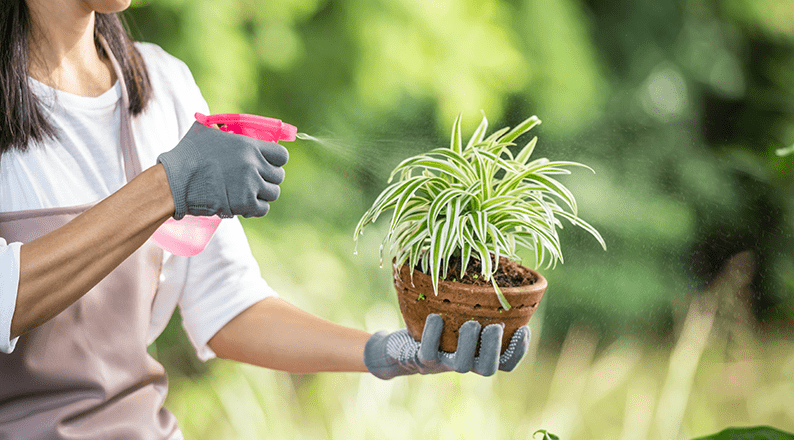
- Occasional misting
Cleaning Leaves
Dust accumulation reduces a plant’s ability to absorb light.
Regularly wipe leaves with a damp cloth to keep them clean and healthy.
Rotating Plants
Turning indoor plants every few weeks promotes even growth and prevents leaning toward light sources.
Outdoor Plant Care Essentials
Outdoor plants face changing weather conditions and environmental challenges.
Mulching
Mulch provides numerous benefits:
- Conserves moisture
- Suppresses weeds
- Protects roots
- Improves soil health
Popular mulch materials include:
- Straw
- Wood chips
- Shredded leaves
- Compost
Temperature Protection
Extreme heat and cold can stress plants.
Protect plants by using:
- Shade cloths during heat waves
- Mulch during winter
- Frost blankets when temperatures drop
These measures improve plant survival and reduce weather-related damage.

Pruning and Plant Maintenance
Pruning helps plants remain healthy, attractive, and productive.
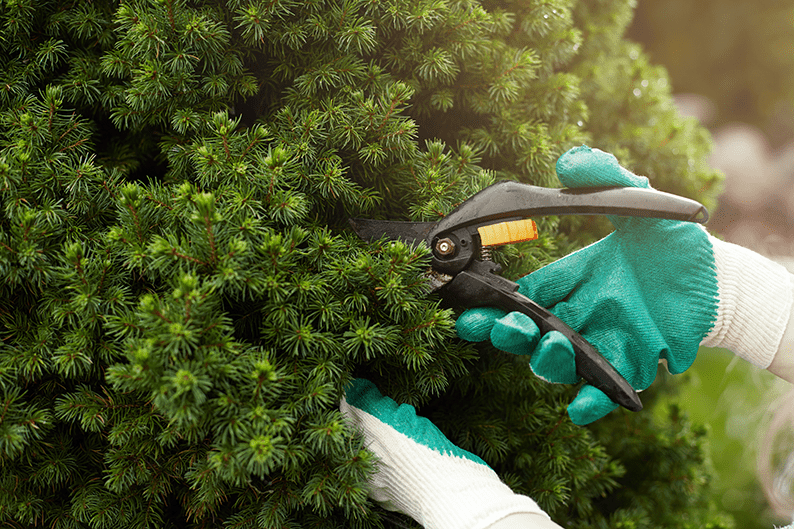
Plant Care Guide: Benefits of Pruning
Regular pruning:
- Removes dead growth
- Encourages flowering
- Improves airflow
- Shapes plants
- Reduces disease risk
When to Prune
The ideal pruning time depends on plant type.
Generally:
- Spring-flowering plants are pruned after blooming.
- Many shrubs benefit from late winter pruning.
- Houseplants can be trimmed throughout the growing season.
Always use clean, sharp tools to prevent damage.
Common Plant Pests and How to Manage Them
Even healthy plants occasionally face pest problems.
Common pests include:
Aphids
Small insects that feed on plant sap.
Spider Mites
Tiny pests that create fine webbing on leaves.
Whiteflies
Flying insects that weaken plants by feeding on foliage.
Mealybugs
Cotton-like pests found on stems and leaf joints.
Natural Pest Control Methods
Eco-friendly solutions include:
- Neem oil
- Insecticidal soap
- Hand removal
- Beneficial insects
- Improved air circulation
Early detection is the best defense against serious infestations.
Preventing Plant Diseases
Plant diseases often develop when environmental conditions become unfavorable.
Common Causes
Disease is commonly associated with:
- Excess moisture
- Poor airflow
- Overcrowding
- Contaminated tools
- Weak plant health
Prevention Strategies
Reduce disease risk by:
- Watering at soil level
- Pruning overcrowded growth
- Sanitizing gardening tools
- Removing infected leaves
- Maintaining healthy soil
Strong plants naturally resist many common diseases.
Plant Care Guide: Seasonal Plant Care Guide
Different seasons require different care strategies.
Spring
Spring care focuses on:
- New planting
- Soil preparation
- Fertilizing
- Pruning winter damage
This season establishes growth for the year ahead.
Summer
Summer priorities include:
- Deep watering
- Mulching
- Pest monitoring
- Heat protection
Consistent care ensures maximum productivity.
Autumn
Autumn tasks include:
- Cleaning garden beds
- Planting cool-season crops
- Composting leaves
- Reducing fertilizer use
This season prepares plants for winter.
Winter
Winter care often involves:
- Protecting sensitive plants
- Monitoring indoor humidity
- Watering less frequently
- Planning future gardens
Even during dormancy, plants require attention and protection.
Common Plant Care Mistakes to Avoid
Many plant problems are caused by simple mistakes.
Plant Care Guide: Overwatering
Too much water remains the most common cause of plant failure.
Ignoring Light Needs
Plants placed in unsuitable light conditions often struggle.
Using Poor Soil
Low-quality soil limits growth and nutrient availability.
Excessive Fertilizing
Too much fertilizer may burn roots and damage foliage.
Neglecting Regular Inspections
Small issues become major problems when left unnoticed.
Routine observation helps identify concerns before they affect plant health.
Case Study: Transforming a Struggling Indoor Garden
Emma loved indoor plants but frequently found herself replacing plants that failed within a few months. Despite watering regularly, her peace lilies and pothos showed yellow leaves and poor growth.
After researching plant care fundamentals, she discovered she was overwatering and placing plants in inadequate lighting conditions. She adjusted her routine by checking soil moisture before watering and moving plants closer to bright windows.
She also began using quality potting mix and applying organic fertilizer during the growing season. Within several months, her plants developed stronger foliage, healthier roots, and improved overall appearance.
Encouraged by her success, Emma expanded her collection and created a thriving indoor garden. Her journey highlights how understanding basic plant care principles can dramatically improve plant health and gardening confidence.
Advanced Plant Care Techniques
Once comfortable with basic maintenance, gardeners can explore more advanced practices.
Companion Planting
Certain plants benefit one another when grown together.
Examples include:
- Basil and tomatoes
- Marigolds and vegetables
- Nasturtiums and cucumbers
Composting
Composting creates nutrient-rich organic matter that improves soil structure and fertility.
Rainwater Harvesting
Collecting rainwater reduces water bills while providing plants with naturally soft water.
Plant Propagation
Many plants can be multiplied through:
- Stem cuttings
- Division
- Layering
- Seed collection
Propagation expands gardens while reducing costs.
Ultimate Plant Care Guide: Your Complete Plant Care Guide to Healthy, Thriving Plants
A successful plant care routine is built on understanding, observation, and consistency. By providing proper light, water, soil, nutrients, and ongoing maintenance, gardeners can create conditions where plants thrive naturally. Whether caring for houseplants, flowers, herbs, fruit trees, or vegetables, the same core principles apply: healthy roots, balanced nutrition, adequate moisture, sufficient sunlight, and regular monitoring form the foundation of strong and sustainable growth.
Plant care is not simply about keeping plants alive. It is about creating an environment where they can flourish and reach their full potential. Every healthy leaf, vibrant flower, and abundant harvest reflects the time, attention, and dedication invested in supporting plant health. While many aspects of gardening may appear challenging at first, the journey becomes rewarding as experience grows and confidence develops.
One of the greatest lessons learned through plant care is patience. Plants grow according to natural cycles and seasonal rhythms that cannot be rushed. Some plants produce rapid growth within weeks, while others may take months or even years to mature. Understanding this process helps gardeners develop realistic expectations and appreciate the gradual progress that occurs over time. Each new leaf, flower bud, and root system represents a small but meaningful achievement. Plant Care Guide
Another important aspect of plant care is observation. Healthy plants often communicate their needs through visible signs. Changes in leaf color, growth habits, flowering patterns, and soil moisture can provide valuable clues about a plant’s condition. Gardeners who regularly inspect their plants are more likely to identify problems early and take corrective action before serious damage occurs. This proactive approach prevents many common issues related to watering, nutrient deficiencies, pests, and disease.
Modern plant care also provides an opportunity to reconnect with nature in an increasingly technology-driven world. Spending time among plants encourages mindfulness and promotes a greater awareness of seasonal changes, weather patterns, and natural growth cycles. Many people discover that gardening offers a peaceful escape from daily stress while creating a sense of accomplishment and purpose. Whether tending a single potted plant on a windowsill or maintaining a large backyard garden, plant care can become a rewarding and therapeutic activity.
Beyond personal enjoyment, plant care contributes to healthier living environments. Indoor plants help bring natural beauty into homes, offices, and apartments while creating welcoming spaces that feel calmer and more inviting. Outdoor gardens provide habitat for pollinators, improve biodiversity, and enhance the visual appeal of landscapes. Vegetable gardens and herb gardens further extend the benefits of plant care by providing fresh, homegrown produce that supports healthy eating habits.
As environmental awareness continues to grow, plant care also plays an important role in promoting sustainability. Practices such as composting, water conservation, organic fertilization, mulching, and native plant gardening help reduce environmental impact while supporting long-term plant health. Sustainable plant care methods work with natural systems rather than against them, creating gardens that remain productive and resilient year after year.
Learning about plant care is a lifelong process. Even experienced gardeners continue to discover new techniques, encounter unfamiliar challenges, and expand their understanding of plants and ecosystems. Every plant species has unique characteristics that offer opportunities for learning and growth. Success often comes through experimentation, observation, and adapting care practices to meet changing conditions.
It is also important to remember that mistakes are a normal part of the plant care journey. Many successful gardeners have experienced plant loss, pest outbreaks, nutrient deficiencies, and other setbacks. These experiences provide valuable lessons that improve future gardening decisions. Rather than becoming discouraged by challenges, gardeners can use them as opportunities to strengthen their knowledge and develop more effective plant care strategies.
Consistency remains one of the most powerful tools in successful plant care. Regular watering, routine inspections, seasonal maintenance, and proper soil management create a stable environment where plants can thrive. Small actions performed consistently often produce better results than occasional intensive efforts. By developing healthy gardening habits, plant owners increase the likelihood of long-term success.
As gardens develop and mature, the rewards of proper plant care become increasingly visible. Lush foliage, colorful flowers, thriving vegetables, and healthy root systems all serve as evidence of attentive care and thoughtful management. These outcomes not only enhance the appearance of indoor and outdoor spaces but also provide a sense of pride and satisfaction that is difficult to achieve through many other hobbies.
The beauty of plant care lies in its accessibility. Anyone can learn the skills necessary to grow healthy plants regardless of age, experience level, or available space. From apartment dwellers growing herbs on a balcony to homeowners cultivating extensive gardens, plant care offers opportunities for creativity, learning, and personal growth. Simple changes such as improving soil quality, adjusting watering habits, or selecting appropriate plants for local conditions can produce remarkable results.
Ultimately, plant care is about nurturing life. It is the ongoing process of understanding plant needs, responding to challenges, and creating supportive conditions for growth. Every thriving plant serves as a reminder that consistent attention and care can transform small beginnings into something vibrant and beautiful.
As your gardening knowledge continues to expand, so will your ability to create healthy, flourishing environments filled with thriving plants. The skills developed through plant care extend beyond the garden, teaching valuable lessons about patience, responsibility, persistence, and appreciation for the natural world. With dedication, curiosity, and a willingness to learn, anyone can master the principles of plant care and enjoy the countless rewards that come from helping plants grow and thrive.
Every healthy garden starts with a single seed, cutting, or plant. Every successful gardener starts with a desire to learn. And every thriving plant begins with thoughtful, consistent, and informed plant care. By applying the principles outlined throughout this guide, you can build a greener, healthier, and more beautiful environment that provides enjoyment, inspiration, and lasting satisfaction for years to come.

Leave A Comment