
25
Aug
Introduction
Plants are among the most fascinating living organisms on Earth. They provide food, oxygen, shelter, medicine, and beauty, forming the foundation of nearly every ecosystem. Whether growing in dense forests, wild meadows, backyard gardens, or indoor pots, plants follow a remarkable process of growth and development that allows them to thrive in diverse environments. Understanding how plants grow is one of the most important lessons for gardeners, students, farmers, and nature enthusiasts because it reveals the essential factors that support healthy plant life.
Many people see a seed transform into a flowering plant and think the process is simple. In reality, plant growth involves a complex interaction of sunlight, water, nutrients, air, temperature, and genetics. Every leaf, root, flower, and fruit develops through carefully coordinated biological processes. When any of these elements are missing, growth can slow, become unhealthy, or stop entirely.
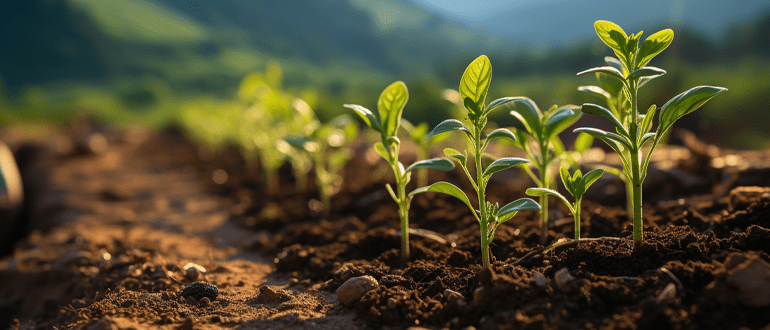
The journey of plant growth begins with a tiny seed containing all the genetic information needed to produce a mature plant. Under the right conditions, that seed germinates, sending roots into the soil and shoots toward the light. As the plant develops, it begins producing its own food through photosynthesis, builds stronger stems, expands its root system, and eventually reproduces through flowers, fruits, and seeds.
Understanding plant growth helps gardeners make better decisions about watering, fertilizing, sunlight exposure, and pest management. It also explains why certain plants thrive in some environments while struggling in others. When gardeners understand the science behind plant growth, they can create ideal conditions that encourage stronger roots, healthier foliage, better flowering, and greater harvests.
Modern gardening emphasizes working with natural growth processes rather than against them. Healthy soil, proper watering techniques, balanced fertilization, and adequate sunlight all contribute to a plant’s ability to reach its full potential. Whether growing vegetables, flowers, herbs, fruit trees, or houseplants, the same basic principles of growth apply.
The process of plant growth is more than just a biological phenomenon—it is a demonstration of nature’s resilience and efficiency. From a tiny seed to a mature, productive plant, each stage of development plays a critical role in the life cycle. By understanding these stages, gardeners gain the knowledge needed to nurture healthy plants and create thriving, sustainable gardens.
- Introduction
- What Is Plant Growth?
- The Plant Life Cycle
- The Seed: Where Growth Begins
- Germination: The First Stage of Growth
- Photosynthesis: How Plants Make Food
- The Role of Sunlight in Plant Growth
- The Importance of Water
- How Roots Support Plant Growth
- The Role of Soil in Plant Growth
- Essential Nutrients for Growth
- Vegetative Growth Stage
- Pollination and Reproduction
- Fruit Development
- Seed Production
- Factors That Affect Plant Growth
- Plant Growth in Different Environments
- Common Growth Problems
- How Gardeners Can Encourage Healthy Growth
- Case Study: From Seed to Harvest – David’s Journey to Understanding How Plants Grow and Growing Successful Tomatoes
- Planning and Preparation
- Soil Preparation
- Seed Planting and Germination: The First Stage of Growth
- Seedling Development
- Transition to Vegetative Growth
- Nutrient Management
- Flowering Stage
- Pollination and Fruit Formation
- Fruit Development and Ripening
- Challenges During the Growing Season
- Harvesting the Crop
- Lessons Learned
- Conclusion
What Is Plant Growth?
Plant growth refers to the process through which a plant increases in size, develops structures, and progresses through its life cycle. Growth occurs when cells divide, expand, and specialize into different parts of the plant.
Plant growth involves the development of:
- Roots
- Stems
- Leaves
- Flowers
- Fruits
- Seeds
These structures work together to ensure the survival and reproduction of the plant.
Unlike animals, plants continue growing throughout much of their lives. Many species can produce new leaves, branches, roots, and flowers year after year, making them remarkably adaptable organisms.
The Plant Life Cycle
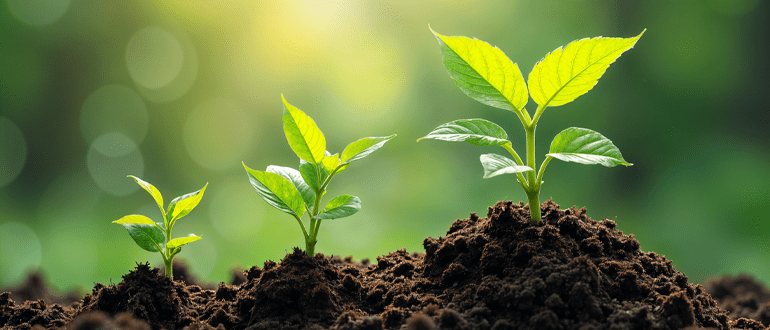
Every plant follows a life cycle consisting of several important stages.
These stages include:
- Seed Formation
- Germination
- Seedling Development
- Vegetative Growth
- Flowering
- Pollination
- Fruit and Seed Production
Each stage serves a specific purpose in the plant’s development and survival.
The Seed: Where Growth Begins
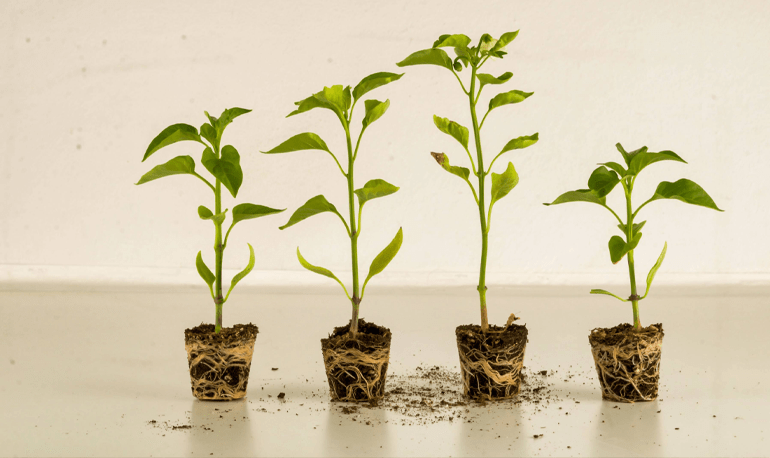
The journey of every plant starts with a seed.
A seed contains:
- A tiny embryo
- Stored food reserves
- A protective outer coating
This compact structure contains everything necessary to begin life when conditions become favorable.
Seeds can remain dormant for weeks, months, or even years until they encounter the right environment for germination.
The seed acts as a survival mechanism that allows plants to spread and reproduce across different habitats.
Germination: The First Stage of Growth
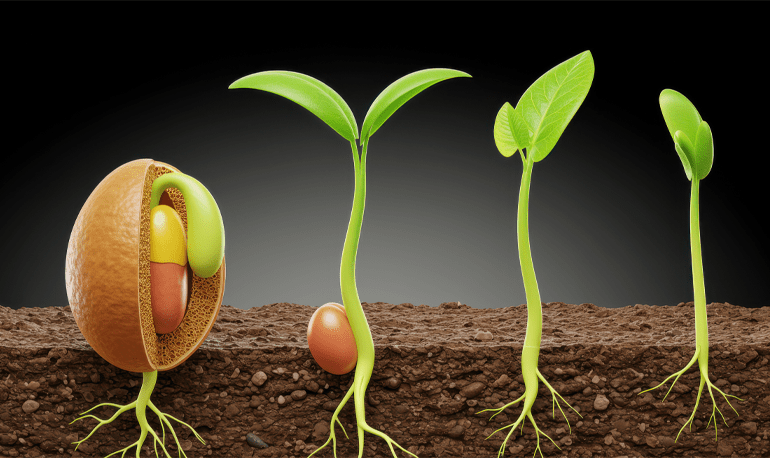
Germination is the process through which a seed begins developing into a new plant.
For germination to occur, seeds typically require:
- Water
- Oxygen
- Appropriate temperature
- Sometimes light
When these conditions are present, the seed absorbs water and begins activating internal biological processes.

Water Absorption
The first step of germination is water uptake.
As the seed absorbs moisture:
- The outer coat softens
- Internal tissues expand
- Metabolism increases
This triggers growth activities that were previously dormant.
Root Emergence
The first visible sign of germination is usually the appearance of the root, known as the radicle.
The root grows downward into the soil because it must:
- Anchor the plant
- Absorb water
- Collect nutrients
Strong root development is essential for future plant health.
Shoot Development
After the root establishes itself, a shoot begins growing upward toward the light.
This shoot later develops into stems and leaves.
Seedling Development
Once the shoot emerges above the soil surface, the plant enters the seedling stage.
This is one of the most vulnerable periods in a plant’s life.
Young seedlings face challenges including:
- Drought
- Excess moisture
- Pests
- Temperature fluctuations
- Competition from weeds
During this stage, the first leaves appear.
These leaves allow the plant to begin producing its own food through photosynthesis.
Healthy seedlings establish the foundation for future growth and productivity.
Photosynthesis: How Plants Make Food
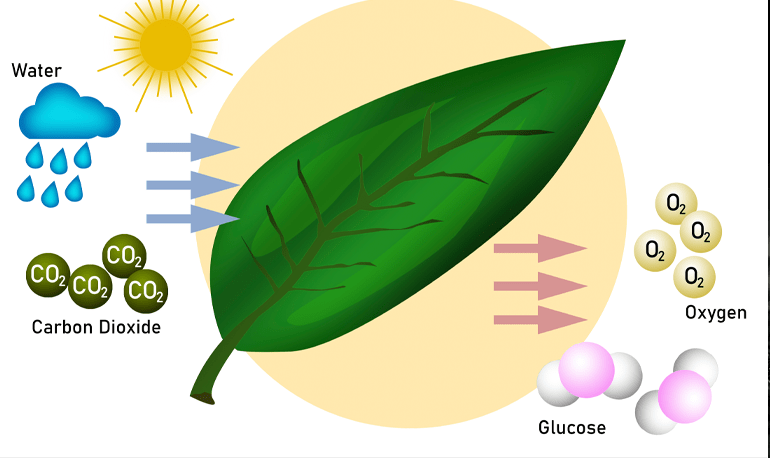
Photosynthesis is one of the most important biological processes on Earth.
Through photosynthesis, plants convert sunlight into energy.
Plants use:
- Sunlight
- Water
- Carbon dioxide
to produce:
- Glucose (food)
- Oxygen
The process takes place primarily inside the leaves.
Why Photosynthesis Matters
Photosynthesis allows plants to:
- Grow larger
- Produce flowers
- Form fruits
- Develop roots
- Store energy
Without photosynthesis, plants could not survive.
This process also provides oxygen that supports nearly all life on Earth.
The Role of Sunlight in Plant Growth
Sunlight serves as the primary energy source for plants.
Different species require varying amounts of light.
Full Sun Plants
Need six to eight hours of direct sunlight daily.
Examples include:
- Tomatoes
- Sunflowers
- Peppers
- Lavender
Partial Shade Plants
Prefer moderate sunlight.
Examples include:
- Lettuce
- Spinach
- Hydrangeas
Shade-Loving Plants
Thrive in limited sunlight.
Examples include:
- Ferns
- Hostas
- Peace lilies
Inadequate sunlight often leads to weak, stretched growth and poor flowering.
The Importance of Water
Water is essential throughout every stage of plant growth.
Plants use water to:
- Transport nutrients
- Regulate temperature
- Support photosynthesis
- Maintain cell structure
Without adequate water, plants become stressed and may stop growing.
Deep Watering Benefits
Deep watering encourages roots to grow downward, making plants more resilient.
Benefits include:
- Stronger root systems
- Improved drought tolerance
- Better nutrient uptake
Consistent moisture supports healthy development throughout the growing season.
How Roots Support Plant Growth
Roots are often overlooked because they remain hidden underground.
However, roots perform several critical functions.
Water Absorption
Roots collect moisture from the soil and transport it upward.
Nutrient Uptake
Roots absorb essential minerals required for growth.
Plant Stability
Roots anchor plants against wind and environmental stress.
Food Storage
Certain plants store energy reserves in their roots.
Examples include:
- Carrots
- Beets
- Sweet potatoes
Healthy roots lead to healthy plants.
The Role of Soil in Plant Growth
Soil provides more than physical support.
Healthy soil supplies:
- Nutrients
- Moisture
- Oxygen
- Beneficial microorganisms
Good soil structure creates an environment where roots can expand freely.
Soil Types
Sandy Soil
Drains quickly but may require frequent watering.

Clay Soil
Retains water well but can become compacted.
Loam Soil
Offers an ideal balance of drainage and moisture retention.
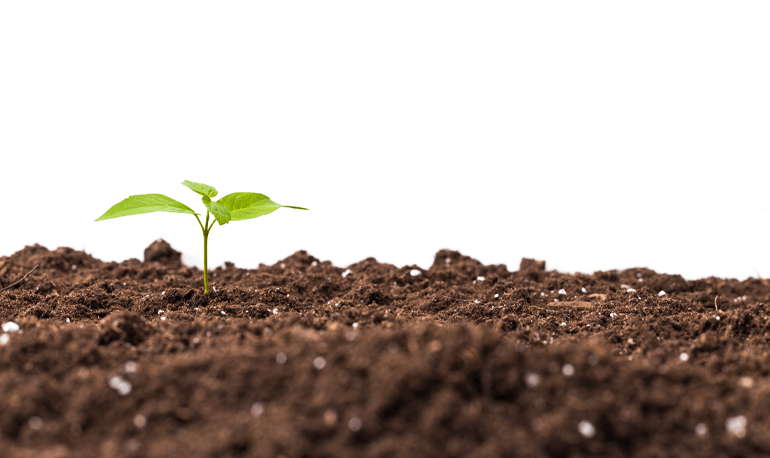
Most plants thrive best in loamy soil enriched with organic matter.

Essential Nutrients for Growth
Plants require nutrients to build tissues and perform biological functions.
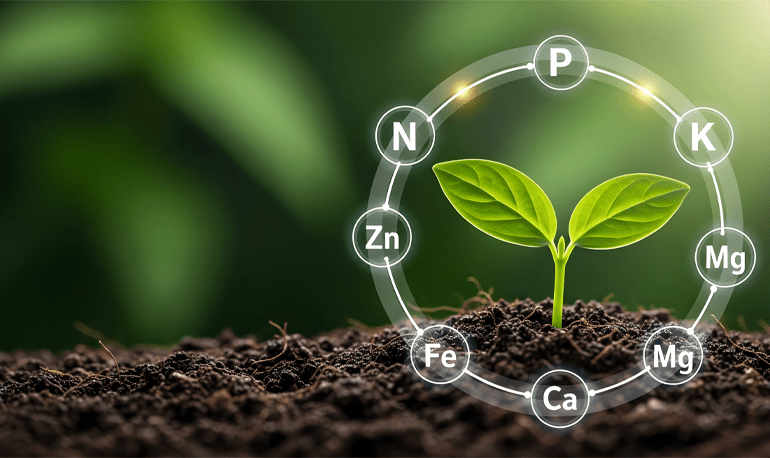
The primary nutrients are:
Nitrogen (N)
Supports green leafy growth.
Deficiency may cause yellow leaves.
Phosphorus (P)
Encourages root and flower development.
Deficiency may weaken roots.
Potassium (K)
Improves plant health and disease resistance.
Deficiency often results in weak stems and poor growth.
Secondary Nutrients
Additional nutrients include:
- Calcium
- Magnesium
- Sulfur
Plants also require micronutrients for healthy development.
Vegetative Growth Stage
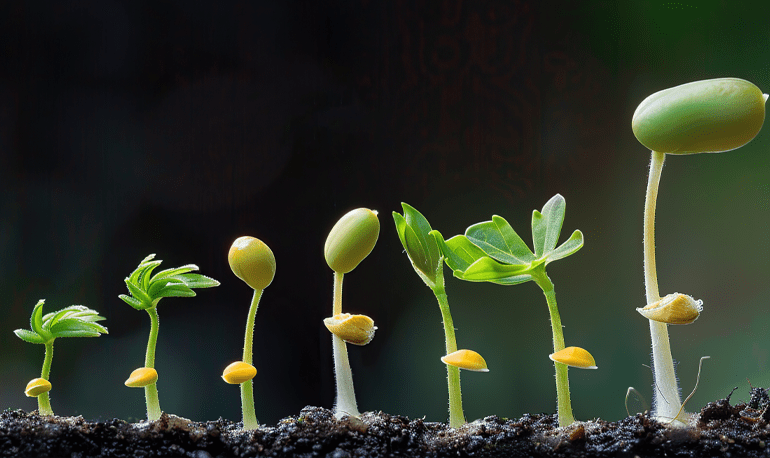
After establishing roots and leaves, plants enter the vegetative growth stage.
During this phase:
- Stems lengthen
- Leaves expand
- Roots spread
- Energy production increases
The plant focuses on building strength and preparing for reproduction.
Proper care during vegetative growth greatly affects future flowering and yields.
Flower Formation
Flowering represents a major milestone in a plant’s life cycle.
Flowers serve as reproductive structures.
Environmental factors influencing flowering include:
- Day length
- Temperature
- Genetics
- Nutrient availability
Flower production often requires significant energy from the plant.
Healthy vegetative growth typically leads to stronger flowering performance.
Pollination and Reproduction
Pollination occurs when pollen moves from one flower to another.
This process enables fertilization and seed production.
Pollinators
Common pollinators include:
- Bees
- Butterflies
- Birds
- Beetles
Many food crops rely heavily on pollinators for successful fruit production.
Gardens that support pollinators often achieve better yields and biodiversity.
Fruit Development
After successful pollination, many plants begin producing fruits.
Fruits protect developing seeds and aid distribution.
Examples include:
- Apples
- Tomatoes
- Peppers
- Cucumbers
- Strawberries
Fruit development requires substantial amounts of water and nutrients.
Proper plant care during this stage improves quality and yields.
Seed Production
The final stage of growth involves seed formation.
Seeds contain:
- Embryos
- Nutrient reserves
- Genetic information
These seeds eventually disperse and start new plant life cycles.
Successful seed production ensures the continuation of plant species.
Factors That Affect Plant Growth
Many environmental elements influence plant development.
Temperature
Every plant species has ideal temperature ranges.
Temperatures that are too high or too low can slow growth.
Air Circulation
Good airflow reduces disease risks and supports healthy development.
Humidity
Proper humidity helps plants regulate moisture loss.
Space
Crowded plants compete for:
- Sunlight
- Water
- Nutrients
Proper spacing promotes healthier growth.
Plant Growth in Different Environments
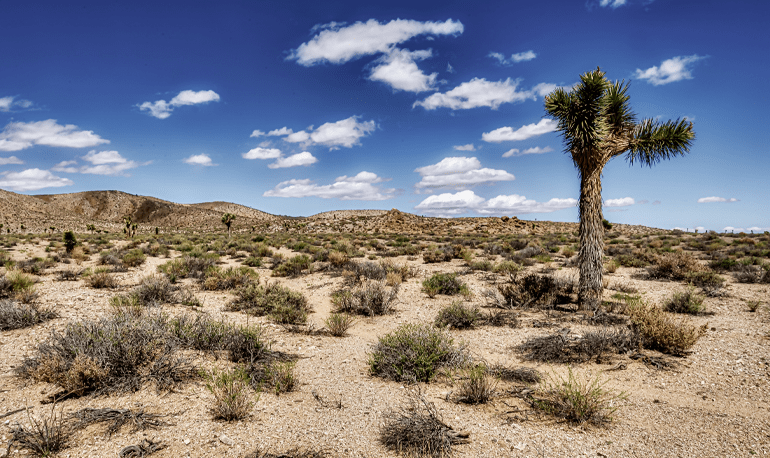
Plants adapt to diverse environments.
Desert Plants
Develop water-saving adaptations.
Examples:
- Cacti
- Succulents
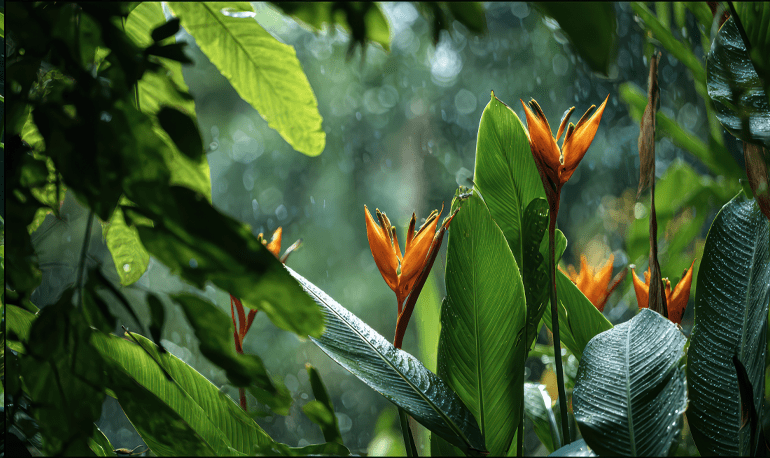
Tropical Plants
Prefer warm, humid conditions.
Examples:
- Orchids
- Monstera
- Philodendron
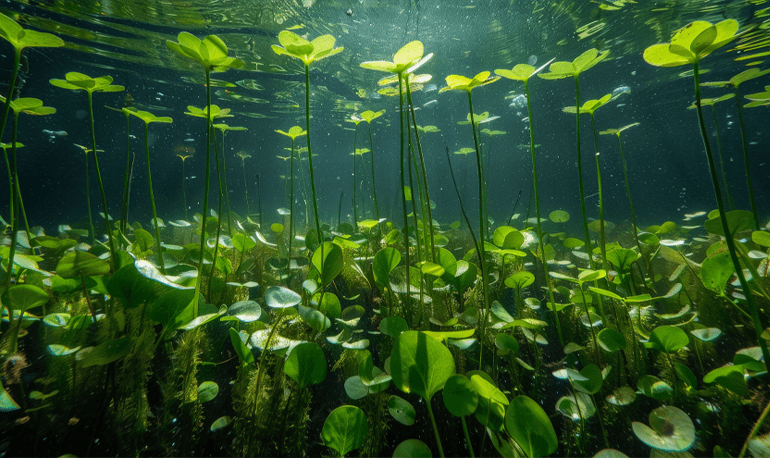
Aquatic Plants
Grow in water environments.
Examples:
- Water lily
- Lotus
Adaptations enable each group to survive under specific conditions.
Common Growth Problems
Plants sometimes struggle due to environmental or care-related issues.
Stunted Growth
May result from:
- Poor nutrition
- Root restriction
- Temperature stress
Yellow Leaves
Can indicate:
- Nutrient deficiencies
- Overwatering
- Poor drainage
Weak Stems
Often linked to inadequate sunlight.
Poor Flowering
May occur due to:
- Excess nitrogen
- Insufficient light
- Improper care
Understanding these symptoms helps gardeners correct problems quickly.
How Gardeners Can Encourage Healthy Growth
Several practices promote strong plant development.
Improve Soil Quality
Add:
- Compost
- Organic matter
- Mulch
Water Correctly
Provide consistent moisture without overwatering.
Fertilize Wisely
Supply essential nutrients during active growth.
Manage Pests
Protect plants before damage becomes significant.
Provide Proper Sunlight
Match plant selection with available light conditions.
These steps support healthier and more productive plants.
Case Study: From Seed to Harvest – David’s Journey to Understanding How Plants Grow and Growing Successful Tomatoes
Gardening is often viewed as a simple hobby, but successful plant cultivation requires knowledge, patience, and attention to detail. The growth of a healthy plant is the result of a series of carefully managed stages, each with its own requirements and challenges. This case study examines the experience of David, an enthusiastic gardener who decided to grow tomatoes in raised beds. Through planning, observation, and proper plant care, David achieved an abundant harvest of healthy tomatoes. His journey illustrates how plants grow and demonstrates how understanding the biological stages of plant development can significantly improve gardening outcomes and lead to sustainable success.
Understanding how plants grow is essential for successful gardening. Whether growing vegetables, flowers, or fruits, knowledge of the plant life cycle allows gardeners to provide the right care at every stage. David’s tomato-growing experience offers a practical example of what is plant growth and how proper management influences plant health and productivity.
Planning and Preparation
David had always been interested in growing his own vegetables, and tomatoes seemed like the perfect crop to begin with. Tomatoes are among the most popular garden plants because they are versatile, nutritious, and relatively easy to grow when their needs are met. However, David understood that a productive harvest starts long before seeds are planted. He spent time researching different tomato varieties, considering factors such as flavor, disease resistance, climate suitability, and expected yield.
After evaluating several options, David selected a high-quality tomato variety known for producing flavorful fruits and resisting common plant diseases. He purchased seeds from a reputable supplier to ensure high germination rates and healthy plant genetics. By selecting quality seeds, David laid the foundation for a successful growing season.
In addition to choosing the right seeds, David carefully planned the growing environment. He decided to use raised beds because they offered several advantages. Raised beds provide improved drainage, reduce soil compaction, and allow gardeners greater control over soil quality. They also warm up faster in spring, promoting earlier plant growth. David built sturdy raised beds in a location that received at least six to eight hours of direct sunlight each day, as tomatoes require ample sunlight for healthy development.
Before planting, David spent time learning how plants grow under different environmental conditions. His research helped him understand the factors that influence growth, development, and eventual fruit production.
Soil Preparation
Before planting, David focused on soil preparation. He understood that soil serves as the primary source of nutrients, water, and support for plants. Poor soil quality can limit growth regardless of how much care is provided later.
To create an ideal growing environment, David filled the raised beds with nutrient-rich soil containing a mixture of topsoil, compost, and organic matter. Compost was especially important because it improved soil structure, increased water retention, and supplied essential nutrients such as nitrogen, phosphorus, and potassium. David also tested the soil pH to ensure it was within the recommended range for tomatoes, approximately 6.0 to 6.8. The soil conditions were favorable, giving the tomato seeds an excellent start.
Soil quality plays a major role in how plants grow because it directly affects nutrient availability, water retention, and root development. Understanding what is plant growth helped David recognize the importance of preparing healthy soil before planting.
Seed Planting and Germination: The First Stage of Growth
Once the beds were ready, David planted the tomato seeds according to the recommended depth and spacing guidelines. He covered the seeds lightly with soil and watered them gently to avoid disturbing their placement.
This stage marked the beginning of the plant life cycle in David’s garden. Observing germination, the first stage in how plants grow, allowed him to see the transformation from a dormant seed into an emerging plant.
The germination stage is one of the most critical periods in a plant’s life cycle. During germination, the seed absorbs water through a process called imbibition. This activates enzymes within the seed, causing metabolic processes to begin. As the embryo develops, the seed coat breaks open, allowing the young root to emerge and establish itself in the soil.
David monitored the soil carefully, ensuring it remained consistently moist but not waterlogged. Excess water could cause seeds to rot, while insufficient moisture could prevent germination altogether. Within a week or two, small green shoots began emerging from the soil. Seeing the first signs of growth was exciting and rewarding for David, as it confirmed that the planting process had been successful.
Successful germination demonstrated that the seeds had received the moisture, temperature, and oxygen required for early development. This important process explains how plants grow and begin establishing themselves in the soil.
Seedling Development
After germination, the tomato plants entered the seedling development stage. This phase is characterized by the development of the first true leaves and the gradual establishment of the plant’s root system. Young seedlings are especially vulnerable to environmental stress, pests, and diseases.
During seedling development, the young tomato plants became stronger and more capable of supporting future growth. This stage clearly illustrates how plants grow through increasing leaf production, root expansion, and energy generation through photosynthesis.
David paid close attention to the seedlings during this stage. He ensured they received adequate sunlight each day, which is essential for photosynthesis. Through photosynthesis, plants convert sunlight, water, and carbon dioxide into energy-rich sugars necessary for growth.
Water management was equally important. David watered the seedlings consistently, keeping the soil moist while avoiding overwatering. He recognized that irregular watering could lead to weak root development and reduced plant vigor.
As the seedlings grew stronger, they developed additional leaves and expanded their root systems. Healthy green foliage indicated that the plants were receiving sufficient nutrients and light. David regularly inspected the seedlings for signs of disease, insect damage, or nutrient deficiencies, allowing him to address potential issues before they became serious problems.
Transition to Vegetative Growth
As spring progressed, the tomato plants entered the vegetative growth stage. During this phase, plants focus on producing stems, leaves, and roots. The increased leaf area allows the plants to capture more sunlight, accelerating photosynthesis and energy production.
As the plant life cycle progressed, the tomato plants shifted their focus from seedling development to vigorous vegetative growth. This stage is another important example of how plants grow when environmental conditions are favorable.
David understood that vigorous vegetative growth would be essential for supporting future fruit production. To encourage healthy development, he supplemented the soil with additional compost. The organic matter provided a steady supply of nutrients and improved overall soil health.
The tomato plants grew rapidly, producing lush green foliage and strong stems. Some plants became tall enough to require support. Because tomato plants can become heavy as fruits develop, David installed stakes next to each plant. He gently tied the stems to the stakes, providing stability while allowing room for growth.
Staking offered several benefits. It kept the plants upright, improved air circulation, reduced contact between foliage and soil, and minimized the risk of disease. Better airflow also decreased humidity around the leaves, helping prevent fungal infections.
Nutrient Management
Throughout the vegetative stage, David paid close attention to nutrient management. Plants require a balance of macronutrients and micronutrients for healthy growth. Nitrogen supports leaf development, phosphorus promotes root growth, and potassium contributes to overall plant health and fruit production.
David continued adding compost and organic fertilizers as needed. Rather than relying solely on synthetic products, he preferred organic methods that improved soil quality over time. This sustainable approach encouraged beneficial microorganisms and earthworms, which further enhanced soil fertility.
By monitoring plant appearance, David could identify nutritional needs. The leaves remained green and healthy, suggesting that nutrient levels were adequate. Strong stem development and continued growth indicated that the plants were thriving.
Flowering Stage
Several weeks later, the tomato plants reached a significant milestone: flowering. Small yellow blossoms appeared throughout the plants, signaling the transition from vegetative growth to reproductive development.
Flower formation represents an important stage in the life cycle of flowering plants. Successful pollination is necessary for flowers to develop into fruits. Although tomato flowers can self-pollinate, pollinating insects can significantly improve pollination efficiency and fruit set.
David noticed that bees regularly visited his garden. The colorful tomato flowers attracted these beneficial insects, which moved from flower to flower collecting nectar and pollen. Their activity helped transfer pollen within and between flowers, increasing the likelihood of successful fertilization.
Recognizing the value of pollinators, David avoided using harmful pesticides that might interfere with bee populations. He also maintained a variety of flowering plants nearby, creating a pollinator-friendly environment that supported biodiversity.
Flowering represented a major milestone in the plant life cycle. Understanding how plants grow from vegetative development into reproductive growth helped David provide appropriate care and support.
Pollination and Fruit Formation
Pollination and fruit formation demonstrate how the later stages of the plant life cycle contribute to successful harvests. These processes show how plants grow beyond simple leaf and stem production.
Following pollination, the flowers gradually began transforming. The petals faded and dropped, while the fertilized ovaries at the base of the flowers started to enlarge. Tiny green tomatoes appeared, marking the beginning of fruit development.
This stage required continued care and attention. Fruit formation demands substantial energy and nutrients from the plant. David ensured that watering remained consistent because fluctuations in soil moisture could lead to problems such as blossom-end rot or fruit cracking.
He also continued monitoring the plants for pests and diseases. Common tomato pests include aphids, hornworms, and whiteflies, while diseases such as early blight and powdery mildew can affect plant productivity. Regular inspections allowed David to detect any issues early and apply environmentally responsible control measures when necessary.
As the fruits grew larger, the support stakes became even more important. The additional weight could have caused stems to bend or break without proper support. Thanks to his planning, the plants remained healthy and structurally stable.
Fruit Development and Ripening
Fruit ripening is one of the most visible examples of how plants grow and mature. As the tomatoes developed their color, flavor, and nutritional value, David was able to observe the final stages of plant development.
Over the following weeks, the tomatoes continued increasing in size. At first, the fruits remained green as they accumulated nutrients and developed their internal structures. During this period, photosynthesis within the plant supplied the sugars and energy needed for fruit growth.
Gradually, physiological changes began occurring within the fruits. Chlorophyll levels declined, while pigments responsible for red coloration increased. The tomatoes transitioned from green to pale orange and eventually to a rich, bright red color.
Ripening is a complex biological process involving changes in texture, flavor, aroma, and nutritional content. As the tomatoes matured, they became softer and sweeter. Natural sugars accumulated within the fruit, while acids balanced the flavor profile. Lycopene, a powerful antioxidant responsible for the red color of tomatoes, also increased during ripening.
David carefully observed the ripening process. Rather than harvesting fruits too early, he allowed them to remain on the vine until they reached peak maturity. This ensured the best possible flavor and nutritional value.
Challenges During the Growing Season
Although the overall season was successful, David encountered several challenges. Weather conditions occasionally fluctuated, bringing periods of intense heat and sporadic rainfall. Such variations can stress plants and affect productivity.
To address these challenges, David adjusted his watering schedule according to weather conditions. During hot periods, he watered more frequently to prevent drought stress. He also applied mulch around the base of the plants to conserve moisture, regulate soil temperature, and suppress weed growth.
Weeds posed another challenge because they competed with tomatoes for water and nutrients. David regularly removed weeds before they could establish themselves. This proactive approach ensured that resources remained available for the tomato plants.
Insects occasionally appeared in the garden, but regular monitoring prevented serious infestations. By maintaining healthy plants and encouraging beneficial insects, David minimized damage without excessive reliance on chemical treatments.
Environmental factors can strongly affect how plants grow, making it important for gardeners to adjust watering, mulching, and maintenance practices when conditions change.
Harvesting the Crop
By late summer, the raised beds were filled with clusters of ripe tomatoes. The fruits displayed vibrant red coloration and excellent size, reflecting the quality of care they had received throughout the growing season.
Harvesting represented the culmination of months of effort and attention. David picked the tomatoes carefully to avoid damaging the plants or fruits. He harvested regularly, which encouraged continued fruit production and prevented overripe tomatoes from attracting pests.
The results exceeded his expectations. By the end of the season, David had harvested dozens of healthy tomatoes. The fruits were flavorful, nutritious, and ideal for a variety of culinary uses, including salads, sandwiches, sauces, and fresh snacks.
Beyond the quantity of the harvest, David was proud of the overall quality of the crop. The plants had remained healthy throughout the season, and the fruits exhibited excellent appearance and taste.
Lessons Learned
Throughout the season, David gained valuable insights into what is plant growth and how each stage of the plant life cycle contributes to overall plant health. From germination and seedling development to flowering and fruit ripening, every stage required specific care and attention.
Several key lessons emerged from the case study:
- Selecting high-quality seeds provides a strong foundation for success.
- Proper soil preparation significantly influences plant health and productivity.
- Consistent watering and adequate sunlight are essential during early growth stages.
- Nutrient management supports vigorous vegetative growth and fruit production.
- Pollinators play a critical role in successful flowering and fertilization.
- Regular monitoring helps prevent pest and disease outbreaks.
- Structural support protects plants as fruits develop and increase in weight.
- Patience during ripening improves fruit flavor and quality.
Conclusion
David’s tomato-growing project highlights the direct relationship between plant science knowledge and gardening success. By understanding how plants grow, from germination and seedling development through flowering, fruit development, and harvest, he was able to provide the right care at the right time. His use of raised beds, nutrient-rich soil, proper watering techniques, compost, support stakes, and pollinator-friendly practices created ideal conditions throughout the plant life cycle.
The abundant harvest of healthy tomatoes was not simply a matter of luck. It resulted from careful planning, continuous observation, and informed decision-making throughout the growing season. Understanding what is plant growth helped David make informed decisions that resulted in healthier plants and a more productive harvest. This case study demonstrates how plants grow under favorable conditions and shows that successful gardening depends on understanding plant needs and adapting management practices accordingly. For both beginner and experienced gardeners, David’s experience serves as a valuable example of how knowledge of the plant life cycle can lead to healthier crops, higher yields, and a more rewarding gardening experience.

Leave A Comment