

16
Sep
1 Ultimate Garden Meditation Guide for Peace and Stress Relief
Quick Summary: Garden meditation combines the therapeutic benefits of nature immersion with structured mindfulness practices. By engaging all five senses outdoors, you can reduce cortisol levels, quiet a busy mind, and cultivate deep inner peace right in your own backyard.
Overview: What is Garden Meditation?
Garden meditation is the deliberate practice of mindfulness within a green, natural environment. Unlike indoor meditation—which often focuses on closing off external stimuli—outdoor meditation invites you to connect directly with the sights, sounds, textures, and scents of nature.
Practicing garden meditation allows you to ground your awareness in the present moment. Whether sitting beside aromatic herbs, listening to wind rustling through ornamental grasses, or feeling sun on your skin, your natural surroundings act as gentle anchors for mindfulness.
- 1 Ultimate Garden Meditation Guide for Peace and Stress Relief
- Overview: What is Garden Meditation?
- The Mental & Physical Benefits of Outdoor Mindfulness
- Designing a Dedicated Sensory Garden Space
- Essential Plants for Calming the Senses
- Step-by-Step Outdoor Meditation Practice Guide
- Garden Elements & Sensory Impact Comparison
- Pro-Tips for Maintaining Focus Outdoors
- Common Obstacles & How to Overcome Them
- Frequently Asked Questions (FAQs)
The Mental & Physical Benefits of Outdoor Mindfulness
Scientific research demonstrates that spending time in green spaces lowers blood pressure, reduces heart rate, and decreases salivary cortisol (the primary stress hormone). Combining nature immersion with meditation amplifies these benefits significantly:
       ┌─────────────────────────────────────────────────────────┐
       │ PHYSICAL RELAXATION: Reduced Cortisol & Blood Pressure  │
       ├─────────────────────────────────────────────────────────┤
       │ SENSORY ANCHORING: Wind, Water Sounds & Natural Scents  │
       ├─────────────────────────────────────────────────────────┤
       │ MENTAL CLARITY: Restoration of Attentional Focus        │
       ├─────────────────────────────────────────────────────────┤
       │ GROUNDED AWARENESS: Earth Connection & Present Presence │
       └─────────────────────────────────────────────────────────┘
Immersion in a quiet green setting restores directed attention, helping relieve mental fatigue caused by daily screen time and urban noise.
Designing a Dedicated Sensory Garden Space
Building a peaceful environment for your garden meditation practice does not require a vast yard. Even a small balcony nook or quiet corner of a lawn can become a sanctuary with thoughtful layout choices:
- Seclusion & Privacy: Place high shrubs, bamboo screens, or climbing trellises around your seating area to block visual distractions and define the space.
- Natural Seating: Choose weather-resistant wooden benches, smooth garden stones, or a cushioned outdoor mat that keeps you comfortably grounded.
- Sound Buffering: Incorporate small solar-powered water fountains or bamboo wind chimes to soften neighborhood traffic noise.
Essential Plants for Calming the Senses
Selecting plants with specific tactile, visual, and aromatic qualities transforms a simple garden border into an immersive sensory retreat:
1. English Lavender (Lavandula angustifolia)
- Sensory Role: Aromatic. Releases soothing essential oils that lower heart rates and calm anxiety when gently touched.
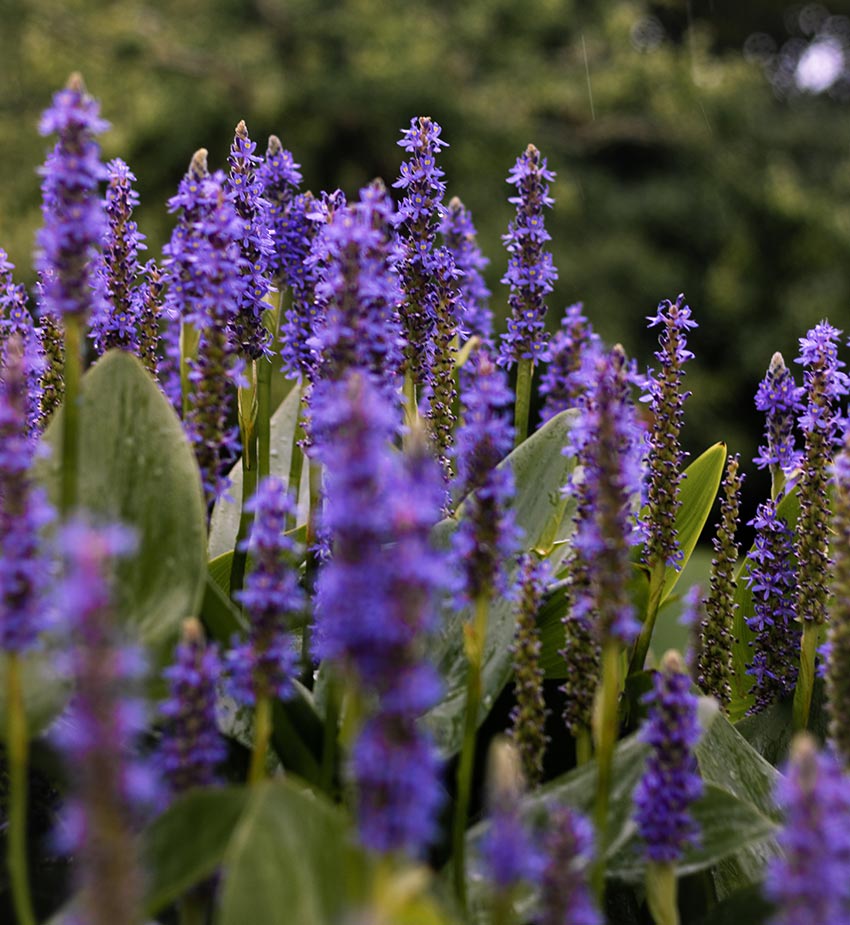
2. Lamb’s Ear (Stachys byzantina)
- Sensory Role: Tactile. Features velvety, silver-green leaves that offer a unique grounding touch experience.
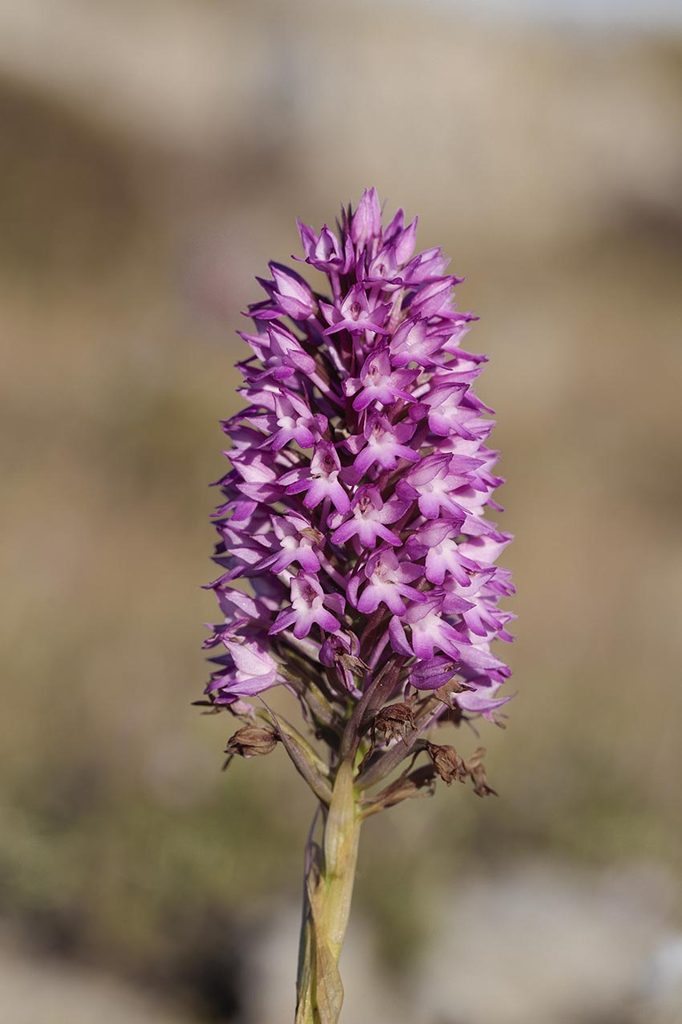
3. Mexican Bush Sage (Salvia leucantha)
- Sensory Role: Visual & Movement. Produces soft purple velvet flower spikes that sway gently in light breeze, aiding rhythmic breath focus.
Step-by-Step Outdoor Meditation Practice Guide
1.Establish Your Posture:Find a comfortable, supported seat.
Sit comfortably on a bench, chair, or ground cushion. Keep your spine erect yet relaxed, shoulders softened away from your ears, and hands resting gently on your lap.
2.Anchor Your Breathing:Take three slow, deep breaths.
Close your eyes or maintain a soft lower-gaze toward the ground. Inhale deeply through your nose for 4 counts, hold briefly, and exhale slowly through your mouth for 6 counts.
3.Scan Your External Environment:Notice wind, temperature, and sounds.
Bring gentle awareness to your skin. Feel the air temperature, subtle breezes, or warm sunlight. Listen to distant bird songs or trickling water without analyzing them.
4.Focus Your Awareness:Engage with a single natural object.
Open your eyes softly and focus on a single plant, leaf, or water ripple. Notice intricate patterns, subtle shade variations, and natural movement without judgment.
5.Close with Gratitude:Acknowledge thoughts and return to breath.
As stray thoughts arise, gently acknowledge them and redirect your focus back to the sensation of your breath and the surrounding greenery. End your session with a moment of gratitude.
Garden Elements & Sensory Impact Comparison
| Garden Element | Primary Sense Engaged | Emotional / Mindful Benefit | Maintenance Level |
| Water Fountain | Auditory | Masks urban noise; promotes deep relaxation | Low (Clean pump monthly) |
| Aromatic Herbs | Olfactory | Triggers nervous system calming responses | Low (Seasonal pruning) |
| Ornamental Grasses | Visual / Auditory | Rhythmic movement aids visual focus | Very Low (Annual cutback) |
| Smooth Pebbles | Tactile | Grounding surface underfoot during walking meditation | None |
Pro-Tips for Maintaining Focus Outdoors
- Practice Walking Meditation: If sitting still feels challenging, walk barefoot slowly on grass or smooth gravel. Focus entirely on the physical sensation of your feet lifting, moving, and placing.
- Mediate at Golden Hour: Early morning or late afternoon provides soft natural light, cooler temperatures, and quieter surrounding environments.
- Use Natural Aromas: Gently rub lavender or rosemary leaves between your fingers prior to sitting down to deepen sensory engagement through natural aromatherapy.
Common Obstacles & How to Overcome Them
- Insect Distractions: Apply natural citronella or lavender sprays to your skin and clothing rather than chemical insect repellents with harsh odors.
- Unpredictable Weather: Keep a warm outdoor blanket or light shawl near your door so cooler morning breezes do not disrupt your session.
- Restless Wandering Mind: Use the physical texture of a leaf or the sound of water as a fixed anchor to bring your focus back whenever your mind strays toward to-do lists.
Frequently Asked Questions (FAQs)
How long should a garden meditation session last?
Beginners can start with 5 to 10 minutes daily. As comfort increases, gradually extend sessions to 20 or 30 minutes to deepen relaxation.
Do I need a large backyard to practice garden meditation?
Not at all. A container garden on a porch, a balcony with potted herbs, or a visit to a public park provides all the necessary natural elements for a fulfilling practice.
What is the best time of day for outdoor mindfulness?
Early morning is ideal because ambient neighborhood noise is minimal, temperatures are cool, and wildlife activity provides gentle, grounding sounds.

Leave A Comment