
25
Aug
Introduction
Creating a garden is an exciting achievement, but maintaining it is what ultimately determines its success. Many gardeners focus heavily on planting seeds, selecting flowers, or designing layouts, only to discover that a thriving garden requires consistent attention throughout the year. Garden maintenance is the ongoing process of caring for plants, soil, and garden structures to ensure that everything remains healthy, productive, and visually appealing.
A well-maintained garden is more than a collection of attractive plants. It is a balanced ecosystem where soil fertility, water management, pest control, and plant health work together to create sustainable growth. Whether you are managing a small vegetable plot, a flower garden, a raised bed system, or a large landscape, regular maintenance helps prevent problems before they become serious. Healthy gardens produce stronger plants, better harvests, fewer pests, and longer-lasting beauty.
In today’s world, gardening has become increasingly important for food security, environmental sustainability, and personal well-being. Home gardens provide fresh produce, improve mental health, support pollinators, and create peaceful outdoor spaces. However, these benefits can only be fully realized when gardens receive proper care. Neglect often leads to weeds, pest infestations, nutrient deficiencies, and declining plant health.
Effective garden maintenance is not about spending countless hours working outdoors every day. Instead, it is about developing a consistent routine that addresses the essential needs of plants and soil. Small, regular tasks are often far more effective than occasional intensive efforts. By observing plants closely and responding to their needs, gardeners can prevent many common issues and maintain attractive landscapes throughout the year.
Professional garden maintenance strategies practices also change with the seasons. Spring focuses on new growth and preparation, summer emphasizes watering and pest management, autumn involves cleanup and soil improvement, while winter provides opportunities for planning and protection. Understanding these seasonal requirements helps gardeners create resilient gardens that remain productive year after year.
Whether you are a beginner or an experienced gardener, mastering garden maintenance is one of the most valuable skills you can develop. A garden that receives consistent care rewards its owner with healthier plants, greater yields, and a more enjoyable outdoor environment. With the right maintenance practices, every garden can become a thriving and sustainable space that flourishes in every season.
Understanding Garden Maintenance
Garden maintenance refers to the routine activities required to keep a garden healthy, attractive, and productive throughout the year.
These activities include:
- Watering
- Weeding
- Pruning
- Fertilizing
- Mulching
- Pest management
- Soil improvement
- Seasonal cleanup
Together, these practices create an environment where plants can thrive and reach their full potential.
Rather than viewing Sustainable garden maintenance practices as a series of chores, successful gardeners see it as a proactive approach to preventing problems and encouraging growth.
Garden Care Tips
Why Garden Maintenance Matters
Many gardening problems can be prevented through regular maintenance.
Benefits include:
Healthier Plants
Routine care helps plants receive the water, nutrients, and sunlight they need.
Increased Yields
Vegetable and fruit plants often produce more when maintained properly.
Fewer Pests and Diseases
Early detection and intervention prevent serious infestations.
Enhanced Appearance
Regular maintenance keeps gardens neat, attractive, and inviting.
Long-Term Sustainability
Healthy soil and responsible gardening practices support long-term productivity.
A consistent maintenance routine protects both plants and the gardener’s investment of time and effort.
Watering as a Key Maintenance Practice
Watering is one of the most important aspects of garden care.
Plants require water for:
- Photosynthesis
- Nutrient transport
- Temperature regulation
- Growth and development
Deep Watering
Deep watering encourages roots to grow farther into the soil.
Benefits include:
- Better drought tolerance
- Stronger plants
- Improved nutrient uptake
Avoiding Overwatering
Excess water may cause:
- Root rot
- Fungal diseases
- Nutrient loss
Checking soil moisture before watering helps prevent common watering mistakes.
The Importance of Weeding
Weeds compete directly with garden plants for resources.
They consume:
- Water
- Nutrients
- Sunlight
- Growing space
If left unchecked, weeds can significantly reduce plant growth and productivity.
Manual Weeding
Hand-pulling remains one of the most effective weed control methods.
Benefits include:
- Immediate removal
- No chemical use
- Improved plant access to resources
Mulching for Weed Control
Mulch suppresses weed growth by blocking sunlight.
Popular mulch materials include:
- Straw
- Wood chips
- Compost
- Shredded leaves
Combining mulch and hand-weeding often provides excellent results.
Soil Maintenance and Improvement
Healthy soil is the foundation of successful gardening.
Garden maintenance should always include attention to soil health.
Adding Compost
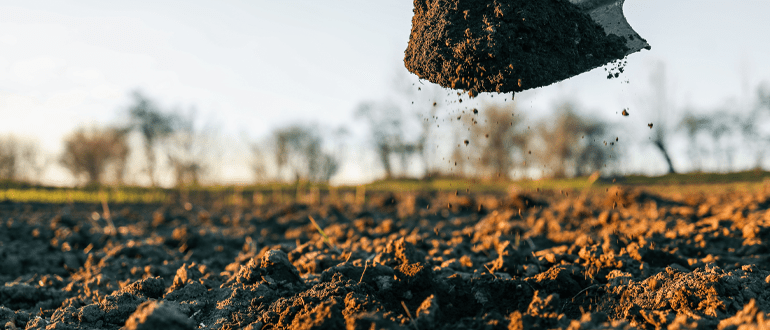
Compost improves:
- Fertility
- Soil structure
- Moisture retention
- Microbial activity
Many gardeners apply compost annually to replenish nutrients.
Organic Matter
Organic materials such as:
- Leaf litter
- Worm castings
- Aged manure
help maintain soil productivity.
Soil Testing
Periodic soil testing helps identify:
- Nutrient deficiencies
- pH imbalances
- Fertility concerns
Testing allows gardeners to make informed decisions regarding fertilization.
Fertilization and Nutrient Management
Plants use nutrients continuously throughout the growing season.
Without replenishment, soil fertility may decline.
Essential Nutrients
Key plant nutrients include:
Nitrogen
Supports leafy growth.
Phosphorus
Promotes flowers and roots.
Potassium
Improves overall plant health.
Organic Fertilizers
Examples include:
- Compost tea
- Seaweed extract
- Bone meal
- Fish emulsion
Organic options support long-term soil health while providing nutrients gradually.
Pruning and Trimming
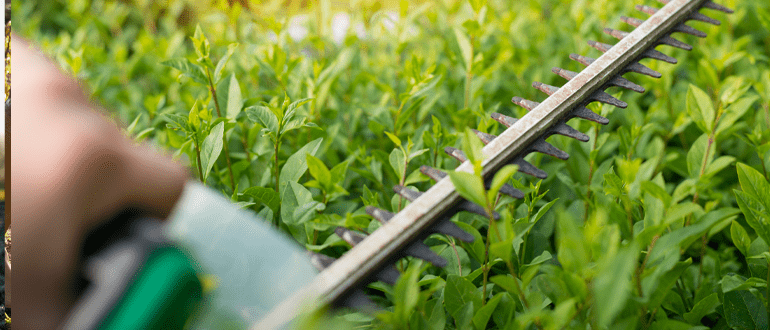
Pruning keeps plants healthy and encourages productive growth.
Benefits include:
- Improved airflow
- Better shape
- Increased flowering
- Disease prevention
Removing Dead Growth
Dead branches and leaves can attract pests and diseases.
Removing damaged material improves overall plant vigor.
Encouraging New Growth
Strategic pruning stimulates fresh shoots and flowering in many plants.
Always use clean, sharp tools to minimize stress on plants.
Mulching for Garden Health
Mulching provides numerous benefits beyond weed suppression.
Moisture Conservation
Mulch reduces evaporation, helping soil remain consistently moist.
Temperature Regulation
Roots stay cooler during summer and warmer during winter.
Soil Enrichment
Organic mulches gradually decompose, improving fertility.
Erosion Prevention
Mulch protects soil from heavy rainfall and wind.
A layer of 5–10 centimeters is typically sufficient for most gardens.
Lawn Maintenance
For gardeners with lawns, proper maintenance contributes significantly to overall landscape appearance.
Mowing
Regular mowing keeps grass healthy and attractive.
Avoid removing too much grass at one time.
Watering
Deep watering encourages deeper root growth.
Aeration
Aerating compacted lawns improves:
- Air circulation
- Water penetration
- Root health
Healthy lawns complement surrounding garden areas.
Pest Management in Garden Maintenance
Pest monitoring should be a regular part of maintenance routines.
Common Garden Pests
Examples include:
- Aphids
- Caterpillars
- Whiteflies
- Slugs
- Spider mites
Early Detection
Inspect plants regularly for:
- Holes in leaves
- Discoloration
- Sticky residue
- Damaged stems
Early treatment prevents severe infestations.
Beneficial Insects
Encourage natural predators such as:
- Ladybugs
- Lacewings
- Hoverflies
These insects help maintain ecological balance.
Disease Prevention Through Regular Care
Many plant diseases can be avoided through routine maintenance.
Proper Watering
Watering at soil level minimizes moisture on leaves.
Adequate Spacing
Crowded plants experience more disease problems.
Sanitation
Remove diseased plant material promptly.
Tool Cleaning
Sanitize tools between uses to prevent disease spread.
Prevention is often easier than treatment.
Seasonal Garden Maintenance
Different seasons require different maintenance activities.
Spring Maintenance
Spring is a season of preparation and growth.
Tasks include:
- Soil preparation
- Fertilization
- Seed planting
- Pruning winter damage
Spring sets the stage for successful growing seasons.
Summer Maintenance
Summer focuses on supporting active plant growth.
Priorities include:
- Watering
- Mulching
- Pest monitoring
- Harvesting
Heat and drought require careful attention.
Autumn Maintenance
Autumn is a time for cleanup and preparation.
Tasks include:
- Removing spent plants
- Composting debris
- Planting cool-season crops
- Applying mulch
Autumn maintenance improves winter resilience.
Winter Maintenance
Winter offers opportunities for planning and protection.
Tasks include:
- Protecting sensitive plants
- Cleaning tools
- Reviewing garden performance
- Ordering seeds
Many gardeners improve soil during the off-season.
Caring for Raised Beds
Raised beds simplify maintenance but still require regular care.
Soil Replenishment
Add compost annually.
Irrigation Management
Raised beds often dry more quickly than traditional gardens.
Crop Rotation
Rotate crops to reduce:
- Pest pressure
- Nutrient depletion
- Disease risks
Raised beds remain highly productive when maintained properly.
Maintaining Flower Gardens
Flower gardens require specific maintenance practices.
Deadheading
Removing spent blooms encourages additional flowers.
Fertilization
Flowering plants often benefit from balanced nutrient support.
Support Structures
Tall flowers may require staking.
Regular maintenance extends blooming periods and improves appearance.
Maintaining Vegetable Gardens
Vegetable gardens reward consistent care with higher yields.
Harvest Frequently
Regular harvesting encourages continued production.
Monitor Growth
Check for nutrient deficiencies and pests.
Maintain Soil Health
Vegetables remove significant nutrients from soil.
Compost and organic amendments help maintain fertility.
Garden Tool Maintenance
Healthy gardens depend on well-maintained tools.
Cleaning Tools
Remove soil and debris after use.
Sharpening
Sharp tools create cleaner cuts and reduce plant stress.
Storage
Store tools in dry locations to prevent rust.
Proper tool maintenance extends equipment life and improves efficiency.
Garden Record Keeping
Many successful gardeners keep records of maintenance activities.
Documenting:
- Planting dates
- Harvests
- Fertilizer applications
- Pest outbreaks
helps improve future decision-making.
Garden journals provide valuable insights from year to year.
Creating a Garden Maintenance Schedule
A maintenance schedule simplifies garden care.
Daily Tasks
- Quick inspections
- Watering checks
- Pest observations
Weekly Tasks
- Weeding
- Mulching checks
- Pruning
Monthly Tasks
- Fertilization
- Soil monitoring
- Tool maintenance
Organized schedules prevent tasks from becoming overwhelming.
Common Garden Maintenance Mistakes
Even experienced gardeners occasionally make mistakes.
Ignoring Small Problems
Minor issues can quickly become major concerns.
Overwatering
Excess moisture contributes to root problems and disease.
Neglecting Mulch
Bare soil loses moisture rapidly and supports more weeds.
Over-Fertilizing
Too much fertilizer may damage plants.
Skipping Seasonal Cleanup
Old plant debris often harbors pests and pathogens.
Avoiding these mistakes improves garden performance significantly.
Case Study: Transforming a Neglected Backyard Garden
When Michael purchased his home, the backyard garden had been neglected for years. Weeds dominated planting beds, soil quality was poor, and many plants exhibited weak growth.
Rather than replacing everything immediately, Michael focused on establishing a maintenance routine. He began by removing weeds, improving soil with compost, installing mulch, and creating a watering schedule. Regular inspections allowed him to identify pest problems early, while seasonal pruning improved plant health.
Within two growing seasons, the garden transformed dramatically. Flower beds became vibrant, vegetables produced consistent harvests, and maintenance demands gradually decreased as soil health improved. Michael’s experience demonstrates how consistent care and simple maintenance practices can restore even heavily neglected gardens.
Advanced Garden Maintenance Strategies
Experienced gardeners often implement advanced techniques to maximize garden performance. Beyond basic watering, weeding, and fertilizing, strategic maintenance practices can significantly improve plant health, increase yields, and create a more resilient garden ecosystem.
One highly effective strategy is soil optimization through regular testing and amendment. Professional and experienced gardeners routinely analyze soil pH and nutrient levels to identify deficiencies before they impact plant growth. Based on soil test results, they apply targeted amendments such as compost, organic matter, lime, sulfur, or specialized fertilizers. Healthy soil supports stronger root systems and improves the garden’s ability to retain moisture and nutrients.
Another advanced technique is companion planting, which involves placing compatible plants together to enhance growth and deter pests naturally. For example, marigolds are often planted near vegetables because they help repel certain harmful insects. Likewise, herbs such as basil can improve the growth and flavor of nearby crops while attracting beneficial pollinators. This method reduces dependence on chemical pesticides and promotes a healthier garden environment.
Mulching and moisture management are also key components of advanced garden care. Applying organic mulch around plants helps conserve water, regulate soil temperature, suppress weeds, and improve soil quality as the material decomposes. Experienced gardeners often use drip irrigation systems or soaker hoses to provide consistent moisture directly to plant roots while minimizing water waste and disease risks associated with overhead watering.
Pruning and training plants are additional practices that contribute to garden success. Fruit trees, vines, and many flowering plants benefit from careful pruning to improve airflow, encourage healthy growth, and increase productivity. Training climbing plants on trellises or supports maximizes garden space and exposes foliage to better sunlight, enhancing overall plant performance.
Integrated Pest Management (IPM) is another sophisticated approach used by knowledgeable gardeners. Rather than relying solely on pesticides, IPM combines monitoring, biological controls, cultural practices, and targeted treatments when necessary. Introducing beneficial insects, rotating crops, and promptly removing diseased plant material can reduce pest populations while maintaining ecological balance.
Finally, successful gardeners keep detailed records of planting dates, harvest results, weather conditions, and pest activity. These records provide valuable insights that help refine gardening strategies from season to season. By analyzing past successes and challenges, gardeners can make informed decisions that lead to healthier plants, improved harvests, and a more productive and sustainable garden over time.
Composting Systems
Home composting reduces waste while producing nutrient-rich soil amendments. A well-managed composting system transforms kitchen scraps, garden trimmings, and other organic materials into valuable compost that enhances soil structure, improves moisture retention, and supplies essential nutrients to plants. By recycling organic waste on-site, gardeners can reduce landfill contributions while creating a sustainable source of fertilizer for their gardens.
There are several types of composting systems available, each suited to different spaces, climates, and gardening goals. Traditional backyard compost piles are among the most common methods. These open systems allow gardeners to combine “green” materials, such as fruit peels, vegetable scraps, and fresh grass clippings, with “brown” materials like dry leaves, straw, and shredded paper. Maintaining a proper balance between these materials helps microorganisms break down organic matter efficiently.
For gardeners with limited space, enclosed compost bins offer a convenient alternative. These containers help contain odors, retain heat, and protect compost from pests and excessive moisture. Tumbling compost bins are particularly popular because they allow users to mix materials easily, increasing aeration and accelerating decomposition. Regular turning provides oxygen to beneficial microbes, resulting in faster compost production.
A successful compost system depends on maintaining the proper conditions for microbial activity. Moisture levels should remain similar to those of a wrung-out sponge, with compost neither too dry nor overly wet. Adequate airflow is equally important, as oxygen supports the microorganisms responsible for decomposition. Temperature also plays a significant role; active compost piles generate heat that helps break down materials more quickly and can destroy many weed seeds and plant pathogens.
Vermicomposting is another highly effective composting method, especially for indoor or small-space gardeners. This system uses composting worms, commonly red wigglers, to process food scraps into nutrient-rich worm castings. These castings provide valuable nutrients and beneficial microorganisms that support healthy plant growth. Vermicomposting systems are compact, odor-free when properly maintained, and ideal for apartments or urban environments.
Finished compost is dark, crumbly, and earthy-smelling, indicating that decomposition is complete. It can be incorporated into garden beds, mixed into potting soil, used as mulch, or applied around trees and shrubs. Regular compost applications improve soil fertility, encourage beneficial soil organisms, and support long-term plant health.
By understanding and managing composting systems effectively, gardeners can create a sustainable cycle of nutrient recycling. This environmentally friendly practice not only reduces household waste but also contributes to healthier soils, stronger plants, and more productive gardens year after year
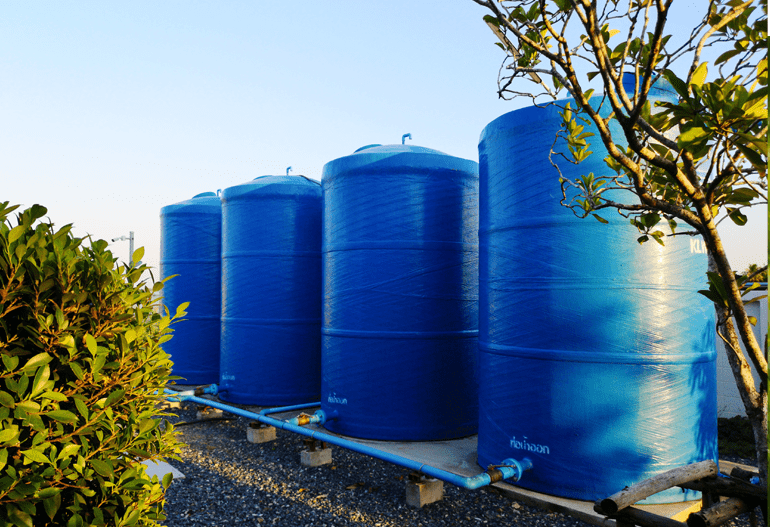
Rainwater Harvesting
Collecting rainwater improves sustainability and reduces water costs. Rainwater harvesting systems capture and store rainfall from rooftops, gutters, and other surfaces for later use in gardens and landscapes. This practice helps conserve municipal water supplies while providing a reliable source of water during dry periods. Stored rainwater is naturally free from many chemicals commonly found in treated water, making it suitable for watering plants. Common collection methods include rain barrels, storage tanks, and underground cisterns. When properly maintained, these systems can significantly reduce water consumption, lower utility bills, and support environmentally responsible gardening practices while promoting greater self-sufficiency and resource conservation.
Companion Planting
Plant combinations help deter pests and improve productivity.
Integrated Pest Management
Combines prevention, monitoring, and natural controls for effective pest management.
These techniques enhance both productivity and sustainability.
Conclusion
Garden maintenance is the foundation of a healthy, productive, and beautiful outdoor space. While planting creates the initial framework of a garden, ongoing care determines whether that garden will merely survive or truly thrive. Through consistent watering, weeding, soil improvement, fertilization, pruning, pest management, and seasonal care, gardeners create environments where plants can perform at their best.
Garden Maintenance is not about perfection; it is about consistency. Small tasks performed regularly often prevent larger problems from developing and reduce the need for major interventions later. Healthy soil, balanced watering, proper pruning, and attentive observation all contribute to stronger plants and more resilient gardens.
As gardens mature, maintenance becomes increasingly rewarding. Plants become established, soil quality improves, biodiversity increases, and gardeners gain valuable experience. The result is a landscape that provides beauty, relaxation, food, wildlife habitat, and environmental benefits throughout the year.
Whether you maintain a small container garden, a raised vegetable bed, a flower garden, or an extensive landscape, the principles remain the same. Consistent care creates healthier plants, larger harvests, and a more enjoyable gardening experience. By making garden maintenance a regular habit, you build a thriving outdoor space that continues to flourish season after season.

Leave A Comment