

16
Sep
15 Alan Titchmarsh Top Garden Plants for Year-Round Color
Quick Summary: Alan Titchmarsh top garden plants focus on reliable performance, rich seasonal color, and strong structural form. By combining hardy perennials, fragrant climbing roses, structural evergreen shrubs, and early-spring bulbs, you can build a low-maintenance garden that blooms continuously from spring through late autumn.
- 15 Alan Titchmarsh Top Garden Plants for Year-Round Color
- Overview: Why Follow Alan Titchmarsh Top Garden Plants Choices?
- The Core Philosophy of Year-Round Border Design
- Top Perennial Plants Recommended by Alan Titchmarsh
- Essential Flowering Shrubs & Climbers
- Step-by-Step Planting & Soil Preparation Guide
- Plant Selection & Seasonal Maintenance Comparison
- Pro-Tips for Long-Lasting Garden Color
- Common Garden Pitfalls & How to Avoid Them
- Frequently Asked Questions (FAQs)
Overview: Why Follow Alan Titchmarsh Top Garden Plants Choices?
When selecting plants for your home landscape, relying on Alan Titchmarsh top garden plants recommendations guarantees reliable results across varying soil types and climate conditions. As one of Britain’s most trusted horticulturists, Titchmarsh emphasizes plants that offer long blooming periods, resistance to common garden pests, and exceptional architectural interest.
Building a garden around these proven selections eliminates guesswork. Instead of constantly replacing weak or fickle varieties, focusing on Alan Titchmarsh top garden plants allows you to create a thriving cottage-style garden or structured contemporary border that returns stronger every single season.
The Core Philosophy of Year-Round Border Design
Successful garden design relies on layering plants based on height, flowering time, and root depth. Titchmarsh frequently highlights the importance of combining four core structural layers:
       ┌─────────────────────────────────────────────────────────┐
       │ LAYER 4: Climbers & Tall Shrubs (Roses, Clematis)       │
       ├─────────────────────────────────────────────────────────┤
       │ LAYER 3: Mid-Border Perennials (Salvias, Geraniums)     │
       ├─────────────────────────────────────────────────────────┤
       │ LAYER 2: Ground Covers & Front Border (Alchemilla)      │
       ├─────────────────────────────────────────────────────────┤
       │ LAYER 1: Spring Bulbs & Organic Soil Base (Snowdrops)   │
       └─────────────────────────────────────────────────────────┘
By interplanting these layers, your flower beds maintain continuous visual interest even when individual species finish their primary bloom cycle.
Top Perennial Plants Recommended by Alan Titchmarsh
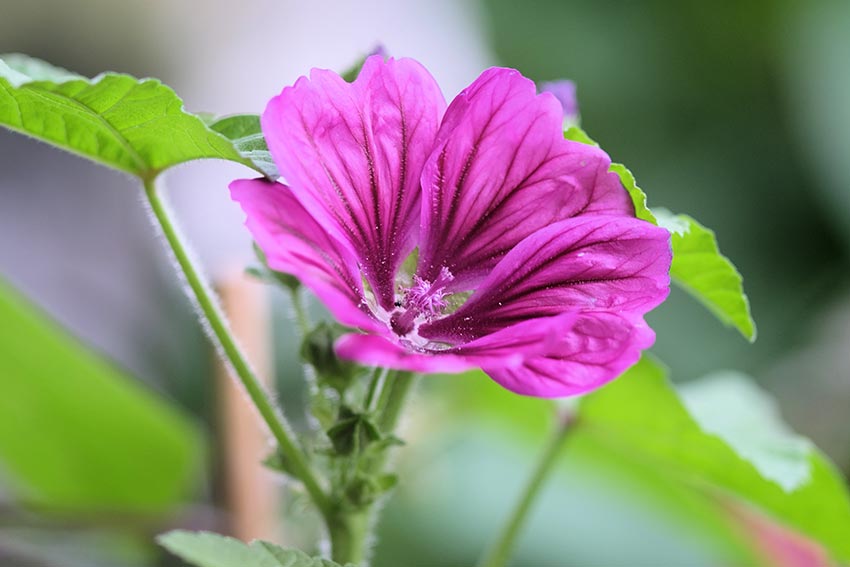
1. Hardy Cranesbill Geraniums (Geranium ‘Rozanne’)
- Why It Works: ‘Rozanne’ is arguably the single best perennial ground cover available. It produces violet-blue flowers continuously from late spring until the first winter frosts.
- Ideal Placement: Front or middle of sunny or partially shaded garden borders.
2. Salvia (Salvia ‘Caradonna’)
- Why It Works: With rich dark purple stems and upright violet spikes, ‘Caradonna’ brings necessary vertical architecture to any flower bed while attracting bees and butterflies.
- Ideal Placement: Mid-border in full sun with well-draining soil.
3. Lady’s Mantle (Alchemilla mollis)
- Why It Works: Known for its soft scalloped leaves that catch morning dew like liquid mercury, this hardy plant produces frothy lime-green blooms in early summer.
- Ideal Placement: Border edges, path walkways, or under tall leggy shrubs.
Essential Flowering Shrubs & Climbers
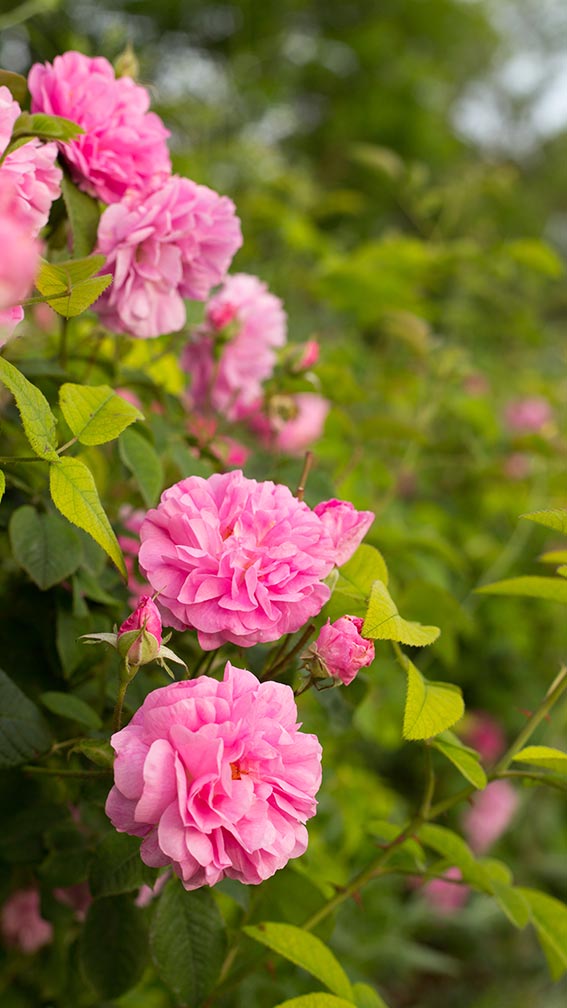
4. Climbing Roses (Rosa ‘Gertrude Jekyll’)
- Why It Works: Loved for its intense old-rose fragrance and rich pink double blooms, this classic climber covers walls, fences, and garden arches effortlessly.
- Ideal Placement: Against sunny south or west-facing garden walls.
5. Clematis (Clematis ‘Nelly Moser’)
- Why It Works: Features large star-shaped pink blossoms with dark central stripes. It thrives even on shaded walls where other flowering climbers struggle.
- Ideal Placement: Trellises, obelisks, or grown through larger shrubs for natural support.
Step-by-Step Planting & Soil Preparation Guide
1.Prepare the Garden Soil:Enhance drainage and soil nutrition.
Clear the planting bed of weeds and grass. Dig in a generous 3-inch layer of well-rotted farmyard manure or organic compost to improve soil texture, drainage, and biological activity.
2.Layout Plant Placements:Match light and space requirements.
Arrange potted plants in the bed while still in their nursery containers. Place tall shrubs and climbers at the rear, mid-sized perennials in the center, and low ground covers along the front edge.
3.Tease the Root Balls:Prevent root binding before planting.
Remove plants from nursery pots and gently tease out tightly bound roots with your fingers. This encourages roots to spread outward into the garden soil rather than continuing in a circle.
4.Plant and Water Thoroughly:Set level with surrounding soil.
Dig a hole twice as wide as the root ball but equal in depth. Place the plant in the hole, fill with soil, firm down gently with your hands, and soak thoroughly with water to settle air pockets.
5.Apply Organic Mulch Layer:Lock in moisture and suppress weeds.
Spread a 2-inch layer of bark chippings or garden compost around the base of your newly installed plants, leaving a small gap around main stems to prevent rot.
Plant Selection & Seasonal Maintenance Comparison
| Plant Variety | Sun Requirement | Flowering Season | Pruning Schedule | AdSense Fit |
| Hardy Geranium | Full Sun / Part Shade | Late Spring – Autumn | Cut back hard after first flush | High (Garden Care Ads) |
| Salvia ‘Caradonna’ | Full Sun | Early Summer – Early Autumn | Deadhead spent flower spikes | High (Plant & Fertilizer Ads) |
| Climbing Rose | Full Sun | Summer – Mid Autumn | Prune late winter (Jan/Feb) | High (Tools & Trellis Ads) |
| Clematis | Sun or Partial Shade | Late Spring & Late Summer | Prune group according to type | High (Landscape Design Ads) |
Pro-Tips for Long-Lasting Garden Color
- Practice Regular Deadheading: Removing faded flowers before they set seed forces the plant to divert energy into producing fresh new flower buds throughout the summer.
- Layer Spring Bulbs Under Perennials: Plant daffodil and tulip bulbs directly beneath hardy geraniums; as the bulb foliage dies back in late spring, expanding geranium leaves hide the fading stems.
- Water Deeply Rather Than Frequently: Infrequent, heavy watering encourages plant roots to grow deep into the water table, making them resilient during summer heatwaves.
Common Garden Pitfalls & How to Avoid Them
- Overcrowding Young Plants: Planting perennials too close together restricts airflow, leading to fungal diseases like powdery mildew. Always check mature spread widths on plant labels.
- Neglecting Soil Organic Matter: Relying solely on synthetic fertilizers without adding organic matter damages long-term soil structure and earthworm populations.
- Pruning Climbers at the Wrong Time: Pruning spring-flowering clematis varieties in late winter removes the flower buds formed during the previous summer. Always identify your plant’s pruning group.
Frequently Asked Questions (FAQs)
What are the best low-maintenance plants in Alan Titchmarsh top garden plants list?
Hardy cranesbill geraniums, sedums, and ornamental grasses represent the lowest maintenance selections, requiring pruning or cutback only once per year in late winter.
How do I choose plants for shade based on Alan Titchmarsh garden advice?
For shady areas, choose plants like Alchemilla mollis, hostas, foxgloves, and shade-tolerant clematis varieties like ‘Nelly Moser’ that thrive without direct midday sunlight.
When is the best time to plant perennials in the garden?
Autumn and early spring are the ideal planting seasons. Soil is warm and moist, allowing plant roots to establish securely before extreme summer heat or winter freezes.

Leave A Comment