
25
Aug
Introduction
Gardening is more than simply planting seeds — it is about unlocking the hidden codes of nature and design. The philosophy of Garden Horizons Codes teaches that every garden, no matter how small, can become a thriving ecosystem when guided by principles of balance, sustainability, and accessibility. Instead of seeing gardening as a hobby, this approach reframes it as a lifestyle choice that connects people to the rhythms of the earth. By applying these codes, even beginners can master DIY gardening, build raised beds, and embrace sustainable gardening practices that benefit both their plants and the planet.
In today’s fast‑changing world, gardening has taken on new importance. Rising food costs, climate concerns, and the desire for healthier living have encouraged more people to explore the idea of growing their own food. A home garden is not just a source of fresh vegetables; it is a sanctuary for mental wellness, a classroom for children, and a space where families reconnect with nature. The Garden Horizons Codes provide a roadmap for this transformation, offering practical steps that make gardening accessible to everyone — from urban apartment dwellers experimenting with balcony pots to rural homeowners designing raised beds in their backyards.
What makes this philosophy powerful is its adaptability. The codes emphasize eco‑friendly materials, smart water use, and soil enrichment through composting, but they also highlight inclusivity and community impact. A raised bed can be built to suit seniors who struggle with bending, while companion planting can reduce pests without chemicals. These practices not only improve yields but also foster resilience against climate challenges. By following the Garden Horizons Codes, gardeners create spaces that are productive, inspiring, and deeply connected to sustainability. Every seed planted becomes part of a larger vision — a greener, healthier future shaped by everyday people who choose to cultivate life in their own backyards.
Understanding Garden Horizons Codes
At its core, Garden Horizons Codes is about balance, accessibility, and sustainability. It teaches that gardening success comes from combining practical design with ecological awareness. Whether you’re creating a home garden or experimenting with raised beds, these codes guide you to:
- Use eco‑friendly materials.
- Plan layouts for sunlight and water efficiency.
- Build soil health through compost and organic matter.
- Design gardens that are inclusive and easy to maintain.
By following these principles, you align your garden with nature’s rhythms, ensuring long‑term success and resilience against climate challenges.
Building a Raised Garden Bed
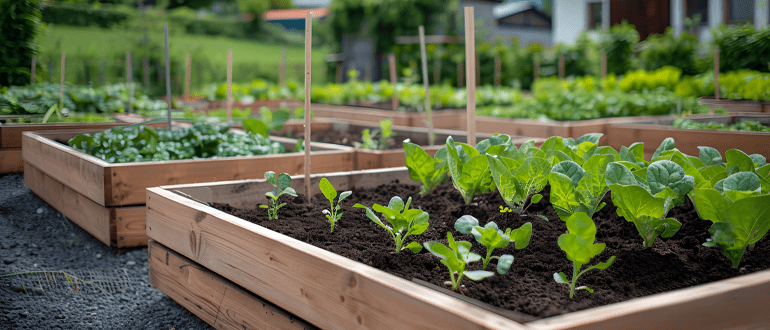
One of the most effective applications of Garden Horizons Codes is the raised garden bed. Raised beds improve soil quality, drainage, and accessibility. Here’s how to build one:
- Location: Choose a sunny spot with 6–8 hours of light.
- Materials: Use cedar, redwood, or recycled timber. Stone or brick can also be used for durability.
- Dimensions: Keep width under 1.2m for easy reach; length can vary depending on space.
- Soil Mix: 40% topsoil, 40% compost, 20% sand/perlite for aeration.
Raised beds also reduce weed growth, warm up faster in spring, and make maintenance easier. This simple structure embodies DIY gardening success by making planting more efficient and rewarding.
Soil Health and Sustainability
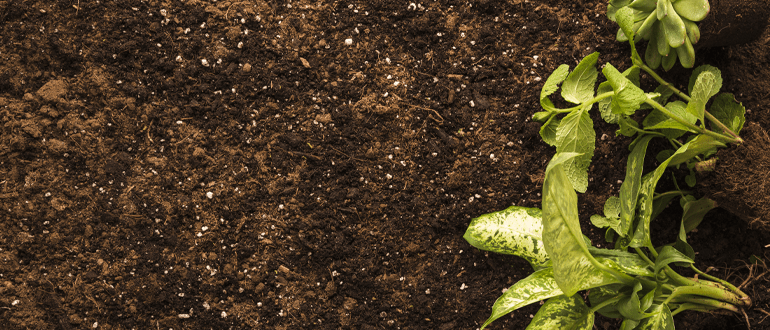
Healthy soil is the foundation of every successful garden, and the Garden Horizons Codes emphasize that soil should be treated as a living ecosystem rather than just dirt. Strong soil supports plant growth, conserves water, and nurtures biodiversity, making it central to DIY gardening success. By focusing on organic enrichment, gardeners can build soil that is fertile, resilient, and sustainable for years to come.
Organic Enrichment
Adding compost, mulch, and worm castings is one of the most effective ways to improve soil health. Compost introduces essential nutrients and beneficial microorganisms, mulch protects against erosion and moisture loss, and worm castings enhance soil structure while boosting plant immunity. These natural amendments create a balanced environment where plants thrive without the need for synthetic fertilizers.
Crop Rotation
Rotating crops is another vital practice. Planting the same crop repeatedly in one area depletes specific nutrients and encourages pests and diseases. By rotating leafy greens, root vegetables, legumes, and fruiting plants, gardeners restore balance and maintain soil fertility. Raised beds make crop rotation easier to manage, allowing clear divisions for seasonal planning and nutrient cycling.
Avoiding Chemicals
Avoiding chemical fertilizers is key to sustainability. While they may provide short‑term growth, they often damage soil structure, kill beneficial organisms, and pollute water systems. Instead, natural amendments such as bone meal, seaweed extract, or compost tea provide nutrients without harming the environment. This approach aligns with sustainable gardening, reducing reliance on synthetic inputs and protecting ecosystems.
Biodiversity and Cover Crops
Encouraging biodiversity strengthens soil health. Planting cover crops such as clover, rye, or vetch prevents erosion, adds organic matter, and fixes nitrogen in the soil. These plants act as living mulch, improving fertility while supporting pollinators and beneficial insects. Biodiversity also reduces pest outbreaks by creating a balanced ecosystem where natural predators thrive.
Long‑Term Benefits
Strong soil not only supports immediate plant growth but also contributes to long‑term sustainability. Healthy soil retains water more effectively, reducing irrigation needs, and resists compaction, making it easier to cultivate. It also sequesters carbon, helping combat climate change. By following the Garden Horizons Codes, gardeners create soil systems that are productive, eco‑friendly, and resilient against environmental challenges.
Smart Planting Techniques
DIY gardening thrives on smart choices, and the Garden Horizons Codes emphasize planting strategies that work in harmony with nature. Companion planting — such as basil with tomatoes or marigolds with beans — reduces pests naturally while also improving flavor and yield. Mulching is another cornerstone technique; it conserves water, suppresses weeds, and stabilizes soil temperature, making it essential across all seasons.
Together, these practices create healthier plants and more resilient gardens, especially when combined with thoughtful seasonal planning.
Spring
Spring is the season of renewal, when leafy greens like lettuce, spinach, and arugula thrive in cool weather. Herbs such as parsley and cilantro add flavor and fragrance, while peas and radishes make excellent companions.
Raised beds warm quickly, giving seedlings a strong start, and mulching helps retain moisture during unpredictable rains.
By following Garden Horizons Codes, spring gardens become vibrant and productive, setting the rhythm for the year ahead.
Summer
Summer brings warmth and long days, perfect for fruiting crops like tomatoes, peppers, cucumbers, and beans. Basil planted near tomatoes enhances flavor and deters pests, while marigolds protect beans from harmful insects. Mulching is critical in summer to conserve water and keep soil cool.
Raised beds allow gardeners to manage irrigation more effectively, ensuring plants stay hydrated during hot spells.
With careful planning, summer gardens deliver abundant harvests and showcase the resilience of DIY gardening success.
Autumn
Autumn is the season for root crops and storage vegetables. Carrots, beets, radishes, and turnips thrive in cooler soil, while hardy greens like kale and Swiss chard continue to flourish.
Crop rotation becomes especially important in autumn, replenishing soil nutrients after summer’s heavy feeders. Raised beds make it easy to organize rotations and prepare soil with compost for winter.
By applying sustainable gardening practices, autumn gardens provide food security and extend harvests well into the colder months.
Winter
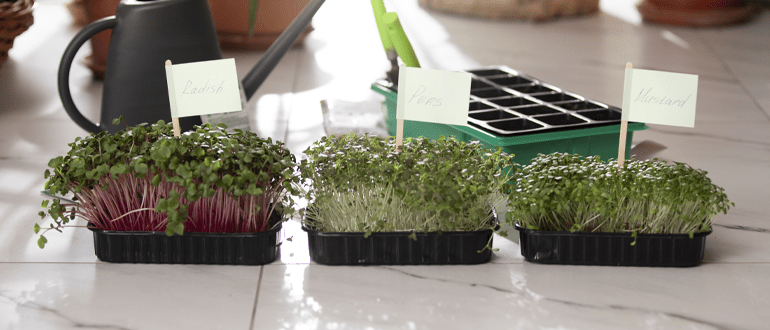
Winter may seem challenging, but hardy greens such as kale, spinach, mustard, and Swiss chard thrive in raised beds with proper protection. Cold frames, row covers, or mulching shield plants from frost, while cover crops like clover or rye enrich soil during the off‑season. Winter gardening emphasizes resilience and planning, ensuring fresh produce even when conditions are harsh.
By integrating native plants and biodiversity practices, gardeners improve soil health and prepare for spring.
Following Garden Horizons Codes, winter gardens become a symbol of endurance, proving that even small spaces can yield food year‑round.
Accessibility and Community Impact
Raised beds aren’t just practical; they’re inclusive. They make gardening accessible for children, seniors, and people with mobility challenges. Community gardens often use raised beds to encourage participation and education, spreading the values of sustainable gardening across neighborhoods.
By sharing knowledge and harvests, you extend the reach of your home garden into the wider community, fostering connection and resilience.
Common Mistakes to Avoid
Even with the best intentions, gardeners sometimes stumble. The Garden Horizons Codes philosophy helps you avoid these pitfalls by teaching balance, sustainability, and awareness.
Raised beds and DIY gardening can be incredibly rewarding, but overlooking small details often leads to frustration. Let’s explore the most common mistakes and how to prevent them.
Overwatering
One of the most frequent errors is overwatering, which suffocates roots and leads to rot. Many beginners assume more water equals healthier plants, but in reality, excess moisture reduces oxygen in the soil and encourages fungal growth.
Raised beds dry faster than traditional plots, so watering should be measured and consistent.
Using mulch helps retain moisture without drowning plants, while drip irrigation systems provide controlled hydration.
The Garden Horizons Codes emphasize observing your plants — wilted leaves may signal stress, but yellowing or soggy soil often means too much water.
Using Chemically Treated Wood
Another mistake is building raised beds with chemically treated timber. Pressure‑treated wood may leach toxins into the soil, contaminating vegetables and herbs. Instead, opt for cedar, redwood, or reclaimed untreated timber. Stone, brick, or recycled composite materials are also safe alternatives.
Choosing eco‑friendly materials aligns with sustainable gardening principles and ensures your harvest is safe to eat. Garden Horizons Codes encourage gardeners to think long‑term: the materials you select today affect soil health and food quality for years to come.
Planting Too Densely
Beginners often plant seeds too close together, believing it will maximize yield. In reality, dense planting restricts airflow, increases humidity, and creates conditions for disease.
Crowded plants compete for nutrients, sunlight, and water, leading to stunted growth. Following spacing guidelines on seed packets or using companion planting charts helps maintain balance.
Raised beds make spacing easier to manage, and thinning seedlings early prevents overcrowding. By respecting plant spacing, you encourage healthier growth and reduce the risk of pests and mildew.
Ignoring Crop Rotation
Crop rotation is a cornerstone of sustainable gardening, yet many overlook it. Planting the same crop in the same spot season after season depletes soil nutrients and encourages pests that specialize in those plants.
For example, tomatoes repeatedly grown in one bed invite soil‑borne diseases. Rotating crops — leafy greens, root vegetables, legumes, and fruiting plants — restores balance and keeps soil fertile.
Garden Horizons Codes highlight rotation as a way to mimic natural cycles, ensuring long‑term productivity and resilience.
Other Common Pitfalls
Beyond these four, gardeners sometimes neglect soil enrichment, relying too heavily on chemical fertilizers instead of compost or organic amendments.
Others fail to account for sunlight, planting shade‑loving crops in full sun or vice versa.
Some ignore seasonal planning, attempting summer crops in winter conditions, which leads to disappointment. Raised beds simplify these challenges by offering controlled environments, but awareness and planning remain essential.
By steering clear of these mistakes — overwatering, using treated wood, planting too densely, and ignoring crop rotation — your raised bed remains healthy and productive.
The Garden Horizons Codes provide a framework for avoiding these pitfalls, guiding gardeners toward sustainable, eco‑friendly practices. Every choice, from the materials you use to the way you water and rotate crops, shapes the success of your garden.
With mindfulness and planning, DIY gardening becomes not just a hobby but a reliable source of food, wellness, and community impact.
Case Study: A Beginner’s Success Story
Take Sarah, a first‑time gardener who applied Garden Horizons Codes with enthusiasm. She built her raised bed using reclaimed timber, carefully enriched the soil with kitchen compost, and planted a mix of spinach, carrots, and marigolds.
Within three months, she harvested fresh vegetables and noticed fewer pests thanks to companion planting. Her small home garden quickly became a source of pride, health, and sustainability, showing her how accessible and rewarding DIY gardening can be.
Encouraged by her early success, Sarah expanded her garden by adding herbs such as basil and parsley, which complemented her vegetables and improved flavor in her cooking.
She also experimented with seasonal planting, learning how to rotate crops for better soil health.
Joining a local community gardening group gave her new insights into organic soil amendments and sustainable practices.
Over time, her garden became more than a food source — it evolved into a place of relaxation, creativity, and connection with neighbors, perfectly reflecting the principles of Garden Horizons Codes.
Advanced Gardening Practices
To push your garden further, explore advanced techniques that blend innovation with sustainability.
These methods go beyond traditional raised beds and seasonal planting, offering creative ways to maximize space, improve yields, and build long‑term resilience.
Permaculture Design focuses on creating self‑sustaining ecosystems where plants, animals, soil, and water work together in harmony. By mimicking natural systems, gardeners reduce waste, recycle nutrients, and design spaces that thrive with minimal intervention. A permaculture garden might include food forests, rainwater harvesting, and composting zones, all integrated into a balanced landscape.
Vertical Gardening is ideal for small spaces, using trellises, towers, or wall planters to grow upward instead of outward.
Tomatoes, cucumbers, beans, and even strawberries flourish in vertical systems, making them perfect for balconies, patios, or compact urban gardens. This approach not only saves space but also improves airflow and reduces pest problems.
Hydroponics & Aquaponics introduce soil‑free growing methods. Hydroponics uses nutrient‑rich water to feed plants directly, while aquaponics combines fish farming with plant cultivation, creating a closed‑loop system where fish waste nourishes crops.
These techniques are highly efficient, producing faster growth and higher yields, and they align with Garden Horizons Codes by promoting resource conservation.
Native Plant Integration supports local biodiversity and strengthens ecosystems. By planting species adapted to your region, you reduce water use, attract pollinators, and create habitats for beneficial insects and birds. Native plants also improve soil health and resilience, making your garden more sustainable in the long run.
Together, these advanced practices expand the Garden Horizons Codes philosophy into modern, innovative gardening approaches. They empower gardeners to experiment, adapt, and design spaces that are not only productive but also ecologically responsible.
Whether you’re building a permaculture food forest, setting up a vertical garden on your balcony, or experimenting with hydroponics indoors, these methods prove that DIY gardening can evolve into a future‑ready lifestyle.
Conclusion
Garden Horizons Codes: The Key to DIY Gardening Success is much more than a simple gardening concept or catchy phrase. It represents a practical approach to creating thriving outdoor spaces through thoughtful planning, sustainable practices, and hands-on learning. Whether you are a beginner planting your very first seeds or an experienced gardener expanding your growing space, these principles provide a roadmap for achieving long-term gardening success. By embracing the fundamentals of soil health, plant care, garden design, and environmental responsibility, anyone can transform an ordinary space into a productive and beautiful home garden.
One of the most rewarding aspects of gardening is that it empowers individuals to take control of their growing environment. Rather than relying solely on commercial products or professional landscaping services, DIY gardening allows people to develop practical skills that can be used season after season. Building raised beds, composting kitchen scraps, improving soil quality, and selecting appropriate plants are all valuable activities that contribute to a self-sustaining garden ecosystem. These simple yet effective practices help gardeners become more connected to the natural processes that support plant growth and overall environmental health.
A successful home garden begins with understanding the importance of healthy soil. Soil is the foundation of every garden and plays a critical role in supplying nutrients, retaining moisture, and supporting strong root development. Gardeners who focus on improving soil through compost, organic matter, and proper cultivation techniques often experience higher yields, stronger plants, and fewer gardening challenges. Healthy soil not only benefits individual plants but also supports beneficial microorganisms, earthworms, and other organisms that contribute to a balanced ecosystem.
Another important lesson within the Garden Horizons philosophy is the value of planning. Careful garden planning helps maximize available space while ensuring that plants receive the sunlight, water, and nutrients they need to thrive. Whether growing vegetables, herbs, flowers, or a combination of all three, thoughtful design can significantly improve productivity and visual appeal. Raised beds, vertical gardening structures, companion planting arrangements, and container gardens are excellent examples of how creative planning can increase efficiency while making gardening more enjoyable.
Gardening also teaches patience and persistence. Unlike many modern activities that offer instant results, gardening requires time, observation, and consistent care. Seeds need time to germinate, young plants require nurturing, and environmental conditions often influence the pace of growth. Through this process, gardeners learn valuable life skills such as patience, adaptability, and problem-solving. Challenges such as pest infestations, unpredictable weather, or seasonal changes become opportunities to learn and improve. Every gardening season brings new experiences that help build confidence and expertise.
The environmental benefits of following Garden Horizons principles are equally significant. Sustainable gardening practices help conserve natural resources while promoting healthier ecosystems. Composting reduces household waste, rainwater collection systems conserve water, and organic gardening methods reduce dependence on synthetic chemicals. By making environmentally responsible choices, gardeners can contribute to cleaner air, healthier soil, and increased biodiversity. Pollinator-friendly plants, native species, and wildlife habitats further enhance the positive impact that gardens can have on local ecosystems.
A thriving home garden does more than provide beauty and fresh produce. It creates opportunities for personal well-being and relaxation. Spending time outdoors among plants has been linked to reduced stress levels, improved mood, and greater overall mental health. Gardening encourages physical activity through planting, weeding, watering, and harvesting, making it an enjoyable form of exercise for people of all ages. The sense of accomplishment that comes from growing food, nurturing flowers, or maintaining a healthy landscape can have lasting positive effects on self-confidence and emotional wellness.
Food production is another powerful benefit of DIY gardening. Growing vegetables, fruits, and herbs at home provides access to fresh, nutritious produce while reducing grocery expenses and dependence on commercial food systems. Homegrown food is often harvested at peak ripeness, resulting in superior flavor and nutritional value. Gardeners gain a deeper appreciation for the effort required to grow food and often develop healthier eating habits as a result. Even a small home garden can produce a surprising amount of fresh produce throughout the growing season.
Community involvement is another valuable aspect of gardening. Many gardeners share seeds, exchange growing tips, and collaborate on community projects that strengthen local connections. Gardening fosters a sense of cooperation and shared purpose, bringing people together through a common interest in nature and sustainability. Community gardens, neighborhood beautification projects, and educational gardening programs all demonstrate how gardening can positively impact society beyond individual households.
The Garden Horizons approach also emphasizes continuous learning. No matter how experienced a gardener becomes, there is always something new to discover. New plant varieties, growing techniques, sustainability innovations, and environmental challenges provide ongoing opportunities for growth and improvement. Successful gardeners remain curious and adaptable, understanding that every season offers valuable lessons. Maintaining a gardening journal, experimenting with new methods, and learning from both successes and failures are all important parts of the journey.
Technology and traditional gardening knowledge can work together to support gardening success. Modern gardeners have access to a wide range of resources, including soil testing tools, weather forecasting apps, irrigation systems, and online gardening communities. When combined with time-tested practices such as composting, crop rotation, and companion planting, these tools can help create highly productive and efficient gardens. The balance between innovation and tradition reflects the evolving nature of modern gardening while preserving the core principles that have guided gardeners for generations.
Perhaps the most important message behind Garden Horizons Codes: The Key to DIY Gardening Success is that anyone can become a successful gardener. You do not need vast amounts of land, expensive equipment, or years of experience to start growing. A few containers on a patio, a small raised bed in the backyard, or a collection of herbs on a windowsill can serve as the beginning of a rewarding gardening journey. The key is to start small, learn consistently, and remain committed to improving your skills over time.
As environmental awareness continues to grow around the world, home gardening has become an increasingly valuable way to support sustainability and self-sufficiency. Every garden, regardless of size, contributes to a healthier planet by supporting pollinators, improving air quality, reducing food transportation needs, and promoting responsible resource use. These seemingly small actions collectively make a meaningful difference in building more sustainable communities and protecting natural ecosystems for future generations.
Ultimately, gardening is about growth in every sense of the word. Plants grow, gardens flourish, knowledge expands, and personal connections deepen. The journey is filled with opportunities to learn, create, and contribute positively to the world around us. By applying the principles found within the Garden Horizons philosophy, gardeners can develop landscapes that are productive, eco-friendly, and inspiring.
Every seed planted represents hope, possibility, and future abundance. Every raised bed built and every plant nurtured moves us closer to a more sustainable and fulfilling lifestyle. With dedication, patience, and a willingness to learn, your home garden can become a source of beauty, nourishment, relaxation, and pride for years to come. The path to gardening success begins with a single step, and each season offers new opportunities to grow, both as a gardener and as a steward of the natural world.

One Reply to “8 Ways Garden Horizons Codes Unlock DIY Gardening Success”
Rama Krishna
02 Sep 2026
This really captures why raised beds have become the go-to starting point for new gardeners — the accessibility angle doesn’t get enough attention in most gardening guides. I’d add that the 40/40/20 soil mix ratio you mentioned is a great baseline, but it’s worth tweaking slightly for heavy clay regions where extra perlite or coarse sand can prevent the bed from staying waterlogged after rain. Also appreciated the emphasis on crop rotation within raised beds specifically — a lot of guides treat rotation as something only for large plots, but dividing a single raised bed into rotation zones is such a practical way to apply it on a small scale. Looking forward to more seasonal breakdowns like this.