
24
Jul
15 Fascinating Facts About Cacti: The Ultimate Guide to These Remarkable Desert Plants, Cacti are among the most unique and resilient plants in the world. Known for their distinctive shapes, spiny exteriors, and incredible ability to survive in harsh environments, cacti have become popular choices for both indoor and outdoor gardens. Whether you’re a beginner gardener or an experienced plant enthusiast, cacti offer beauty, character, and low-maintenance care.
In this guide, we’ll explore what makes cacti special, their benefits, popular varieties, and practical tips for growing them successfully.
What Are Cacti?
Cacti are succulent plants that belong to the Cactaceae family. They are primarily native to the Americas and thrive in desert and arid regions where rainfall is scarce and temperatures can be extreme. Over thousands of years, cacti have evolved specialized features that allow them to conserve water and survive conditions that would be challenging for most other plants.
Unlike traditional plants that rely heavily on leaves for photosynthesis, most cacti perform this process through their thick green stems. This adaptation significantly reduces water loss and helps them thrive in dry environments.
Today, there are over 2,000 known species of cacti, ranging from tiny miniature varieties to towering giants that dominate desert landscapes.
Why Are Cacti So Popular?
Cacti have gained worldwide popularity because they combine visual appeal with remarkable durability. Their unusual forms make them stand out among other houseplants, while their low-maintenance nature makes them ideal for busy lifestyles.
Benefits of Growing Cacti
- Require very little water
- Thrive in hot and sunny conditions
- Available in many unique shapes and sizes
- Perfect for beginners
- Ideal for indoor and outdoor gardens
- Add a modern and decorative touch to any space
- Long lifespan with proper care
- Generally resistant to neglect
- Excellent for drought-tolerant landscaping
- Can thrive in containers and small spaces
Their resilience makes them one of the easiest and most rewarding plant groups to maintain.
The Amazing Evolution of Cacti
The survival strategies of cacti are among the most fascinating in the plant kingdom. These plants have evolved specifically to handle extreme drought conditions.
Some of their adaptations include:
- Water-storing stems
- Protective spines
- Thick waxy coatings
- Extensive root systems
- Specialized photosynthesis processes
These adaptations enable cacti to store water during rare rainstorms and use it slowly over long periods.
Many species can survive months without receiving significant rainfall, making them true masters of water conservation.
Unique Features of Cacti
Water Storage
One of the most remarkable features of cacti is their ability to store water in their thick stems. After rainfall, a cactus can absorb and retain large amounts of water, allowing it to survive for extended periods without additional moisture.
The stems often expand after absorbing water and gradually shrink as reserves are used.
Spines Instead of Leaves
Most cacti have spines rather than traditional leaves. These spines serve several important purposes:
- Reduce water loss
- Protect against herbivores
- Provide shade
- Help collect moisture from the air
The absence of leaves significantly minimizes evaporation.
Specialized Skin
Most cacti possess a thick outer layer that limits moisture loss. This waxy protective coating acts as a barrier against intense sunlight and dry conditions.
Diverse Shapes and Sizes
Cacti come in an incredible variety of forms, including:
- Spherical
- Columnar
- Branching
- Climbing
- Flat-padded
- Tree-like
This diversity contributes greatly to their ornamental appeal.
Popular Types of Cacti
Barrel Cactus
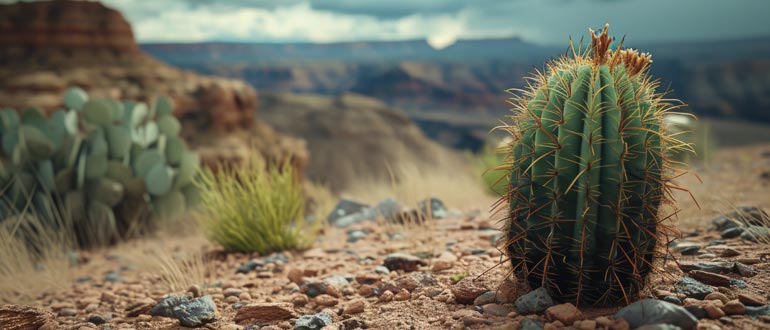
The Barrel Cactus is known for its rounded shape and prominent spines. It is commonly associated with classic desert scenery and can become impressively large over time.
Prickly Pear Cactus
This cactus features flat paddle-shaped segments and often produces colorful flowers followed by edible fruits.
Prickly Pears are widely cultivated for both ornamental and culinary purposes.
Christmas Cactus
Unlike many desert cacti, the Christmas Cactus grows naturally in tropical forests. It produces stunning flowers and is a favorite holiday houseplant.
Saguaro Cactus
The Saguaro is perhaps the most iconic cactus in the world. It can reach heights of over 40 feet and live for more than 150 years.
Golden Barrel Cactus
This visually striking cactus is prized for its symmetrical shape and golden-yellow spines.
Bunny Ear Cactus
Named for its pad-like segments that resemble rabbit ears, this cactus is popular among indoor plant enthusiasts.
The Life Cycle of a Cactus
Cacti are typically slow-growing plants. Some species may take years to reach maturity, while larger varieties require decades.
Their life cycle generally includes:
- Seed germination
- Juvenile growth
- Maturity
- Flowering
- Seed production
Patience is often required when growing cacti, but the rewards can be long-lasting.
Beautiful Cactus Flowers
Many people are surprised to learn that cacti produce some of the most beautiful flowers in the plant world.
Cactus flowers can be:
- Red
- Yellow
- Pink
- White
- Orange
- Purple
Some blooms last for several days, while others open for only a single night.
Night-blooming cactus species often rely on bats or moths for pollination.
How to Care for Cacti
Provide Plenty of Sunlight
Most cacti require abundant sunlight.
Ideal locations include:
- South-facing windows
- Sunny patios
- Bright balconies
- Greenhouses
Most species benefit from at least six hours of sunlight daily.
Avoid Overwatering
The most common cactus care mistake is overwatering.
A good rule is:
- Water thoroughly
- Allow soil to dry completely
- Water again only when needed
Overwatering can quickly lead to root rot and other serious issues.
Use Well-Draining Soil
Cacti require loose, fast-draining soil.
Good cactus mixes often contain:
- Sand
- Perlite
- Pumice
- Gravel
Proper drainage is essential for healthy roots.
Choose the Right Container
The best cactus containers include drainage holes.
Terracotta pots are particularly beneficial because they allow excess moisture to evaporate more easily.
Fertilizing Cacti
Although cacti can survive in nutrient-poor conditions, occasional fertilization can encourage growth and flowering.
Use:
- Low-nitrogen cactus fertilizer
- Diluted liquid fertilizer
- Balanced succulent food
Feed during active growing periods in spring and summer.
Avoid excessive fertilization, which may cause weak growth.
Repotting Cacti
Many cacti need repotting every few years.
Signs that repotting is necessary include:
- Root crowding
- Slow growth
- Soil depletion
- Plant instability
When handling spiny varieties, use gloves or folded newspaper to avoid injury.
Repotting provides fresh nutrients and additional room for root expansion.
Common Cactus Problems
Root Rot
Usually caused by excessive watering.
Symptoms include:
- Soft stems
- Discoloration
- Foul odors
Reducing moisture and improving drainage can help prevent this issue.
Sunburn
While cacti enjoy sunlight, sudden exposure to intense sun can sometimes cause damage.
Signs include:
- White spots
- Yellow patches
- Brown areas
Gradual adjustment to brighter conditions can prevent burn damage.
Pest Infestations
Common pests include:
- Mealybugs
- Scale insects
- Spider mites
Regular inspections help identify problems before they become severe.
Indoor Decorating With Cacti
Cacti are excellent decorative plants.
Desk Decorations
Small varieties fit perfectly on:
- Work desks
- Shelves
- Coffee tables
- Windowsills
They add color and personality without requiring frequent maintenance.
Modern Interior Design
Cacti complement:
- Minimalist designs
- Contemporary spaces
- Industrial interiors
- Scandinavian décor
Their architectural forms create visual interest and texture.
Terrarium Displays
Miniature cacti can be arranged in decorative containers to create unique indoor displays.
Outdoor Landscaping With Cacti
In suitable climates, cacti are valuable landscaping plants.
Desert Gardens
Cacti serve as the foundation of many xeriscape and desert-themed gardens.
Rock Gardens
Their dramatic forms pair beautifully with:
- Stones
- Gravel
- Boulders
- Succulents
Focal Points
Larger species can become striking centerpieces within landscape designs.
Environmental Benefits of Cacti
Cacti offer several environmental advantages.
Water Conservation
Because they require minimal irrigation, cacti help conserve water resources.
Reduced Maintenance
Less watering means:
- Lower utility costs
- Less labor
- Reduced environmental impact
Wildlife Support
Many desert animals depend on cacti for:
- Food
- Shelter
- Nesting sites
- Protection
Cactus flowers also provide nectar for pollinators.
Why Cacti Are Perfect for Busy People
If you love plants but have limited time, cacti are difficult to beat.
Their key advantages include:
- Minimal watering needs
- Low maintenance requirements
- Long lifespan
- Drought tolerance
- Adaptability to small spaces
Even people with demanding schedules can successfully maintain healthy cactus collections.
Many cacti actually perform better when left alone rather than receiving excessive attention.
Building a Cactus Collection
One reason cactus growing becomes so addictive is the enormous variety available.
Collectors often enjoy finding:
- Rare species
- Unusual shapes
- Unique spine patterns
- Colorful flowering varieties
- Miniature specimens
A collection can gradually grow from a single plant to dozens of fascinating species.
Because many cacti require similar care, maintaining a diverse collection remains relatively easy.
Fun Facts About Cacti
Here are some fascinating cactus facts:
- Some cacti can live for over 200 years.
- The Saguaro may not grow its first arm until it is several decades old.
- Certain cactus fruits are edible and highly nutritious.
- Some species bloom only once per year.
- Cactus spines are modified leaves.
- Thousands of cactus species exist worldwide.
- Some cacti grow in rainforests rather than deserts.
- Certain species produce flowers larger than the plant itself.
These remarkable characteristics continue to captivate gardeners and scientists alike.
Cacti are extraordinary plants that combine beauty, resilience, and simplicity. Their ability to thrive in dry conditions, unique shapes, fascinating adaptations, and low-maintenance nature make them favorites among gardeners and plant enthusiasts worldwide.
Whether you’re decorating a home office, creating a drought-tolerant landscape, starting a houseplant collection, or simply looking for an easy-care plant, cacti offer exceptional value and visual appeal. From towering Saguaros to tiny potted specimens, these remarkable plants bring character and charm wherever they grow.
Case Study: How Cacti Transformed a Low-Maintenance Office and Improved Workplace Satisfaction
Introduction
As businesses increasingly focus on creating healthier and more engaging work environments, indoor plants have become an important part of office design. While many organizations choose traditional houseplants, some are turning to more resilient and distinctive options such as cacti.
Known for their striking appearance, drought tolerance, and minimal maintenance requirements, cacti offer a practical solution for businesses seeking to enhance office aesthetics without increasing maintenance costs. This case study explores how one company successfully integrated cacti into its workplace, the challenges it faced, and the measurable benefits it experienced over a twelve-month period.
The study demonstrates that simple environmental improvements can have a meaningful impact on employee satisfaction, workplace atmosphere, and office design.
Company Background
InnovateTech Solutions, a software development company with approximately 75 employees, operates from a modern office in a busy urban area.
Despite strong business performance, management identified several workplace concerns during an annual employee satisfaction survey:
- Office spaces felt dull and impersonal.
- Employees wanted more natural elements in the workplace.
- Traditional indoor plants previously installed required extensive maintenance.
- Maintenance costs were increasing.
- Several plants repeatedly died due to inconsistent watering schedules.
The company sought an attractive, affordable, and sustainable solution that would improve the office environment without creating additional responsibilities for employees or facility managers.
After consulting interior designers and workplace wellness advisors, management decided to test the use of cacti throughout the office.
Project Objectives
The cactus installation project was created with five primary objectives:
1. Improve Office Aesthetics
Management wanted to create a more visually appealing environment that reflected creativity and innovation.
2. Reduce Plant Maintenance Costs
The company sought a plant solution that required less frequent care than traditional indoor foliage.
3. Increase Employee Satisfaction
Leadership hoped that adding greenery would contribute to improved workplace morale.
4. Support Sustainability Goals
The organization wanted plants that required minimal water consumption.
5. Create a Distinctive Office Identity
The company aimed to establish a modern and memorable design that would impress clients and visitors.
Planning and Plant Selection
The facilities team researched numerous indoor plant options before selecting cacti.
The evaluation criteria included:
- Ease of care
- Water requirements
- Lifespan
- Aesthetic appeal
- Cost efficiency
- Suitability for office conditions
Several plants were considered:
- Snake Plants
- ZZ Plants
- Peace Lilies
- Ponytail Palms
- Assorted Cacti
After comparing options, the company selected a diverse collection of cactus varieties due to their durability and unique appearance.
Implementation Strategy
The project was introduced over two months.
Initial Installation
The company purchased:
- 40 small desk-sized cacti
- 20 medium-sized decorative cacti
- 8 large statement cacti
Popular species included:
- Golden Barrel Cactus
- Bunny Ear Cactus
- Moon Cactus
- Fairy Castle Cactus
- Small Columnar Cacti
The plants were strategically positioned throughout the office.
Placement Areas
Reception Area
Large decorative cacti were placed near the reception desk to create strong first impressions.
Employee Workstations
Small potted cacti were offered to employees who wanted personalized desk plants.
Meeting Rooms
Medium-sized cacti were used to introduce natural elements without creating clutter.
Break Areas
Several cactus arrangements were placed in communal spaces to add visual warmth.
Executive Offices
Premium decorative cactus displays complemented modern office furnishings.
Employee Reactions
Initial employee reactions exceeded management expectations.
Within the first few weeks, staff began commenting positively on the office’s updated appearance.
Common feedback included:
- “The office feels more modern.”
- “The plants make the workspace feel less sterile.”
- “I like that they don’t require constant attention.”
- “The cactus designs are unique.”
Employees appreciated that the chosen plants reflected the company’s innovative culture.
Impact on Office Design
One of the project’s most visible outcomes was an improvement in workplace aesthetics.
Prior to the installation, office décor mainly consisted of:
- White walls
- Glass partitions
- Standard office furniture
While functional, the space lacked personality.
The addition of cacti introduced:
- Color variation
- Natural textures
- Visual interest
- Architectural shapes
Visitors frequently commented on the unique design elements throughout the office.
Maintenance Benefits
A primary objective of the initiative was reducing maintenance demands.
The facilities department tracked maintenance requirements before and after implementation.
Before Cactus Installation
Traditional plants required:
- Weekly watering
- Frequent pruning
- Soil replacements
- Plant replacements
After Cactus Installation
Maintenance requirements decreased significantly.
Tasks were reduced to:
- Occasional watering
- Quarterly inspections
- Minimal cleaning
Maintenance staff reported spending substantially less time caring for plants compared to previous vegetation.
Water Conservation Results
The company’s sustainability team monitored water usage related to plant maintenance.
Because cacti naturally store water and thrive in dry conditions, watering frequency dropped dramatically.
Benefits included:
- Reduced water consumption
- Lower utility costs
- More sustainable operations
- Less plant loss due to overwatering
Management considered the environmental benefits an unexpected but valuable outcome.
Employee Well-Being Survey
Six months after implementation, Human Resources conducted a follow-up survey.
Employees reported improvements in several areas.
Workplace Comfort
More than half of respondents indicated that the office felt more comfortable and welcoming.
Visual Appeal
Most employees agreed that the workplace looked more attractive than before.
Stress Perception
Many participants reported that the addition of plants contributed to a calmer work environment.
Although numerous factors influence workplace wellness, employees consistently cited the new greenery as a positive enhancement.
Impact on Productivity
The company did not claim that cacti directly increased productivity.
However, qualitative feedback suggested positive outcomes.
Employees said the plants:
- Reduced visual monotony
- Added personality to workspaces
- Created a more pleasant atmosphere
- Improved workspace satisfaction
Several employees who worked long hours stated they appreciated having greenery visible during the workday.
Client Impressions
The reception area became one of the most discussed aspects of the office.
Clients regularly commented on:
- The unique cactus displays
- The company’s creative design choices
- The modern aesthetic
Some clients even requested recommendations for similar plants for their own offices.
The cactus arrangements became conversation starters during meetings, helping establish rapport and making visits more memorable.
Unexpected Benefits
Several unplanned advantages emerged during the project.
Increased Employee Interest in Gardening
Employees became curious about plant care and sustainability.
Several staff members began purchasing:
- Small cacti
- Succulents
- Indoor plants
for their homes.
The company even organized a voluntary workshop on indoor plant care due to employee interest.
Social Media Engagement
The marketing team noticed that visitors frequently photographed the office’s cactus displays.
Images shared on social media generated positive engagement and enhanced the company’s modern brand image.
The cactus installations indirectly supported marketing efforts by making the workplace visually distinctive.
Improved Workspace Personalization
Desk-sized cacti gave employees a way to personalize workstations without creating clutter.
Unlike larger decorative items, small cacti fit naturally into professional office settings.
Many workers viewed their cactus as a small but meaningful addition to their daily workspace.
Challenges Encountered
While successful overall, the project faced several challenges.
Overwatering
Initially, some employees watered desk cacti too frequently.
This resulted in:
- Soft stems
- Root rot
- Damaged plants
To address the issue, the facilities team distributed simple care instructions.
Lighting Concerns
Not all office areas received adequate sunlight.
Solutions included:
- Relocating certain plants
- Rotating displays periodically
- Selecting species better suited to lower light environments
These adjustments helped maintain healthy plant growth.
Financial Analysis
Management conducted a cost-benefit review one year after implementation.
Initial Costs
Expenses included:
- Plant purchases
- Decorative containers
- Placement materials
Ongoing Costs
Maintenance expenses remained extremely low because cacti:
- Required little water
- Needed infrequent care
- Experienced fewer plant losses
Compared to previous indoor plant programs, overall maintenance costs decreased significantly.
Long-Term Results
After twelve months, the cactus initiative was evaluated against its original objectives.
Objective 1: Improve Office Aesthetics
Achieved
Both employees and visitors reported noticeable improvements in office appearance.
Objective 2: Reduce Maintenance Costs
Achieved
Plant care costs fell considerably.
Objective 3: Increase Employee Satisfaction
Achieved
Survey responses indicated higher satisfaction with the physical work environment.
Objective 4: Support Sustainability
Achieved
Water usage for plant maintenance was substantially reduced.
Objective 5: Create Distinctive Design
Achieved
The cactus displays became a recognizable feature of the company’s office identity.
Key Lessons Learned
The project generated several important insights.
Low-Maintenance Plants Offer Significant Value
Organizations often assume all indoor plants require extensive care, but cacti proved otherwise.
Design and Function Can Coexist
The plants improved aesthetics while supporting sustainability goals.
Small Changes Can Deliver Big Results
Relatively inexpensive additions transformed employee perceptions of the workplace.
Proper Education Matters
Simple care instructions prevented avoidable plant losses.
Unique Plants Create Memorable Experiences
The distinctive appearance of cacti generated more engagement than traditional office plants.
Recommendations for Other Businesses
Based on the results, InnovateTech Solutions recommends the following approach:
Start Small
Begin with a pilot installation before expanding throughout the workplace.
Select Multiple Varieties
Different cactus species create greater visual interest.
Provide Clear Care Instructions
Employee education reduces common maintenance mistakes.
Consider Placement Carefully
Match plant species to available lighting conditions.
Focus on Design Integration
Use cacti as part of a broader workplace design strategy rather than standalone decorations.
This case study demonstrates how the strategic introduction of cacti transformed the workplace environment at InnovateTech Solutions. What began as an effort to improve office aesthetics evolved into a successful initiative that enhanced employee satisfaction, reduced maintenance expenses, supported sustainability goals, and strengthened the company’s modern brand image.
The resilience, beauty, and low-maintenance nature of cacti made them an ideal choice for a busy professional environment. Their unique forms added personality and visual appeal while requiring far less attention than traditional indoor plants. Employees appreciated the enhanced atmosphere, clients responded positively to the distinctive décor, and management achieved all major project objectives with a relatively modest investment.
The experience highlights the value of thoughtful workplace design and demonstrates that even small environmental improvements can positively influence how people feel about the spaces where they work. For organizations seeking an affordable, attractive, and sustainable way to improve their workplace, cacti may provide an unexpectedly effective solution.
With the right balance of sunlight, proper soil, and occasional watering, cacti can thrive for decades while adding natural beauty to your indoor or outdoor environment. Their incredible survival abilities serve as a reminder that nature often flourishes in the most challenging conditions, making cacti some of the most inspiring plants on Earth.

Leave A Comment