
24
Jul
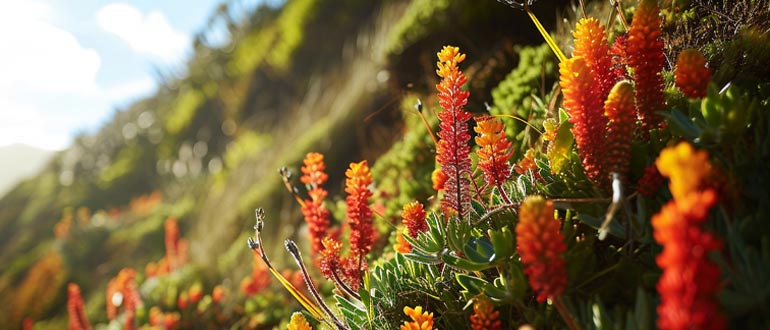
12 Remarkable Mountain Plants That Thrive in Extreme Conditions. Mountain regions are home to some of the most resilient plants on Earth. These plants thrive in challenging conditions, including cold temperatures, strong winds, rocky terrain, and limited soil. Despite these obstacles, mountain plants add beauty and life to landscapes around the world.
From snow-covered alpine peaks to rugged highland forests, mountain plants have evolved extraordinary survival strategies that allow them to flourish where many other species cannot. Their ability to adapt to harsh environments makes them fascinating subjects for botanists, gardeners, and nature enthusiasts alike.
Why Mountain Plants Are Unique
Mountain plants have adapted to survive in environments where many other plants cannot. Their special features help them conserve water, resist harsh weather, and grow in nutrient-poor soils.
Conditions in mountainous regions can be extremely challenging. Plants often face:
- Intense sunlight
- Freezing temperatures
- Heavy snowfall
- Strong winds
- Thin air at high elevations
- Short growing seasons
- Rocky and shallow soils
To survive these conditions, mountain plants have developed a range of specialized adaptations.
Common Adaptations
Deep Root Systems
Many mountain plants develop extensive root networks that anchor them securely in rocky terrain while helping them access moisture deep below the surface.
Small or Needle-Like Leaves
Smaller leaves reduce water loss and minimize damage from strong winds.
Resistance to Cold Temperatures
Many mountain species produce natural compounds that act like antifreeze, helping them survive freezing conditions.
Ability to Grow in Rocky Soil
Mountain plants are often capable of extracting nutrients from poor, rocky soils where other plants would struggle.
Tolerance to Strong Winds
Many species grow low to the ground or develop flexible stems that can withstand powerful mountain winds.
The Importance of Mountain Ecosystems
Mountain ecosystems support an incredible variety of life. Plants form the foundation of these ecosystems by providing food, shelter, and protection for countless animal species.
Without mountain vegetation:
- Soil erosion would increase dramatically.
- Wildlife habitats would disappear.
- Water quality would decline.
- Natural landscapes would become less stable.
Healthy mountain plant communities are essential for maintaining ecological balance.
Popular Plants Found in Mountains
Pine Trees
Pine trees are evergreen trees that remain green throughout the year. Their needle-shaped leaves help reduce water loss and protect them from freezing temperatures.
These trees can survive in some of the harshest mountain environments and often dominate high-altitude forests.
Pine trees also provide:
- Wildlife habitat
- Protection from erosion
- Year-round greenery
- Valuable wood resources
Rhododendrons
These flowering shrubs produce beautiful clusters of colorful blooms and are commonly found in mountain forests.
Rhododendrons thrive in cool conditions and can create spectacular floral displays during spring and summer.
Their flowers range in color from:
- White
- Pink
- Purple
- Red
- Yellow
Many mountain hiking trails become especially beautiful when rhododendrons bloom.
Edelweiss
A famous mountain flower known for its star-shaped white petals, Edelweiss is often associated with alpine regions.
The plant’s fuzzy appearance helps protect it from extreme cold and excessive sunlight.
Edelweiss has become a symbol of courage, resilience, and mountain adventure throughout Europe.
Juniper
Juniper plants are hardy shrubs that can survive in rocky and dry mountain conditions.
Their dense growth provides valuable shelter for birds and small mammals.
Junipers are also known for their aromatic foliage and ability to tolerate difficult growing conditions.
Spruce and Fir Trees
These evergreen trees provide shelter for wildlife and contribute significantly to the beauty of mountain landscapes.
Their cone-shaped structure helps snow slide off branches, preventing damage during heavy winter storms.
Many mountain forests consist primarily of spruce and fir species.
Additional Mountain Plants Worth Knowing
Alpine Aster
This colorful wildflower brightens alpine meadows with shades of blue, purple, and pink.
Despite harsh conditions, Alpine Asters produce beautiful blooms that attract pollinators during short mountain summers.
Mountain Avens
Mountain Avens are low-growing perennial plants that thrive at high elevations.
Their ability to grow close to the ground protects them from strong winds and freezing temperatures.
Alpine Forget-Me-Not
Known for its delicate blue flowers, this charming plant can be found in high-altitude mountain regions across the world.
It often grows in rocky areas where larger plants cannot establish themselves.
Saxifrage
The name Saxifrage means “rock breaker,” reflecting its ability to grow in cracks and crevices among rocks.
Its roots help stabilize rocky slopes while creating pockets of soil for other plants to colonize.
Heather
Heather is commonly found in mountainous and moorland environments.
Its dense growth pattern:
- Protects soil
- Prevents erosion
- Provides habitat for insects
- Produces attractive flowers
Heather-covered hillsides create stunning landscapes during blooming seasons.
How Mountain Plants Survive Harsh Winters
Winter presents one of the greatest challenges for mountain vegetation.
Many mountain plants survive by:
- Entering dormancy
- Reducing water content
- Growing beneath insulating snow cover
- Producing cold-resistant tissues
- Storing nutrients during warmer months
Snow may seem harmful, but it often acts as an insulating blanket that protects plants from extreme cold.
The Role of Mountain Plants in Water Conservation
Mountain plants play a crucial role in regulating water movement.
Their roots help:
- Absorb rainfall
- Stabilize soil
- Reduce flooding
- Recharge groundwater supplies
Mountain forests act as natural water towers that provide clean water to millions of people living downstream.
Without healthy vegetation, excessive runoff could lead to erosion and reduced water quality.
Wildlife That Depends on Mountain Plants
Many mountain animals rely heavily on local vegetation.
These animals include:
- Mountain goats
- Deer
- Rabbits
- Marmots
- Birds
- Insects
- Butterflies
Plants provide:
- Food
- Shelter
- Nesting materials
- Protection from predators
The survival of many wildlife species depends directly on healthy mountain plant communities.
Medicinal Uses of Mountain Plants
Throughout history, people have used mountain plants for traditional medicine.
Examples include:
- Juniper
- Arnica
- Certain alpine herbs
- Wildflowers with medicinal properties
Many modern medicines have origins in plants that were first used by mountain communities and indigenous cultures.
Researchers continue studying mountain vegetation for potential medical applications.
Mountain Plants and Climate Change
Climate change poses significant challenges for mountain ecosystems.
Rising temperatures can:
- Alter growing seasons
- Shift plant distributions
- Increase drought stress
- Introduce invasive species
- Threaten rare alpine plants
Many high-altitude species have limited options for migration because they already occupy the highest available elevations.
Conservation efforts are becoming increasingly important for protecting these unique environments.
Growing Mountain Plants in Home Gardens
Many mountain plants can be cultivated successfully in suitable gardens.
Gardeners often appreciate them because they are:
- Hardy
- Attractive
- Drought tolerant
- Low maintenance
Important considerations include:
Excellent Drainage
Most mountain plants dislike waterlogged soil.
Full Sun Exposure
Many species perform best when given plenty of sunlight.
Poor to Moderate Soil
Rich soils can sometimes encourage excessive growth and reduce resilience.
Protection from Excessive Humidity
Many alpine species prefer cooler, drier conditions.
Rock gardens often provide ideal environments for mountain plants.
Creating an Alpine Garden
Homeowners can recreate mountain landscapes through alpine gardening.
Popular design features include:
- Natural rocks
- Gravel pathways
- Raised beds
- Dwarf conifers
- Alpine flowers
An alpine garden offers year-round visual interest and requires relatively little maintenance once established.
These gardens are particularly suitable for areas with cooler climates.
Environmental Benefits of Mountain Plants
Mountain plants provide numerous ecological benefits.
Soil Stabilization
Their roots hold soil in place and reduce erosion.
Carbon Storage
Trees and shrubs help absorb carbon dioxide from the atmosphere.
Biodiversity Support
Plant communities support insects, birds, and mammals.
Air Quality Improvement
Vegetation helps filter pollutants and produce oxygen.
Climate Regulation
Mountain forests influence local weather patterns and temperature regulation.
These benefits extend far beyond mountain regions and positively impact surrounding ecosystems.
Cultural Significance of Mountain Plants
Many mountain plants hold cultural and symbolic importance.
For example:
- Edelweiss symbolizes courage and devotion.
- Pine trees represent longevity and resilience.
- Alpine flowers often appear in local folklore and traditions.
Mountain communities frequently celebrate these plants through festivals, art, and traditional practices.
Their cultural value adds another reason for conservation efforts.
Why Gardeners Admire Mountain Plants
Gardeners are increasingly drawn to mountain plants because of their adaptability and beauty.
These plants often require:
- Less water
- Less fertilizer
- Less maintenance
Their resilience makes them excellent choices for environmentally conscious landscaping.
Additionally, their unique forms and flowers provide visual interest that differs from traditional garden plants.
Mountain plants are remarkable examples of nature’s resilience and adaptability. From towering pine trees and majestic fir forests to delicate alpine flowers such as Edelweiss and Alpine Asters, these plants have evolved to flourish in some of the most demanding environments on Earth.
Their ability to survive freezing temperatures, rocky soils, powerful winds, and short growing seasons demonstrates the incredible adaptability of plant life. Beyond their beauty, mountain plants play critical roles in preventing soil erosion, supporting wildlife, conserving water, improving air quality, and maintaining healthy ecosystems.
Whether admired while hiking through mountain landscapes or cultivated in home gardens, these extraordinary plants continue to inspire gardeners, scientists, and nature lovers around the world. Their strength, elegance, and persistence serve as powerful reminders of nature’s ability to thrive even in the most challenging conditions.
Case Study: Restoring a Mountain Ecosystem Through Native Mountain Plants
Introduction
Mountain ecosystems are among the most diverse and environmentally important habitats on Earth. They provide clean water, support wildlife, prevent soil erosion, and contribute significantly to biodiversity. However, mountain regions are increasingly threatened by climate change, deforestation, land degradation, tourism development, and invasive plant species.
This case study examines a mountain restoration project conducted in the Green Valley Highlands, a fictional but realistic mountain region facing severe ecological challenges. The project focused on using native mountain plants such as pine trees, rhododendrons, junipers, spruce, fir trees, and alpine flowers to restore degraded landscapes and improve ecosystem health.
Over a five-year period, the project demonstrated how carefully selected mountain plants can transform damaged terrain into thriving ecosystems while providing environmental, social, and economic benefits.
Background
The Green Valley Highlands cover approximately 12,000 hectares of mountainous terrain. Located at elevations ranging from 1,500 to 3,500 meters, the region was once covered with dense forests, flowering shrubs, and native alpine vegetation.
However, over several decades, the area experienced significant environmental degradation due to:
- Excessive logging
- Uncontrolled grazing
- Construction of roads
- Increased tourism
- Soil erosion
- Forest fires
As vegetation declined, the region began experiencing a number of serious problems.
Environmental Impacts
These included:
- Loss of wildlife habitats
- Increased landslides
- Soil erosion
- Reduced water retention
- Declining biodiversity
- Poor forest regeneration
Local communities that depended on mountain resources also began facing economic difficulties as natural resources diminished.
Project Objectives
Environmental agencies, local authorities, and community organizations collaborated to launch a large-scale restoration initiative.
The project established the following objectives:
Restore Native Vegetation
Reintroduce plant species naturally adapted to mountain environments.
Prevent Soil Erosion
Stabilize slopes and reduce the loss of fertile topsoil.
Improve Biodiversity
Create habitats for native wildlife.
Enhance Water Conservation
Improve the landscape’s ability to absorb and retain water.
Promote Sustainable Land Management
Engage local communities in conservation activities.
Initial Site Assessment
Before any restoration activities began, environmental scientists conducted a comprehensive ecological survey.
The findings revealed several concerning conditions.
Vegetation Loss
Approximately 45% of native vegetation had disappeared over the previous thirty years.
Soil Degradation
Large portions of exposed slopes showed signs of severe erosion caused by rainfall runoff.
Wildlife Decline
Many bird, insect, and mammal species had experienced population reductions due to habitat loss.
Invasive Species
Several non-native plants were competing with local vegetation and limiting regeneration efforts.
The assessment highlighted the urgent need for targeted restoration measures.
Selection of Mountain Plants
A critical part of the project involved choosing appropriate mountain plant species.
Researchers prioritized native plants that possessed:
- Strong root systems
- High cold tolerance
- Low maintenance requirements
- Erosion-control capabilities
- Ecological value
Several species were selected.
Pine Trees
Pine trees became a cornerstone of the restoration effort.
Benefits included:
- Deep root systems
- Drought resistance
- Soil stabilization
- Wildlife habitat creation
Their adaptability made them ideal for recovering degraded slopes.
Rhododendrons
Rhododendrons were planted in forest edges and woodland areas.
Advantages included:
- Attractive blooms
- Shade tolerance
- Pollinator support
- Soil protection
Their flowers also enhanced the visual appeal of restoration zones.
Juniper Shrubs
Junipers were chosen for rocky and dry locations where tree growth would be challenging.
Their benefits included:
- Erosion control
- Wildlife shelter
- Drought resistance
- Adaptability to poor soils
Junipers performed particularly well in high-altitude areas.
Spruce and Fir Trees
Spruce and fir species were used extensively in higher elevations.
These evergreens provided:
- Year-round vegetation cover
- Snow retention
- Wildlife habitats
- Long-term forest development
Their cone-shaped structures also helped them withstand heavy snowfall.
Alpine Flowers
Several flowering species including Edelweiss, Alpine Asters, and native wildflowers were introduced.
Benefits included:
- Pollinator support
- Increased biodiversity
- Enhanced tourism appeal
- Landscape beautification
These flowers quickly became some of the most recognizable features of the restoration project.
Implementation Strategy
The restoration project was implemented in stages over five years.
Phase 1: Site Preparation
The first phase focused on preparing degraded land.
Activities included:
- Removing invasive plants
- Stabilizing severely eroded slopes
- Constructing drainage channels
- Installing protective fencing
These measures created suitable conditions for planting.
Phase 2: Planting Native Vegetation
More than 500,000 native plants were introduced during the second phase.
Planting teams included:
- Environmental specialists
- Local volunteers
- Students
- Community organizations
Planting occurred during favorable weather conditions to maximize survival rates.
Phase 3: Monitoring and Maintenance
Following planting, regular monitoring ensured healthy establishment.
Teams conducted inspections to assess:
- Survival rates
- Growth performance
- Soil stability
- Wildlife activity
Damaged or failed plantings were replaced where necessary.
Challenges Encountered
Like many ecological projects, restoration efforts faced numerous challenges.
Harsh Weather Conditions
Mountain weather proved unpredictable.
Challenges included:
- Heavy snowfall
- Strong winds
- Late-season frosts
Some young plants suffered initial losses due to extreme conditions.
To address this issue, planting schedules were adjusted and protective measures introduced.
Grazing Pressure
Wild and domestic animals occasionally damaged newly planted vegetation.
Solutions included:
- Protective fencing
- Community outreach programs
- Grazing management plans
These measures significantly reduced plant losses.
Access Difficulties
Remote mountain locations made transportation challenging.
Many planting sites were reachable only by:
- Hiking trails
- Off-road vehicles
- Helicopter support
Although logistical costs increased, project teams adapted successfully.
Results After Five Years
The results exceeded initial expectations.
Vegetation Recovery
Monitoring revealed that over 80% of planted vegetation survived.
Forested areas showed substantial recovery, particularly where pine, spruce, and fir trees had been planted.
Young forests began providing important ecological functions.
Reduced Soil Erosion
One of the project’s most measurable successes involved erosion control.
Researchers observed:
- Reduced runoff
- Improved soil structure
- Increased slope stability
- Lower sediment levels in streams
Deep-rooted mountain plants played a critical role in stabilizing vulnerable slopes.
Increased Biodiversity
Wildlife monitoring programs documented significant ecological improvements.
Species returning to restoration areas included:
- Songbirds
- Butterflies
- Small mammals
- Pollinating insects
Many animals were attracted by improved habitat conditions and increased food availability.
Water Resource Improvements
Vegetation recovery also enhanced water management.
Benefits included:
- Better groundwater recharge
- Improved stream flow regulation
- Reduced flash flooding
- Increased moisture retention
Local communities reported more consistent water availability throughout the year.
Economic Benefits
The project generated numerous economic advantages.
Tourism Growth
Improved landscapes attracted:
- Hikers
- Birdwatchers
- Photographers
- Nature enthusiasts
Tourism-related businesses experienced increased visitor activity.
Job Creation
The restoration initiative created employment opportunities in:
- Nursery management
- Planting operations
- Environmental monitoring
- Ecotourism services
Local residents benefited directly from project-related work.
Reduced Disaster Costs
Improved slope stability reduced risks associated with:
- Landslides
- Flooding
- Infrastructure damage
This lowered long-term maintenance and disaster recovery expenses.
Community Involvement
A major factor behind the project’s success was strong community participation.
Local residents contributed through:
- Tree planting events
- Educational workshops
- Conservation programs
- Monitoring activities
Schools incorporated restoration activities into environmental education programs.
As a result, public support for conservation increased significantly.
Environmental Lessons Learned
The project provided valuable insights for future restoration efforts.
Native Plants Are Essential
Species naturally adapted to mountain conditions demonstrated the highest survival rates and greatest ecological benefits.
Biodiversity Matters
Using a wide range of plants created healthier and more resilient ecosystems.
Long-Term Commitment Is Necessary
Restoration requires ongoing monitoring and maintenance.
Community Participation Improves Outcomes
Local involvement increased project success and fostered environmental stewardship.
Prevention Is Better Than Restoration
Protecting existing mountain vegetation is generally more effective and less expensive than rebuilding damaged ecosystems.
Future Plans
Building on the project’s success, regional authorities developed plans for expansion.
Future objectives include:
- Restoring additional mountain slopes
- Expanding wildlife corridors
- Increasing native plant nurseries
- Strengthening community conservation programs
- Supporting climate resilience initiatives
These efforts aim to ensure long-term ecosystem sustainability.
This case study demonstrates the remarkable role mountain plants can play in ecological restoration. Through the strategic use of native species such as pine trees, rhododendrons, junipers, spruce, fir trees, and alpine flowers, the Green Valley Highlands project successfully reversed environmental degradation and restored critical ecosystem functions.
The initiative improved soil stability, enhanced biodiversity, supported water conservation, increased tourism opportunities, and strengthened community engagement. Most importantly, it showcased the extraordinary resilience of mountain plants and their ability to thrive in some of the harshest environments on Earth.
As environmental challenges continue to grow worldwide, mountain restoration projects like this provide a valuable model for sustainable land management. By understanding and utilizing the natural strengths of mountain plants, communities and conservation organizations can protect fragile ecosystems while creating lasting environmental, social, and economic benefits for future generations.
Case Study: Conserving Mountain Plants to Restore Biodiversity and Strengthen Local Communities
Executive Summary
Mountain plants are among the most resilient and ecologically important species on Earth. They survive in harsh climates characterized by low temperatures, rocky soils, strong winds, and short growing seasons. Despite their importance, many mountain ecosystems face growing threats from climate change, deforestation, overgrazing, tourism development, and habitat destruction.
This case study examines the successful restoration of a degraded mountain landscape through the conservation and reintroduction of native mountain plants. The project demonstrates how species such as pine trees, rhododendrons, junipers, spruce, fir trees, and alpine wildflowers can restore ecological balance, improve environmental sustainability, support wildlife populations, and provide economic benefits to surrounding communities.
Over a period of six years, the initiative transformed a struggling mountain ecosystem into a thriving natural environment. The project highlights the critical role mountain plants play in maintaining biodiversity, preventing soil erosion, conserving water resources, and supporting local economies through eco-tourism and environmental education.
Background
The Silver Peak Mountain Range is a high-altitude region known for its natural beauty, diverse wildlife, and extensive forest coverage. Located at elevations ranging from 1,800 to 4,000 meters above sea level, the region historically supported dense forests, alpine meadows, and a rich variety of native plant species.
For decades, however, the area experienced increasing environmental pressure from human activities. Unsustainable logging, uncontrolled grazing, road construction, and expanding tourism resulted in substantial habitat degradation.
Environmental reports revealed several concerning trends:
- Loss of native vegetation
- Increased landslide activity
- Declining wildlife populations
- Reduced water retention
- Soil erosion on steep slopes
- Expansion of invasive plant species
The decline of mountain plants was identified as a major factor contributing to these problems.
Recognizing the long-term environmental risks, local government agencies, conservation groups, and community organizations formed a partnership to restore the degraded landscape using native mountain plant species.
Project Goals
The restoration project was designed around five primary objectives.
1. Restore Native Vegetation
Environmental specialists sought to reestablish native plants that had historically dominated the region.
2. Prevent Soil Erosion
The project aimed to stabilize vulnerable slopes using deep-rooted mountain vegetation.
3. Improve Wildlife Habitats
Creating suitable conditions for birds, mammals, insects, and pollinators was considered a key priority.
4. Enhance Water Conservation
The restoration effort sought to improve water infiltration and reduce excessive surface runoff.
5. Support Local Communities
Project leaders wanted to generate environmental awareness, employment opportunities, and sustainable tourism growth.
Initial Assessment
Before implementation began, ecologists conducted an extensive field survey.
Their findings revealed critical environmental concerns.
Vegetation Loss
Nearly 40 percent of the original forest cover had disappeared over the previous three decades.
Degraded Soil
Large sections of exposed mountainside showed significant erosion caused by heavy rainfall and snowmelt.
Reduced Biodiversity
Several native bird and insect species had suffered substantial population declines due to habitat loss.
Water Management Challenges
Local streams experienced seasonal fluctuations, with reduced water availability during dry periods and excessive runoff during storms.
The assessment confirmed the need for immediate restoration action.
Selection of Native Mountain Plants
A crucial component of the initiative was selecting plant species capable of surviving mountain conditions while providing ecological benefits.
Researchers prioritized plants with the following characteristics:
- Cold resistance
- Deep root systems
- Drought tolerance
- Wildlife value
- Adaptability to rocky soils
- Long-term sustainability
Several species were chosen for large-scale planting.
Pine Trees
Pine trees became one of the project’s most important restoration species.
Why Pine Trees Were Selected
Pines offer numerous ecological benefits:
- Extensive root systems
- Year-round vegetation cover
- Soil stabilization
- Wildlife habitat creation
The trees also demonstrated strong survival rates at various elevations.
Over 100,000 pine seedlings were planted throughout the restoration area.
Rhododendrons
Rhododendrons were introduced into mountain forests and transitional woodland zones.
Benefits
Their advantages included:
- Spectacular seasonal flowers
- Pollinator support
- Erosion control
- Improved biodiversity
The shrubs quickly became important nectar sources for bees and butterflies.
Juniper Shrubs
Junipers were planted extensively on rocky slopes and dry ridges.
Ecological Value
These hardy shrubs provided:
- Ground stabilization
- Wildlife shelter
- Drought resistance
- Year-round greenery
Junipers also performed exceptionally well in locations where larger trees struggled to establish themselves.
Spruce and Fir Trees
Higher elevations were restored using native spruce and fir species.
Benefits
The trees contributed to:
- Snow retention
- Watershed protection
- Habitat development
- Long-term forest recovery
Their dense canopies also created suitable shelter for mountain wildlife.
Alpine Wildflowers
To enhance biodiversity and support pollinators, several native flowering plants were introduced.
These included:
- Edelweiss
- Alpine Asters
- Mountain Avens
- Alpine Forget-Me-Nots
These species helped restore the visual beauty and ecological complexity of mountain meadows.
Implementation Process
The project was divided into several phases.
Phase One: Site Preparation
The first year focused on preparing degraded sites for restoration.
Activities included:
- Removing invasive species
- Stabilizing erosion-prone slopes
- Building water diversion structures
- Creating protected planting zones
Teams worked carefully to minimize further environmental disturbance.
Phase Two: Community Engagement
Project leaders recognized that long-term success depended on local support.
Educational workshops were organized to teach residents about:
- Mountain ecology
- Native plant conservation
- Sustainable land use
- Wildlife protection
Schools also participated in tree-planting activities and environmental awareness programs.
Phase Three: Plant Installation
Over the next three years, restoration teams planted more than 750,000 native plants.
Participants included:
- Conservation workers
- Community volunteers
- Environmental organizations
- Students
- Local landowners
Planting occurred during optimal weather conditions to improve establishment rates.
Phase Four: Monitoring and Maintenance
Following installation, extensive monitoring was conducted.
Researchers measured:
- Plant survival rates
- Soil conditions
- Wildlife activity
- Water retention
- Forest development
This information helped identify successful strategies and areas requiring improvement.
Challenges Encountered
Although the project achieved considerable success, several challenges emerged.
Extreme Weather
Mountain environments are highly unpredictable.
Project teams experienced:
- Heavy snowfall
- Severe storms
- Strong winds
- Unexpected frost events
Some newly planted seedlings were damaged during their first growing seasons.
Protective barriers and revised planting schedules helped reduce future losses.
Grazing Pressure
Livestock and wild herbivores occasionally consumed young vegetation.
To address the problem, planners implemented:
- Temporary fencing
- Controlled grazing areas
- Community livestock management agreements
These measures significantly improved survival rates.
Difficult Terrain
Many restoration sites were located on steep, remote slopes.
Transportation of plants often required:
- Hiking teams
- Specialized equipment
- Off-road vehicles
Despite logistical challenges, project staff successfully completed planting objectives.
Results After Six Years
The restoration effort delivered significant environmental improvements.
Improved Plant Survival
Monitoring showed that approximately 82 percent of planted vegetation successfully established itself.
Pine, juniper, and spruce species demonstrated particularly strong performance.
Reduced Soil Erosion
One of the project’s most measurable achievements involved slope stabilization.
Researchers documented:
- Reduced sediment loss
- Improved soil structure
- Lower runoff levels
- Increased root stabilization
Previously unstable slopes became significantly more resilient.
Increased Biodiversity
Wildlife surveys revealed substantial ecological recovery.
Scientists observed increases in:
- Birds
- Butterflies
- Pollinating insects
- Small mammals
- Native reptile populations
The return of diverse wildlife indicated that habitats were becoming healthier and more functional.
Improved Water Resources
Mountain vegetation played a crucial role in water conservation.
Benefits included:
- Increased groundwater recharge
- More stable stream flows
- Reduced flash flooding
- Improved water quality
Several communities reported improved water availability during dry seasons.
Economic Benefits
The project generated substantial economic advantages.
Eco-Tourism Growth
Restored landscapes attracted:
- Hikers
- Nature photographers
- Birdwatchers
- Educational groups
Tourism revenue increased steadily during the final years of the project.
Job Creation
The restoration effort created employment in areas such as:
- Nursery management
- Environmental monitoring
- Conservation fieldwork
- Eco-tourism services
These opportunities benefited local residents and strengthened community support.
Reduced Infrastructure Costs
By stabilizing mountain slopes, the project reduced damage to:
- Roads
- Trails
- Water infrastructure
This led to long-term savings for local authorities.
Community Impact
Community involvement emerged as one of the project’s greatest strengths.
Residents became active participants through:
- Volunteer planting events
- Environmental education programs
- Conservation workshops
- Citizen science initiatives
Many community members developed a stronger appreciation for mountain ecosystems and became advocates for environmental protection.
Schools incorporated mountain conservation into their educational curricula, helping inspire future generations of environmental stewards.
Lessons Learned
Several important lessons emerged from the project.
Native Plants Are Essential
Species adapted to local conditions consistently outperformed non-native alternatives.
Diversity Creates Resilience
Using a mixture of trees, shrubs, and flowers produced healthier ecosystems.
Community Support Drives Success
Public participation significantly improved project outcomes.
Long-Term Monitoring Matters
Regular assessment allowed managers to adapt strategies and maximize success.
Prevention Is More Effective Than Restoration
Protecting existing mountain vegetation remains more cost-effective than rebuilding degraded ecosystems.
Future Plans
Encouraged by the project’s success, stakeholders committed to expanding restoration activities.
Future initiatives include:
- Additional forest restoration
- Climate adaptation strategies
- Wildlife corridor development
- Expanded native plant nurseries
- Greater environmental education programs
These efforts aim to protect mountain ecosystems for future generations.
This case study demonstrates the extraordinary role mountain plants play in restoring and sustaining fragile ecosystems. Through the strategic use of native species such as pine trees, rhododendrons, junipers, spruce, fir trees, and alpine wildflowers, the Silver Peak Mountain Restoration Project successfully reversed environmental degradation and restored ecological balance.
Over six years, the project improved biodiversity, reduced soil erosion, enhanced water conservation, supported wildlife populations, increased eco-tourism opportunities, and strengthened community engagement. The remarkable resilience of mountain plants made them the foundation of a successful restoration strategy capable of withstanding harsh environmental conditions.
As climate change and environmental degradation continue to threaten mountain regions worldwide, this case study provides a valuable example of how conservation, community involvement, and native vegetation restoration can create lasting environmental and economic benefits. The project proves that when mountain plants are protected and restored, entire ecosystems can recover, providing cleaner water, healthier forests, greater biodiversity, and a more sustainable future for both people and nature.

Leave A Comment