
25
Aug
Introduction
12 best ways to Start Composting at Home. While many people think of gardening primarily as planting seeds, watering plants, and harvesting vegetables, a truly sustainable garden extends far beyond those activities. It embraces the idea that waste should be viewed not as something to throw away, but as a valuable resource that can be reused, transformed, and returned to the environment. Through composting and recycling, gardeners create healthier soil, reduce household waste, conserve natural resources, and contribute to a greener future.
Every day, homes generate a significant amount of organic waste. Fruit peels, vegetable scraps, coffee grounds, eggshells, fallen leaves, grass clippings, and garden trimmings often end up in landfills where they decompose without providing any meaningful benefit. At the same time, gardeners spend money purchasing fertilizers, soil amendments, and mulches that could be created naturally from materials already available at home. Composting bridges this gap by converting organic waste into nutrient-rich compost that improves soil fertility and plant health.
Recycling plays an equally important role in sustainable gardening. Containers, wooden pallets, plastic bottles, glass jars, cardboard, and other discarded materials can often be reused creatively in the garden. Recycling reduces landfill waste, lowers gardening costs, and encourages environmentally responsible habits. A recycled container can become a planter, while cardboard can suppress weeds and improve soil health. By adopting a recycling mindset, gardeners transform ordinary waste into useful gardening tools.
The environmental benefits of composting and recycling are significant. Landfills produce methane, a powerful greenhouse gas released when organic materials decompose without adequate oxygen. Composting diverts these materials from landfills and allows them to break down naturally in an aerobic environment. At the same time, recycling reduces the demand for raw materials and energy-intensive manufacturing processes.
Beyond environmental advantages, composting and recycling offer practical benefits for gardeners. Compost enriches soil, improves water retention, encourages beneficial organisms, and promotes healthier plant growth. Recycled materials reduce expenses and open opportunities for creative garden design. Together, these practices create a more self-sufficient gardening system that relies less on external inputs.
As sustainable gardening becomes increasingly important, composting and recycling have emerged as essential skills. Whether you maintain a small balcony garden, a backyard vegetable plot, or a community garden, these practices can help you create a thriving ecosystem while reducing waste and conserving resources.
By understanding how composting works and learning to recycle effectively in the garden, anyone can transform waste into opportunity. Every food scrap, fallen leaf, and reusable material becomes part of a larger cycle that supports healthy plants, fertile soil, and a more sustainable environment.
Understanding Composting
Composting is the natural process of breaking down organic materials into a dark, nutrient-rich substance known as compost.
This process occurs through the action of:
- Microorganisms
- Bacteria
- Fungi
- Insects
- Earthworms
These organisms decompose organic matter and convert it into a stable soil amendment that helps plants thrive.
Compost is often referred to as “garden gold” because of its numerous benefits for both soil and plants.
Why Composting Matters
Composting provides advantages that extend far beyond simple waste reduction.
Reduces Landfill Waste
Large amounts of household waste consist of biodegradable organic materials.
Composting diverts these materials from landfills, reducing waste accumulation.
Improves Soil Health
Compost enriches soil with nutrients and beneficial microorganisms.
Conserves Resources
Gardeners can produce their own natural fertilizer instead of purchasing commercial products.
Supports Sustainability
Composting promotes responsible resource management and reduces environmental impact.
These benefits make composting one of the most valuable practices in sustainable gardening.
How Composting Works
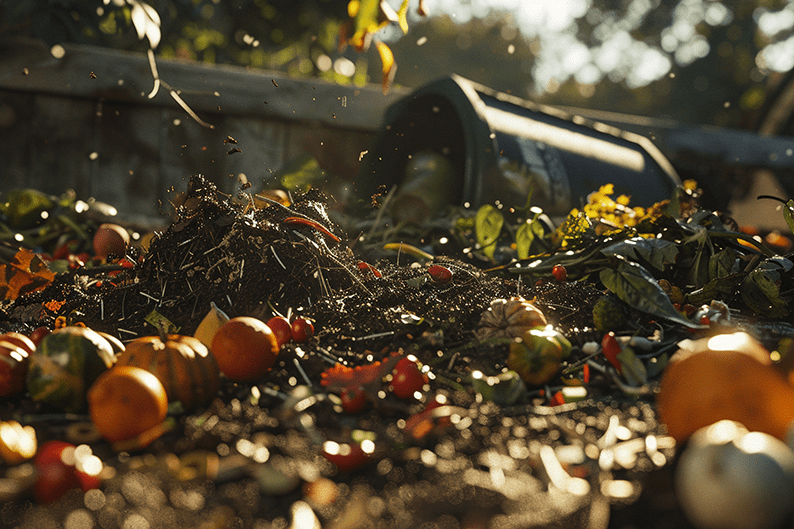
The composting process occurs in several stages, each driven by different communities of microorganisms. During the initial stage, bacteria rapidly consume easily degradable materials such as fruit scraps, vegetable peels, and fresh grass clippings. Their activity generates heat, causing the compost pile’s temperature to rise significantly. In a healthy compost system, internal temperatures can reach between 55°C and 70°C, creating ideal conditions for decomposition while helping destroy many weed seeds and harmful pathogens.
As the temperature increases, heat-loving microorganisms known as thermophilic bacteria become dominant. These organisms break down more complex organic compounds, including proteins, fats, and cellulose. This phase is often the most active period of composting and can last from several days to several weeks, depending on the composition and size of the pile. Regular monitoring during this stage helps maintain optimal conditions for microbial activity.
After the thermophilic phase, the compost gradually cools. Different organisms then take over the decomposition process. Fungi play a particularly important role during this stage because they can break down tough materials such as wood chips, bark, and dried leaves. Larger decomposers, including earthworms, beetles, mites, and other soil organisms, may also enter the compost and contribute to the breakdown of remaining organic matter. Their activity further improves the texture and quality of the developing compost.
Maintaining the proper balance between carbon-rich and nitrogen-rich materials is essential. Carbon sources, often called “browns,” include dry leaves, straw, shredded paper, and small branches. Nitrogen sources, commonly known as “greens,” include kitchen scraps, coffee grounds, fresh grass clippings, and plant trimmings. A balanced mixture supports efficient microbial activity and helps prevent common problems such as unpleasant odors or slow decomposition. Compost piles with excessive nitrogen may become wet and produce strong smells, while piles with too much carbon may decompose very slowly.
Turning the compost pile periodically is another important practice. Mixing the materials introduces fresh oxygen into the system, allowing aerobic microorganisms to continue thriving. Without adequate oxygen, anaerobic conditions can develop. Anaerobic decomposition is generally slower and often produces undesirable odors because different microorganisms become active in low-oxygen environments. Regular turning also redistributes moisture and heat, ensuring that all parts of the pile decompose evenly.
Moisture management is equally important. Compost should be damp but not saturated, often compared to the feel of a wrung-out sponge. Too little water slows microbial activity because microorganisms require moisture for survival and nutrient transport. Excessive water, however, can fill air spaces within the pile and limit oxygen availability. Monitoring moisture levels helps maintain the balance needed for effective decomposition.
The final product of composting is a dark, crumbly material with an earthy smell. Mature compost contains valuable nutrients and organic matter that improve soil structure, increase water retention, and support healthy plant growth. Gardeners and farmers often use compost as a natural soil amendment to enhance fertility while reducing reliance on synthetic fertilizers.
Beyond its benefits for plants, composting also contributes to environmental sustainability. By diverting organic waste from landfills, composting reduces methane emissions and helps recycle nutrients back into the ecosystem. As a result, composting is widely recognized as an effective and environmentally friendly method of managing organic waste while creating a valuable resource for agriculture and gardening.
Green Materials for Composting
Green materials are rich in nitrogen and help fuel microbial activity.
Examples include:
- Vegetable peels
- Fruit scraps
- Coffee grounds
- Fresh grass clippings
- Tea leaves
- Plant trimmings
These materials decompose relatively quickly and provide essential nutrients.
Brown Materials for Composting
Brown materials are rich in carbon.
Examples include:
- Dry leaves
- Straw
- Cardboard
- Paper
- Wood chips
- Sawdust
Carbon balances nitrogen levels and helps maintain proper compost structure.
A healthy compost pile generally contains more brown materials than green materials.
Materials to Avoid
Not everything belongs in a compost pile.
Avoid adding:
- Meat
- Dairy products
- Oily foods
- Pet waste
- Diseased plants
- Treated wood
- Coal ash
These materials can attract pests, create odors, or introduce harmful pathogens.
Understanding acceptable materials helps maintain a healthy composting system.
Types of Composting Systems
Different composting methods suit different spaces and lifestyles.
Traditional Compost Piles
A compost pile is one of the simplest approaches.
Materials are layered directly on the ground and allowed to decompose naturally.
Benefits include:
- Low cost
- Large capacity
- Easy management
Traditional piles work well in larger gardens.
Compost Bins
Compost bins provide a contained system.
Advantages include:
- Better appearance
- Improved organization
- Reduced pest access
- Faster decomposition
Many home gardeners prefer bins because they fit neatly into limited spaces.
Tumbler Composters
Tumblers are enclosed containers that rotate.
Benefits include:
- Faster decomposition
- Easy mixing
- Reduced odors
- Convenient management
Tumblers are particularly popular in urban gardens.
Vermicomposting
Vermicomposting uses worms to process organic waste.
The most common composting worms include:
- Red wigglers
- Eisenia fetida
These worms produce highly nutritious worm castings.
Benefits include:
- Rapid decomposition
- Rich nutrient content
- Compact setup
Vermicomposting works well indoors and outdoors.
Benefits of Compost for Soil
Compost dramatically improves soil quality.
Improves Soil Structure
Compost plays a vital role in improving soil structure, making it one of the most valuable amendments for gardens, farms, and landscapes. Soil structure refers to the arrangement of soil particles and the spaces between them. Healthy soil contains a balance of solid particles, water, air, and organic matter. When compost is added regularly, it helps create a loose, crumbly texture that supports strong plant growth and a healthy soil ecosystem.
One of the primary benefits of compost is its ability to loosen compacted soil. Soil can become compacted due to heavy machinery, frequent foot traffic, construction activities, or natural settling over time. Compacted soil contains fewer air spaces, making it difficult for roots to penetrate and access nutrients and water. When compost is mixed into compacted soil, the organic matter separates tightly packed particles and creates channels through which roots can grow more easily. This improved structure allows plants to establish stronger root systems and absorb resources more efficiently.
Increases Water Retention
Organic matter acts like a sponge, helping soil hold moisture.
Supports Microbial Life
Beneficial organisms thrive in compost-enriched soil.
Reduces Erosion
Healthy soil structure resists erosion from wind and rain.
Compost creates an ideal growing environment for roots.
Benefits of Compost for Plants
Plants benefit directly from compost applications.
Better Nutrient Availability
Compost supplies nutrients steadily over time.
Stronger Roots
Healthy soils encourage root expansion.
Improved Disease Resistance
Well-nourished plants are often more resilient.
Increased Productivity
Vegetables, flowers, and herbs frequently produce better results in compost-rich soils.
These benefits contribute to more successful gardens.
Recycling in the Garden
Recycling involves reusing materials rather than discarding them.
Gardeners can creatively repurpose many household items.
Examples include:
- Containers
- Cardboard
- Wooden pallets
- Plastic bottles
- Glass jars
Recycling reduces waste while also lowering gardening costs.
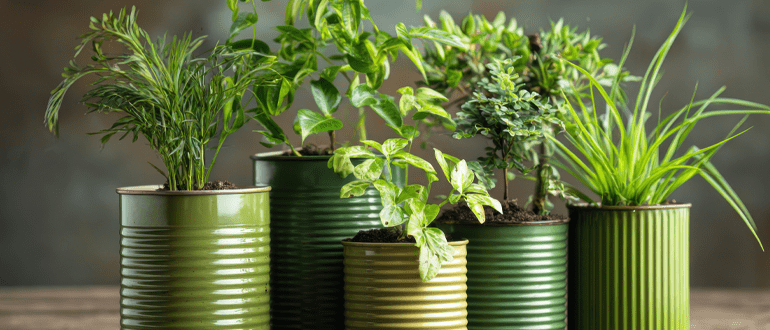
Recycled Containers as Planters
Many items can be transformed into growing containers.
Examples include:
- Buckets
- Tins
- Plastic bottles
- Wooden crates
- Old pots
Benefits include:
- Reduced expenses
- Creative designs
- Waste diversion
Proper drainage holes should always be added when necessary.
Using Cardboard in Sustainable Gardening
Cardboard is an extremely useful recyclable garden resource.
Uses include:
- Weed suppression
- Sheet mulching
- Composting
- Pathway establishment
Cardboard gradually decomposes while improving soil structure.
It serves as an environmentally friendly alternative to synthetic weed barriers.
Reusing Wood in the Garden
Old wood often finds new life in garden projects.
Applications include:
- Raised beds
- Compost bins
- Plant supports
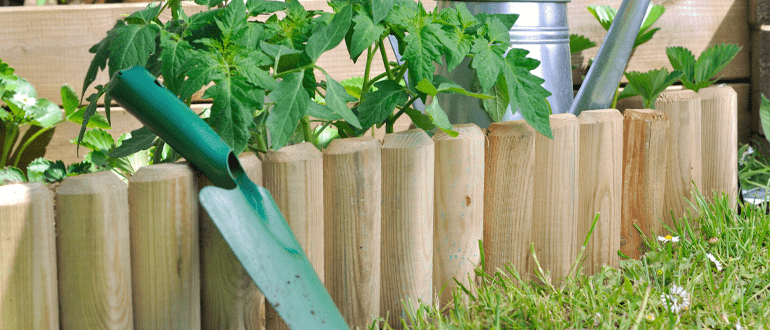
- Garden edging
Untreated wood is the safest choice for food gardens.
Reclaimed materials reduce construction costs and environmental impact.
Plastic Bottle Recycling
Plastic bottles can be adapted for various gardening purposes.
Examples include:
- Self-watering containers
- Seedling starters
- Vertical gardens
- Watering aids
Creative recycling transforms waste materials into useful garden tools.
Composting Kitchen Waste
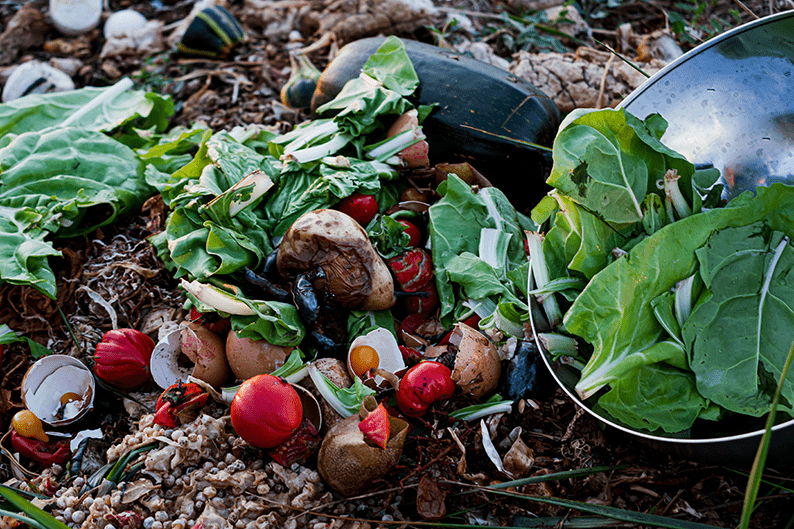
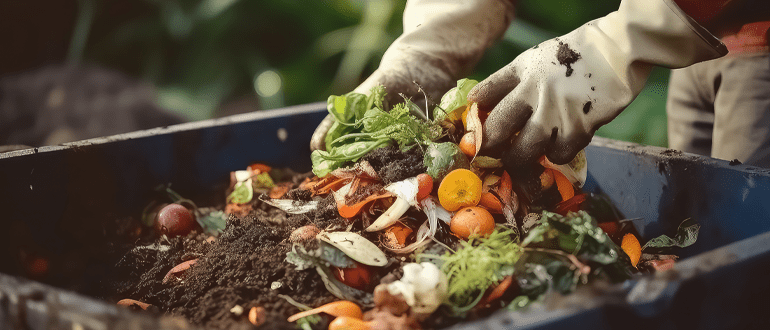
Kitchen scraps provide excellent compost ingredients.
Suitable materials include:
Fruits
- Banana peels
- Apple cores
- Citrus peels
Vegetables
- Carrot tops
- Potato peels
- Lettuce leaves
Other Materials
- Coffee grounds
- Tea bags
- Eggshells
Diverting kitchen waste significantly reduces household garbage.
Composting Garden Waste
Garden materials contribute valuable organic matter.
Examples include:
- Leaves
- Grass clippings
- Prunings
- Plant residues
Instead of disposing of these materials, gardeners can recycle them through composting.
This closes the nutrient cycle within the garden.
Common Composting Mistakes
Even experienced gardeners can encounter composting challenges.
Too Much Green Material
Excess nitrogen may create unpleasant odors.
Too Much Brown Material
Excess carbon slows decomposition.
Insufficient Moisture
Dry piles decompose slowly.
Lack of Aeration
Compacted piles develop anaerobic conditions.
Adding Inappropriate Items
Prohibited materials may attract pests or create contamination issues.
Understanding these mistakes helps maintain an efficient compost system.
Composting Through the Seasons
Composting continues throughout the year.
Spring
Fresh garden trimmings contribute nitrogen-rich materials.
Summer
Warm temperatures accelerate decomposition.
Autumn
Fallen leaves provide abundant carbon-rich material.
Winter
Decomposition slows but continues beneath the surface.
Seasonal adjustments help maintain healthy compost piles year-round.
Environmental Benefits of Composting and Recycling
Composting and recycling provide significant ecological benefits.
Reduced Greenhouse Gas Emissions
Organic waste diverted from landfills produces fewer harmful emissions.
Resource Conservation
Recycling reduces demand for raw materials.
Improved Soil Carbon Storage
Compost increases soil organic matter.
Reduced Pollution
Natural gardening practices lessen chemical dependence.
Together, these benefits support long-term environmental sustainability.
Composting in Small Spaces
Limited space should not prevent composting.
Urban gardeners can use:
- Worm bins
- Compost tumblers
- Bokashi systems
- Compact compost containers
Even apartment residents can recycle organic waste through suitable composting methods.
Sustainability is possible in nearly any living situation.
Creating a Closed-Loop Garden
One of the greatest goals of sustainable gardening is developing a closed-loop system.
In this approach:
- Kitchen scraps become compost.
- Compost improves soil.
- Soil grows healthy plants.
- Plants produce food.
- Food scraps return to the compost pile.
This continuous cycle minimizes waste and maximizes resource efficiency.
Closed-loop gardening represents sustainability at its best.
Case Study: Transforming Household Waste into Garden Success
When James started gardening, he regularly purchased fertilizer while sending bags of kitchen waste and leaves to the trash. After learning about composting, he decided to build a simple compost bin using recycled wooden pallets.
He began adding vegetable scraps, coffee grounds, leaves, and grass clippings. Over time, the pile transformed into rich, dark compost. Instead of buying commercial fertilizers, James incorporated homemade compost into his vegetable beds.
Within two growing seasons, soil quality improved dramatically. Tomato yields increased, water retention improved, and plant health became noticeably stronger. At the same time, his household waste was reduced significantly.
Inspired by these results, James expanded his sustainability efforts by creating planters from recycled containers and using cardboard for weed control. His experience demonstrated how composting and recycling can improve both gardening outcomes and environmental responsibility.
Advanced Composting Techniques
Experienced gardeners often adopt advanced composting methods.
Hot Composting
Carefully managed piles generate high temperatures that accelerate decomposition.
Benefits include:
- Faster compost production
- Weed seed destruction
- Improved pathogen control
Bokashi Composting
Bokashi uses beneficial microorganisms to ferment organic waste.
Advantages include:
- Indoor suitability
- Rapid processing
- Expanded material options
Vermicomposting
Advanced worm composting systems provide exceptional soil amendments.
Many gardeners use worm castings to improve seed starting mixes and container gardens.
The Future of Composting and Recycling
As sustainability becomes increasingly important, composting and recycling will continue to play major roles in modern gardening.
Future trends include:
- Community composting programs
- Urban compost collection
- Smart compost monitoring systems
- Increased recycling integration
- Greater emphasis on circular gardening systems
These innovations build upon traditional practices while supporting environmental goals.
Conclusion
Composting and recycling are among the most effective ways gardeners can reduce waste, improve soil health, and contribute to environmental sustainability. Rather than viewing kitchen scraps, leaves, grass clippings, and household materials as garbage, sustainable gardeners recognize them as valuable resources that can be transformed into useful tools for plant growth and garden improvement.
Composting enriches soil, supports beneficial microorganisms, improves moisture retention, and provides essential nutrients naturally. Recycling further enhances sustainability by giving new life to materials that might otherwise end up in landfills. Together, these practices create gardens that are more productive, cost-effective, and environmentally responsible.
The beauty of composting and recycling lies in their accessibility. Whether you have a large backyard, a small urban garden, or a balcony filled with containers, there are practical ways to incorporate these methods into daily life. Every compost pile, recycled planter, and reused material contributes to a healthier garden and a healthier planet.
By embracing composting and recycling, gardeners become active participants in the natural cycle of renewal. Waste becomes a resource, resources become nourishment, and nourishment creates thriving plants. This cycle not only benefits individual gardens but also supports broader efforts to build a more sustainable future for generations to come.

Leave A Comment