
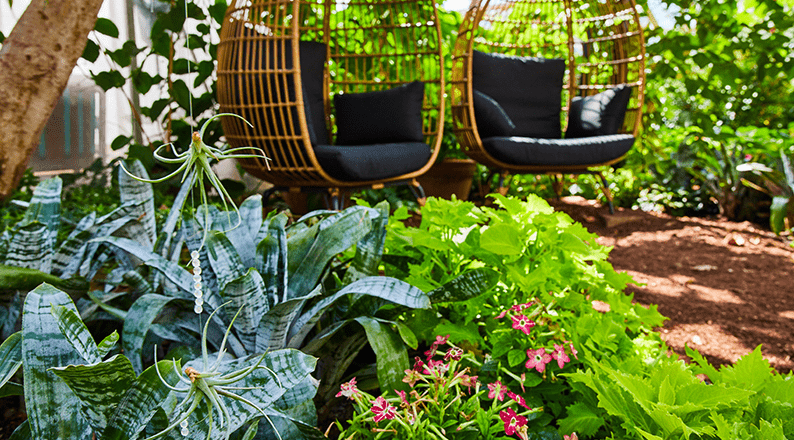
03
Sep
- 12 Beautiful Plants for a Cozy and Relaxing Yard Effortlessly
- 1. English Lavender (Lavandula angustifolia): Natural Aromatherapy for Outdoor Lounges
- 2. Japanese Forest Grass (Hakonechloa macra ‘Aureola’): Soft Whispering Motion for Shade
- 3. Hydrangeas (Hydrangea macrophylla): Cloud-Like Blooms That Enclose Spaces
- 4. Japanese Maple (Acer palmatum): Architectural Enclosure and Crimson Warmth
- 5. Sweet Jasmine (Jasminum officinale): Heavenly Fragrance for Vertical Pergolas
- 6. Lamb’s Ear (Stachys byzantina): Velvety Foliage That Invites Touch
- 7. Gardenia (Gardenia jasminoides): Creamy Elegance and Rich Evening Aromas
- 8. Clumping Bamboo (Fargesia murielae): Living Privacy Screens and Wind Whispers
- 9. Lamb’s Conduit Coneflower (Echinacea purpurea ‘Cheyenne Spirit’): Warm Jewel Tones
- 10. Mexican Feather Grass (Nassella tenuissima): Soft Motion and Golden Light
- 11. Hosta ‘Blue Angel’ (Hosta ‘Blue Angel’): Cool Blue Shades for Shady Corners
- 12. Rosemary (Salvia rosmarinus): Aromatic Ground Cover and Winter Structure
- Master Comparison Guide: Selecting Plants for Your Cozy Yard
- Step-by-Step Installation: Building a Cozy Landscape Retreat
- Designing Soundscapes: Water Features and Acoustic Masking
- 4-Season Sanctuary Care Protocol
- Final Landscape Design Checklist
12 Beautiful Plants for a Cozy and Relaxing Yard Effortlessly
Selecting beautiful plants for a cozy and relaxing yard is the most effective strategy for transforming a plain, exposed outdoor plot into an intimate, peaceful sanctuary. In our hyper-connected modern world, where digital screens, urban traffic noise, and relentless work schedules contribute to chronic sensory overload, your private yard should serve as an essential restorative retreat. A therapeutic landscape design relies on biological principles that engage human senses through soft foliage textures, soothing essential oil aromas, whispering wind acoustics, and harmonious color palettes.
                  [ SENSORY ARCHITECTURE FOR RELAXATION ]
                                     │
   ┌─────────────────────────────────┼─────────────────────────────────┐
   ▼                                 ▼                                 ▼
[ VISUAL HARMONY ]         [ AROMATIC THERAPY ]        [ ACOUSTIC SHIELDING ]
 Soft pastels & warm        Natural essential oils      Whispering grasses &
 layered canopy trees       from scented flowers        bamboo wind movement
In this comprehensive, educational landscape masterclass, we will explore 12 top-performing botanical species tailored to create an intimate sanctuary. We will cover biophilic design principles, soil biology, multi-sensory planting layouts, water feature integration, and seasonal maintenance protocols to ensure your yard remains a sanctuary year-round.
The Biophilic Science of Restorative Landscape Design
Before selecting specific botanical specimens, it is crucial to understand the biological mechanisms behind nature-assisted stress recovery. Biophilic design—the practice of connecting human environments to natural systems—is endorsed by environmental psychologists and landscape architects globally, supported by research from institutions like the American Society of Landscape Architects.
[ Biophilic Layout ] ──> [ Cortisol Level Reduction ] ──> [ Restorative Psychological State ]
When you thoughtfully position beautiful plants for a cozy and relaxing yard, you leverage natural triggers that help lower physiological stress:
- Visual Softening: Curving plant borders and soft leaf textures break up harsh, rigid architectural lines (such as concrete foundations, wooden fencing, and brick walls), signalling safety and comfort to the nervous system.
- Aro-Therapeutic Relief: Volatile organic compounds released by aromatic foliage (such as linalool in lavender or rosmarinic acid in rosemary) directly interact with the olfactory bulb and limbic system, reducing anxiety.
- Acoustic Masking: Dense foliage barriers and rustling ornamental grasses absorb high-frequency neighborhood noise while creating ambient natural soundscapes.
- Microclimate Moderation: Strategic canopy shade and transpiring foliage lower ambient summer temperatures by 5°F to 10°F, creating a comfortable outdoor environment.
For further reading on how hands-on plant cultivation fosters everyday mental resilience, review our internal guide on building a motivational life with gardencare.
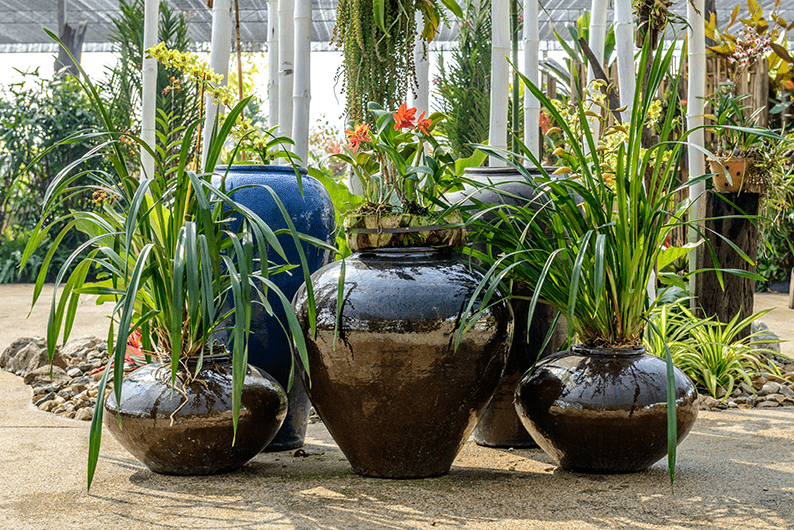
1. English Lavender (Lavandula angustifolia): Natural Aromatherapy for Outdoor Lounges
English Lavender is widely regarded as the cornerstone of therapeutic landscape design. Celebrated for its gray-green foliage and soft violet floral spikes, this Mediterranean perennial releases a sweet, herbaceous perfume whenever brushed against.
       [ SUNLIGHT REQUIREMENT ] ──> Full Sun (6+ Hours Direct Sunlight)
       [ WATER REQUIREMENT ]    ──> Low (Drought-Tolerant Once Set)
       [ HARDINESS ZONES ]      ──> USDA Zones 5 through 9
Sensory and Aesthetic Value
Lavender creates a relaxing atmosphere through both sight and scent. The soft purple blooms contrast beautifully against dark stone pavers, while its aromatic foliage fills warm evening breezes with soothing natural essential oils.
Optimal Garden Placement
Plant lavender along main walkways, patio edges, or around outdoor seating areas. As guests pass by, brushing the foliage releases natural essential oils into the air. Ensure your planting bed features loose, gravelly soil with exceptional drainage; lavender roots suffer in wet, heavy clay.
2. Japanese Forest Grass (Hakonechloa macra ‘Aureola’): Soft Whispering Motion for Shade
Creating a cozy landscape requires motion and texture. Japanese Forest Grass is a shade-loving ornamental grass featuring cascading, ribbon-like leaves that resemble liquid gold flowing across garden borders.
             [ ACOUSTIC & VISUAL PERFORMANCE ]
                             │
     ┌───────────────────────┴───────────────────────┐
     ▼                                               ▼
[ VISUAL MOTION ]                           [ ACOUSTIC RUSTLE ]
 Cascading golden fronds wave               Foliage produces a gentle,
 gracefully in soft breezes                 whispering sound in the wind
Landscape Integration Protocols
- Shade Companionship: Pair under mature trees with broadleaf Hostas and delicate ferns to establish rich textural contrast.
- Slope and Border Softening: Plant along stone steps or retaining walls, allowing the arching fronds to spill over hard edges.
- Maintenance Ease: Cut foliage down to soil level in late winter before fresh spring shoots emerge.
3. Hydrangeas (Hydrangea macrophylla): Cloud-Like Blooms That Enclose Spaces
Hydrangeas bring a sense of classic comfort to residential yards. Their massive, globe-shaped flower heads in shades of sky blue, soft pink, lilac, and cream create living walls of color that soften fence lines and house foundations.
| Hydrangea Cultivar | Bloom Color & Pattern | Mature Height / Spread | Light Preference |
| ‘Nikko Blue’ | Deep ocean-blue (acidic soil) or clear pink | 4 to 6 Feet / 4 to 6 Feet | Part Sun to Part Shade |
| ‘Endless Summer’ | Reblooming pink, blue, or purple globes | 3 to 5 Feet / 3 to 5 Feet | Morning Sun / Afternoon Shade |
| ‘Incrediball’ | Massive 12-inch smooth white blooms | 4 to 5 Feet / 4 to 5 Feet | Full Sun to Part Shade |
| ‘Cityline Paris’ | Compact fuchsia-red floral clusters | 1 to 3 Feet / 2 to 3 Feet | Partial Shade / Container Friendly |
Managing Soil Chemistry for Desired Bloom Colors
Hydrangea flower colors vary based on aluminum availability in the soil, governed by pH levels:
[ Acidic Soil (pH < 6.0) + Aluminum ]  ──> Rich Blue Blooms
[ Alkaline Soil (pH > 7.0) ]           ──> Soft Pink / Magenta Blooms
For detailed soil testing protocols and regional soil chemistry standards, consult the University of Florida IFAS Extension.
4. Japanese Maple (Acer palmatum): Architectural Enclosure and Crimson Warmth
A cozy yard requires a sense of enclosure—a natural ceiling that creates an intimate, nest-like feel. Japanese Maples perform this role brilliantly without overpowering small residential lots.
                  [ FOUR-SEASON STRUCTURAL APPEAL ]
                                  │
    ┌─────────────────────────────┼─────────────────────────────┐
    ▼                             ▼                             ▼
[ SPRING FOLIAGE ]        [ SUMMER CANOPY ]           [ AUTUMN BLAZE ]
 Delicate lime-green      Provides dappled,           Crimson, amber, &
 or burgundy leaves       soothing patio shade        mahogany canopy display
Strategic Placement for Maximum Relaxation
Position a weeping dissectum Japanese Maple (such as ‘Crimson Queen’ or ‘Tamukeyama’) adjacent to a water feature, reading bench, or stone patio. The arching branches frame views and cast dappled shadows, enhancing the tranquil atmosphere.
5. Sweet Jasmine (Jasminum officinale): Heavenly Fragrance for Vertical Pergolas
Vertical planting expands living green walls upwards, wrapping seating zones in fragrant foliage. Sweet Jasmine is a fast-growing vine renowned for its star-shaped white flowers and rich, intoxicating perfume that peaks during warm summer evenings.
1.Select Support Structure:
Install a sturdy wooden pergola, iron trellis, or wire cable system near patio seating or bedroom windows.
2.Train Young Canes:
Gently weave emerging green stems through trellis gaps using soft garden twine to establish vertical coverage.
3.Prune After Flowering:
Trim back overgrown stems immediately after the summer bloom cycle finishes to maintain tidy growth and encourage fresh flowering wood.
Creating Evening Fragrance Zones
Jasmine releases its strongest perfume at dusk. Training this vine over an outdoor dining arbor or patio trellis creates a relaxing scent canopy for evening meals and night-time relaxation.
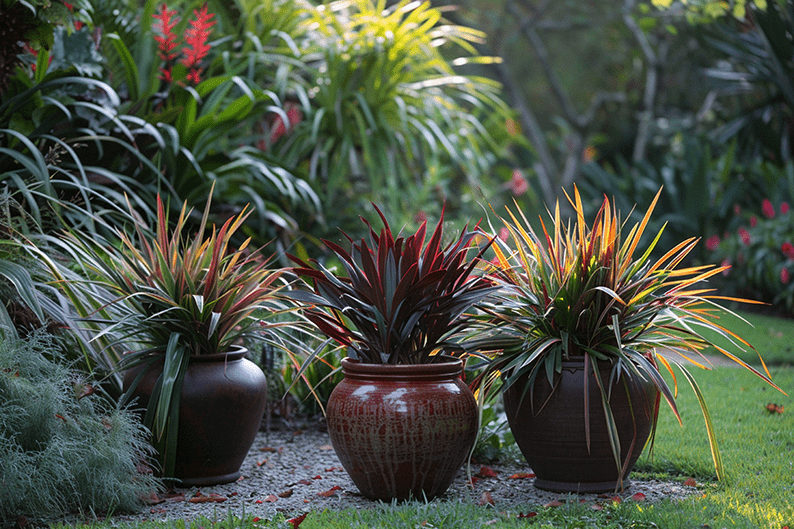
6. Lamb’s Ear (Stachys byzantina): Velvety Foliage That Invites Touch
Sensory gardens should encourage physical interaction. Lamb’s Ear is prized for its thick, silvery-white leaves that feel remarkably like soft velvet, providing a soothing tactile experience along garden pathways.
       [ SUNLIGHT REQUIREMENT ] ──> Full Sun to Partial Shade
       [ WATER REQUIREMENT ]    ──> Low (Extremely Drought-Tolerant)
       [ HARDINESS ZONES ]      ──> USDA Zones 4 through 9
Landscape Uses and Edge Softening
Plant Lamb’s Ear along walkway borders, patio stones, or garden bed edges. Its low-growing, spreading habit creates a silver carpet that softens hard paver edges, while its light foliage reflects moonlight during late evening hours.
7. Gardenia (Gardenia jasminoides): Creamy Elegance and Rich Evening Aromas
Gardenias are synonymous with classic luxury and deep relaxation. Featuring glossy, deep-green evergreen foliage and velvety ivory-white blossoms, this shrub produces one of the most memorable scents in the botanical world.
[ Rich Organic Soil + Partial Sun ] ──> [ Glossy Foliage & Creamy Blossoms ] ──> [ Luxurious Scent ]
Soil Preparation and Care Protocols
Gardenias thrive in warm, sheltered locations with acidic soil (pH 5.0 to 6.0) rich in organic matter. Apply a 3-inch layer of pine needle mulch around the root zone to preserve moisture, maintain soil acidity, and insulate shallow roots against summer heat.
8. Clumping Bamboo (Fargesia murielae): Living Privacy Screens and Wind Whispers
True relaxation requires privacy—freedom from the feeling of being observed by neighbors or passersby. Non-invasive Clumping Bamboo provides a fast-growing, evergreen screen that sways gracefully in the breeze while rustling softly in the wind.
                   [ CLUMPING VS. RUNNING BAMBOO ]
                                  │
     ┌────────────────────────────┴────────────────────────────┐
     ▼                                                         ▼
[ CLUMPING (Fargesia) ]                      [ RUNNING (Phyllostachys) ]
 Non-invasive root system                    Aggressive underground rhizomes
 Expands safely by inches annually            Requires expensive root barriers
 Safe for residential gardens                Poses risk to neighboring yards
Acoustic Noise Attenuation
Position a row of Fargesia bamboo along your property line to filter high-frequency traffic noise, block unwanted views, and create a dense green wall that defines your private garden retreat.
9. Lamb’s Conduit Coneflower (Echinacea purpurea ‘Cheyenne Spirit’): Warm Jewel Tones
While pastel shades relax the mind, warm jewel tones—soft ambers, muted oranges, and deep corals—add a cozy, inviting feel to garden borders. ‘Cheyenne Spirit’ Coneflower offers a rich mix of warm autumn colors on sturdy, compact stems.
                  [ ADVANTAGES OF NATIVE CONEFLOWERS ]
                                   │
     ┌─────────────────────────────┼─────────────────────────────┐
     ▼                             ▼                             ▼
[ DROUGHT RESISTANT ]     [ POLLINATOR FAVORITE ]     [ LOW MAINTENANCE ]
 Deep taproot survives    Sustains native bees &      Requires zero chemical
 hot, dry summer spells   butterflies all summer      fertilizer inputs
Companion Planting Strategies
Pair these warm-toned coneflowers with blue-violet Catmint (Nepeta) and feather grass to create a balanced, field-like look that feels natural and relaxed.
10. Mexican Feather Grass (Nassella tenuissima): Soft Motion and Golden Light
Mexican Feather Grass brings light, airy texture to sunny garden borders. Its ultra-fine, bright-green fronds age to shimmering golden-yellow plumes that catch low afternoon sunlight, turning simple flower beds into glowing landscapes.
[ Spring: Bright Lime Fronds ] ──> [ Summer: Silky Plumes ] ──> [ Autumn: Shimmering Gold ]
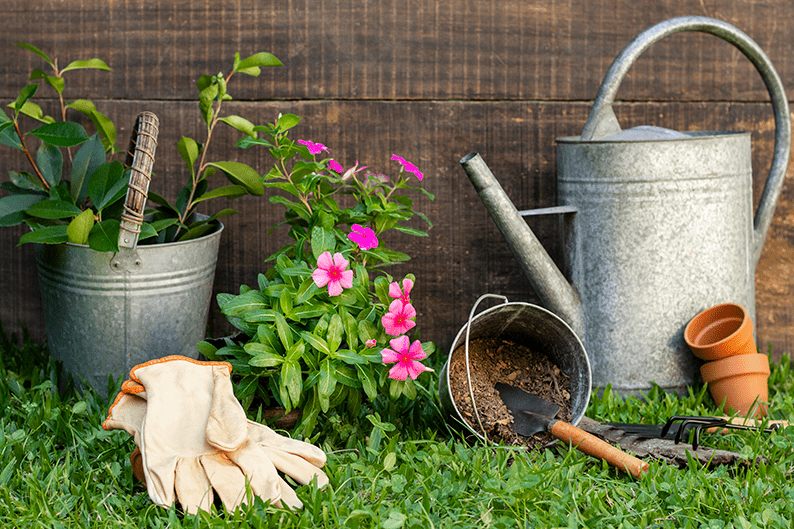
Catching Golden Hour Sunlight
Plant Mexican Feather Grass in western-facing garden beds where low afternoon sun illuminates the fine seed heads. The combination of golden backlight and gentle wind movement creates a hypnotic, soothing visual effect.
11. Hosta ‘Blue Angel’ (Hosta ‘Blue Angel’): Cool Blue Shades for Shady Corners
Cool blue foliage naturally soothes the eyes, making blue Hostas essential for shady backyard nooks. ‘Blue Angel’ produces massive, ribbed, heart-shaped leaves in a striking blue-gray tone that resists summer bleaching.
       [ SUNLIGHT REQUIREMENT ] ──> Part Shade to Full Shade
       [ WATER REQUIREMENT ]    ──> Moderate (Retains Soil Moisture)
       [ HARDINESS ZONES ]      ──> USDA Zones 3 through 9
Shady Sanctuary Design
Create a cozy reading corner under a mature tree canopy by pairing ‘Blue Angel’ Hostas with soft maidenhair ferns, painted ferns, and a classic wooden garden bench.
12. Rosemary (Salvia rosmarinus): Aromatic Ground Cover and Winter Structure
Rosemary is a versatile, woody evergreen subshrub featuring needle-like foliage packed with fragrant essential oils. Upright varieties form structured evergreen hedges, while trailing cultivars cascade gracefully over stone retaining walls.
[ Touch or Brush Foliage ] ──> [ Essential Oils Released ] ──> [ Instant Aromatherapy ]
Integrating Culinary and Therapeutic Benefits
Plant trailing rosemary along patio borders where brushing past foliage releases its fresh pine-and-citrus aroma. In addition to its therapeutic benefits, fresh rosemary sprigs can be harvested year-round for cooking.
For additional ideas on pairing structural evergreens with easy-care flowering perennials, check out our guide to easy plants that make your yard look beautiful.
Master Comparison Guide: Selecting Plants for Your Cozy Yard
Use this reference table to match your chosen beautiful plants for a cozy and relaxing yard with your site’s specific sunlight, water, and hardiness conditions:
| Plant Name | Sensory Role | Sun Requirement | Water Need | Hardiness Zones | Primary Visual Feature |
| English Lavender | Aromatic & Calming | Full Sun | Low | Zones 5 – 9 | Violet spikes & gray-green foliage |
| Japanese Forest Grass | Acoustic & Motion | Part to Full Shade | Moderate | Zones 5 – 9 | Cascading golden-green ribbons |
| Hydrangea | Enclosure & Texture | Morning Sun / Part Shade | Moderate to High | Zones 3 – 9 | Massive cloud-like floral globes |
| Japanese Maple | Canopy & Warmth | Part Sun to Part Shade | Moderate | Zones 5 – 9 | Delicate lace-like autumn foliage |
| Sweet Jasmine | Vertical Scent Canopy | Full Sun to Part Shade | Moderate | Zones 7 – 10 | Star-shaped white fragrant blooms |
| Lamb’s Ear | Tactile Softness | Full Sun to Part Shade | Low | Zones 4 – 9 | Thick, velvety silver-white leaves |
| Gardenia | Evening Fragrance | Morning Sun / Part Shade | Moderate | Zones 8 – 11 | Glossy leaves & ivory white flowers |
| Clumping Bamboo | Privacy & Wind Sound | Full Sun to Part Shade | Moderate | Zones 5 – 9 | Dense evergreen screening stalks |
| ‘Cheyenne Spirit’ Coneflower | Warm Visual Tones | Full Sun | Low to Moderate | Zones 4 – 9 | Jewel-toned amber & coral daisy blooms |
| Mexican Feather Grass | Light & Movement | Full Sun | Low | Zones 6 – 10 | Ultra-fine silky golden plumes |
| Hosta ‘Blue Angel’ | Cool Color Shade | Full Shade to Part Shade | Moderate | Zones 3 – 9 | Massive ribbed blue-gray foliage |
| Rosemary | Evergreen Scent | Full Sun | Very Low | Zones 7 – 10 | Needle-like aromatic foliage & blue flowers |
Step-by-Step Installation: Building a Cozy Landscape Retreat
Transforming an open backyard into a cozy sanctuary works best when following a clear, structured installation plan:
Define Enclosure Boundaries
Step 1
Mark out your cozy seating area using string lines. Install vertical structures such as wooden arbors, privacy screens, or plant clumping bamboo along borders to establish a comfortable sense of enclosure.
Prepare and Amend Soil Beds
Step 2
Clear away weeds and turf grass. Amend planting beds with 3 to 4 inches of organic compost and leaf mold, digging down 12 inches to ensure deep, healthy root development.
Position Structural Anchor Plants
Step 3
Place larger focal elements—such as Japanese Maples, Hydrangeas, and Gardenias—first to establish height layers and define spatial boundaries.
Layer Understory and Border Plants
Step 4
Fill in around anchor trees with mid-height grasses, coneflowers, and aromatic edge plants like Lavender, Lamb’s Ear, and Japanese Forest Grass.
Add Water Features and Warm Lighting
Step 5
Position a small fountain or water bowl nearby to mask ambient noise. Install low-voltage warm outdoor lighting (2700K) to highlight foliage textures after dark.
Designing Soundscapes: Water Features and Acoustic Masking
A truly relaxing yard manages sound as carefully as visual elements. Combining acoustic plants with gentle water features creates a serene soundscape that masks unwanted neighborhood background noise.
               [ COMBINED ACOUSTIC MASKING SYSTEM ]
                                 │
     ┌───────────────────────────┴───────────────────────────┐
     ▼                                                       ▼
[ NATURAL WATER FEATURE ]                           [ ACOUSTIC FOLIAGE ]
 Recirculating stone bubbling fountain              Rustling bamboo & waving
 produces soothing white noise                      ornamental feather grasses
Soundscape Design Tips
- Choose Soft Water Sounds: Opt for bubbling stones or cascading tiered bowls rather than high-volume waterfalls. The goal is a gentle, soothing trickling sound that encourages conversation and rest.
- Integrate Plants with Water: Surround water basins with moisture-loving Japanese Forest Grass, Hostas, and delicate ferns to blend hard stone surfaces seamlessly into the surrounding garden.
4-Season Sanctuary Care Protocol
Maintaining a cozy garden sanctuary doesn’t require endless weekend chores. Following a simple seasonal routine keeps your space looking inviting year-round:
[ Spring: Mulch & Prune ] ──> [ Summer: Deep Soaking ] ──> [ Autumn: Plant & Prepare ] ──> [ Winter: Light & Plan ]
Spring (March – May)
- Cut back dried ornamental grass fronds and dead perennial stems to make room for fresh spring growth.
- Spread a 2- to 3-inch layer of organic compost or shredded bark mulch across planting beds to conserve moisture and suppress weeds.
- Feed established Hydrangeas and Gardenias with an organic acid-forming fertilizer.
Summer (June – August)
- Water planting beds deeply early in the morning using drip irrigation or soaker hoses, focusing moisture at the soil level rather than on leaves.
- Lightly trim spent lavender flower spikes to encourage compact foliage growth and a potential secondary bloom.
- Enjoy your fragrant outdoor seating areas during warm summer evenings.
Autumn (September – November)
- Plant new shrubs, trees, and perennials while soil temperatures remain warm, allowing roots to establish before winter freezes.
- Allow seed heads on Coneflowers to remain intact, providing natural winter food for local songbirds.
- Rake fallen leaves into garden borders to serve as natural, insulating winter mulch.
Winter (December – February)
- Enjoy the winter structure of evergreen Boxwoods, dried ornamental grass plumes, and architectural Japanese Maple branches.
- Turn on warm accent lighting during early winter evenings to highlight garden silhouetting and snow-covered foliage.
- Clean, sharpen, and oil pruners and garden tools in preparation for upcoming spring planting.
Final Landscape Design Checklist
Creating a personal backyard sanctuary is completely achievable with thoughtful planning and species selection. By choosing beautiful plants for a cozy and relaxing yard, you can craft a peaceful retreat that offers year-round comfort and restorative natural beauty.
- Layer for Intimacy: Combine canopy trees, mid-sized flowering shrubs, and groundcovers to create an enclosed, comfortable outdoor room.
- Engage All Senses: Mix aromatic plants like Lavender and Gardenia with soft-touch foliage like Lamb’s Ear and rustling ornamental grasses.
- Incorporate Water and Warm Light: Pair gentle bubbling water features with soft 2700K outdoor lighting to build a peaceful atmosphere after dark.
- Focus on Low-Maintenance Variety: Select resilient perennials and structural shrubs that deliver multi-season beauty with minimal effort.

Leave A Comment