
31
Aug
- 10 Simple Ways to Get Rid of Aphids Naturally for Good
- 1. Excess Nitrogen and Over-Fertilization
- 2. Environmental Stress and Weakened Immunity
- 3. The Symbiotic Ant Connection
- 10 Organic Aphid Control Methods to Save Your Garden
- Method 1: The Strong Water Blast (Mechanical Control)
- Method 2: Manual Removal and Pruning
- Method 3: Pure Castile Soap Spray (Homemade Aphid Spray DIY)
- Method 4: Cold-Pressed Neem Oil Treatments
- Method 6: Deploying Green Lacewings and Hoverflies
- Method 7: Utilizing Pungent Garlic and Onion Sprays
- Method 8: Sacrificial Trap Cropping
- Method 9: Food-Grade Diatomaceous Earth (DE)
- Method 10: Companion Planting with Aromatic Herbs
- A Comprehensive Summary of Organic Aphid Control Methods
- How often should I apply a homemade aphid spray DIY?
- Why are there still aphids on my plants after releasing ladybugs?
10 Simple Ways to Get Rid of Aphids Naturally for Good
Learning how to get rid of aphids naturally is one of the most important milestones for any gardener. Few things are as discouraging as walking out to your vibrant garden only to find your prized roses, tomato plants, or lush indoor hibiscus covered in a sticky, crawling blanket of tiny, green insects.
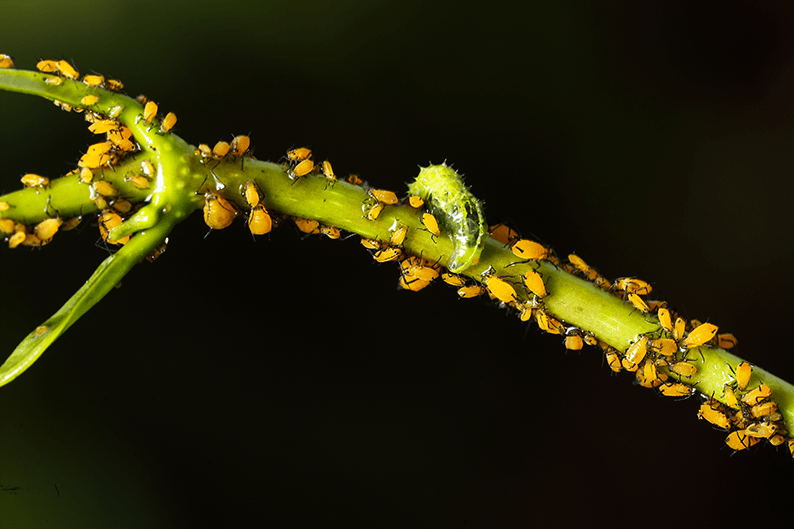
Aphids—often called greenflies or blackflies—are among the most prolific, destructive, and frustrating pests in the botanical world. They are tiny, soft-bodied parasites that sap the life out of your crops, multiply at an alarming rate, and can vector plant diseases that ruin an entire season’s hard work.
When faced with a massive infestation, your first instinct might be to rush to the local nursery and grab a bottle of heavy-duty chemical pesticide. However, synthetic chemical treatments often cause more problems than they solve. Broad-spectrum chemical sprays do not just kill the target pests; they also wipe out vital pollinators like honeybees, butterflies, and the very predatory insects that keep your garden’s ecosystem balanced.
Furthermore, over-reliance on chemical interventions can cause pests to develop genetic resistance, leaving you with even tougher “super-bugs” down the road.
The good news is that you do not need toxic chemicals to protect your landscape. By employing organic aphid control methods, you can manage infestations effectively while keeping your soil, family, and local wildlife perfectly safe.
This deep-dive guide covers the underlying causes of infestation, how to identify the specific pests damaging your vegetation, and natural ways to kill aphids using simple ingredients like a homemade aphid spray DIY.
The Root of the Problem: Why Do Aphids Attack Your Garden?
To master how to get rid of aphids naturally, you must first understand why these tiny insects target your plants in the first place. Pests rarely attack completely healthy vegetation at random; they are opportunistic organisms drawn to specific environmental weaknesses and nutritional imbalances.
1. Excess Nitrogen and Over-Fertilization
One of the most common triggers for a sudden population spike is the over-application of synthetic, high-nitrogen fertilizers. Nitrogen is a critical macronutrient that fuels rapid leaf and stem development.
However, when a plant receives too much nitrogen, it grows soft, weak, and excessively juicy new tissue. This tender, sap-rich new growth acts as a literal beacon for hungry pests, who can pierce the soft cellular walls easily to gorge themselves on the sugary phloem sap.
2. Environmental Stress and Weakened Immunity
Like human beings, plants possess an immune system that helps them ward off diseases and environmental stressors. When a plant is properly hydrated, receives adequate sunlight, and grows in fertile soil, it produces secondary metabolic compounds that make its tissues unpalatable to insects.
However, when a plant faces chronic drought stress, overwatering, root binding, or inadequate lighting, its natural defenses drop. Weakened plants emit specific chemical stress signals that insects can detect from afar, tipping them off to an easy meal.
3. The Symbiotic Ant Connection
If you notice heavy pest colonies on your vegetables, there is a very high probability you will also see trails of ants marching up and down the stems. Ants and these sap-sucking insects share a fascinating, highly problematic symbiotic relationship.
As the pests feed on plant sap, they excrete a sweet, sticky fluid called honeydew. Ants love to eat this honeydew. To protect their sugary food source, ants will actively “farm” the pests—herding them to the best parts of the plant, cleaning them, and physically fighting off natural predators like ladybugs or lacewings.
Therefore, a failure to manage the local ant population can make it incredibly difficult to get rid of aphids on plants.
The Ant-Aphid Cycle:
[Aphid Feeds on Sap] ──> [Excretes Sweet Honeydew] ──> [Ants Consume Honeydew]
      ▲                                                         │
      │                                                         ▼
[Infestation Grows] ◄── [Ants Fight Off Beneficial Predators] ──┘
Identifying the Culprit: Recognizing Infestation Damage
Before applying a homemade aphid spray DIY, you must accurately verify that you are dealing with this specific pest. Because they are quite small (ranging from 1mm to 7mm in length), their presence is often noticed through the distinct structural damage they leave behind rather than seeing the insects themselves.
Physical Appearance
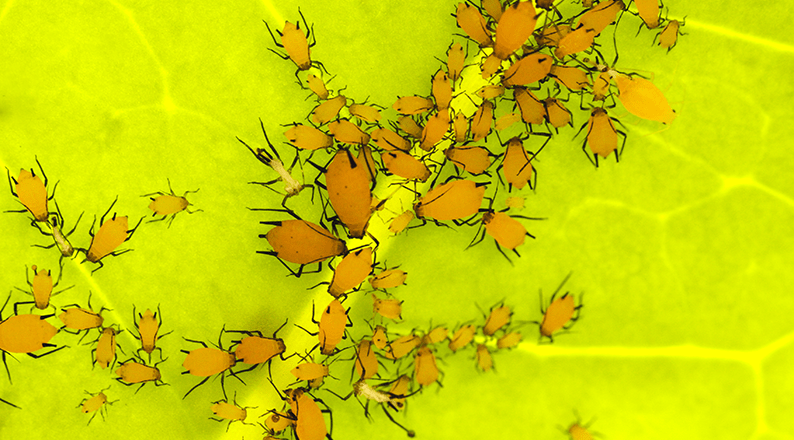
These insects are pear-shaped, soft-bodied creatures featuring two tiny, exhaust-pipe-like structures called cornicles protruding from the rear of their abdomen. While most people associate them with a bright green coloration, different species can be yellow, white, pink, brown, or completely jet-black.
During the spring and summer months, they are typically wingless clones. However, if a colony becomes too crowded or the host plant begins to die, they will give birth to winged generations that fly off to colonize fresh, healthy foliage.
Common Visual Symptoms of Infestation:
- Curled, Puckered, or Distorted Leaves: Because they gather in dense clusters on the tender undersides of leaves, their feeding causes local tissues to wrinkle, twist inward, and stunt.
- Sticky Residue (Honeydew): Leaves and lower stems will look glossy, wet, and feel incredibly sticky to the touch.
- Black Sooty Mold: If left unchecked, the sugary honeydew coating the leaves becomes a breeding ground for a dark, powdery fungus known as sooty mold. While this mold does not attack the plant directly, it blocks out sunlight, severely limiting the plant’s ability to photosynthesize.
- White Flecks on Topsoil: As the pests grow, they routinely shed their outer skins. These discarded white, ghostly cuticles accumulate on the soil surface directly beneath the leaves, resembling a light dusting of dandruff.
10 Organic Aphid Control Methods to Save Your Garden
When developing an ecosystem-based strategy for how to get rid of aphids naturally, it is best to use an Integrated Pest Management (IPM) approach. Start with the gentlest, least invasive mechanical controls before moving on to biological solutions and natural sprays.
Here are the 10 most effective organic aphid control methods you can use to clear your garden today.
Method 1: The Strong Water Blast (Mechanical Control)
The absolute simplest and most immediate way to deal with an early infestation is to use a direct stream of clean water from your garden hose.
The Strategy
Take your hose and adjust the nozzle to a sharp “jet,” “cone,” or “flat” pressure setting. Thoroughly spray down the infected stalks, buds, and especially the undersides of the leaves where the insects hide.
The high fluid pressure knocks the soft-bodied insects off the plant stems. Because they are weak crawlers with delicate mouthparts, once they are violently dislodged and hit the ground, they are usually unable to find their way back up onto the host plant and quickly starve, dry out, or fall prey to ground beetles.
When to Use It
This is an excellent option for sturdy, well-established outdoor flora like rose bushes, fruit trees, perennial shrubs, and robust vegetable crops like broccoli or kale. Avoid using this method on delicate indoor houseplants, fragile seedlings, or freshly planted flowers, as the intense water pressure can bend or break the soft stems. Repeat this process every morning for 3 to 5 consecutive days to catch any stragglers.
Method 2: Manual Removal and Pruning
For minor infestations or highly targeted clusters, taking a hands-on approach is incredibly effective and prevents the problem from spreading across your entire yard.
The Strategy
If you only see a few small clusters on a couple of stems, put on a pair of lightweight gardening gloves. Take your thumb and forefinger and gently squash the colonies along the stems, or use a damp microfiber cloth to wipe them cleanly away from the leaf surfaces.
If a single leaf or an isolated branch is completely covered in a dense, multi-layered blanket of insects and sooty mold, the cleanest option is to prune it off entirely using a sharp, clean pair of pruning shears. Immediately drop the infested cuttings into a bucket of hot, soapy water to kill the bugs, or seal them in a plastic bag and throw them into the trash. Never toss these infested clippings into your backyard compost pile, as the pests can easily crawl right back out and re-infest your garden beds.
Method 3: Pure Castile Soap Spray (Homemade Aphid Spray DIY)
If mechanical methods are not enough, it is time to formulate a highly effective, non-toxic homemade aphid spray DIY using pure liquid Castile soap.
The Strategy
Standard household dishwashing liquids often contain harsh chemical degreasers, artificial fragrances, and synthetic surfactants that can strip away a plant’s protective waxy leaf cuticle, causing severe chemical foliage burns. Instead, use an all-natural, vegetable-based soap like pure liquid Castile soap.
Mix two to three teaspoons of liquid Castile soap into one liter of lukewarm water inside a clean spray bottle. Shake the mixture gently to combine. Spray the solution generously over the entire plant, making sure to completely saturate the stems and the backs of the leaves.
How It Works
Soap does not act as a chemical poison. Instead, it is a contact remedy. The soapy solution breaks down the delicate, waxy outer protective layer of the insect’s soft body, causing them to dehydrate rapidly and suffocate.
Because it only works on direct contact, you must spray the bugs directly for it to be effective. Let the soap sit on the plant for a few hours, then gently rinse the foliage down with clean water to prevent any soap residue buildup. Apply this treatment in the early morning or late evening when the sun is low to prevent the wet leaves from scorching in the afternoon sun.
Castile Soap Spray Recipe:
┌───────────────────────────┬──────────────────────────────────────────┐
│ Ingredient                │ Measurement                              │
├───────────────────────────┼──────────────────────────────────────────┤
│ Clean Lukewarm Water      │ 1 Liter                                  │
│ Pure Liquid Castile Soap  │ 2 to 3 Teaspoons                         │
│ Optional: Essential Oil   │ 4-5 drops (Peppermint or Rosemary)      │
└───────────────────────────┴──────────────────────────────────────────┘
Method 4: Cold-Pressed Neem Oil Treatments
When dealing with an extensive or stubborn infestation, organic neem oil serves as one of the most potent natural ways to kill aphids and prevent future generational cycles.
The Strategy
Neem oil is a naturally occurring oil extracted from the seeds of the tropical neem tree (Azadirachta indica). It contains an active biochemical compound called azadirachtin, which acts as a powerful systemic growth regulator and anti-feedant for insects.
To make a foliar spray, mix one teaspoon of pure, cold-pressed organic neem oil and 1/2 teaspoon of liquid Castile soap (which acts as an emulsifier so the oil and water can mix) into one liter of warm water. Pour the emulsified mixture into a spray bottle and thoroughly coat all affected foliage.
How It Works
When the insects ingest or come into contact with neem oil, the azadirachtin compound interferes with their internal hormonal systems. It stops them from molting into adulthood, disrupts their ability to lay eggs, and severely reduces their appetite, leading to a natural, steady population collapse within a few days.
Furthermore, neem oil possesses natural antifungal properties, making it highly effective at clearing up any secondary black sooty mold that has developed on the sticky honeydew residues. Always apply neem oil treatments in the late evening after beneficial pollinators like honeybees have returned to their hives, as direct wet contact can harm them. Once the spray dries completely on the leaves, it is safe for beneficial predators.
Method 5: Introducing Native Ladybugs (Biological Control)
Embracing biological controls is a wonderful, highly sustainable way to establish long-term equilibrium in your backyard garden ecosystem.
The Strategy
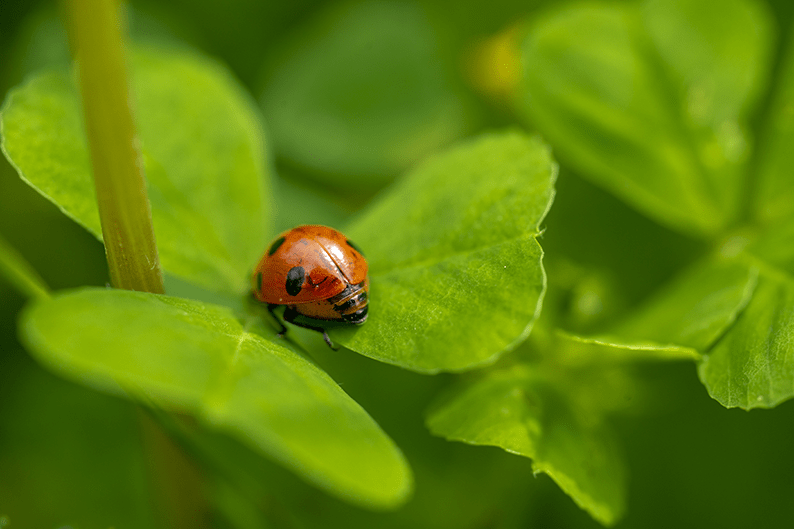
Ladybugs (specifically ladybird beetles) are voracious, highly specialized predators of soft-bodied garden pests. A single adult ladybug can easily consume up to 50 pests a day, while a single ladybug larva can devour up to 5,000 insects during its developmental cycle before pupating.
While you can purchase containers of live ladybugs online or at garden centers, buying them is often discouraged because wild-harvested beetles frequently fly away immediately upon release or carry hidden parasites.
Instead, focus on naturally attracting native ladybugs to your property by planting a diverse selection of pollen-rich flowers. Ladybugs love umbel-shaped flowers with shallow nectar centers, such as:
- Dill
- Fennel
- Yarrow
- Sweet Alyssum
- Marigolds
By incorporating these companion plants directly into your vegetable patches, you create a permanent sanctuary for these beneficial predators.
Method 6: Deploying Green Lacewings and Hoverflies
While ladybugs get the majority of the popular credit, green lacewings and hoverflies are often the real “special forces” when deploying natural ways to kill aphids.
The Strategy
Adult green lacewings are delicate, beautiful insects that feed strictly on nectar and pollen. However, their larvae are aggressive, highly efficient predators often nicknamed “aphid lions”.
A lacewing larva features large, sickle-shaped mandibles that it uses to impale soft-bodied pests, injecting a digestive enzyme that dissolves their internal tissues before sucking them dry. Similarly, the legless, slug-like larvae of the hoverfly (syrphid fly) crawl along infested stems, devouring hundreds of pests a week.
Unlike buying adult ladybugs, purchasing green lacewing eggs or larvae from commercial insectaries and releasing them onto your plants is highly effective, as the wingless larvae cannot fly away and will immediately patrol your plants looking for food.
Method 7: Utilizing Pungent Garlic and Onion Sprays
If you prefer a kitchen-safe, highly aromatic solution to get rid of aphids on plants, a homemade garlic infusion works wonders as a repellent and contact insecticide.
The Strategy
Garlic contains high concentrations of natural sulfur compounds and pungent essential oils that are highly toxic and repulsive to sap-sucking insects, yet completely harmless to human beings and pets.
To brew a batch of organic garlic tea spray, take three to four large cloves of fresh garlic, crush them completely, and steep them in one liter of boiling water overnight. The next morning, strain out the solid garlic bits using a fine mesh strainer or cheesecloth. Add one teaspoon of mild liquid Castile soap to the strained liquid to help the spray adhere to slick leaf surfaces.
Pour the garlic water into a spray bottle and apply it thoroughly to any infected plants. The intense aroma masks the natural chemical scents emitted by vulnerable plants, confusing flying pests and preventing them from landing on your crops to lay eggs.
Method 8: Sacrificial Trap Cropping
Trap cropping is a clever, proactive agricultural technique that uses a pest’s natural dietary preferences to steer them away from your highly valued edible crops.
The Strategy
Certain flowering plants are irresistible to aphids—even more so than tomatoes, peppers, or roses. By strategically planting these “sacrificial” species a few meters away from your primary vegetable garden beds, you can lure the pests away from your main crops.
Excellent organic trap crops include:
- Nasturtiums: A beautiful, edible flowering vine that acts like a magnet for blackflies and greenflies.
- Zinnias & Sunflowers: Large, robust flowers that can handle substantial insect populations without collapsing.
- Mustard Greens: Fast-growing leafy greens that attract local pest populations early in the spring season.
Once the trap crops become heavily loaded with colonies, you can treat just that single area with a strong soap spray, or pull up the sacrificial plants entirely and destroy them, leaving your primary vegetable garden untouched and pest-free.
Trap Cropping Layout Example:
┌────────────────────────────────────────────────────────┐
│             [Sacrificial Trap Crop: Nasturtiums]       │
│                             │                          │
│                    (3-5 Meters Distance)               │
│                             │                          │
│                             ▼                          │
│      [Primary Edible Crops: Tomatoes, Peppers, Lettuce] │
└────────────────────────────────────────────────────────┘
Method 9: Food-Grade Diatomaceous Earth (DE)
For tough outdoor infestations or managing pests that crawl up from the base of the soil, food-grade Diatomaceous Earth is an exceptional organic physical deterrent.
The Strategy
Diatomaceous Earth is an all-natural, chalky powder composed of the fossilized remains of microscopic, aquatic organisms called diatoms. While it feels like a soft, harmless flour to human hands, on a microscopic level, the powder consists of incredibly sharp, razor-like silica crystals.
How It Works
When soft-bodied insects crawl over a layer of Diatomaceous Earth, the microscopic crystals cut through their protective outer skin layers. The powder then absorbs the insect’s internal fluids, causing them to dehydrate and die within 24 to 48 hours.
Using a handheld powder duster, lightly dust the topsoil around the base of your plants, or lightly coat the dry stems and leaves of infected crops. Always ensure you purchase Food-Grade DE, as pool-filter variants contain altered silica structures that are dangerous to inhale.
Avoid dusting open flowers to protect visiting honeybees, and wear a simple dust mask during application to avoid irritating your throat or lungs. Note that DE loses its effectiveness when wet, so you must reapply a fresh layer after heavy rainfall or overhead watering.
Method 10: Companion Planting with Aromatic Herbs
The ultimate goal of sustainable gardening is to design a landscape that naturally regulates itself without requiring constant sprays or dusts. Companion planting with highly aromatic herbs is the key to long-term prevention.
The Strategy
Many pests rely heavily on their acute sense of smell to locate suitable host plants. Strong, volatile essential oils found in specific herbs act as a natural cloaking device for your garden.
Intercrop your vegetable beds with heavy concentrations of:
- Alliums (Garlic, Chives, Onions, Leeks): These plants produce strong, sulfurous root exudates and aromatic foliage that drive away flying and crawling insects.
- Catnip & Mint: Contain compounds like nepetalactone that are highly repulsive to sap-sucking pests (just be sure to grow mint in pots so it doesn’t invasively take over your garden beds).
- Marigolds: Produce a distinct scent that acts as a natural insect repellent across your entire garden plot.
By moving away from large mono-cropped rows and shifting toward a diverse, interplanted ecosystem, you drastically reduce the likelihood of a major pest breakout.
A Comprehensive Summary of Organic Aphid Control Methods
To help you choose the best plan of action for your current garden layout, here is a direct comparison of the most common natural treatments:
| Control Method | Primary Action Mechanism | Best Suited For | Pro-Tip for Success |
|---|---|---|---|
| Water Blast | Mechanical displacement and physical injury. | Robust outdoor plants, trees, and large shrubs. | Repeat daily for a week to catch newly hatched eggs. |
| Castile Soap Spray | Dissolves waxy protective layer, causing suffocation. | Houseplants, tender leafy greens, and ornamental flowers. | Must make direct contact with the insect’s body. |
| Neem Oil Treatment | Disrupts hormonal growth, feeding, and reproduction. | Severe, deeply established infestations and mold cleanup. | Apply late in the evening to protect beneficial bees. |
| Beneficial Predators | Active hunting and biological consumption of pests. | Long-term, eco-friendly balanced garden pest management. | Plant dill and sweet alyssum to keep predators on-site. |
| Diatomaceous Earth | Microscopic physical cutting and rapid dehydration. | Topsoil barriers and crawling pest management. | Must be reapplied immediately after it rains. |
Frequently Asked Questions About Aphid Management
Can I use regular kitchen dish soap for an aphid spray?
It is highly recommended to avoid standard liquid dish soaps or laundry detergents. Most commercial dish soaps contain synthetic degreasers, heavy surfactants, and chemical formatting agents designed to strip baked-on grease from pots and pans. When applied to delicate leaves, these chemicals strip away the plant’s protective oils, leaving them vulnerable to severe dehydration and fungal diseases. Always choose organic, pure vegetable-based liquid Castile soap to keep your plants safe.
How often should I apply a homemade aphid spray DIY?
Because natural solutions do not rely on long-lasting chemical residues, they generally require more frequent applications than synthetic alternatives. For active infestations, apply your liquid Castile soap or neem oil spray once every 4 to 7 days. Continue this routine for at least two to three weeks to ensure you break the pest’s reproductive cycle completely, catching any new nymphs as they hatch from hidden eggs.
Why are there still aphids on my plants after releasing ladybugs?
If you purchased adult ladybugs and released them into your garden during a hot, sunny afternoon, they likely flew away immediately in search of water and shelter. To keep beneficial insects on your property, always release them in the late evening after watering your garden beds. Spraying a fine mist of water onto the foliage provides them with a drink, encouraging them to stay, settle down overnight, and begin hunting the next morning.
Conclusion: Cultivating a Resilient, Pest-Resistant Garden
Mastering how to get rid of aphids naturally is not about completely sterilizing your garden or eradicating every single insect. A healthy, thriving backyard ecosystem needs a small, baseline population of target pests to serve as a reliable food source for local birds, ladybugs, and lacewings.
By ditching harsh synthetic chemical pesticides and switching to sustainable organic aphid control methods, you build a robust, self-regulating landscape that protects your plants naturally. Maintain healthy soil, inspect the backs of your leaves weekly, keep a bottle of homemade aphid spray DIY ready to go, and let nature’s beneficial predators do the heavy lifting for you.

Leave A Comment