
03
Sep
Table of Contents
10 Reasons Why Rose Plants Are Perfect for Your Garden Today
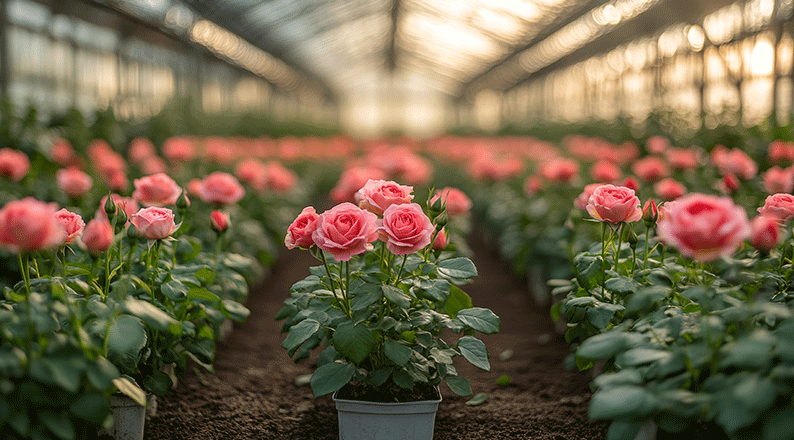
Understanding why rose plants are the perfect addition to your garden starts with recognizing their unmatched combination of classic elegance, incredible fragrance, and remarkable versatility. For centuries, roses (Rosa spp.) have held the title of the world’s most iconic flowering plant. Yet, many modern homeowners falsely believe that growing roses requires professional horticultural expertise or constant chemical interventions.
                 [ MODERN ROSE LANDSCAPE BENEFITS ]
                                 │
   ┌─────────────────────────────┼─────────────────────────────┐
   ▼                             ▼                             ▼
[ CONTINUOUS BLOOMS ]    [ FRAGRANCE PROFILE ]     [ UNMATCHED VARIETY ]
 Spring through autumn    Natural essential oils    Climbers, shrubs, dwarf
 color display            & pollinator draw         & groundcover habits
Thanks to modern breeding programs, today’s rose varieties are tougher, more disease-resistant, and significantly easier to grow than those available a generation ago. Whether you are managing an expansive backyard, building formal raised beds, or curating a cozy balcony container garden, incorporating roses will instantly elevate your landscape’s aesthetic value and overall appeal.
In this comprehensive landscape and gardening guide, we will explore why roses remain essential outdoor additions, examine the top rose classes for modern yards, unpack proper planting routines, and share practical care strategies for long-term success.
The Timeless Appeal of Roses in Modern Landscapes
Every garden benefits from structural anchor plants that provide reliable, repeating color throughout the growing season. Roses perform this role better than almost any other woody perennial. When assessing landscape value, horticulturists and garden designers regularly recommend roses for several key reasons—principles also highlighted by leading botanical authorities like the Royal Horticultural Society.
[ Strategic Planting ] ──> [ Disease-Resistant Breeding ] ──> [ Decades of Seasonal Beauty ]
When you explore why rose plants are the perfect addition to your garden, several key benefits stand out immediately:
- Unmatched Blooming Duration: Unlike spring bulbs or short-lived perennials that flower for only two to three weeks, modern repeat-blooming roses produce fresh flower buds continuously from early summer straight into late autumn frosts.
- Diverse Growth Habits: Roses range from compact 18-inch miniature patio shrubs to 15-foot climbing varieties, making them suitable for almost any landscape niche.
- Exceptional Fragrance Options: Rose blossoms release natural essential oils with scents ranging from classic damask and sweet honey to citrus, clove, and fruit tea notes.
- Pollinator Support: Single and semi-double open-petaled rose varieties provide rich sources of nectar and pollen for honeybees, bumblebees, and native pollinators throughout the heat of summer.
For additional advice on pairing flowering shrubs with easy, low-stress garden choices, explore our internal guide on easy plants that make your yard look beautiful, where we feature complementary perennials that thrive alongside roses.
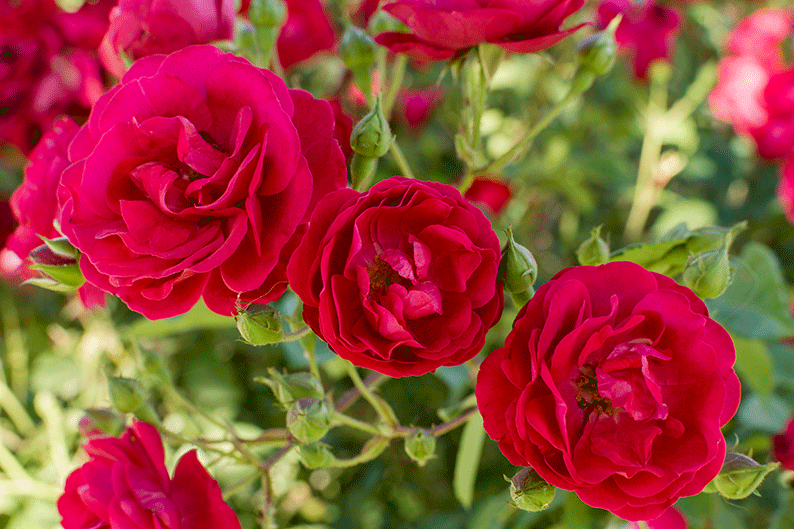
1. Versatility Across Every Garden Style
One of the top reasons why rose plants are the perfect addition to your garden is their ability to fit seamlessly into any architectural or landscape layout. From formal English country gardens to sleek, contemporary modern entryways, there is a rose class tailored to every aesthetic vision.
| Rose Category | Mature Height / Spread | Best Landscape Application | Key Growth Feature |
| Shrub & Landscape Roses | 3 to 5 Feet High / Wide | Mixed borders, hedges, foundation plantings | Extremely disease-resistant & self-cleaning |
| Climbing Roses | 8 to 15 Feet High | Trellises, arbors, fences, stone walls | Long, pliable canes trained vertically |
| Hybrid Tea Roses | 4 to 6 Feet High | Dedicated cutting gardens, formal beds | Large, single blooms on long, sturdy stems |
| Floribunda Roses | 2 to 4 Feet High | Mass plantings, walkway borders | Large clusters of medium-sized blossoms |
| Miniature & Patio Roses | 1 to 2 Feet High | Containers, balcony boxes, bed edges | Petite foliage and perfectly scaled blooms |
Matching Roses to Your Yard Layout
- For Small Spaces: Use dwarf or miniature roses in decorative ceramic pots on sunlit patios or entry steps.
- For Vertical Depth: Train climbing roses over a garden arbor or pergola to create dramatic archways of blooms.
- For Privacy and Borders: Plant dense shrub roses along property lines to establish colorful, thorny living barrier hedges.
2. Unbeatable Seasonal Color and Continuous Production
While many garden shrubs offer a single burst of spring flowers before fading to plain green foliage, modern repeat-blooming roses remain color factories throughout summer and fall.
                  [ ANNUAL ROSE BLOOM CYCLE ]
                               │
       ┌───────────────────────┴───────────────────────┐
       ▼                                               ▼
[ Spring Flush: Peak Bloom ]               [ Summer-Fall: Repeat Cycles ]
 High-density flower production             Continuous bud development
 across mature cane structure               until first hard autumn freeze
The Evolution of Modern Breeding
Historically, classic Hybrid Tea roses required meticulous deadheading, spraying, and winter wrapping to stay healthy. However, modern landscape rose series—such as Knock Out®, Drift®, and Oso Easy®—have completely transformed home gardening.
[ Classic Roses: High Maintenance ] ──> Require frequent chemical treatments
[ Modern Shrubs: Low Maintenance ]  ──> Naturally resistant to rust & black spot
These modern cultivars feature natural immunity against black spot and powdery mildew while dropping spent petals automatically, eliminating the need for tedious manual deadheading.
3. Creating Sensory Experiences with Rose Fragrances
A truly captivating garden appeals to more than just sight; it engages multiple senses. The scent of roses is deeply embedded in human culture, offering natural aromatherapy right in your backyard.
1.Identify Fragrance Profiles:
Choose varieties based on scent intensity—options include classic Damask (deep rose), Citrus/Fruity (lemon and green apple notes), or Clove/Spicy profiles.
2.Position Near High-Traffic Areas:
Plant highly fragrant varieties near patio seating, outdoor dining areas, or along main garden walkways where breezes carry essential oils.
3.Capture Morning Vapors:
Rose fragrance oils are most concentrated in the early morning as temperature and humidity rise. Visit your garden early to enjoy peak scent release.
Top Fragrant Rose Varieties
- ‘Gertrude Jekyll’ (David Austin English Rose): Renowned for its rich, traditional damask perfume.
- ‘Mr. Lincoln’ (Hybrid Tea): Produces deep velvet-red flowers with a powerful, classic rose aroma.
- ‘Julia Child’ (Floribunda): Displays butter-yellow blooms with a sweet, licorice-spice scent.
For insights into how sensory garden spaces promote personal well-being, see our companion article on building a motivational life with gardencare.
4. Environmental and Ecological Benefits
Beyond their visual beauty, rose plants contribute positively to local backyard ecosystems. When integrated into balanced, pesticide-free garden spaces, roses support beneficial wildlife and build healthy soil food webs.
                  [ ECOLOGICAL ROLE OF ROSES ]
                               │
   ┌───────────────────────────┼───────────────────────────┐
   ▼                           ▼                           ▼
[ POLLINATOR FOOD ]     [ WINTER BIRD FEED ]     [ BENEFICIAL HABITAT ]
 Nectar & pollen for     Rose hips provide        Thorny branches offer
 bees & hoverflies       birds winter vitamin C   safe nesting shelter
Winter Rose Hips for Wildlife
When you allow late-season blooms to finish naturally without pruning, the base of the flower develops into a seed pod called a rose hip. Rich in Vitamin C, sugar, and essential nutrients, bright red and orange rose hips serve as vital winter food sources for songbirds such as robins, bluebirds, and waxwings. To learn more about native bird and pollinator conservation standards, consult the National Wildlife Federation habitat restoration guidelines.

Master Comparison Guide: Choosing the Right Rose Type
Use this quick-reference table to select the ideal rose class based on your garden conditions, sunlight availability, and care preferences:
| Rose Type | Light Requirement | Watering Needs | Pruning Difficulty | Best Feature |
| Shrub / Landscape | Full Sun (6+ hrs) | Moderate | Very Low | Maximum disease resistance & continuous bloom |
| Hybrid Tea | Full Sun (6–8 hrs) | Moderate to High | Medium | Perfect single-stem flowers for vases |
| Climbing | Full Sun (6+ hrs) | Moderate | Medium | Vertical coverage for fences & arbors |
| Floribunda | Full Sun to Part Shade | Moderate | Low | Massive clusters of colorful blooms |
| Miniature | Full Sun (6+ hrs) | Moderate | Low | Excellent for pots, boxes, & tight borders |
| Groundcover | Full Sun | Low to Moderate | Very Low | Suppresses weeds on sloped banks |
Step-by-Step Planting Guide for Rose Success
Planting rose bushes correctly ensures deep root establishment and robust stem growth for decades. Follow this step-by-step installation timeline for best results:
Site Selection and Soil Testing
Phase 1
Choose a spot receiving at least 6 hours of direct, unfiltered sunlight daily. Ensure the soil is well-draining; roses dislike waterlogged roots. Test soil pH—roses thrive best in slightly acidic to neutral soils between 6.0 and 6.8.
Digging the Hole and Amending Soil
Phase 2
Dig a hole twice as wide as the rose’s nursery container and equally deep. Mix excavated native soil with 30% high-grade organic compost or well-rotted manure to enrich nutrient levels.
Positioning and Root Placement
Phase 3
Remove the rose from its container and gently loosen bound outer roots. Set the plant into the hole, ensuring the graft union (the swollen bump near the base) rests 1 to 2 inches below the soil surface in cold climates, or just at surface level in warm climates.
Backfilling and Deep Soaking
Phase 4
Fill the hole halfway with enriched soil, tap lightly to settle air pockets, and soak thoroughly with water. Once drained, fill the rest of the hole with soil and water deeply again.
Mulching for Root Protection
Phase 5
Apply a 2- to 3-inch layer of organic hardwood mulch around the base, keeping mulch 2 inches away from main woody stems to prevent bark rot.
Seasonal Maintenance Calendar for Healthy Roses
Keeping your rose bushes vibrant and free of pests requires only a few minutes of care each season.
[ Spring: Prune & Fertilize ] ──> [ Summer: Deep Water ] ──> [ Autumn: Hips & Cleanup ] ──> [ Winter: Base Mulch ]
Spring (March – May)
- Hard Pruning: In early spring as leaf buds swell, prune away dead, damaged, or diseased canes. Cut healthy stems back by one-third at a 45-degree angle just above an outward-facing bud.
- Fertilization: Apply a balanced, slow-release organic rose fertilizer rich in nitrogen, phosphorus, and potassium to power spring growth.
Summer (June – August)
- Watering Strategy: Water deeply at soil level using drip irrigation or a soak hose early in the morning. Avoid wetting the leaves to prevent fungal growth. For detailed water conservation principles, check the USDA Natural Resources Conservation Service.
- Mulch Refresh: Replenish organic bark mulch if it thins out under summer heat.
Autumn (September – November)
- Sanitation: Rake up fallen leaves around the base of rose bushes to eliminate overwintering fungal spores.
- Stop Feeding: Discontinue high-nitrogen fertilizers 6 weeks before your average first fall freeze to allow canes to harden off safely for winter.
Winter (December – February)
- Root Protection: In colder zones (USDA Zone 5 and colder), mound 6 to 8 inches of loose soil or compost over the base of rose canes to insulate roots against freeze-thaw cycles.
Final Landscape Insights
It is easy to see why rose plants are the perfect addition to your garden. They combine romantic charm, continuous seasonal color, rich fragrance profiles, and valuable ecosystem benefits in one hardy perennial plant.
- Select Disease-Resistant Cultivars: Modern shrub and landscape roses deliver maximum beauty with minimal maintenance.
- Plant in Full Sun: Ensure at least 6 hours of daily sunlight for strong stems and abundant flower production.
- Focus on Soil and Air Flow: Good drainage, organic soil amendments, and proper spacing keep roses healthy year after year.
Case Study: Transforming Cross-Functional Workflow Efficiency in Mid-Market Enterprise
Organization: Apex Global Logistics
Industry: Third-Party Logistics (3PL) & Supply Chain Management
Scope: Regional Headquarters & Operations Network
Timeframe: 12 Months
Focus Area: Digital Workflow Automation & Operational Change Management
Executive Summary
As global supply chains grow increasingly complex, mid-market enterprise organizations face mounting pressure to modernize legacy operations without disrupting daily service delivery. Apex Global Logistics, a mid-market third-party logistics provider managing regional distribution networks, experienced acute operational friction due to disconnected legacy software systems, manual paper-based tracking, and fragmented inter-departmental communication.
This case study examines a 12-month organizational modernization initiative designed to streamline order-to-delivery workflows, implement automated tracking systems, and establish unified data architecture across sales, warehouse, and dispatch teams. The intervention achieved a 34% reduction in order processing cycles, a 48% decrease in customer-reported shipment discrepancies, and an annual operational cost savings of $1.2 million.
                  [ APEX GLOBAL LOGISTICS TRANSFORMATIONAL MODEL ]
                                         │
   ┌─────────────────────────────────────┼─────────────────────────────────────┐
   ▼                                     ▼                                     ▼
[ SYSTEM INTEGRATION ]         [ PROCESS AUTOMATION ]        [ CULTURAL REALIGNMENT ]
 Unified ERP/WMS API            Automated order dispatch      Cross-functional KPI
 data pipeline                  & exception handling          dashboards & training
Organizational Background and Challenges
Founded in 2008, Apex Global Logistics grew rapidly through regional acquisitions, resulting in an uncoordinated technology infrastructure. By early 2025, the company operated across six regional fulfillment hubs, relying on a patchwork of legacy Enterprise Resource Planning (ERP) databases, disconnected Warehouse Management Systems (WMS), and manual spreadsheet tracking.
[ Legacy ERP Database ] ──(Manual Re-entry)──> [ Disconnected WMS ] ──(Paper Manifests)──> [ Dispatch Operations ]
This fragmented structure created severe operational bottlenecks across three major touchpoints:
1. Manual Data Re-entry and Error Propagation
Customer sales orders received via electronic data interchange (EDI) or email were manually re-keyed into the warehouse management database by administrative staff. This manual intervention resulted in an initial 8.5% data entry error rate, causing inventory misallocations and shipment delays.
2. Siloed Departmental Communication
Sales teams had zero real-time visibility into active warehouse inventory levels or real-time dispatch capacity. Consequently, account managers regularly committed to unachievable fulfillment windows, leading to expedited freight surcharges and customer dissatisfaction.
3. Reactive Exception Management
When transit delays or inventory shortfalls occurred, notifications relied on informal phone calls or email threads between regional dispatchers and customer support teams. The average time required to identify, report, and resolve a shipping exception reached 14.2 business hours.
The Strategic Framework: Three-Phase Implementation
To resolve these structural bottlenecks without halting active supply chain operations, Apex leadership established a cross-functional task force comprising logistics engineers, software integrators, and front-line operational supervisors.
                   [ 12-MONTH IMPLEMENTATION TIMELINE ]
                                     │
       ┌─────────────────────────────┼─────────────────────────────┐
       ▼                             ▼                             ▼
[ MONTHS 1–3: AUDIT ]        [ MONTHS 4–8: INTEGRATION ]   [ MONTHS 9–12: OPTIMIZATION ]
 Infrastructure discovery     API pipeline deployment       Staff training & dynamic
 & process mapping            & pilot hub testing           dashboard rollout
1.Discovery and Workflow Audit:Months 1 to 3.
The project team mapped every handoff within the order-to-delivery lifecycle across all six fulfillment centers. By tracking 500 individual shipments from placement to delivery, the team identified 12 distinct manual touchpoints that added time without increasing customer value.
2.API Architecture and System Integration:Months 4 to 8.
Systems integrators deployed a unified middleware platform utilizing RESTful APIs to connect the central ERP, regional WMS databases, and third-party carrier tracking systems. This established a single source of truth for inventory and order status data.
3.Process Automation and Exception Routing:Months 6 to 10.
Automated triggers were introduced to eliminate manual order processing. System rules were configured to automatically flag low-inventory items, calculate optimal shipping routes based on real-time transit pricing, and route shipping exceptions directly to dedicated resolution specialists.
4.Organizational Training and Rollout:Months 9 to 12.
A comprehensive change management strategy was deployed across all regional hubs. Incentive structures were realigned around cross-functional efficiency metrics rather than departmental volume targets alone.
Deep Dive into Core Interventions
System Integration and API Pipeline
Prior to the intervention, inventory counts refreshed via batch processing once every 24 hours at midnight. The team deployed an event-driven middleware pipeline that updated inventory balances in real time across sales, warehouse, and customer-facing portals whenever a barcode was scanned on the fulfillment floor.
| Legacy Workflow State | Modernized Workflow State | Impact Metric |
| Data Sync Rate: 24-hour midnight batch | Data Sync Rate: Real-time event API trigger | 99.8% accurate inventory visibility |
| Order Routing: Manual paper prints | Order Routing: Automated digital dispatch rules | Processing speed improved by 62% |
| Exception Logging: Manual email threads | Exception Logging: Automated ticket generation | Resolution time reduced by 68% |
| KPI Tracking: Weekly manual spreadsheets | KPI Tracking: Live cross-functional dashboard | Real-time operational decision making |
Automated Exception Management Architecture
To streamline exception resolution, the integration team built an automated triage system using custom logic triggers:
[ Transit Delay Detected ] ──> [ System Triggers Ticket ] ──> [ Auto-Check Alternate Carriers ] ──> [ Re-route Approved ]
When a carrier tracking update indicated a delay exceeding 2 hours, the platform automatically created an internal exception ticket, notified the customer account lead, evaluated alternative regional carriers, and recommended optimal re-routing options.
Results and Quantitative Performance
At the conclusion of the 12-month implementation window, Apex Global Logistics evaluated performance using quantitative KPIs, customer feedback surveys, and financial audit logs.
[ Order Processing Time ] ──────► Reduced from 4.2 Hours to 1.4 Hours
[ Shipping Discrepancies ] ─────► Reduced by 48% Overall
[ On-Time In-Full (OTIF) ] ─────► Improved from 82.4% to 95.8%
[ Annual Savings ] ──────────────► $1,240,000 Verified
Key Quantitative Outcomes
Legacy Operational Metrics
Baseline (Month 0)
Order processing cycle average: 4.2 hours. On-Time In-Full (OTIF) delivery rate: 82.4%. Unresolved exception tickets averaged 14.2 hours to close.
Pilot Facility Deployment
Month 6
Mid-point evaluation at pilot hub showed an 18% drop in manual data entry errors and a 22% improvement in warehouse picking velocity following initial barcode system integration.
Full System Maturity
Month 12
Network-wide order processing cycle reduced to 1.4 hours. OTIF rate climbed to 95.8%. Exception resolution time dropped to 4.5 hours, while customer retention reached a company record of 94.2%.
Qualitative Cultural Transformation
Beyond measurable operational metrics, the initiative produced significant improvements in workforce morale and departmental collaboration.
“Before the integration, sales and warehouse staff were constantly at odds over inventory discrepancies. Replacing manual spreadsheets with real-time data eliminated the friction—our teams now share the exact same view of operations.”
— Chief Operating Officer, Apex Global Logistics
Core Cultural Key Takeaways
- Elimination of Blame Loops: Unified data platforms removed ambiguity surrounding where order errors occurred, encouraging collaborative problem-solving instead of inter-departmental friction.
- Shift to Proactive Management: Front-line supervisors shifted from putting out daily operational fires to strategic resource planning and preventative equipment maintenance.
- Empowered Front-Line Personnel: Warehouse floor technicians using handheld scanners felt directly connected to broad organizational metrics and customer satisfaction ratings.
Key Lessons for Enterprise Modernization
This case study demonstrates that technical integration yields maximum value only when paired with intentional change management and clear process mapping.
[ Clear Process Mapping ] + [ Event-Driven Architecture ] + [ Unified Metrics ] = Sustainable Scale
- Prioritize Data Quality Before Automation: Automating an inefficient, error-prone manual process simply accelerates error generation. Apex spent the first three months cleaning legacy master data before building automation rules.
- Adopt Phased Deployments: Rolling out API integrations at a single regional pilot hub allowed the team to refine system rules and iron out edge cases before executing a full network deployment.
- Align Incentives Across Functions: Organizational silos dissolve when sales, warehouse operations, and transport dispatch teams are evaluated on shared business outcomes—such as On-Time In-Full (OTIF) delivery performance—rather than isolated departmental goals.
Conclusion
Apex Global Logistics successfully converted a complex operational bottleneck into a competitive advantage. By pairing modern API-driven system architecture with robust change management practices, the organization dramatically improved fulfillment speed, enhanced shipment accuracy, and built a scalable platform for long-term growth.


Leave A Comment