Calls for Midnight Alcohol Sales Cut-Off in South Africa
Calls Grow for Midnight Alcohol Sales Cut-Off in South Africa
Advocacy group argues stricter trading hours could reduce violence, road accidents and pressure on hospitals.
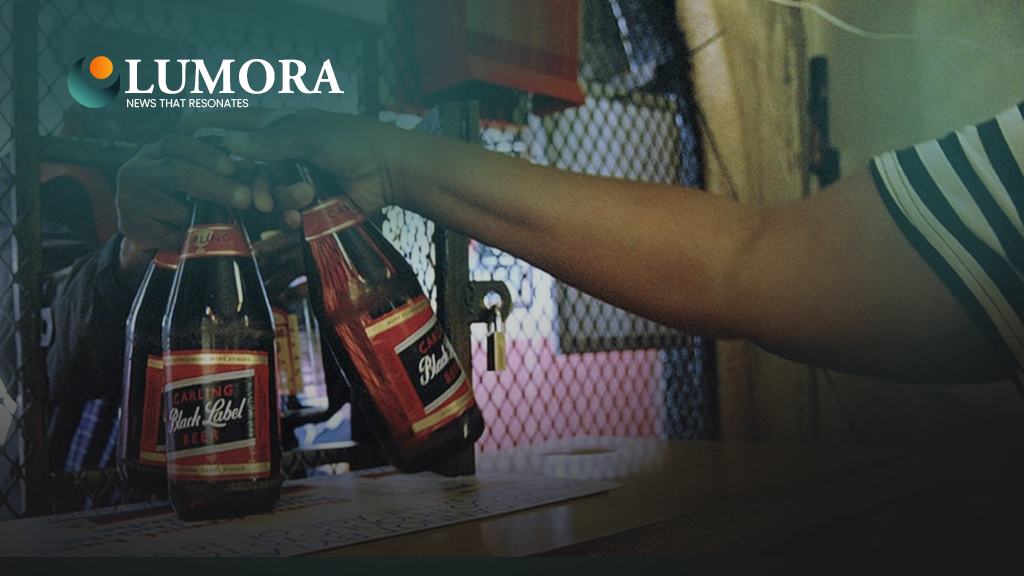
A public health advocacy group is calling for South Africa to introduce stricter alcohol trading restrictions, including requiring bars, taverns, restaurants and shebeens to stop selling alcohol at midnight.
The proposal comes from the DG Murray Trust (DGMT), which argues that limiting late-night alcohol sales could help reduce binge drinking, violent crime, road accidents and alcohol-related injuries.
The organisation has also taken its legal challenge against extended liquor trading hours in the Northern Cape to the Constitutional Court following a partial victory in the Northern Cape High Court.
Midnight Closing Time Proposed
DGMT’s Rethink Your Drink campaign believes alcohol sales between midnight and 06:00 are linked to some of the highest levels of alcohol-related harm.
Project lead Kashifa Ancer said research indicates that longer trading hours are associated with increased alcohol consumption, higher levels of interpersonal violence and a greater risk of road accidents.
According to the campaign, restricting sales during these high-risk hours would not amount to a ban on alcohol but rather a measure aimed at reducing preventable harm.
Similar to COVID-19 Restrictions
The proposed changes have drawn comparisons with alcohol restrictions implemented during South Africa’s COVID-19 lockdown periods.
During Alert Level 2 and Level 3 lockdowns, government imposed limits on alcohol sales and trading hours to reduce pressure on hospitals and trauma units.
Studies conducted during that period showed notable reductions in trauma admissions, assault-related injuries and road accident cases when alcohol availability was restricted.
DGMT argues that some of those public health benefits could be achieved through permanent trading-hour limitations.
Constitutional Court Battle
The organisation’s latest legal challenge centres on the Northern Cape’s Gambling and Liquor Act of 2024, which permitted extended liquor trading hours.
The Northern Cape High Court ruled that the provincial government failed to conduct adequate public consultation before adopting the legislation.
DGMT is now seeking confirmation of that ruling in the Constitutional Court while also pursuing broader constitutional questions relating to public health, community safety, human dignity and children’s rights.
Heavy Drinking Carries a Massive Cost
According to DGMT, heavy and binge drinking costs South Africa approximately R433 billion annually.
The organisation argues that these costs include healthcare expenses, lost productivity, crime, violence and broader social consequences.
Advocates say policymakers should consider these impacts alongside the economic contribution of the alcohol industry when determining trading-hour regulations.
More Measures Proposed
While supporting earlier closing times, DGMT says the proposal forms part of a broader strategy to reduce alcohol-related harm.
The organisation also supports:
- Restrictions on alcohol advertising
- Limits on the concentration of liquor outlets
- Minimum unit pricing for alcohol
- Changes to alcohol excise taxes
- Enhanced public awareness campaigns
Supporters of the measures believe a combination of interventions is required to address the social and health challenges associated with harmful alcohol consumption.
Debate Likely to Continue
The proposal is likely to generate debate among public health advocates, the hospitality industry, liquor traders and consumers.
Supporters argue that reducing late-night alcohol sales could save lives and ease pressure on emergency services, while opponents may raise concerns about economic impacts on businesses and jobs.
As the Constitutional Court considers the Northern Cape matter, discussion around alcohol regulation and public health is expected to remain firmly in the national spotlight.