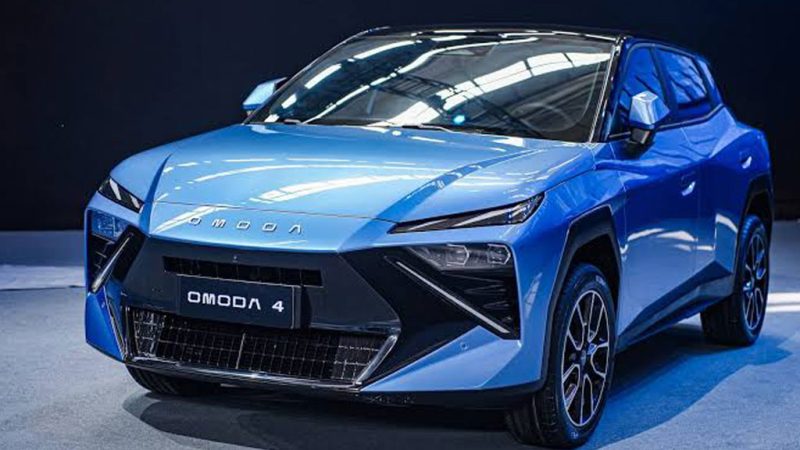
Chinese Car Owners Face Sharp Depreciation in South Africa
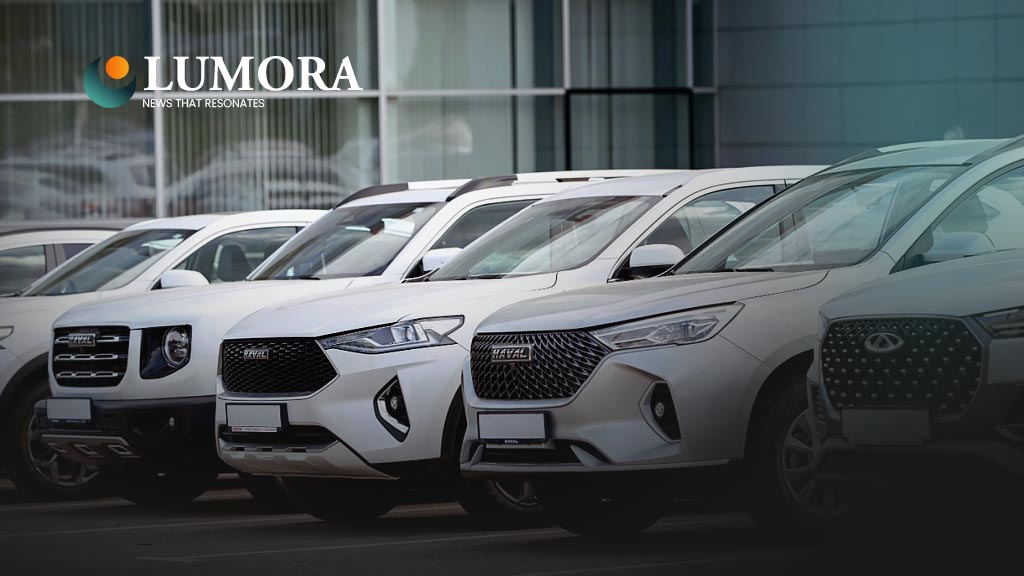
Trouble for Chinese Car Owners as Resale Values Take a Hit in South Africa
Motor retail giant CMH warns that some owners of Chinese vehicles are facing unexpected depreciation, leaving them owing more on vehicle finance than their cars are worth.
South African motorists who purchased Chinese vehicles several years ago are increasingly facing steep depreciation when attempting to trade in their cars, according to Combined Motor Holdings (CMH).
The motor retail group said the rapid rise of Chinese vehicle brands in South Africa has created attractive buying opportunities, but it has also introduced uncertainty regarding long-term resale values and brand sustainability.
Chinese Brands Gain Market Share
Chinese manufacturers continue to grow their presence in South Africa’s automotive market.
CMH reported that Chinese brands increased their share of national vehicle sales from 14.8% to 20%, highlighting their growing popularity among consumers seeking value-for-money alternatives.
However, the group warned that the expanding number of brands and models makes it difficult to determine which manufacturers will remain successful over the long term.
Owners Facing Negative Equity
The biggest concern now relates to vehicles purchased four to five years ago that are entering the typical trade-in cycle.
According to CMH, many of these vehicles have depreciated faster than owners expected.
As a result, some motorists are discovering that their trade-in values are lower than the outstanding balances on their vehicle finance agreements.
This situation, known as negative equity, means owners must either continue paying off the vehicle for longer or contribute additional funds to settle the difference before upgrading.
New Vehicles Putting Pressure on Used-Car Market
The second-hand market is also under pressure from aggressively priced new vehicles.
CMH said many buyers are bypassing used vehicles in favour of affordable new-car offerings, while negative new-vehicle inflation in recent years has further narrowed the price gap between new and pre-owned cars.
The retailer reported a 10% decline in used-vehicle sales during the reporting period despite achieving strong growth in new-vehicle sales.
Secondary Parts Market Seeing Growth
While falling resale values are creating challenges for some owners, they are generating opportunities elsewhere.
CMH said its parts supplier, MPD, which specialises in Chinese and Asian vehicle brands, has benefited from growing demand for replacement parts.
As increasing numbers of vehicles move beyond their factory warranty periods, owners are turning to alternative parts suppliers to keep maintenance costs under control.
Strong Results for CMH
Despite the challenges facing parts of the vehicle market, CMH delivered solid financial results for the six months ended 31 August 2026.
Key results included:
- Revenue increased 6.6% to R8.1 billion.
- Operating profit rose 13.9% to R368.4 million.
- Total profit and comprehensive income increased 12.7%.
- Headline earnings per share climbed 18.6% to 261 cents.
- Cash resources grew 16.1% to nearly R900 million.
The company also reported strong performance from its vehicle operations despite logistical challenges affecting some imported brands.
Buyers Urged to Consider Long-Term Value
The warning serves as a reminder that purchase price is only one factor when buying a vehicle.
Industry experts often advise consumers to consider depreciation, brand longevity, parts availability and resale value before making a purchase decision.
As competition among Chinese manufacturers intensifies, the long-term winners in South Africa’s rapidly growing market remain uncertain, making future resale values an important consideration for prospective buyers.