
Why Old Songs Are Dominating Streaming Charts in 2026
Old Songs Are Winning the Streaming Era as Listeners Embrace Nostalgia
Despite more music being released than ever before, listeners are increasingly choosing classics over new releases, reshaping charts and creating fresh challenges for emerging artists.
The music industry is experiencing an unusual paradox. More songs are being released today than at any point in history, yet listeners are spending an increasing amount of time revisiting older music instead of discovering new releases.
Streaming platforms receive more than 100,000 new songs every day, but data shows that the majority of listening now comes from music released years ago.
Nostalgia Dominates Streaming
Recent industry data reveals that nearly 60% of all music streamed in 2026 was released at least five years ago.
In both the United Kingdom and the United States, older catalogue music is significantly outperforming newly released songs.
The trend is especially noticeable on music charts, where songs released years or even decades ago continue to attract millions of streams and regularly compete with modern releases.
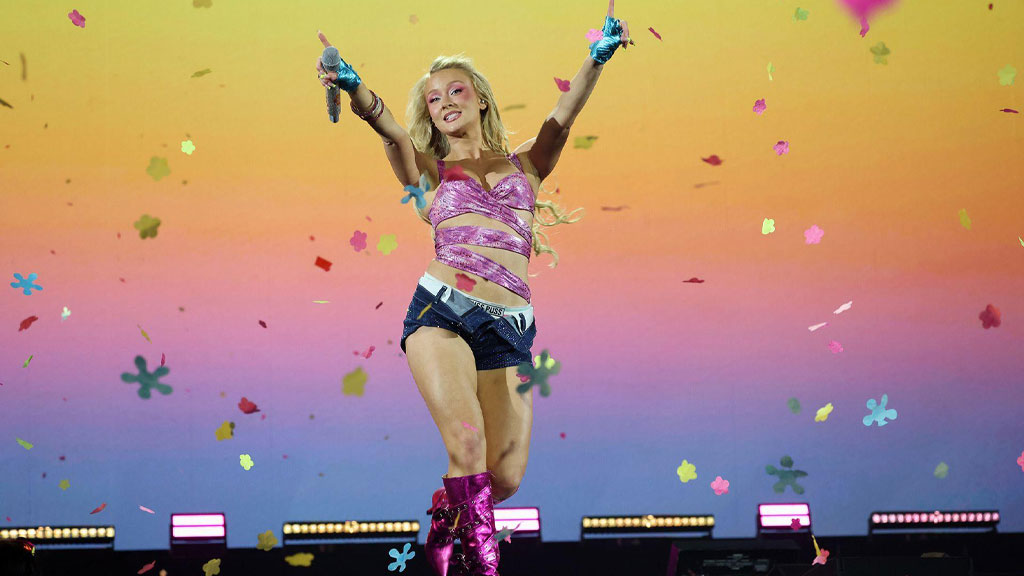
Tracks such as Zara Larsson’s Lush Life, Fleetwood Mac’s Dreams and Michael Jackson’s Billie Jean continue to generate substantial listening figures long after their original release dates.
Streaming Gives Every Era Equal Access
Before the streaming era, listeners were largely influenced by radio playlists, physical album availability and current chart trends.
Today, virtually every commercially released song is available instantly.
This unlimited access has transformed listening habits, allowing audiences to move freely between decades rather than focusing primarily on current releases.
Many listeners are choosing familiarity, comfort and nostalgia over the overwhelming volume of new music entering the market each day.
Fewer Songs Dominate for Longer
Another trend contributing to the decline in music discovery is the growing lifespan of major hits.
Successful songs are remaining at the top of charts for extended periods, reducing opportunities for newer releases to break through.
Instead of a constantly changing chart landscape, listeners increasingly gravitate toward a smaller number of blockbuster hits that remain popular for months.
This concentration of streaming activity makes it more difficult for emerging artists to gain visibility.
Algorithms May Be Reinforcing Old Habits
Music experts believe recommendation algorithms are playing a major role in shaping listening behaviour.
Streaming services rely heavily on data-driven recommendations designed to keep users engaged by suggesting music similar to what they already enjoy.
While this approach improves convenience, critics argue that it can also create musical echo chambers where listeners are repeatedly exposed to similar songs, genres and artists.
As a result, many users receive fewer unexpected recommendations that might introduce them to new talent.
Challenges for Emerging Artists
For independent and grassroots musicians, the current environment presents significant challenges.
Even artists who achieve viral success often struggle to build long-term audiences beyond a single breakthrough song.
Industry professionals warn that viral platforms can create short-lived moments of popularity without necessarily helping artists develop sustainable careers.
With most streams concentrated among a small percentage of established acts, new musicians face increasing competition for listener attention.
Live Music Remains a Discovery Tool
Many artists believe live performances remain one of the most effective ways to connect audiences with new music.
Unlike algorithm-driven recommendations, live events provide audiences with direct exposure to unfamiliar performers in a more personal setting.
Organisations focused on grassroots music continue investing in intimate performances and curated showcases designed to help emerging artists reach new listeners.
Supporters argue that human recommendations remain one of the strongest ways to encourage genuine music discovery.
AI Adds Another Layer
Artificial intelligence is also reshaping the music landscape.
Streaming platforms increasingly use AI to generate playlists, organize recommendations and personalise user experiences.
While these tools help listeners quickly find music that matches specific moods or activities, some musicians worry that algorithms often prioritise similarity over discovery.
Others have raised concerns about AI-generated music appearing alongside human-created recordings, potentially creating additional competition for listener attention.
The Future of Music Discovery
Despite concerns about nostalgia dominating streaming habits, industry leaders insist that new music remains essential to the future of the business.
Today’s headline artists were once unknown newcomers themselves.
The challenge for streaming platforms, record labels and artists is finding better ways to help audiences discover tomorrow’s stars while still enjoying the classics they love.
The numbers suggest old music is thriving like never before, but the long-term health of the industry may depend on ensuring that new voices are still heard.