
Naoero ICC Withdrawal and Australia Refugee Deal Draw Criticism
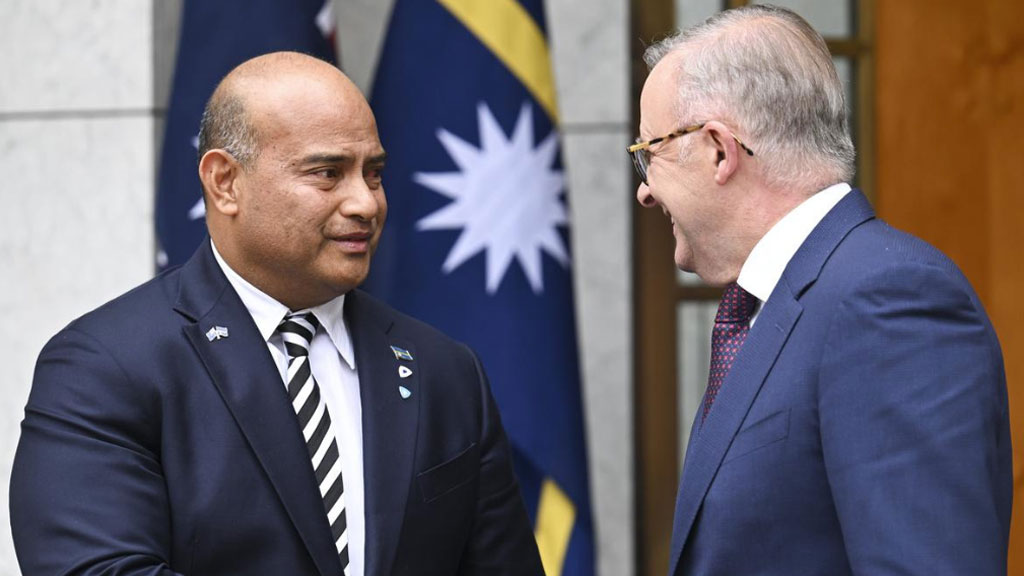
Naoero Withdraws from ICC as Australia Refugee Agreement Sparks Human Rights Concerns
Pacific island nation faces growing scrutiny after exiting the International Criminal Court and revealing a controversial refugee arrangement with Australia.
Naoero, formerly known as Nauru, has come under renewed international scrutiny following its decision to withdraw from the International Criminal Court (ICC) and the disclosure of a controversial refugee agreement with Australia.
The developments have raised concerns among human rights organizations, which argue that the country is moving further away from international accountability and refugee protection standards.
Naoero Announces ICC Withdrawal
President David Adeang used a United Nations gathering in September 2026 to announce Naoero’s voluntary withdrawal from the ICC.
The decision drew criticism from several international organizations, including Amnesty International, which warned that the move could weaken human rights protections and place the Pacific nation at odds with regional partners.
Advocacy groups have argued that withdrawing from the court risks reducing accountability for serious international crimes and weakening the Pacific region’s collective commitment to justice.
The move also comes against a backdrop of long-standing concerns about civic freedoms in Naoero, where restrictions on media access have limited independent reporting on human rights issues and conditions faced by asylum seekers.
Australia Refugee Deal Made Public
Adding to the controversy, details of a previously undisclosed agreement between Naoero and Australia have now emerged.
The arrangement involves the transfer of more than 350 refugees and asylum seekers from Australia to Naoero under what has become known as the “NZYQ cohort” agreement.
The agreement applies to individuals who no longer have a lawful right to remain in Australia but cannot be returned to their countries of origin because of legal or practical barriers.
According to details released by Australian authorities, Naoero is required to accept transferred individuals with very limited grounds for refusal.
The agreement reportedly states that transfers cannot be rejected due to age, criminal history, health conditions or other personal characteristics unless they present a serious and immediate risk to public health or national security.
Human rights advocates have criticized the arrangement, arguing that it places vulnerable individuals in a country with limited legal obligations toward refugees and asylum seekers.
Concerns Over Refugee Protections
Critics have highlighted that Naoero is not a signatory to the 1951 Refugee Convention, meaning it is not legally bound by many international refugee protection standards.
Concerns regarding conditions at detention and processing facilities on the island have persisted for years.
The publication of the Nauru Files in 2016 brought international attention to allegations of abuse, violence, self-harm and inadequate conditions within offshore detention facilities.
Human rights groups have also raised concerns about restrictions on freedom of expression for asylum seekers, including limitations on communication and access to information.
Reports indicate that refugees and asylum seekers have experienced restricted internet access and limited opportunities to communicate with the outside world.
Food Shortages Deepen Humanitarian Concerns
Refugee advocates have also reported worsening living conditions following recent power outages at the Budapest refugee camp in Naoero.
According to the Refugee Action Coalition Sydney, extended electricity failures caused food stored in refrigerators to spoil, leaving many residents struggling to access essential supplies.
The situation has reportedly been compounded by shortages of staple foods such as rice and flour.
Advocates claim many asylum seekers were already surviving on one meal a day due to financial hardships before the food losses occurred.
Several humanitarian organizations have warned that the power outages have intensified existing vulnerabilities within the camp population.
International Scrutiny Intensifies
Human rights organizations continue to call for greater transparency regarding Naoero’s refugee policies and its relationship with Australia.
The country’s withdrawal from the ICC, combined with ongoing concerns surrounding refugee treatment and living conditions, is likely to fuel further debate within the international community.
As investigations and advocacy efforts continue, pressure is mounting on both governments to provide assurances regarding the rights, welfare and long-term future of refugees and asylum seekers affected by the agreement.
The developments place Naoero at the center of a broader regional conversation about human rights, accountability and refugee protection in the Pacific.