
Gauteng Suspends Key Licence Rules for Uber and Taxi Drivers
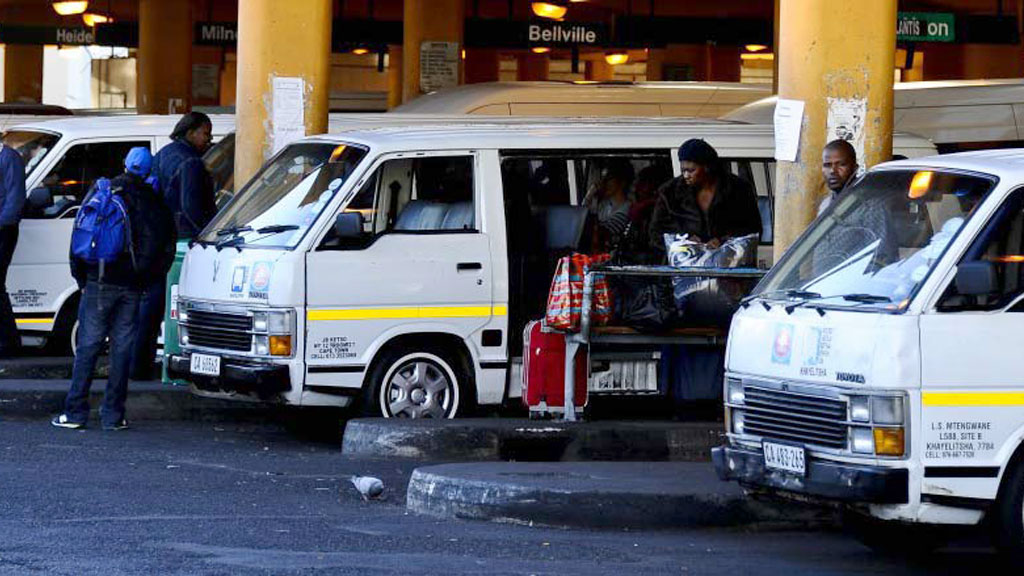
Gauteng Throws Taxi and E-Hailing Operators a Lifeline with Six-Month Licence Requirement Suspension
Temporary relief for Uber, Bolt, metered taxi and scholar transport operators as provincial government opens consultations on licensing regulations.
Thousands of public transport operators in Gauteng have been granted temporary regulatory relief after the provincial Department of Roads and Transport suspended three key operating licence requirements for six months.
The move comes after extensive concerns raised by industry stakeholders, including representatives from the e-hailing, metered taxi, scholar transport and taxi sectors, regarding the implementation of Gauteng’s Public Transport Regulatory Information System (GPTRIS).
The Gauteng National Taxi Alliance (GNTA) and the South African National Taxi Council (SANTACO) had requested the provincial government to review certain licensing conditions and allow for broader consultation before the automated licensing system is fully implemented across the industry.
Following consultations and consideration of legal, operational and administrative implications, the Gauteng Department of Roads and Transport agreed to temporarily suspend three specific application requirements until 30 April 2027.
The decision is expected to provide much-needed relief to public transport operators who argued that some of the conditions created unnecessary barriers to entry and increased compliance costs.
Three key requirements suspended
Under the temporary arrangement, applicants seeking public transport operating licences will not be required to comply with three specific conditions while consultations continue.
The first suspended requirement is the submission of Police Clearance Certificates by applicants applying for public transport operating licences.
Secondly, applicants will no longer be required to submit a formal Labour Law Compliance Undertaking confirming adherence to provisions of the Labour Relations Act.
The third suspension relates to Professional Driving Permits (PrDPs). During the grace period, individuals who own public transport businesses or operating licences but do not personally drive vehicles will no longer be required to hold a Professional Driving Permit.
According to the department, these suspensions are intended to create an environment for meaningful stakeholder engagement while ensuring that licensing processes continue uninterrupted.
Transport Operating Licence Administration Boards (TOLABs) across Gauteng have been instructed to continue processing and approving operating licence applications without requiring compliance with the three suspended conditions.
Officials stressed, however, that the decision should not be interpreted as a general relaxation of public transport regulations.
Other licence requirements remain fully enforceable
The Gauteng Department of Roads and Transport emphasised that only the three specified requirements have been suspended.
All other statutory, regulatory and administrative requirements associated with the issuing, amendment and renewal of operating licences remain in full force.
This means that operators who are already licensed and active on the province’s roads must continue complying with all existing laws and operating conditions.
The temporary relief applies primarily to new licence applications and does not exempt operators from broader legal obligations governing public transport services.
Provincial authorities have also indicated that they intend engaging with national and provincial counterparts to establish greater standardisation of licensing requirements across South Africa’s public transport sector.
The goal is to create a more consistent and predictable regulatory framework for operators regardless of where they operate.
Government warns against non-compliance
Gauteng Roads and Transport MEC Kedibone Diale-Tlabela has reiterated that compliance remains a cornerstone of public transport regulation and passenger safety.
Speaking during a recent operating licence handover ceremony, the MEC reminded operators that a valid operating licence is a legal requirement under the National Land Transport Act of 2009.
Without a valid licence, operators are not legally permitted to transport passengers for reward on public roads.
According to Diale-Tlabela, operating licences do more than provide legal authorisation to conduct business. They also serve as proof that transport operators meet important safety, operational and regulatory standards designed to protect passengers and improve transport services.
She encouraged operators to continue maintaining high compliance standards while prioritising passenger safety and service quality.
The MEC added that building a reliable, efficient and professional public transport system depends on cooperation between regulators and operators.
Crackdown on illegal operators continues
Despite the temporary suspension, authorities have made it clear that enforcement against illegal operators will continue.
Recent operations across South Africa have demonstrated government’s commitment to ensuring compliance within the growing e-hailing sector.
Earlier this year, Tshwane Metro Police impounded dozens of vehicles linked to illegal e-hailing activities in Pretoria. Similar enforcement actions were reported in Mahikeng, where several e-hailing drivers experienced disruptions after their vehicles were seized for non-compliance.
These operations form part of broader efforts to implement new regulations aimed at improving passenger safety, service quality and accountability within South Africa’s rapidly expanding e-hailing industry.
The government has repeatedly warned that operators who fail to meet legal requirements risk fines, vehicle impoundments and the suspension of operating privileges.
Industry welcomes breathing room
The six-month grace period is expected to provide operators with valuable breathing room while discussions on Gauteng’s licensing framework continue.
For Uber, Bolt, metered taxi and scholar transport operators, the suspension offers an opportunity to engage directly with policymakers and help shape regulations that are practical, fair and aligned with the evolving transport landscape.
Industry groups have long argued that excessive bureaucracy and inconsistent licensing requirements create challenges for operators trying to provide legal transport services.
The consultation process is expected to address these concerns while balancing the government’s responsibility to protect passengers and uphold industry standards.
The suspension will remain in effect until 30 April 2027, after which Gauteng authorities are expected to begin strict enforcement of all licensing requirements once again.
For now, public transport operators across South Africa’s economic powerhouse have received a temporary lifeline as government works toward a more streamlined and consistent regulatory system.