SARS Loses High Court Case Over Unauthorised Tax Return Dispute
SARS Loses Court Battle After Company Claims Tax Returns Were Filed Without Authorisation
Johannesburg High Court orders SARS to reconsider disputed tax assessments after finding it failed to properly address allegations of unauthorised tax submissions.
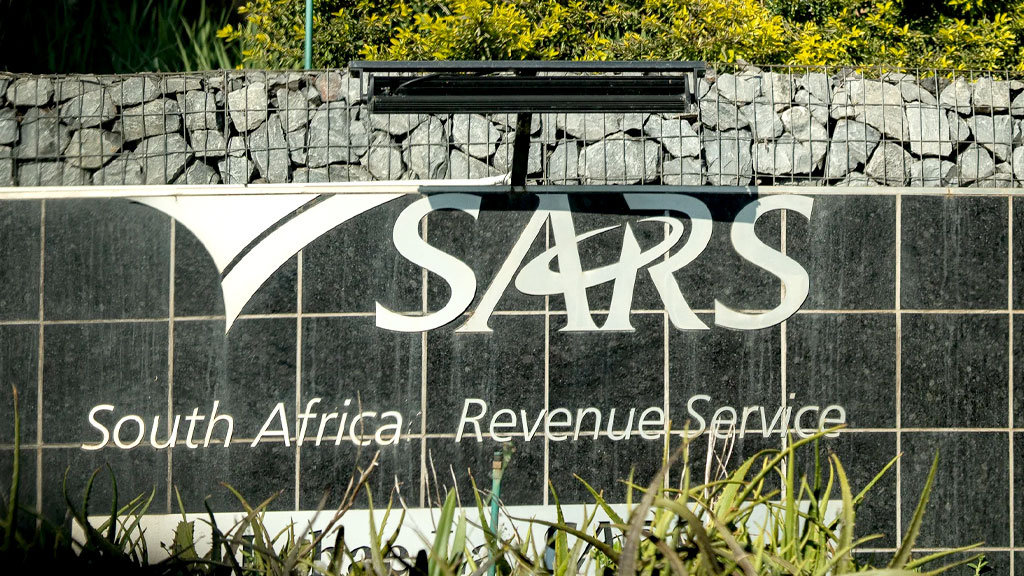
The Johannesburg High Court has ruled against the South African Revenue Service (SARS) in a dispute involving contested tax assessments, after a company argued that tax returns had been submitted without its authorisation.
The case centred on TEG Asset & Risk Management CC, which challenged income tax assessments for the 2017 tax year as well as value-added tax (VAT) assessments covering the period between 2015 and 2017.
The company maintained that a consultant, who was not authorised to act on its behalf, had submitted tax returns that ultimately led to substantial tax liabilities.
Dispute Over Who Submitted Returns
According to court documents, TEG appointed an accountant in 2010 to manage its financial affairs, including the submission of tax returns.
The accountant allegedly delegated some responsibilities to an external consultant, identified as Ms Buitendag.
TEG argued that the consultant submitted tax returns without the company’s authority, resulting in disputed assessments from SARS.
After conducting an audit, SARS issued tax assessments against the company, which it later sought to challenge.
SARS Rejected Request
In October 2022, TEG requested that SARS reduce the disputed assessments under provisions of the Tax Administration Act.
However, SARS rejected the request, arguing that the accountant had been appointed as the company’s public officer and therefore had authority in matters relating to tax administration.
Following unsuccessful engagements with SARS, the company approached the Johannesburg High Court for relief.
Court Finds SARS’ Reasoning Faulty
The court accepted that the accountant had been properly appointed as TEG’s public officer.
However, Judge Wright found that SARS failed to properly consider a critical issue: whether the consultant who submitted the returns had been authorised to do so.
The judgment distinguished between the lawful appointment of a public officer and the factual question of who actually submitted the disputed returns and under what authority.
According to the ruling, SARS did not directly challenge the allegation that the consultant may have acted without authorisation.
Judge Wright concluded that SARS’ reasoning in refusing the company’s request was incorrect.
“The reason for the decisions is wrong,” the judge stated in the judgment delivered on 8 October 2026.
SARS Ordered to Reconsider Assessments
The High Court subsequently set aside SARS’ decisions issued on 28 October 2022 and 23 February 2023.
The revenue authority has now been ordered to reconsider the company’s requests in light of the court’s findings.
In addition, SARS was ordered to pay the taxpayer’s legal costs.
Important Implications for Taxpayers
Tax specialists say the ruling highlights the importance of properly examining the facts behind disputed tax submissions.
According to tax experts, the judgment confirms that merely appointing a public officer does not automatically resolve questions regarding whether specific tax returns were submitted with the taxpayer’s knowledge or consent.
The case may have broader implications for businesses that rely on third-party consultants, tax practitioners and accounting firms to manage their tax affairs.
Experts advise companies to maintain strict oversight of tax submissions and ensure clear authorisation processes are in place to avoid similar disputes.
The judgment serves as a reminder that questions surrounding authority and accountability remain critical when dealing with taxpayer obligations and assessments.