
End of Exclusive Supermarket Leases to Transform South African Malls
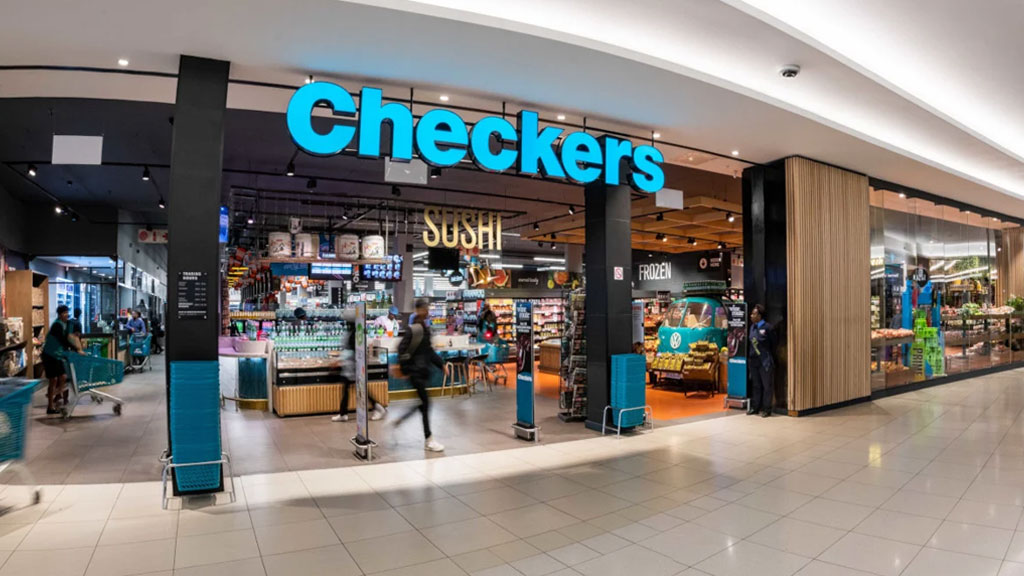
End of Exclusive Supermarket Deals in South African Malls Set to Reshape Retail Landscape
Competition Commission reforms will open shopping centres to more grocery retailers as long-standing exclusivity agreements come to an end.
South Africa’s retail sector is preparing for a major shift as exclusive grocery lease agreements used by major supermarket groups are set to become a thing of the past.
From 1 January 2027, retailers will no longer be allowed to enter into new exclusive grocery lease agreements, while all remaining exclusivity arrangements must be terminated by 31 December 2026.
The change follows intervention by the Competition Commission, which argued that exclusive lease agreements limited competition, reduced consumer choice and created barriers for smaller retailers seeking access to shopping centres.
A Major Change for Shopping Centres
For decades, major supermarket groups such as Shoprite, Pick n Pay and SPAR have often secured exclusive rights to operate as the sole grocery retailer within many shopping centres.
These agreements prevented landlords from leasing space to competing supermarkets, effectively protecting incumbent retailers from direct competition.
The Competition Commission’s Grocery Retail Market Inquiry found that these arrangements helped entrench the dominance of established retailers while making it difficult for new entrants and smaller businesses to gain market access.
As a result, the Commission negotiated legally binding agreements with Shoprite, Pick n Pay and SPAR to phase out the practice.
What Changes in 2027?
Beginning in January 2027, no new grocery exclusivity agreements will be allowed.
In addition, all existing exclusivity arrangements involving the affected supermarket groups must be removed by the end of December 2026.
Competition Commission spokesperson Siyabulela Makunga confirmed that there will be no extensions beyond the deadline.
The reforms apply specifically to Shoprite, Pick n Pay and SPAR.
Woolworths and Food Lover’s Market are not affected because they did not utilise exclusive grocery lease arrangements in the same way.
More Choice for Consumers
Industry experts believe the reforms could significantly improve shopping options for consumers.
Large shopping centres may now be able to accommodate multiple supermarket brands serving different customer segments.
For example, landlords could combine premium, mainstream and value-focused grocery offerings within a single centre.
This could lead to increased competition on pricing, promotions, product ranges and customer service.
Consumers may also benefit from greater convenience and a wider selection of products.
Opportunities for Smaller Retailers
The end of exclusivity agreements is also expected to create opportunities for small and medium-sized enterprises (SMEs) and historically disadvantaged business owners.
Many smaller grocery retailers previously struggled to access shopping centres because exclusive agreements blocked competing operators from entering certain locations.
The Competition Commission believes removing these restrictions will create a more competitive and inclusive retail environment.
Not Every Mall Will Add New Supermarkets
While the changes are significant, industry experts caution that they will not automatically result in multiple supermarkets opening in every shopping centre.
Factors such as available retail space, consumer demand, centre size and commercial viability will continue to influence leasing decisions.
Landlords will ultimately decide how best to structure their tenant mix based on market conditions and customer requirements.
However, many shopping centre owners have already begun adapting to the regulatory changes by introducing additional grocery retailers and negotiating new leases without exclusivity clauses.
Retail Sector Faces New Competitive Era
The removal of exclusive grocery leases represents one of the most significant structural changes in South Africa’s retail property sector in recent years.
For supermarket groups, it means greater competition in centres where they previously operated without direct rivals.
For consumers, it could lead to more choice, improved pricing and greater innovation.
And for smaller retailers, it may provide access to locations that were historically difficult to enter.
As the December 2026 deadline approaches, South Africa’s shopping mall landscape is poised to enter a new era of competition and consumer choice.