Cybersecurity Test Raises New Concerns Over Connected Vehicle Safety
Connected Vehicle Security Risks Under Spotlight After Remote Access Demonstration
Cybersecurity test involving a connected vehicle highlights growing concerns around digital safety, privacy and the future of smart cars.
A recent cybersecurity demonstration has reignited debate around the safety of connected vehicles after researchers showed how certain vehicle functions could be accessed remotely under specific conditions.
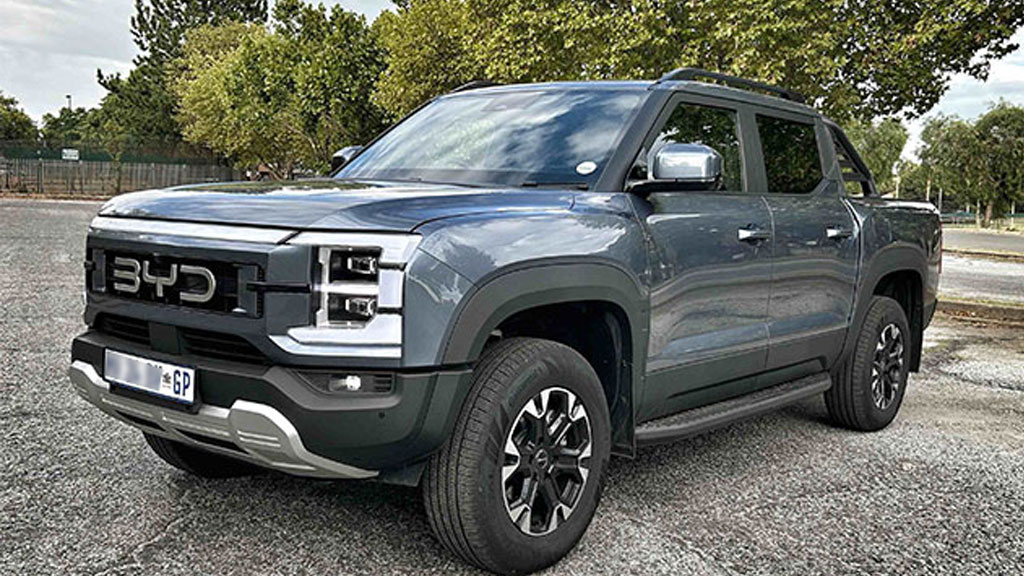
The demonstration, conducted by Australian cybersecurity firm FortifyLabs, involved a BYD Shark 6 Premium, a vehicle model also available in South Africa.
Researchers were able to remotely interact with selected vehicle features after first gaining physical access to the vehicle and installing software. The demonstration included controlling functions such as headlights and windscreen wipers, tracking the vehicle’s location and accessing the onboard microphone.
However, critical safety systems such as braking and steering controls were reportedly not compromised during the test.
Manufacturer Responds to Findings
Following the demonstration, BYD conducted an investigation and identified a software-related vulnerability within the system.
The manufacturer indicated that the issue would be addressed through a software update aimed at strengthening security and preventing similar access methods from being exploited.
The incident has once again highlighted the increasing role software plays in modern vehicles and the importance of regular security updates.
As vehicles become more dependent on connected systems, experts warn that cybersecurity must be treated with the same seriousness as traditional vehicle safety.
Growing Concerns Over Smart Vehicles
Modern vehicles increasingly rely on internet connectivity, cloud services, cameras, sensors and advanced infotainment systems.
While these technologies offer convenience and improved driving experiences, they also create new opportunities for cybercriminals to target digital systems.
Cybersecurity analyst and IronSky South Africa director Sibusiso Sishi says the risks are likely to increase as more advanced vehicles enter global markets.
According to Sishi, many newer vehicles now feature larger infotainment platforms running sophisticated operating systems, creating additional points of vulnerability if security measures are not properly implemented.
Privacy Risks Extend Beyond Driving Functions
Experts note that cybersecurity concerns are not limited to vehicle operation but also extend to personal privacy.
Connected vehicles can collect significant amounts of data, including location information, voice recordings, driving habits and other sensitive user information.
If compromised, this information could potentially be accessed by unauthorized individuals.
The demonstration showed that attackers could potentially gain visibility into certain non-critical vehicle functions, highlighting the need for greater protections surrounding driver and passenger data.
Manufacturers Urged to Prioritise Cybersecurity
Industry specialists are calling on vehicle manufacturers to place greater emphasis on cybersecurity throughout the design and development process.
This includes securing infotainment systems, implementing stronger access controls and ensuring software updates are delivered quickly when vulnerabilities are discovered.
Experts argue that cybersecurity can no longer be treated as an optional feature as connected vehicles become increasingly common on South African roads.
Instead, digital protection must become a core element of vehicle safety standards.
Keeping Vehicles Secure
Cybersecurity professionals also recommend that vehicle owners keep their software updated and install manufacturer-issued security patches as soon as they become available.
Just as smartphone and computer users regularly update their devices, connected vehicle owners may need to adopt similar habits to reduce potential risks.
While the latest demonstration required physical access before remote functions could be accessed, the incident serves as a reminder that connected vehicles are becoming part of the broader cybersecurity landscape.
As technology continues to transform the automotive industry, ensuring the security of vehicles and the privacy of drivers will remain a growing challenge for manufacturers, regulators and consumers alike.