
SRD Grant Extended as Government Delays New Livelihood Grant Plan
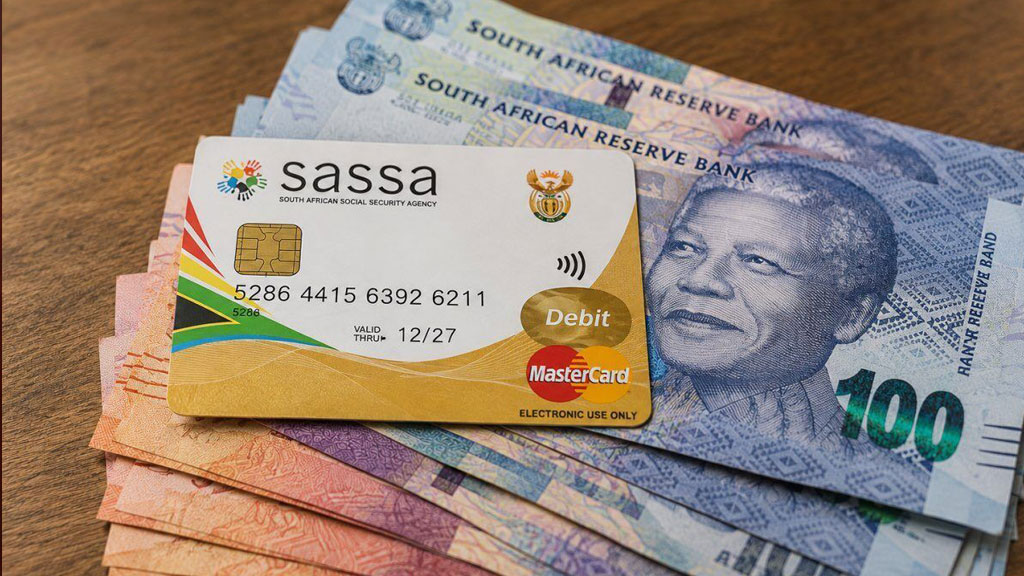
SRD Grant Extended for Another Year as Government Finalises New Support Model
Treasury confirms R370 grant will continue until 2028 while plans for a new Livelihood Grant remain under review.
Millions of South Africans receiving the R370 Social Relief of Distress (SRD) grant will continue receiving support for at least another year after National Treasury confirmed an extension of the programme.
The announcement was made as part of the 2026 Medium-Term Budget Policy Statement (MTBPS), providing relief to beneficiaries who had been waiting for clarity about the future of the grant.
According to Treasury, the extension will allow government to complete work on a redesigned support programme aimed at helping beneficiaries access employment opportunities, skills development programmes and business support initiatives.
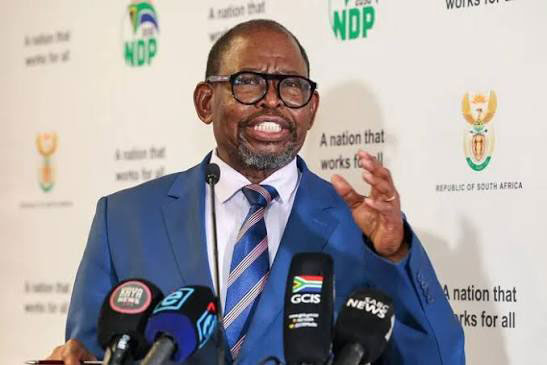
New Livelihood Grant Still Being Developed
Government has been considering a replacement for the SRD grant, commonly referred to as the Livelihood Grant.
The proposed model aims to move beyond direct financial assistance by connecting beneficiaries to opportunities that could help them secure sustainable sources of income.
Treasury said recipients would eventually be linked to employment, training and entrepreneurial opportunities through the MzansiXchange platform, a cross-government data exchange system designed to improve verification and service delivery.
The platform is expected to help identify opportunities for grant recipients while improving coordination between various government departments and agencies.
Promise of New Model Delayed
The latest announcement falls short of earlier expectations that government would provide detailed plans for the replacement grant during the MTBPS.
President Cyril Ramaphosa previously indicated that government intended to redesign the SRD grant to better support livelihoods, skills development, productive activity and access to work opportunities.
Finance Minister Enoch Godongwana also stated earlier this year that discussions regarding the future of the grant were underway.
However, Treasury has now opted for another extension while policymakers continue reviewing the most suitable long-term model.
Lifeline for Millions of South Africans
Introduced during the Covid-19 pandemic in March 2020, the SRD grant has become an important source of support for millions of unemployed and vulnerable South Africans.
The programme was initially launched as a temporary intervention but has since been extended multiple times due to ongoing economic challenges and high levels of unemployment.
In February, Godongwana allocated an additional R36.4 billion to continue funding the grant at its current value of R370 per month until 31 March 2027.
The latest extension means beneficiaries will continue receiving assistance while government finalises plans for the replacement programme.
Treasury Flags Financial Risks
Despite its importance as a social safety net, Treasury has identified the SRD grant as one of the government’s major expenditure risks.
In the MTBPS, Treasury highlighted ongoing legal challenges related to the grant’s regulations as a potential financial risk to the state’s budget.
The department also identified spending pressures linked to the National Student Financial Aid Scheme (NSFAS) and public-sector wage costs.
These concerns have increased pressure on government to develop a sustainable long-term solution that balances social protection with fiscal responsibility.
Beneficiaries Await Further Details
While the extension offers certainty in the short term, many beneficiaries will now be waiting for further details regarding the proposed Livelihood Grant and how the transition process will work.
Government has maintained that the future model will focus on helping recipients gain access to employment, training and economic opportunities rather than relying solely on monthly financial support.
Until those plans are finalised, the SRD grant will continue to provide critical assistance to millions of South Africans facing unemployment and financial hardship.
The extension ensures that vulnerable households will continue receiving support while government works towards a more comprehensive social assistance framework.