
New Levy Could Raise Costs for Petrol and Diesel Cars in South Africa
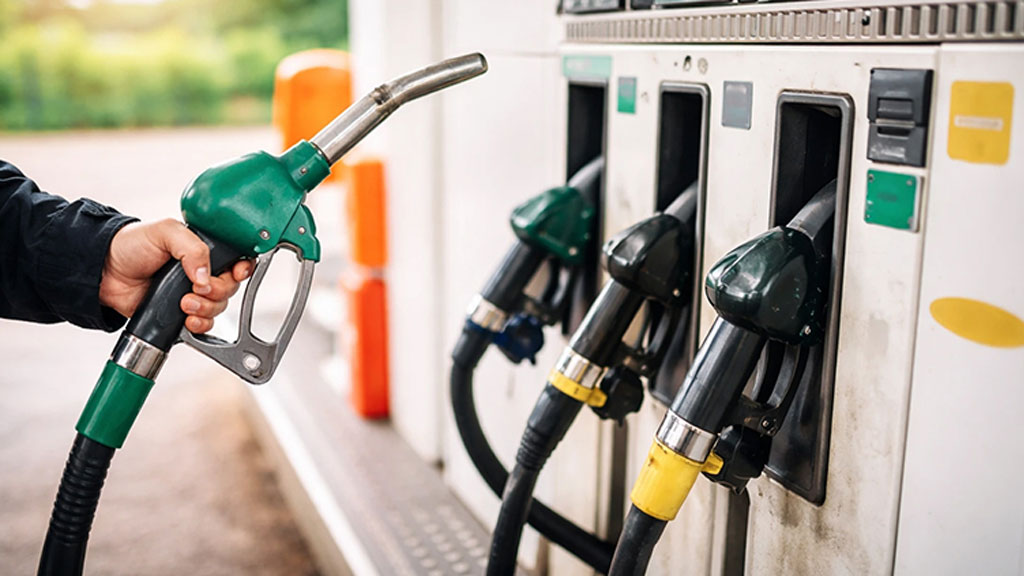
New Levy Proposal Could Make Petrol and Diesel Vehicles More Expensive in South Africa
Government plans to introduce a new emissions-based system that rewards electric and hybrid vehicle buyers while penalising higher-polluting cars.
South African motorists who drive petrol and diesel vehicles could soon face higher costs under a proposed new emissions levy aimed at accelerating the country’s transition to cleaner transport.
The proposal forms part of the Department of Energy and Electricity’s draft National Energy Efficiency Strategy (NEES), which outlines a range of reforms designed to improve energy efficiency, reduce pressure on the national electricity grid and support South Africa’s climate goals.
At the centre of the proposal is a new “feebate” system that would impose additional charges on high-emission vehicles while providing rebates to buyers of lower-emission alternatives such as hybrid and fully electric vehicles.
If adopted, the initiative could significantly reshape the South African automotive market by making environmentally friendly vehicles more financially attractive while increasing costs for consumers purchasing less fuel-efficient models.
New Feebate System Proposed
According to the draft strategy, South Africa’s current carbon dioxide (CO₂) levy system does not provide sufficient incentives for consumers or manufacturers to improve vehicle efficiency.
To address this, the department has proposed replacing the existing structure with a revenue-neutral feebate model.
Under the plan, motorists purchasing vehicles that exceed emissions thresholds would pay a levy, while vehicles that fall below the benchmark would qualify for financial rebates.
The rebates would be funded entirely through the levies collected from higher-emission vehicles.
While the department has not yet specified the exact emissions levels that would determine whether a vehicle qualifies for a rebate or a levy, it said the system should be transparent and regularly adjusted to reflect improvements in overall vehicle efficiency.
The proposal also specifically recommends incentives for electric vehicles (EVs), hybrid vehicles and other new-energy vehicle technologies.
Tougher Fuel Economy Rules on the Horizon
The draft strategy also calls for the introduction of mandatory fuel economy standards for light vehicles sold in South Africa.
Officials argue that such regulations are becoming increasingly important as international markets move toward stricter environmental and efficiency requirements.
According to the strategy, South African vehicle manufacturers could face growing challenges competing in export markets if local standards fail to align with global norms.
To address this, the Departments of Energy and Electricity and Transport are expected to jointly commission a feasibility study to determine appropriate fuel economy standards.
The standards would apply to all new vehicle sales and could be tightened every three years to encourage ongoing improvements in efficiency and emissions performance.
The department believes these measures would help ensure South Africa remains competitive in international automotive markets while supporting environmental objectives.
Part of a Broader Energy Strategy
The proposed vehicle reforms form part of a broader national plan aimed at improving energy efficiency across sectors of the economy.
The Department of Energy and Electricity argues that South Africa remains one of the world’s most energy-intensive economies, largely due to its historic dependence on coal and the ongoing challenges facing the electricity sector.
Officials say improving energy efficiency represents one of the fastest and most cost-effective ways to reduce energy demand while lowering costs for households and businesses.
The strategy is also intended to reduce pressure on power generation infrastructure, enhance energy security and contribute to economic growth.
Government believes that greater efficiency could help lower emissions without limiting development or industrial activity.
Five Key Goals
The National Energy Efficiency Strategy is built around five main objectives.
These include strengthening governance through the formal adoption of the strategy, creating regulatory and financial frameworks that support implementation, rolling out sector-specific interventions, developing skills and institutional capacity, and establishing comprehensive systems to monitor and verify performance.
The government says achieving these goals will require coordinated action across national and provincial government departments, municipalities, regulators, state-owned entities and the private sector.
What It Means for Drivers
While the proposed measures are still in draft form and are not yet law, they indicate the direction government is considering for the country’s transport and energy sectors.
Should the proposals be implemented, buyers of petrol and diesel vehicles with higher emissions could face additional costs, while consumers opting for electric and hybrid vehicles may benefit from financial incentives.
For now, South African motorists, vehicle manufacturers and dealerships will be closely watching developments as government considers public feedback on the proposed strategy.
The outcome could have a significant impact on vehicle prices, consumer purchasing decisions and the future of transport in South Africa.