



Proposal: The International Trade Administration Commission (Itac) raised the possibility of increasing import duties on new vehicles to 50%, the World Trade Organisation’s bound rate.
Industry Response: BMW SA CEO Peter van Binsbergen, also president of Naamsa, stressed that the industry is not asking for such a tariff. Instead, they want adjustments to the Automotive Production and Development Programme (APDP) and the South African Automotive Masterplan (Saam).
Affordability: A 50% duty would double current tariffs, making cars unaffordable for entry-level consumers.
Unintended Consequences: Could destabilize the used-car market and reduce consumer mobility.
Imports from China & India: These markets dominate South Africa’s imports, disrupting local production.
SKD Loophole: Semi-knocked down (SKD) assembly plants exploit duty-free categories without creating jobs or investment. Industry wants this loophole closed.
Industry’s Preferred Approach
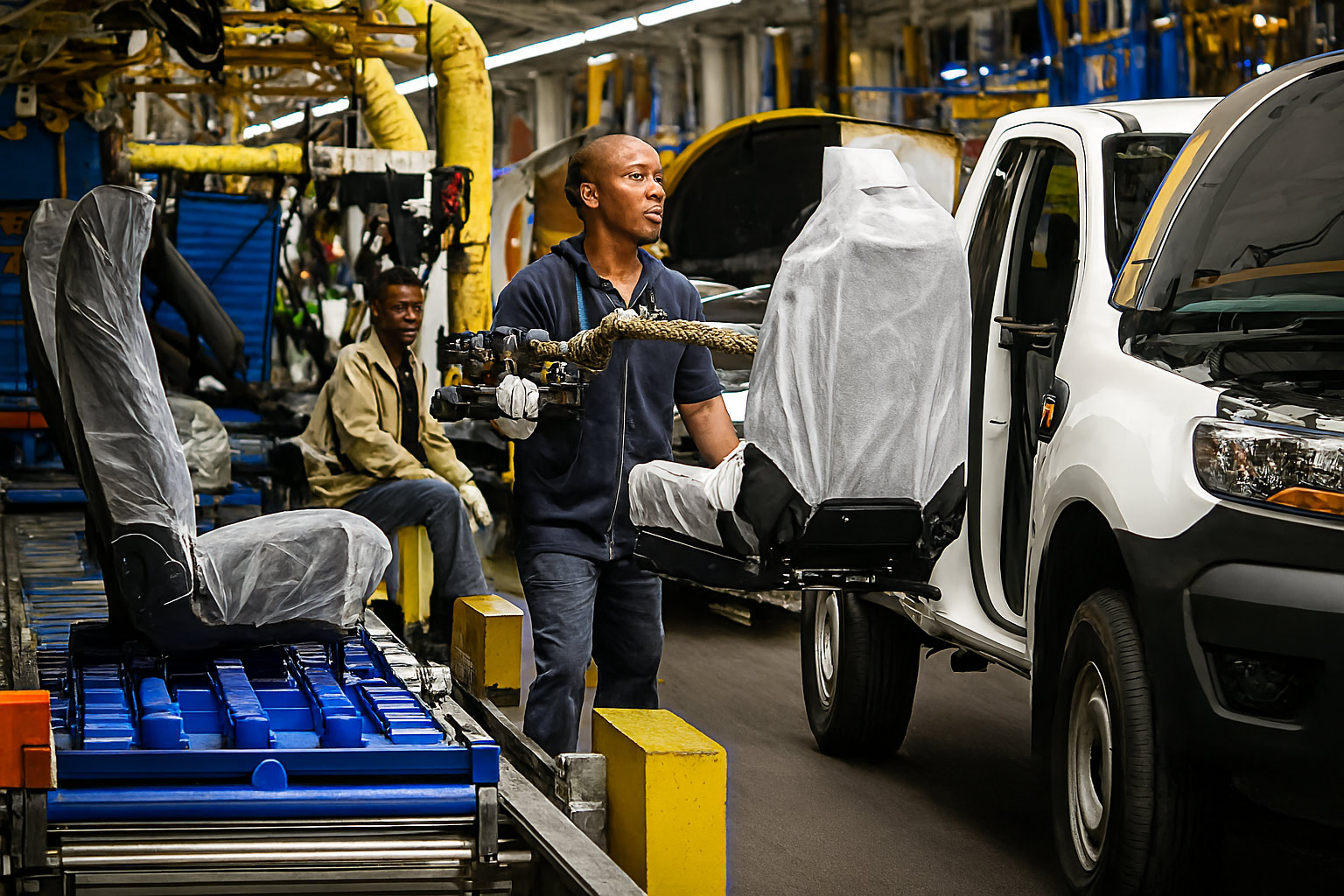
Fine-Tuning Policy Levers: Adjust duties and incentives to make “real production” viable (full assembly, welding, painting, not screwdriver assembly).
Encourage Local Manufacturing: Increase the number of brands producing in SA from 7 currently to 10+, boosting supplier networks and job creation.
Global Trade Relations: Maintain access to the US market, where exports collapsed in 2025 due to Section 232 tariffs. Agoa alone is insufficient; removal of the 25% US duty is critical.
Current Performance
BMW SA:
Grew 12% year-on-year in 2025, leading the premium segment with 46% market share.
Produced 79,000 units in 2025, the highest in 52 years.
Exports: 88% to Europe, with 40% plug-in hybrids.
Mini Brand:
Grew 4% in 2025.
Battery electric vehicle (BEV) sales surged 50%, making BMW/Mini responsible for 48% of BEV sales in South Africa.
Risks & Opportunities
Risks:
Overly harsh tariffs could shrink consumer demand and weaken competitiveness.
Loss of US export market threatens component manufacturers’ viability.
Opportunities:
Policy refinements could attract new brands and suppliers.
Expansion of BEV production positions SA as a regional leader in electrification.
Conclusion
The South African auto industry is not opposed to tariffs outright, but rejects the blunt 50% duty proposal. Instead, it seeks targeted policy adjustments to strengthen local manufacturing, safeguard affordability, and expand exports. The debate underscores the tension between protecting domestic industry and maintaining consumer access to affordable vehicles.