HSBC Officially Exits South Africa After 30 Years
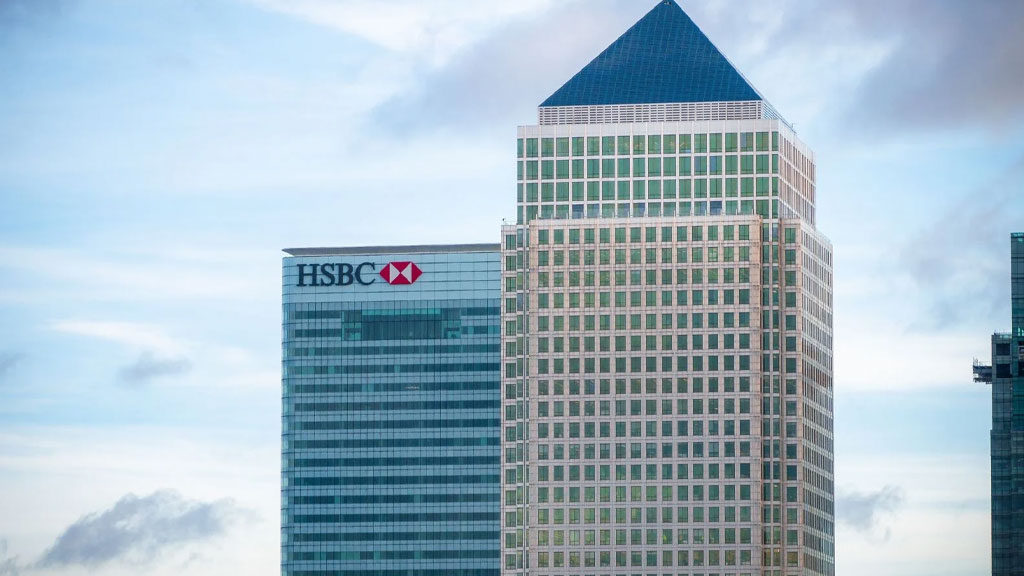
HSBC Officially Exits South Africa After 30 Years of Operations
Reserve Bank withdraws final authorization as global banking giant completes its planned departure from the South African market.
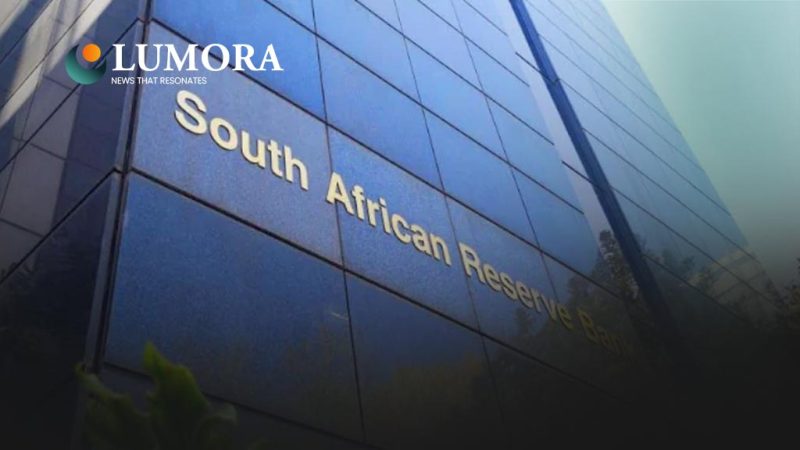
HSBC Bank has officially ended its presence in South Africa after the South African Reserve Bank (SARB) withdrew the institution’s authorization to operate its Johannesburg branch.
The move marks the final step in a multi-year exit process that began in 2024 when the UK-based banking giant announced plans to leave the country as part of a broader international restructuring strategy.
Having operated in South Africa since 1995, HSBC’s departure brings to a close more than three decades of activity in one of Africa’s largest financial markets.
Reserve Bank Confirms Withdrawal
According to a notice published in the Government Gazette on 23 October 2026, the Reserve Bank formally withdrew HSBC Bank plc’s authorization to conduct banking business through its Johannesburg branch.
The withdrawal became effective on 18 September 2026.
This development follows a series of regulatory and operational steps taken over the past two years as the bank gradually wound down its local operations.
Exit Process Began in 2024
HSBC first announced its intention to exit South Africa in September 2024, citing a strategic decision to concentrate resources on selected international markets.
The bank’s departure formed part of a wider global restructuring programme aimed at streamlining operations and improving capital allocation.
In 2025, HSBC Private Bank, a related entity operating in South Africa, also completed its closure.
As part of the wind-down process, many clients were reportedly transferred to Rand Merchant Bank (RMB), while HSBC maintained a limited operational footprint through its Johannesburg office until the final stages of its exit.
Foreign Exchange Authorization Removed Earlier
A significant milestone in HSBC’s departure occurred in May 2026 when the Reserve Bank’s Financial Surveillance Department revoked the bank’s status as an authorised dealer in foreign exchange.
At the time, authorities also confirmed that HSBC’s name would be removed from various sections of South Africa’s exchange control regulations.
The latest Gazette notice effectively completes the bank’s withdrawal from the country’s regulated banking environment.
International Banks Scaling Back
HSBC is not the only major international banking group to reduce its footprint in South Africa and other African markets in recent years.
Several global financial institutions have either exited, downsized or restructured their African operations amid changing market conditions and strategic priorities.
Among them is BNP Paribas, which closed its corporate and investment banking operations in South Africa in 2024.
Other international banking groups, including Barclays, Standard Chartered and Societe Generale, have also adjusted their presence across parts of the continent.
Competitive Local Banking Sector
Despite the departure of some international institutions, South Africa remains home to one of Africa’s most developed and competitive banking industries.
The market is dominated by the country’s major banking groups, including Standard Bank, Capitec, FirstRand, Absa and Nedbank.
These institutions control the majority of banking assets and customer deposits, while a growing number of specialist and digital banks continue competing for market share.
Industry analysts note that intense competition, regulatory requirements and evolving market dynamics have contributed to strategic decisions by some foreign banks to reassess their operations in South Africa.
For HSBC, the withdrawal marks the end of a 30-year chapter in the country, as the global financial giant redirects its focus to other priority markets around the world.