
25
Aug
Introduction
Water is one of the most essential elements for plant survival, yet proper watering remains one of the most misunderstood aspects of gardening. Many gardeners assume that watering simply means adding moisture whenever a plant appears dry. In reality, effective watering is both an art and a science. Understanding when, how, and how much to water can make the difference between a flourishing garden and one that struggles with weak growth, disease, and poor productivity.
Every plant depends on water to carry nutrients, support photosynthesis, regulate temperature, and maintain healthy cellular functions. Without adequate moisture, plants become stressed, growth slows, and yields decline. At the same time, excessive watering can be just as harmful as drought conditions. Overwatering often deprives roots of oxygen, encourages fungal diseases, and leads to root rot, a common cause of plant failure.
As climate patterns become increasingly unpredictable, efficient water management has gained importance for both gardeners and the environment. Water conservation practices not only reduce utility costs but also help preserve valuable natural resources. Sustainable watering techniques allow gardeners to maintain healthy gardens while using water responsibly.
Whether you are growing vegetables in raised beds, maintaining flower gardens, caring for indoor plants, or managing container gardens on a balcony, mastering watering techniques is a crucial skill. Different plants have different moisture requirements, and environmental factors such as temperature, humidity, soil type, and wind all influence water needs. Learning how these variables interact provides a strong foundation for successful plant care.
Modern gardeners have access to a wide range of watering methods, from traditional watering cans to sophisticated drip irrigation systems. However, even the best equipment cannot replace fundamental knowledge about plant hydration and soil moisture management. By understanding the principles of watering, gardeners can create healthier environments where plants grow stronger, produce better harvests, and remain resilient during challenging conditions.
This guide explores the essential watering techniques, best practices, common mistakes, seasonal strategies, and advanced methods that help gardeners maintain thriving landscapes while conserving valuable water resources.
- Introduction
- Understanding Why Plants Need Water
- How Plants Absorb Water
- The Connection Between Soil and Water
- Recognizing Signs of Underwatering
- Recognizing Signs of Overwatering
- The Best Time to Water Plants
- Deep Watering vs. Shallow Watering
- Watering Newly Planted Gardens
- Watering Established Plants
- Watering Container Plants
- Indoor Plant Watering Techniques
- Drip Irrigation Systems
- Soaker Hoses
- Sprinkler Irrigation
- Water Conservation Techniques
- Seasonal Watering Strategies
- Watering Different Plant Types
- Flowering Plants
- Common Watering Mistakes to Avoid
- Case Study: Improving Garden Health Through Better Watering
- Advanced Watering Techniques
- Conclusion
Understanding Why Plants Need Water
Water plays a central role in every stage of plant development. It is involved in nearly every biological process that keeps plants alive and healthy.
Plants use water to:
- Transport nutrients from soil to plant tissues
- Support photosynthesis
- Maintain cell structure
- Regulate temperature
- Promote root development
- Produce flowers and fruits
- Facilitate seed germination
When plants receive adequate moisture, they grow vigorously and develop strong root systems. Insufficient moisture, however, can stunt growth, reduce flowering, and weaken plant defenses against pests and diseases.
Understanding the importance of water helps gardeners move beyond simple watering routines and adopt more strategic approaches to plant care.
How Plants Absorb Water
Water enters plants primarily through their roots. Tiny root hairs absorb moisture from the surrounding soil and transport it upward through specialized tissues.
This process allows water to reach:
- Leaves
- Flowers
- Fruits
- Stems
- Growing shoots
Healthy roots are essential because they serve as the plant’s water intake system. Soil conditions directly affect how efficiently roots can access moisture.
Compacted soils, poor drainage, and overwatering can significantly reduce root performance, making proper watering practices even more important.
The Connection Between Soil and Water
Soil plays a critical role in determining how much water plants receive and retain.
Sandy Soil
Sandy soils drain rapidly.
Benefits:
- Excellent drainage
- Reduced waterlogging
Challenges:
- Frequent watering required
- Nutrients wash away quickly
Clay Soil
Clay soils hold moisture much longer.
Benefits:
- Strong water retention
- Reduced watering frequency
Challenges:
- Risk of waterlogging
- Poor aeration
Loamy Soil
Loam offers the ideal balance.
Benefits:
- Consistent moisture retention
- Good drainage
- Healthy root development
Understanding your soil type helps prevent both under-watering and overwatering.
Recognizing Signs of Underwatering
Plants communicate their watering needs through visible symptoms.
Common Signs
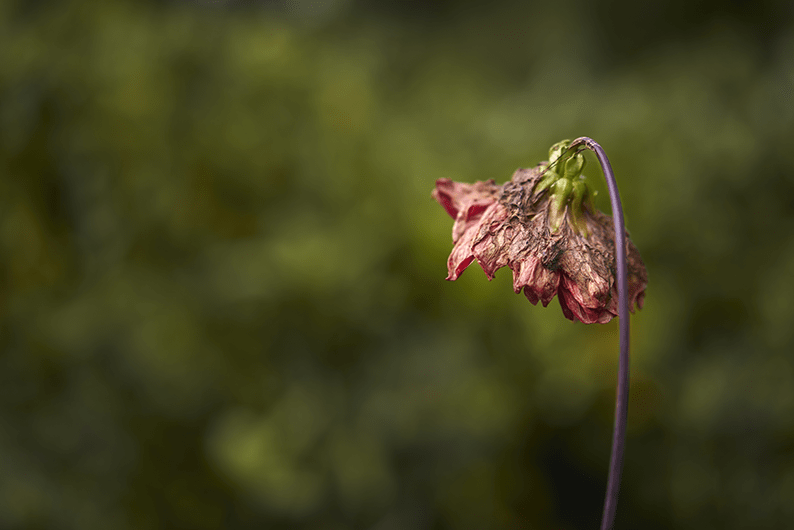
Wilting Leaves
One of the earliest indicators of water stress.
Dry Soil
Soil pulls away from container edges or cracks in garden beds.
Brown Leaf Edges
Insufficient moisture often causes leaf margins to become crispy.
Slow Growth
Plants focus on survival rather than development.
Premature Flower Drop
Flowers and fruit may fall before maturity.
Prompt action can often restore plant health before permanent damage occurs.
Recognizing Signs of Overwatering
Many gardeners mistakenly believe more water is always better.
However, overwatering is among the most common plant care mistakes.
Yellow Leaves
Overwatered plants frequently develop yellow foliage.
Soft Stems
Excess water weakens plant tissues.
Root Rot
Waterlogged roots become vulnerable to fungal infections.
Mold Growth
Persistent moisture encourages fungal development.
Slow Growth
Despite abundant water, plants may struggle because oxygen levels around roots decline.
Identifying these symptoms early helps prevent severe damage.
The Best Time to Water Plants
Timing can significantly influence watering effectiveness.
Morning Watering
Morning is widely considered the best time to water plants.
Benefits include:
- Reduced evaporation
- Improved absorption
- Lower disease risk
- Cooler conditions
Plants receive moisture before the day’s heat increases water demand.
Evening Watering
Evening watering may be necessary during extreme heat.
Advantages include:
- Less evaporation
- Better water penetration
However, wet foliage overnight can increase fungal problems.
Midday Watering
Generally discouraged because:
- Water evaporates rapidly
- Efficiency decreases
- Leaves may scorch under certain conditions
Morning remains the preferred watering window for most gardens.
Deep Watering vs. Shallow Watering
Understanding the difference between these approaches is essential.
Deep Watering
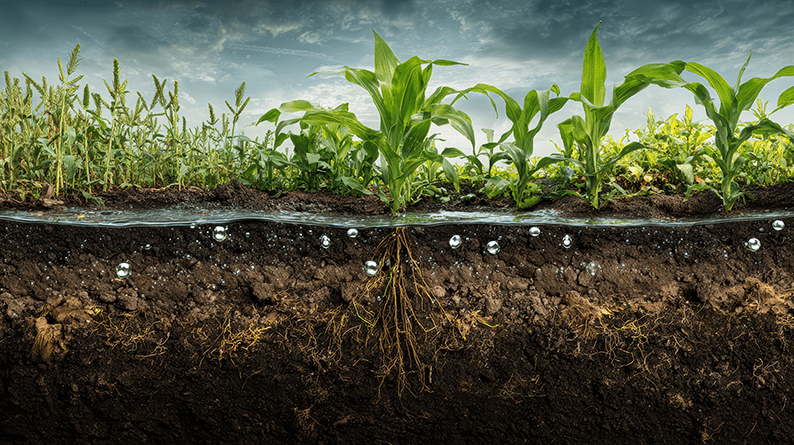
Deep watering encourages roots to grow downward.
Benefits include:
- Stronger roots
- Greater drought resistance
- More stable growth
Water penetrates deeply into the soil, reaching lower root zones.
Shallow Watering
Shallow watering only moistens the surface.
Problems include:
- Weak root systems
- Increased drought sensitivity
- Frequent watering requirements
Deep, less frequent watering often produces healthier plants.
Watering Newly Planted Gardens
Young plants require special attention.
Newly planted seedlings have:
- Small root systems
- Limited moisture access
- Greater vulnerability
For best results:
- Water consistently during establishment
- Monitor soil moisture daily
- Apply mulch around plants
Once roots become established, watering frequency can gradually decrease.
Watering Established Plants
Mature plants generally require less frequent attention.
Established root systems:
- Access deeper moisture reserves
- Tolerate short dry periods
- Recover more effectively from stress
Deep watering every few days often proves more beneficial than daily light watering.
Watering Container Plants
Containers create unique watering challenges.
Because containers contain limited soil:
- Moisture evaporates quickly
- Roots become crowded
- Temperature fluctuations increase
Best Practices
Use well-draining potting mix.
Check soil moisture regularly.
Water until excess moisture drains from the bottom.
During hot weather, containers may require daily watering.
Indoor Plant Watering Techniques
Indoor plants depend entirely on their owners for water management.
Check Soil Before Watering
Never water solely according to a calendar schedule.
Instead:
- Feel the soil surface
- Test moisture levels
- Observe plant condition
Consider Seasonal Changes
Indoor plants grow more slowly during winter and often require less water.
Adapting watering routines prevents common issues associated with overwatering.
Drip Irrigation Systems
Drip irrigation is one of the most efficient watering methods available.
Water is delivered directly to the root zone through tubing and emitters.
Benefits include:
- Water conservation
- Reduced evaporation
- Lower weed growth
- Consistent moisture delivery
Drip irrigation is particularly useful in vegetable gardens and raised beds.
Soaker Hoses
Soaker hoses release water slowly through their porous surfaces.
Advantages include:
- Even distribution
- Root-zone hydration
- Improved efficiency
They work exceptionally well for:
- Flower beds
- Vegetable gardens
- Landscape borders
Sprinkler Irrigation
Sprinklers remain popular for lawns and large areas.
Benefits include:
- Broad coverage
- Ease of use
- Automation compatibility
Potential drawbacks include:
- Higher evaporation
- Water waste
- Wet foliage
Careful timing helps improve efficiency.
Water Conservation Techniques
Sustainable gardening emphasizes responsible water use.
Mulching
Mulch significantly reduces evaporation.
Organic mulches include:
- Straw
- Wood chips
- Shredded leaves
- Compost
Benefits include:
- Moisture retention
- Temperature regulation
- Weed suppression
Rainwater Harvesting
Collecting rainwater provides an environmentally friendly irrigation source.
Benefits:
- Reduced utility costs
- Sustainable gardening
- Emergency water reserves
Rain barrels are simple and effective collection systems.
Grouping Plants by Water Needs
Plants with similar moisture requirements should be planted together.
Benefits include:
- Greater efficiency
- Easier maintenance
- Reduced waste
This landscaping strategy is often called hydrozoning.
Seasonal Watering Strategies
Different seasons require different watering approaches.
Spring
Spring generally provides moderate temperatures and natural rainfall.
Focus on:
- Establishing seedlings
- Monitoring moisture
- Adjusting to changing weather
Summer
Summer often creates the highest water demand.
Important strategies include:
- Deep watering
- Mulching
- Early morning irrigation
Vegetables, annual flowers, and containers require close monitoring.
Autumn
Cooler temperatures reduce water requirements.
Autumn priorities include:
- Preparing plants for dormancy
- Reducing irrigation frequency
- Supporting root development
Winter
Many plants require minimal watering during winter.
Exceptions include:
- Winter vegetables
- Containers under cover
- Indoor plants
Avoid watering frozen soil.
Watering Different Plant Types
Not all plants have identical needs.
Vegetables
Most vegetables require consistent moisture.
Examples:
- Tomatoes
- Lettuce
- Cucumbers
- Peppers
Irregular watering can affect harvest quality.
Succulents
Succulents prefer infrequent watering.
Overwatering is a leading cause of failure.
Allow soil to dry completely between watering sessions.
Trees and Shrubs
Young trees require regular watering.
Established specimens need less frequent but deeper irrigation.
This promotes long-term stability and resilience.
Flowering Plants
Consistent moisture encourages:
- Better blooms
- Longer flowering periods
- Stronger growth
Mulching helps maintain ideal conditions.
Common Watering Mistakes to Avoid
Watering Too Frequently
Constantly wet soil often damages roots.
Ignoring Soil Conditions
Different soils require different watering schedules.
Wetting Leaves Excessively
Wet foliage encourages fungal diseases.
Watering at ground level is generally preferable.
Using a Fixed Schedule
Environmental conditions vary daily.
Always assess soil moisture before watering.
Neglecting Mulch
Bare soil loses moisture rapidly.
Mulch significantly improves watering efficiency.
Case Study: Improving Garden Health Through Better Watering
Maria struggled to maintain her vegetable garden during summer. Despite watering daily, her tomatoes and peppers appeared stressed, and yields remained disappointing.
After researching proper watering techniques, she discovered that she was providing shallow surface watering. As a result, roots remained near the soil surface and became highly vulnerable to heat.
Maria switched to deep watering twice weekly, installed mulch around her plants, and began watering early each morning. Within a few weeks, plant vigor improved noticeably. Leaves became healthier, fruit production increased, and water usage declined significantly.
By the end of the season, Maria harvested nearly twice as many vegetables as the previous year. Her experience demonstrates how effective watering practices often produce better results than simply increasing water volume.
Advanced Watering Techniques
Experienced gardeners often use advanced methods to maximize efficiency.
Smart Irrigation Systems
Smart controllers monitor:
- Weather conditions
- Soil moisture
- Temperature
These systems automatically adjust watering schedules.
Soil Moisture Sensors
Sensors help determine exactly when irrigation is necessary.
Benefits include:
- Reduced waste
- Improved accuracy
- Better plant health
Subsurface Irrigation
Water is delivered below the soil surface.
Advantages:
- Minimal evaporation
- Reduced weed growth
- Improved efficiency
This method is increasingly used in modern sustainable gardening.
Conclusion
Mastering effective watering techniques is one of the most valuable skills any gardener can develop. While many people focus on plant selection, fertilizers, and pest control, proper irrigation often determines whether plants struggle or flourish. Understanding advanced watering techniques allows gardeners to improve plant health, reduce water waste, and achieve better results throughout the growing season.
One of the most effective watering techniques is teaching plants to develop deep root systems. Frequent shallow watering encourages roots to remain near the soil surface where temperatures fluctuate and moisture evaporates quickly. Deep watering, however, encourages roots to grow downward in search of moisture. This creates stronger, healthier plants that are more resistant to drought, heat, and environmental stress.
Another important aspect of successful watering techniques is timing. Watering during the early morning hours provides significant advantages. Cooler temperatures reduce evaporation, allowing more moisture to reach the root zone. Leaves also have time to dry during the day, minimizing conditions that encourage fungal diseases. Among all watering techniques, morning irrigation consistently ranks as one of the most effective and efficient practices.
Gardeners should also understand that different plants require different watering techniques. Vegetables, flowering annuals, perennials, shrubs, and trees all have unique moisture requirements. Leafy vegetables often need consistent soil moisture for proper growth, while established trees may benefit from less frequent but deeper watering sessions. Adapting watering techniques to specific plant needs improves both plant performance and water conservation.
Container gardens require specialized watering techniques because pots dry out much faster than landscape beds. The limited soil volume in containers means moisture is lost quickly through evaporation and root absorption. During hot weather, container plants may need watering once or even twice per day. Effective container watering techniques involve checking soil moisture regularly and ensuring that water penetrates the entire root zone.
Raised-bed gardens also benefit from tailored watering techniques. Because raised beds often provide excellent drainage, they can dry out more rapidly than in-ground gardens. Gardeners must monitor soil conditions closely and adjust irrigation schedules as needed. Mulching raised beds is one of the simplest watering techniques for improving moisture retention and reducing evaporation.
Modern irrigation systems have significantly improved garden watering techniques. Drip irrigation remains one of the most efficient methods available. Instead of spraying water broadly across the garden, drip systems deliver moisture directly to the root zone. These watering techniques reduce evaporation, prevent unnecessary runoff, and help minimize disease by keeping foliage dry.
Soaker hoses represent another popular option among water-efficient watering techniques. These hoses slowly release moisture along their entire length, allowing water to soak gradually into the soil. They are particularly effective in vegetable gardens, flower beds, and shrub borders. Many gardeners combine soaker hoses with mulch to maximize the benefits of these practical watering techniques.
Weather conditions should always influence your watering techniques. During periods of heavy rainfall, additional irrigation may be unnecessary. During heat waves, however, plants often require supplemental moisture. Successful gardeners learn to adapt their watering techniques according to changing environmental conditions rather than relying solely on fixed schedules.
Wind is another factor that affects the effectiveness of watering techniques. Strong winds increase evaporation rates and can prevent water from reaching its intended target. Overhead sprinklers often perform poorly during windy conditions. In such situations, drip systems and ground-level irrigation watering techniques provide more reliable results.
Mulching works hand in hand with effective watering techniques. Organic mulch creates a protective barrier that reduces evaporation, suppresses weeds, and moderates soil temperature. Because moisture remains in the soil longer, gardeners can reduce watering frequency without negatively affecting plant health. Combining mulch with proper watering techniques creates a highly efficient gardening system.
Seasonal adjustments are equally important for successful watering techniques. Spring often requires less irrigation due to cooler temperatures and increased rainfall. Summer typically demands more frequent watering, especially for vegetables and flowering plants. Autumn watering helps plants prepare for dormancy, while winter irrigation requirements depend on climate conditions. Adapting watering techniques throughout the year ensures plants receive appropriate moisture regardless of seasonal changes.
One of the most common mistakes gardeners make is relying on visual appearances alone when evaluating moisture needs. Effective watering techniques involve checking the soil itself rather than assuming plants need water based solely on surface conditions. Soil that appears dry on top may still contain sufficient moisture below the surface. Using simple tools or manual inspection helps gardeners make better watering decisions.
Hydrozoning is another advanced strategy that improves watering techniques. This practice involves grouping plants with similar water requirements together. Drought-tolerant species can share one area, while moisture-loving plants occupy another. By organizing landscapes in this way, gardeners can apply watering techniques more efficiently and avoid overwatering or underwatering certain plants.
Sustainable gardening increasingly relies on environmentally friendly watering techniques. Rainwater harvesting systems allow gardeners to collect and store rainfall for future use. Rain barrels and storage tanks provide alternative water sources that reduce dependence on municipal supplies. When combined with efficient irrigation methods, these watering techniques support long-term water conservation.
Smart technology is also transforming modern watering techniques. Programmable irrigation controllers, moisture sensors, and weather-based irrigation systems help optimize water usage. These tools automatically adjust watering schedules according to environmental conditions, ensuring that plants receive appropriate moisture levels while minimizing waste.
For newly planted trees and shrubs, specialized watering techniques are especially important. Newly established plants require consistent moisture while roots develop and expand into surrounding soil. Deep watering encourages proper establishment and improves long-term survival. Gradually reducing irrigation over time helps plants adapt naturally to local conditions.
Indoor gardening benefits from proper watering techniques as well. Houseplants often suffer more from overwatering than underwatering. Understanding each plant’s specific moisture preferences allows gardeners to maintain healthier indoor environments. Effective indoor watering techniques include checking soil moisture before watering and providing adequate drainage to prevent root rot.
Ultimately, successful gardening depends heavily on understanding and applying effective watering techniques. Every plant, garden, and landscape has unique requirements, but the principles remain consistent. Deep watering, moisture monitoring, efficient irrigation systems, mulching, and seasonal adjustments all contribute to healthier plants and better resource management. By continually refining their watering techniques, gardeners can enjoy stronger growth, improved yields, vibrant flowers, and more sustainable landscapes year after year.

Leave A Comment