
24
Jul
- Types of Soil
- Improving Soil Quality
- The Importance of Seasonal Landscaping
- Designing Landscapes for Beauty and Function
- The Benefits of Native Plants
- Creating Pollinator-Friendly Gardens
- Efficient Water Management for Modern Landscapes
- Lawn Care Essentials
- Landscape Lighting for Safety and Beauty
- Managing Pests Naturally
- The Psychological Benefits of Gardening
- Landscaping for Small Spaces
- Increasing Property Value Through Landscaping
- Future Trends in Landscaping
- Building a Long-Term Landscape Maintenance Routine
- Why Lumora Online Is Your Trusted Landscaping Partner
- The Power of Mulching
- Landscape Planning for Families
- Understanding Plant Growth Habits
- Hardscaping and Landscape Design
- Growing Your Own Food
- Using Landscaping to Improve Environmental Health
- The Importance of Regular Landscape Inspections
- Developing a Landscape That Reflects Your Personality
- Final Thoughts
Round Color in Your Landscape, While flowers, shrubs, and trees often receive the most attention in a landscape, healthy soil is the true foundation of every successful garden. Without nutrient-rich soil, even the most beautiful plants struggle to survive and reach their full potential.
Soil serves several important functions:
- Supplies nutrients to plants
- Stores water for root absorption
- Provides structural support
- Encourages beneficial microorganisms
- Promotes healthy root development
Types of Soil
Understanding your soil type can help you choose plants that will thrive naturally.
Sandy Soil
Sandy soil drains quickly and warms up faster in spring. However, it often loses moisture and nutrients rapidly.
Advantages:
- Excellent drainage
- Easy to work with
- Reduces root rot risk
Challenges:
- Requires frequent watering
- Nutrients wash away quickly
Clay Soil
Clay soil retains moisture and nutrients effectively but may become compacted.
Advantages:
- Rich in nutrients
- Holds moisture well
Challenges:
- Poor drainage
- Difficult root penetration
Loam Soil
Many gardeners consider loam the ideal soil because it contains a balanced mixture of sand, silt, and clay.
Advantages:
- Excellent drainage
- Good nutrient retention
- Supports diverse plant life
Improving Soil Quality
Healthy soil can often be developed over time.
Methods include:
- Adding compost annually
- Using organic mulch
- Planting cover crops
- Avoiding excessive tilling
- Incorporating aged manure
These practices improve soil structure and encourage beneficial microorganisms that help plants absorb nutrients more efficiently.
The Importance of Seasonal Landscaping
Landscapes constantly change throughout the year. Effective landscaping plans consider how outdoor spaces will look during every season rather than focusing solely on spring or summer.
Spring Landscaping
Spring represents renewal and growth.
Recommended tasks:
- Clean garden beds
- Prune winter-damaged branches
- Apply fresh mulch
- Plant flowering annuals
- Fertilize lawns
Spring preparation sets the stage for healthy growth throughout the rest of the year.
Summer Landscaping
Summer often brings intense sunlight and higher temperatures.
Focus on:
- Consistent watering
- Pest monitoring
- Weed control
- Lawn maintenance
- Deadheading flowers
Proper summer care ensures plants remain vibrant despite environmental stress.
Fall Landscaping
Autumn is one of the best seasons for planting because cooler temperatures reduce stress on young plants.
Important activities include:
- Planting trees and shrubs
- Dividing perennials
- Aerating lawns
- Composting fallen leaves
- Preparing vulnerable plants for winter
Winter Landscaping
Even during dormant months, landscapes require attention.
Winter tasks include:
- Protecting sensitive plants
- Monitoring snow damage
- Planning future projects
- Maintaining garden tools
A year-round approach keeps landscapes healthy and attractive regardless of the season.
Designing Landscapes for Beauty and Function
Great landscapes do more than look attractive. They also improve daily living and increase outdoor usability.
Creating Outdoor Living Spaces
Modern homeowners increasingly view their yards as extensions of their homes.
Popular features include:
- Outdoor kitchens
- Fire pits
- Seating areas
- Pergolas
- Patios
These elements encourage relaxation and social gatherings while enhancing property value.
Building Comfortable Gathering Areas
Comfort is essential for successful outdoor spaces.
Consider:
- Adequate shade
- Convenient pathways
- Comfortable seating
- Privacy screening
- Strategic lighting
Thoughtful design encourages people to spend more time outdoors.
Adding Structure to the Landscape
Structural elements provide visual interest and organization.
Examples include:
- Retaining walls
- Decorative fencing
- Garden arches
- Stone pathways
- Water features
These features create focal points and guide movement throughout the landscape.
The Benefits of Native Plants
Native plants are species naturally adapted to local climates and environmental conditions.
They offer numerous benefits compared to non-native species.
Reduced Maintenance
Native plants often require:
- Less watering
- Less fertilization
- Fewer pesticides
- Minimal pruning
This saves both time and money.
Greater Environmental Support
Native species provide food and shelter for local wildlife.
Benefits include:
- Supporting bird populations
- Attracting beneficial insects
- Helping pollinators thrive
- Strengthening biodiversity
Better Long-Term Survival
Since native plants evolved under local conditions, they tend to withstand weather extremes more effectively.
This resilience often translates into healthier landscapes with lower maintenance requirements.
Creating Pollinator-Friendly Gardens
Pollinators are essential to healthy ecosystems and productive gardens.
Common pollinators include:
- Bees
- Butterflies
- Hummingbirds
- Moths
- Certain beetle species
Why Pollinators Matter
Pollinators allow plants to reproduce by transferring pollen between flowers.
Their activity supports:
- Fruit production
- Seed development
- Biodiversity
- Food security
Plants That Attract Pollinators
A diverse planting strategy benefits pollinator populations.
Popular choices include:
- Lavender
- Coneflower
- Black-eyed Susan
- Bee balm
- Salvia
Flowering plants that bloom during different seasons provide a continuous food supply.
Creating a Pollinator Habitat
In addition to flowers, pollinators benefit from:
- Shallow water sources
- Shelter from wind
- Natural nesting areas
- Chemical-free environments
Small changes can create significant ecological benefits.
Efficient Water Management for Modern Landscapes
Water conservation has become increasingly important for homeowners and gardeners.
Efficient irrigation improves plant health while reducing waste.
Drip Irrigation Systems
Drip irrigation delivers water directly to roots.
Benefits include:
- Reduced evaporation
- Lower water usage
- Improved efficiency
- Healthier plants
Rainwater Harvesting
Collecting rainwater offers an environmentally responsible source of irrigation.
Advantages include:
- Reduced utility costs
- Sustainable water supply
- Lower environmental impact
Mulching for Water Conservation
Mulch helps:
- Retain soil moisture
- Prevent erosion
- Regulate temperature
- Suppress weeds
Organic mulches gradually enrich the soil as they decompose.
Lawn Care Essentials
A healthy lawn often serves as the foundation of residential landscapes.
Proper care requires more than occasional mowing.
Mowing Best Practices
To promote lawn health:
- Never remove more than one-third of grass height at once.
- Keep mower blades sharp.
- Avoid mowing wet grass.
- Adjust mowing height based on season.
Fertilization
Proper nutrition strengthens root systems and encourages dense growth.
Key nutrients include:
- Nitrogen
- Phosphorus
- Potassium
Following soil test recommendations helps prevent over-fertilization.
Aeration
Soil compaction limits root growth.
Aeration:
- Improves oxygen flow
- Enhances water penetration
- Supports root development
Most lawns benefit from periodic aeration.
Landscape Lighting for Safety and Beauty
Outdoor lighting extends landscape enjoyment long after sunset.
Functional Lighting
Essential applications include:
- Walkway illumination
- Entry lighting
- Stairway safety
- Security enhancement
Accent Lighting
Accent lighting highlights landscape features such as:
- Trees
- Garden sculptures
- Fountains
- Architectural elements
Energy-Efficient Solutions
LED lighting systems offer:
- Long lifespans
- Reduced energy consumption
- Lower maintenance costs
Solar-powered options provide additional sustainability benefits.
Managing Pests Naturally
Every gardener eventually encounters pests. However, chemical treatments are not always necessary.
Prevention First
Healthy plants naturally resist many pest problems.
Preventive measures include:
- Proper watering
- Pruning
- Soil improvement
- Sanitation
Beneficial Insects
Many insects provide valuable pest control.
Examples include:
- Ladybugs
- Lacewings
- Parasitic wasps
These natural predators help maintain ecological balance.
Organic Pest Management
Eco-friendly options include:
- Neem oil
- Insecticidal soap
- Companion planting
- Hand removal of pests
Natural solutions support healthier gardens and ecosystems.
The Psychological Benefits of Gardening
Gardening provides far more than physical beauty.
Numerous studies have linked gardening to improved mental and emotional well-being.
Stress Reduction
Working in natural environments helps reduce tension and promote relaxation.
Benefits include:
- Lower stress levels
- Improved mood
- Enhanced concentration
- Greater emotional balance
Physical Activity
Gardening encourages healthy movement through:
- Digging
- Planting
- Weeding
- Pruning
These activities improve flexibility, strength, and endurance.
Connection With Nature
Modern life often limits interaction with nature.
Gardening restores that connection and fosters a deeper appreciation for the environment.
Landscaping for Small Spaces
Not every property includes large outdoor areas. Fortunately, small spaces can be just as beautiful and functional.
Vertical Gardening
Vertical design maximizes limited space.
Options include:
- Living walls
- Hanging baskets
- Trellises
- Wall-mounted planters
Container Gardening
Containers provide flexibility and visual appeal.
Benefits include:
- Mobility
- Better control over soil conditions
- Easier maintenance
Creating Visual Depth
Small yards can appear larger through:
- Layered plantings
- Curved pathways
- Strategic focal points
- Consistent color schemes
Thoughtful design enhances both beauty and functionality.
Increasing Property Value Through Landscaping
Professional landscaping can significantly improve property value.
Potential buyers often form opinions before entering a home, making curb appeal especially important.
Features That Add Value
Highly desirable features include:
- Healthy lawns
- Mature trees
- Attractive pathways
- Outdoor living spaces
- Well-maintained flower beds
First Impressions Matter
An attractive exterior suggests that the property has been cared for properly.
This perception often influences purchasing decisions and market value.
Future Trends in Landscaping
The landscaping industry continues to evolve as technology and environmental awareness grow.
Smart Irrigation
Modern irrigation systems can:
- Monitor weather conditions
- Adjust watering schedules automatically
- Reduce waste
Sustainable Design
Homeowners increasingly prioritize:
- Native plants
- Water conservation
- Chemical reduction
- Ecological responsibility
Wildlife-Friendly Landscapes
Landscapes are becoming more focused on supporting biodiversity through habitat creation and pollinator-friendly plant selections.
Building a Long-Term Landscape Maintenance Routine
Even the most beautiful landscape requires ongoing care.
Successful maintenance plans typically include:
Weekly Tasks
- Watering checks
- Weed removal
- Lawn inspection
Monthly Tasks
- Pruning
- Fertilization review
- Pest monitoring
Seasonal Tasks
- Mulching
- Soil improvement
- Plant replacement
- Landscape adjustments
A consistent schedule prevents minor issues from becoming major problems.
Why Lumora Online Is Your Trusted Landscaping Partner
At Lumora Online, we understand that every property is unique. Successful landscaping combines science, creativity, and a deep respect for nature. Our mission is to help homeowners create outdoor spaces that are not only beautiful today but continue thriving for years to come.
Whether your goal is a colorful flower garden, a sustainable landscape, a family-friendly backyard, or a complete outdoor transformation, our commitment remains the same: providing reliable guidance, practical knowledge, and expert care every step of the way.
By understanding your environment, selecting the right plants, practicing sustainable maintenance, and embracing thoughtful design principles, you can create a landscape that reflects your vision and enhances your quality of life.
Every garden begins with a single plant. Every beautiful landscape begins with a plan. And every successful outdoor space grows through patience, dedication, and a genuine appreciation for nature.
At Lumora Online, we’re passionate about helping you nurture nature, cultivate beauty, and create landscapes that flourish season after season. Your journey toward a healthier, greener, and more inspiring outdoor environment starts today.
Creating Year-Round Color in Your Landscape
One of the most common landscaping goals is maintaining visual interest throughout the year. Many homeowners focus heavily on spring blooms, only to find their gardens lacking color and excitement during other seasons.
The secret to year-round beauty lies in careful plant selection and layered design.
Spring Highlights
Spring landscapes burst into life with flowering bulbs, fresh foliage, and vibrant blossoms.
Popular spring plants include:
- Tulips
- Daffodils
- Hyacinths
- Azaleas
- Dogwood trees
These plants provide early-season color and signal the beginning of a new growing season.
Summer Vibrancy
Summer is often the most colorful gardening season.
Excellent summer performers include:
- Roses
- Coneflowers
- Hydrangeas
- Daylilies
- Zinnias
Combining plants with different bloom times ensures continuous color throughout the season.
Autumn Beauty
Fall landscapes can be just as stunning as summer gardens.
Consider incorporating:
- Japanese maples
- Burning bush
- Ornamental grasses
- Chrysanthemums
- Asters
Colorful foliage and late-season flowers create a dramatic display before winter arrives.
Winter Interest
Many gardens lose appeal during winter because they lack structural elements.
To maintain visual interest, include:
- Evergreen trees and shrubs
- Decorative bark textures
- Holly bushes with berries
- Winter-blooming plants
- Ornamental grasses
These features help landscapes remain attractive even during colder months.
The Power of Mulching
Mulching is one of the simplest yet most effective gardening practices available.
A layer of mulch placed around plants provides numerous benefits that improve both appearance and plant health.
Moisture Retention
Mulch reduces water evaporation from soil surfaces.
As a result:
- Plants require less watering.
- Soil remains consistently moist.
- Root systems experience less stress.
Weed Suppression
Mulch acts as a barrier that limits sunlight reaching weed seeds.
Benefits include:
- Fewer weeds
- Reduced maintenance
- Improved plant growth
Temperature Regulation
Mulch protects roots from temperature extremes.
During summer, it keeps soil cooler. During winter, it provides insulation that protects root systems from freezing conditions.
Improved Appearance
Fresh mulch creates a neat, professional appearance that enhances the overall landscape design.
Popular mulch materials include:
- Shredded bark
- Wood chips
- Pine straw
- Compost
- Leaves
Organic mulches offer the added benefit of enriching the soil as they decompose.
Landscape Planning for Families
Landscaping should reflect the lifestyle and needs of those who use the space.
Families often benefit from outdoor designs that combine beauty with functionality.
Safe Play Areas
Children need spaces where they can play safely and comfortably.
Consider:
- Soft lawn areas
- Shade trees
- Clear sightlines
- Safe pathways
- Durable plant selections
Avoid planting species with thorns or toxic berries in frequently used family areas.
Outdoor Gathering Spaces
Families naturally gravitate toward comfortable gathering areas.
Features may include:
- Patios
- Decks
- Fire pits
- Outdoor dining spaces
- Garden seating
These spaces encourage meaningful outdoor experiences and create opportunities for family connection.
Pet-Friendly Landscaping
Pet owners should also consider the impact of landscaping decisions on their animals.
Helpful strategies include:
- Choosing non-toxic plants
- Installing durable ground covers
- Providing shaded resting areas
- Creating designated pet zones
A well-planned landscape can serve the needs of every family member, including pets.
Understanding Plant Growth Habits
One of the biggest landscaping mistakes is failing to consider a plant’s mature size.
A small tree purchased at a nursery may eventually reach heights of 40 feet or more.
Research Before Planting
Before selecting any plant, evaluate:
- Mature height
- Mature width
- Root system size
- Growth rate
- Long-term maintenance needs
Allow Proper Spacing
Overcrowded landscapes often develop problems such as:
- Poor air circulation
- Increased disease pressure
- Competition for nutrients
- Stunted growth
Adequate spacing allows plants to reach their full potential while maintaining a healthy environment.
Think Long-Term
Landscaping is a long-term investment.
Considering how plants will look five, ten, or twenty years into the future helps prevent expensive corrections later.
Hardscaping and Landscape Design
While plants play a major role in landscape design, hardscaping elements provide structure, durability, and functionality.
Hardscaping refers to non-living landscape features.
Examples include:
- Patios
- Walkways
- Retaining walls
- Stone borders
- Water features
Benefits of Hardscaping
Hardscaping contributes to:
- Improved accessibility
- Better space organization
- Reduced erosion
- Enhanced outdoor usability
- Increased property value
Balancing Softscapes and Hardscapes
Successful landscapes achieve harmony between plants and structural elements.
Too many hard surfaces can feel cold and uninviting, while excessive planting can appear cluttered.
A balanced approach creates a pleasing and practical outdoor environment.
Growing Your Own Food
Edible gardening has become increasingly popular among homeowners seeking fresh, healthy produce.
Even small spaces can accommodate productive vegetable and herb gardens.
Benefits of Home Food Gardens
Growing your own food offers several advantages:
- Fresher produce
- Reduced grocery expenses
- Better nutritional quality
- Greater sustainability
- Increased gardening enjoyment
Easy Crops for Beginners
New gardeners may achieve success with:
- Tomatoes
- Lettuce
- Basil
- Spinach
- Peppers
These plants generally provide strong yields with proper care.
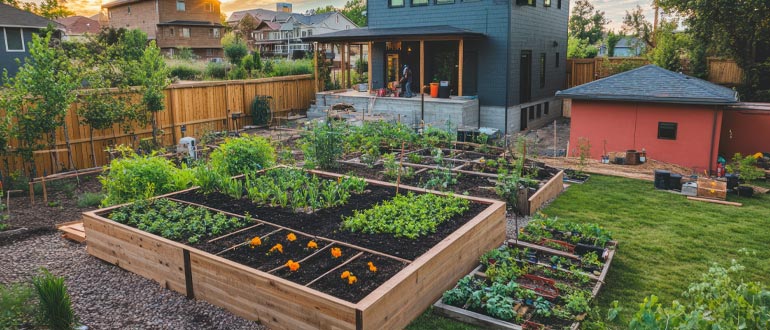
Raised Garden Beds
Raised beds offer many benefits, including:
- Improved drainage
- Better soil control
- Reduced weed pressure
- Easier maintenance
They are especially useful in areas with poor native soil conditions.
Using Landscaping to Improve Environmental Health
Landscaping can have a positive impact far beyond individual properties.
Thoughtful gardening practices contribute to healthier communities and ecosystems.
Reducing Urban Heat
Trees and vegetation provide cooling effects through shade and natural processes.
Benefits include:
- Lower temperatures
- Reduced energy consumption
- Greater comfort outdoors
Improving Air Quality
Plants absorb carbon dioxide and release oxygen.
Many species also help capture airborne pollutants, contributing to cleaner air.
Preventing Soil Erosion
Ground covers, shrubs, and tree roots help stabilize soil.
This reduces erosion caused by:
- Rainfall
- Wind
- Surface runoff
Supporting Biodiversity
Diverse plantings create habitats for:
- Birds
- Pollinators
- Beneficial insects
- Small wildlife
Healthier ecosystems benefit everyone.
The Importance of Regular Landscape Inspections
Routine inspections allow homeowners to identify problems before they become costly.
A few minutes of observation each week can prevent significant issues later.
What to Look For
Inspect plants for:
- Yellowing leaves
- Wilting
- Pest damage
- Disease symptoms
- Broken branches
Early detection increases the likelihood of successful treatment.
Monitor Irrigation Systems
Check irrigation equipment regularly for:
- Leaks
- Broken sprinkler heads
- Uneven watering
- Blocked emitters
Efficient irrigation conserves water and protects plant health.
Evaluate Seasonal Changes
Landscapes naturally evolve over time.
Regular assessments help determine when plants require:
- Relocation
- Division
- Replacement
- Additional maintenance
Proactive care promotes long-term success.
Developing a Landscape That Reflects Your Personality
The best landscapes are not simply attractive; they are personal.
Your outdoor space should reflect your interests, lifestyle, and aesthetic preferences.
Explore Different Garden Styles
Popular styles include:
- Cottage gardens
- Modern landscapes
- Tropical gardens
- Woodland gardens
- Mediterranean-inspired designs
Choosing a consistent style creates visual harmony throughout the property.
Add Personal Touches
Unique elements may include:
- Decorative containers
- Garden art
- Water features
- Custom seating areas
- Special plant collections
These details transform a standard landscape into a truly memorable outdoor space.
Continue Learning
Landscaping is an ongoing journey rather than a one-time project.
The most successful gardeners continuously expand their knowledge through:
- Gardening books
- Workshops
- Online resources
- Practical experience
Every season offers opportunities to learn, improve, and grow.
Final Thoughts
A thriving landscape is the result of careful planning, patience, and consistent care. From understanding soil conditions and plant selection to implementing sustainable practices and long-term maintenance strategies, every decision plays an important role in the success of your outdoor space.
Whether you’re creating a peaceful backyard retreat, enhancing curb appeal, supporting local wildlife, or growing fresh produce, landscaping offers endless opportunities to enrich your environment and improve your quality of life. Every tree planted, flower nurtured, and garden bed maintained contributes to a healthier, more beautiful world.
At Lumora Online, we believe that successful landscaping combines knowledge, creativity, and a genuine passion for nature. By applying these principles and remaining committed to proper plant care, you can enjoy a landscape that flourishes in every season and continues to bring beauty, value, and enjoyment for years to come. Your perfect outdoor oasis is not created overnight, but with dedication and the right guidance, it can become a reality that grows more impressive with each passing year.

Leave A Comment