
24
Jul
Nature has an incredible way of bringing peace, beauty, and balance into our lives. Whether you have a spacious backyard, a small urban garden, a balcony filled with pots, or a few indoor plants, nurturing nature with confidence is about developing a deeper connection with the environment while enjoying the rewarding process of growth. Gardening is more than simply planting seeds and watering flowers. It is an opportunity to create a healthier ecosystem, support biodiversity, improve personal well-being, and contribute positively to the world around us.
Many people hesitate to start gardening because they believe it requires extensive knowledge, expensive tools, or years of experience. The truth is that every successful gardener began as a beginner. Confidence develops through observation, learning, experimentation, and patience. By understanding your environment, selecting suitable plants, building healthy soil, using sustainable gardening practices, and embracing continuous learning, anyone can cultivate a flourishing outdoor space.
This guide explores the principles of successful gardening and provides practical strategies for nurturing nature with confidence while creating a garden that benefits both people and the planet.
Why Gardening Matters
Gardening is far more than a recreational activity. It offers valuable benefits that extend into nearly every aspect of life. While a beautiful landscape certainly adds visual appeal to a property, the true value of gardening lies in its ability to enhance health, support wildlife, strengthen communities, and improve environmental sustainability.
Enhancing the Beauty of Your Home
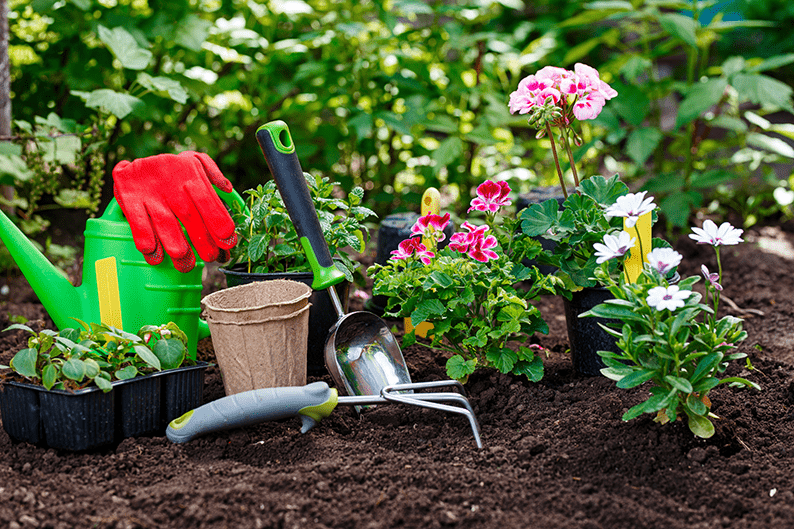
A thoughtfully designed garden transforms an ordinary space into a vibrant and inviting environment. Flowers add color and seasonal interest, shrubs create structure, and trees provide shade and visual balance. Well-maintained gardens increase curb appeal and create outdoor spaces where families can gather, relax, and enjoy nature.
Even small improvements, such as planting colorful borders or adding flowering plants near entrances, can significantly enhance the appearance of a home.

Improving Air Quality
Plants play a critical role in improving air quality. They absorb carbon dioxide and release oxygen through photosynthesis. Many plants also help filter pollutants from the air, creating healthier environments for both humans and wildlife.
Trees are especially valuable because they reduce air pollution, capture dust particles, and help moderate temperature. In urban areas, gardens serve as important green spaces that contribute to cleaner air and healthier communities.
Supporting Pollinators and Wildlife
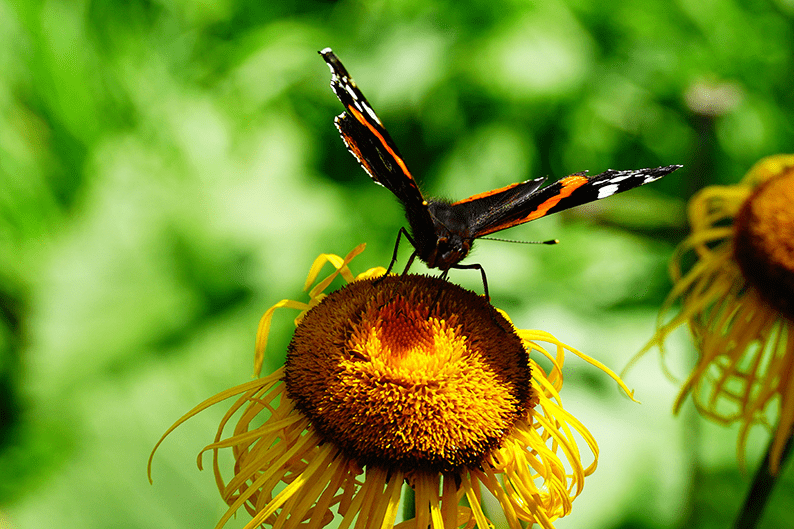
Gardens can become safe havens for birds, butterflies, bees, and countless other beneficial creatures. Pollinators are essential for plant reproduction and food production. By providing nectar-rich flowers and suitable habitats, gardeners help sustain populations of species that face increasing environmental pressures.
Wildlife-friendly gardens contribute to broader ecological conservation efforts while creating vibrant and dynamic outdoor environments.
Providing Fresh Food
Growing fruits, vegetables, and herbs offers numerous advantages. Homegrown produce is often fresher, more nutritious, and more flavorful than store-bought alternatives. Gardening also encourages healthier eating habits and greater appreciation for the food production process.
Even limited spaces can support edible gardening. Containers, raised beds, and vertical gardens allow people to grow herbs, tomatoes, lettuce, peppers, and many other crops in compact areas.
Promoting Mental and Physical Wellness
Numerous studies have demonstrated the positive effects of gardening on mental health. Spending time outdoors reduces stress, lowers anxiety, and improves mood. Gardening activities encourage mindfulness, helping individuals focus on the present moment.
Physically, gardening provides gentle exercise through digging, planting, weeding, watering, and pruning. These activities improve flexibility, strength, and overall fitness while keeping people active and engaged.
Understanding Your Environment
Every successful garden begins with understanding the unique conditions of its location. Instead of forcing plants to adapt to unsuitable environments, confident gardeners work with nature and select plants that thrive naturally in existing conditions.
Evaluating Sunlight
Sunlight is one of the most important factors influencing plant growth.
Different plants have different sunlight requirements:
- Full sun plants require six to eight hours of direct sunlight daily.
- Partial sun plants need four to six hours of sunlight.
- Shade-loving plants thrive with minimal direct exposure.
Observe your garden throughout the day and note which areas receive sunlight and shade. Understanding these patterns allows you to select plants that match each location appropriately.
Assessing Soil Quality
Soil serves as the foundation of plant health. Healthy soil supplies nutrients, stores water, and supports root development.
Key soil characteristics include:
- Texture
- Drainage
- Nutrient content
- pH level
- Organic matter
Conducting a soil test can reveal valuable information about nutrient deficiencies and pH balance. Improving soil quality before planting significantly increases long-term gardening success.
Considering Climate Conditions
Climate influences every aspect of gardening, from plant selection to watering schedules.
Factors to consider include:
- Average temperatures
- Rainfall patterns
- Seasonal changes
- Frost dates
- Wind exposure
Choosing plants suited to local climate conditions reduces maintenance requirements and improves survival rates.
Evaluating Water Availability
Water is essential for life, yet many regions face increasing water conservation challenges.
Gardeners should consider:
- Natural rainfall
- Irrigation systems
- Water restrictions
- Drainage patterns
Efficient water management promotes sustainability while supporting healthy plant growth.
Understanding Existing Plant Life
The plants already growing in an area provide valuable clues about environmental conditions. Native vegetation often indicates soil characteristics, moisture levels, and sunlight patterns.
Observing existing ecosystems can help gardeners make informed decisions regarding plant selection and garden design.
Choosing the Right Plants
Plant selection plays a major role in creating a successful and sustainable garden.
The Importance of Native Plants
Native plants evolved within a specific region and are naturally adapted to local conditions. Because they have developed alongside native wildlife, they often provide superior ecological benefits.
Advantages of native plants include:
- Reduced water requirements
- Lower maintenance needs
- Improved resistance to pests
- Stronger tolerance to climate conditions
- Enhanced support for pollinators
Native gardens often require fewer fertilizers and pesticides while promoting greater biodiversity.
Incorporating Trees and Shrubs
Trees and shrubs provide the structural framework of a garden.
Benefits include:
- Shade creation
- Privacy screening
- Wind protection
- Wildlife habitat
- Seasonal interest
Large trees can significantly reduce energy costs by cooling homes during hot weather.
Growing Perennials
Perennial plants return year after year, making them excellent investments for long-term garden success.
Popular advantages include:
- Lower replacement costs
- Consistent landscape structure
- Reduced planting effort
- Improved soil stabilization
Perennials often become stronger and more productive as they mature.
Using Annual Plants
Annual flowers complete their life cycle within one growing season but provide exceptional color and visual impact.
They are ideal for:
- Seasonal displays
- Flower beds
- Containers
- Garden accents
Combining annuals with perennials creates both short-term and long-term garden appeal.
Selecting Ground Covers
Ground covers help suppress weeds, reduce soil erosion, and retain moisture.
Examples include:
- Creeping thyme
- Moss
- Clover
- Sedums
They fill empty spaces while contributing to the garden’s overall beauty and function.
Building Healthy Soil
Healthy soil is often described as the living heart of a garden. A thriving soil ecosystem supports plants through nutrient cycling, water retention, and biological activity.
Understanding Soil Structure
Good soil contains a balanced combination of:
- Sand
- Silt
- Clay
- Organic matter
This mixture creates an environment where roots can easily access water, nutrients, and oxygen.
Composting for Success
Compost is one of the most valuable resources available to gardeners.
Compost provides:
- Nutrients
- Improved soil structure
- Beneficial microorganisms
- Enhanced moisture retention
Kitchen scraps, leaves, grass clippings, and plant debris can all contribute to a productive compost pile.
Using Organic Mulch
Mulch serves several important functions:
- Conserves moisture
- Regulates soil temperature
- Suppresses weeds
- Prevents erosion
- Improves soil quality
Organic materials such as bark, straw, leaves, and compost gradually break down and enrich the soil.
Encouraging Soil Life
Healthy soil contains countless organisms that contribute to plant health.
Beneficial creatures include:
- Earthworms
- Fungi
- Bacteria
- Insects
These organisms help decompose organic matter and make nutrients available to plants.
Watering Wisely
Water management is critical for sustainable gardening.
Deep Watering Techniques
Frequent shallow watering encourages weak root systems. Deep watering promotes stronger root growth by encouraging plants to seek moisture deeper in the soil.
Benefits include:
- Increased drought tolerance
- Stronger plants
- Reduced water waste
Watering at the Right Time
Morning is generally the best time to water.
Morning watering:
- Minimizes evaporation
- Allows foliage to dry
- Reduces disease risk
- Supports efficient absorption
Avoid watering during the hottest part of the day whenever possible.
Rainwater Harvesting
Collecting rainwater reduces reliance on municipal water supplies and provides plants with naturally soft water.
Rain barrels and collection systems can help gardeners:
- Save money
- Conserve resources
- Prepare for dry periods
Installing Efficient Irrigation
Modern irrigation systems improve water efficiency significantly.
Examples include:
- Drip irrigation
- Soaker hoses
- Smart watering systems
These methods deliver water directly to plant roots while minimizing waste.
Gardening Sustainably
Sustainable gardening seeks to minimize environmental impact while promoting long-term ecosystem health.
Reducing Chemical Use
Excessive pesticide and fertilizer use can harm beneficial organisms and pollute waterways.
Sustainable alternatives include:
- Organic compost
- Natural pest controls
- Companion planting
- Biological solutions
Reducing chemical inputs creates healthier gardens and ecosystems.
Conserving Resources
Resource conservation includes:
- Water efficiency
- Composting waste
- Reusing materials
- Selecting durable tools
Small changes can collectively produce significant environmental benefits.
Supporting Biodiversity
Biodiversity strengthens ecosystem resilience.
Diverse gardens:
- Support pollinators
- Attract wildlife
- Resist pests naturally
- Improve visual appeal
Planting a range of species creates a healthier and more balanced environment.
Encouraging Beneficial Wildlife
Gardens can serve as miniature ecosystems that support diverse forms of life.
Attracting Pollinators
Pollinators require:
- Nectar sources
- Shelter
- Water
- Diverse plant species
Planting flowers with varied bloom times ensures year-round resources.
Welcoming Birds
Birds contribute to pest control and seed dispersal.
Bird-friendly gardens often include:
- Native shrubs
- Water features
- Nesting locations
- Food-producing plants
Supporting Butterflies
Butterflies require both nectar plants and host plants for reproduction.
Providing suitable habitat helps maintain healthy butterfly populations.
Creating Wildlife Habitats
Simple habitat features include:
- Rock piles
- Brush piles
- Birdhouses
- Ponds
These elements transform gardens into thriving ecological communities.
Managing Pests Naturally
Every garden experiences pest challenges. Effective management focuses on balance rather than elimination.
Prevention First
Healthy plants are naturally more resistant to pests.
Preventive practices include:
- Proper watering
- Good soil management
- Adequate spacing
- Regular observation
Encouraging Natural Predators
Beneficial insects help maintain pest populations.
Examples include:
- Ladybugs
- Lacewings
- Praying mantises
These predators reduce the need for chemical controls.
Companion Planting
Certain plant combinations offer natural pest protection.
Examples include:
- Basil with tomatoes
- Marigolds near vegetables
- Nasturtiums around susceptible crops
Companion planting supports healthier garden ecosystems.
Designing a Beautiful Garden
Excellent garden design balances practicality, sustainability, and beauty.
Establishing Focal Points
Focal points guide visual attention.
Examples include:
- Flowering trees
- Water features
- Sculptures
- Decorative planters
These elements create structure and interest.
Creating Layers
Layered planting improves aesthetics and habitat value.
Consider using:
- Tall trees
- Medium shrubs
- Flowering perennials
- Ground covers
Layering mimics natural ecosystems and enhances visual depth.
Planning Seasonal Interest
A garden should remain attractive throughout the year.
Include plants with:
- Spring flowers
- Summer blooms
- Autumn foliage
- Winter structure
Continuous interest keeps gardens visually engaging.
Vegetable Gardening for Beginners
Growing food is one of the most rewarding aspects of gardening.
Choosing Easy Crops
Beginner-friendly vegetables include:
- Lettuce
- Radishes
- Tomatoes
- Beans
- Spinach
These crops offer reliable harvests and valuable learning experiences.
Preparing Garden Beds
Well-prepared beds improve productivity.
Steps include:
- Removing weeds.
- Adding compost.
- Improving drainage.
- Testing soil quality.
Good preparation creates ideal growing conditions.
Harvesting Regularly
Timely harvesting:
- Encourages continued production
- Improves quality
- Prevents waste
Regular observation ensures crops are collected at their peak.
Gardening Through the Seasons
Each season presents unique opportunities and challenges.
Spring
Spring focuses on:
- Planting
- Soil preparation
- Fertilization
- Garden planning
It is a season of renewal and excitement.
Summer
Summer activities include:
- Watering
- Pest monitoring
- Harvesting
- Pruning
Consistent maintenance keeps gardens healthy during warm weather.
Autumn
Autumn provides opportunities to:
- Plant trees
- Add compost
- Divide perennials
- Prepare for winter
This season lays the foundation for future success.
Winter
Winter is ideal for:
- Planning
- Tool maintenance
- Learning
- Seed ordering
Reflection and preparation help gardeners improve each year.
The Emotional Benefits of Gardening
Gardening nurtures more than plants. It nurtures people.
Building Patience
Plants grow according to natural timelines. Gardeners learn patience as they observe gradual development and seasonal change.
Encouraging Mindfulness
Gardening promotes presence and awareness. Focusing on planting, watering, and observation helps reduce mental stress and improve emotional well-being.
Strengthening Resilience
Every gardener experiences setbacks. Weather events, pests, and plant failures are inevitable. Learning to adapt develops resilience and confidence.
Creating a Sense of Accomplishment
Watching a seed develop into a thriving plant provides immense satisfaction. Gardens reflect the time, care, and dedication invested in them.
Community and Environmental Impact
Gardens benefit not only individuals but entire communities.
Supporting Local Ecosystems
Healthy gardens contribute to regional biodiversity by providing habitat and resources for native species.
Reducing Environmental Footprints
Sustainable gardening helps:
- Reduce waste
- Lower water consumption
- Decrease chemical pollution
- Improve soil health
Strengthening Communities
Community gardens bring people together, encourage collaboration, and provide educational opportunities. They foster social connections while improving local environments.
Learning from Every Season
No gardener achieves perfection, and no garden remains unchanged forever. Nature is dynamic, constantly adapting to weather patterns, seasonal shifts, and environmental influences. Some plants will thrive unexpectedly, while others may struggle despite your best efforts. Challenges such as drought, pests, diseases, or extreme weather should be viewed not as failures but as opportunities to gain valuable experience.
Keeping a garden journal can help track successes and lessons learned throughout the year. Recording planting dates, bloom periods, harvest quantities, and environmental conditions provides useful insights that improve future decision-making. Over time, these observations build a deeper understanding of your garden’s unique characteristics.
Confidence grows through experience. Every seed planted, every flower nurtured, and every challenge overcome contributes to your development as a gardener. As your knowledge expands, your ability to work harmoniously with nature becomes stronger and more effective.
Conclusion
Nurturing nature with confidence is a journey of discovery, patience, and connection. By understanding your environment, selecting appropriate plants, improving soil health, conserving water, encouraging biodiversity, and maintaining sustainable practices, you can create a thriving garden that enriches both your life and the natural world.
Gardening offers far more than attractive landscapes. It promotes physical health, enhances mental well-being, supports wildlife, improves environmental sustainability, and creates meaningful opportunities for learning and growth. Whether you are tending a small collection of containers on a balcony, cultivating vegetables in raised beds, or managing an expansive backyard retreat, the principles remain the same: observe carefully, work with nature, and enjoy the process.
Every garden tells a story of resilience, creativity, and renewal. With dedication and a willingness to learn, anyone can cultivate an outdoor space filled with beauty, abundance, and life. The more time you spend nurturing nature, the more nature rewards you in return, creating a lasting relationship that benefits both people and the planet for generations to come.
Beyond the visible beauty of flowers and greenery, gardening teaches valuable life lessons that extend well beyond the garden gate. It reminds us that meaningful growth often requires time, patience, and consistent care. A seed does not become a thriving plant overnight, just as personal achievements are rarely accomplished instantly. Gardeners learn to trust the process, understanding that small daily efforts eventually lead to remarkable results. This mindset can positively influence many areas of life, encouraging persistence, optimism, and resilience when facing challenges.
Gardening also strengthens our connection to the natural rhythms of the seasons. In today’s fast-paced world, many people spend a significant amount of time indoors, disconnected from the cycles of nature. Spending time in the garden helps restore that connection. It allows us to witness the emergence of new growth in spring, the vibrant abundance of summer, the transformation of autumn, and the quiet rest of winter. These seasonal changes offer powerful reminders about renewal, adaptation, and the continuous cycle of life.
One of the most rewarding aspects of gardening is its ability to bring people together. Families often share gardening responsibilities, creating opportunities for learning, teamwork, and quality time. Children who participate in gardening gain a hands-on understanding of nature, food production, and environmental responsibility. They learn where food comes from, how ecosystems function, and why protecting natural resources matters. These experiences can inspire a lifelong appreciation for the environment and encourage future generations to become responsible stewards of the planet.
Community gardens further demonstrate the social value of gardening. These shared spaces unite neighbors, foster friendships, and create stronger communities. People from different backgrounds can come together with a common purpose, sharing knowledge, resources, and experiences. Community gardening projects often contribute to local food security, beautify public spaces, and provide educational opportunities for participants of all ages. In this way, gardening becomes more than an individual activity; it becomes a collective effort that strengthens social bonds and promotes community well-being.
Environmental sustainability is another important benefit of nurturing nature with confidence. Every garden, regardless of size, has the potential to contribute positively to the health of the planet. Planting trees helps absorb carbon dioxide, reduce urban heat, and improve air quality. Growing native plants supports local ecosystems and provides vital resources for birds, butterflies, bees, and other pollinators. Composting organic waste reduces landfill contributions while enriching soil naturally. Conserving water through efficient irrigation practices helps preserve a precious resource for future generations.
As environmental challenges continue to affect ecosystems around the world, home gardens can serve as small but significant areas of conservation. Collectively, millions of gardens create a substantial positive impact. When gardeners choose sustainable practices, avoid excessive chemical use, and prioritize biodiversity, they contribute to healthier landscapes that benefit both wildlife and people. Every pollinator-friendly flower planted and every habitat created represents a meaningful step toward environmental preservation.
Gardening also offers a unique opportunity for creativity and self-expression. No two gardens are exactly alike because every gardener brings personal preferences, ideas, and inspirations into the design process. Some may prefer vibrant cottage gardens overflowing with colorful flowers, while others may enjoy structured landscapes with elegant pathways and carefully shaped shrubs. Vegetable gardens, herb gardens, wildlife gardens, and container gardens each provide different opportunities for creativity. Through plant selection, garden layout, decorative features, and artistic touches, gardeners can create outdoor spaces that reflect their personalities and values.
Importantly, confidence in gardening does not come from knowing everything. Even experienced gardeners continue to learn throughout their lives. Nature is constantly changing, presenting new challenges and opportunities each season. Unexpected weather events, emerging pests, and changing environmental conditions require observation and adaptability. Successful gardeners understand that mistakes are not failures but valuable learning experiences. Every plant that struggles teaches a lesson. Every success provides insight that can be applied in future seasons.
Keeping a curious and open mindset allows gardeners to grow alongside their gardens. Reading books, attending workshops, joining gardening groups, and sharing experiences with other enthusiasts can provide inspiration and knowledge. Over time, these experiences build confidence and transform uncertainty into expertise. The journey itself becomes one of the most rewarding aspects of gardening.
Another significant benefit of gardening is the sense of achievement it provides. Watching a seed germinate, a flower bloom, or a vegetable reach harvest readiness creates a deep feeling of satisfaction. Unlike many activities that deliver instant gratification, gardening rewards patience and dedication. The results are tangible and meaningful, serving as reminders that consistent effort can produce extraordinary outcomes. This sense of accomplishment contributes to improved self-esteem and emotional well-being.
For many individuals, gardens also become places of reflection and peace. In a world filled with constant digital distractions and demanding schedules, a garden offers a sanctuary where people can slow down and reconnect with themselves. The sounds of birds singing, the fragrance of flowers, the feel of soil in one’s hands, and the beauty of thriving plants create a calming environment that supports mindfulness and relaxation. Spending time in nature has been shown to reduce stress, promote mental clarity, and enhance overall happiness.
Looking toward the future, the importance of gardening is likely to continue growing. As communities seek sustainable solutions for food production, environmental conservation, and urban greening, gardens will play an increasingly important role. Individuals who develop gardening skills today are contributing to a healthier and more resilient future. Whether growing food, supporting pollinators, improving landscapes, or simply enjoying the therapeutic benefits of nature, gardeners become active participants in creating positive change.
Ultimately, nurturing nature with confidence is about building a meaningful relationship with the living world around us. It is a commitment to learning, caring, and growing alongside the plants and ecosystems we support. Every garden, no matter its size or style, represents an opportunity to make a difference. Through thoughtful choices and consistent care, gardeners can cultivate spaces that nourish people, protect wildlife, and enhance environmental sustainability.
As you continue your gardening journey, remember that success is not measured by perfection but by progress, curiosity, and dedication. Celebrate each new sprout, every colorful bloom, and each lesson learned along the way. Embrace challenges as opportunities for growth, and allow nature to inspire patience, wonder, and gratitude. With confidence, care, and a genuine appreciation for the natural world, you can create a garden that flourishes season after season, enriching your life and contributing positively to the world around you.
In the end, nurturing nature is also about nurturing ourselves. Through gardening, we discover the value of patience, the joy of creation, and the importance of living in harmony with the environment. The seeds we plant today grow not only into flowers, trees, and harvests but also into experiences, memories, and a lasting legacy of stewardship. By cultivating nature with confidence, we help ensure a greener, healthier, and more beautiful future for generations to come.

Leave A Comment