
24
Jul
Master the Art of Landscaping: Transform Your Outdoor Space into a Living Masterpiece. Landscaping is not only about creating beautiful outdoor spaces. It also influences how people think, feel, and interact with their surroundings. A thoughtfully designed landscape can promote relaxation, encourage social interaction, improve concentration, and enhance overall well-being.
Creating Emotional Connections
Certain landscape elements naturally evoke emotional responses. Flowering gardens often create feelings of joy and optimism, while shaded woodland areas offer peace and reflection. Water features can produce a calming effect through the soothing sound of moving water.
When designing a landscape, consider the emotions you want the space to inspire. A family-oriented backyard may prioritize comfort, openness, and play, while a private garden retreat may emphasize serenity and solitude.
- Creating Emotional Connections
- Color Psychology in Landscaping
- Sensory Landscaping
- Why Drainage Matters
- Common Drainage Solutions
- Managing Stormwater
- Foundation Planting
- Enhancing Entryways
- Privacy Landscaping
- Environmental Benefits
- Energy Efficiency
- Property Enhancement
- Clover Lawns
- Native Ground Covers
- Wildflower Meadows
- Evaluating Existing Features
- Modernizing Older Landscapes
- Phased Renovations
- Smart Irrigation Systems
- Landscape Design Software
- Robotic Lawn Equipment
- Planting for the Future
- Passing Knowledge to Future Generations
- Creating Meaningful Spaces
Color Psychology in Landscaping
Color plays a major role in how landscapes are perceived.
Warm Colors
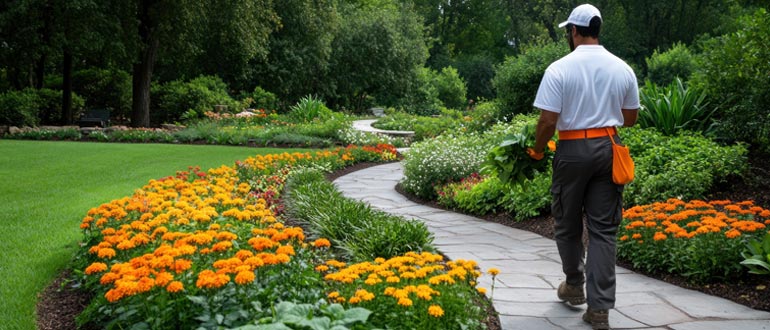
Warm colors such as red, orange, and yellow create excitement and energy. These colors attract attention and often serve as focal points.
Examples include:
- Roses
- Marigolds
- Zinnias
- Daylilies
Cool Colors
Blue, purple, and silver tones create a sense of calm and spaciousness.
Examples include:
- Lavender
- Salvia
- Russian sage
- Blue fescue grass
Combining warm and cool colors strategically can create visual balance and mood variation throughout the landscape.
Sensory Landscaping
A truly exceptional landscape engages multiple senses.
Consider incorporating:
Fragrance
Plants known for their pleasant scents include:
- Jasmine
- Gardenias
- Lavender
- Roses
Sound
Natural sounds can be introduced through:
- Fountains
- Waterfalls
- Wind chimes
- Ornamental grasses
Texture
Texture creates visual interest and tactile appeal.
Combine:
- Fine-leaved plants
- Broad-leaf shrubs
- Rough bark trees
- Smooth stone surfaces
Sensory landscaping creates richer, more memorable outdoor experiences.
Landscape Drainage and Water Management
One of the most overlooked aspects of landscaping is proper water management. Even the most beautiful landscape can suffer if drainage issues are ignored.
Why Drainage Matters
Poor drainage can cause:
- Plant root rot
- Soil erosion
- Lawn damage
- Structural foundation problems
- Mosquito breeding areas
Addressing drainage early prevents expensive future repairs.
Common Drainage Solutions
French Drains
French drains redirect excess water away from problem areas through underground pipes surrounded by gravel.
Benefits include:
- Improved soil drainage
- Protection of structures
- Reduced water accumulation
Dry Creek Beds
Dry creek beds mimic natural waterways while controlling runoff.
Advantages include:
- Functional drainage
- Attractive appearance
- Erosion prevention
Swales
Swales are shallow channels designed to slow and redirect water movement.
Properly designed swales support healthier landscapes and reduce flooding.
Managing Stormwater
With increasing weather extremes in many regions, stormwater management has become an essential landscaping consideration.
Strategies include:
- Permeable pavers
- Rain gardens
- Water collection systems
- Vegetated buffers
These solutions improve environmental sustainability while protecting property.
Landscaping Around Your Home
The landscape surrounding your home should complement the architecture and improve functionality.
Foundation Planting
Foundation plantings soften the transition between buildings and the surrounding environment.
Popular choices include:
- Boxwoods
- Hydrangeas
- Dwarf evergreens
- Ornamental grasses
Keep plants properly spaced to prevent future crowding.
Enhancing Entryways
The front entrance often serves as the visual centerpiece of a property.
Enhancement ideas include:
- Decorative pathways
- Seasonal flowers
- Accent lighting
- Statement containers
A welcoming entrance improves curb appeal and creates a positive first impression.
Privacy Landscaping
Natural privacy screens can be more attractive than traditional fencing.
Options include:
- Evergreen hedges
- Bamboo barriers
- Tall ornamental grasses
- Mixed shrub borders
Privacy landscaping creates comfortable outdoor living spaces without sacrificing beauty.
The Benefits of Trees in Landscaping
Trees are among the most valuable investments in any landscape.
Environmental Benefits
Trees provide numerous ecological advantages.
These include:
- Carbon storage
- Oxygen production
- Pollution reduction
- Wildlife habitat
A single mature tree contributes significantly to environmental health.
Energy Efficiency
Strategically placed trees reduce cooling costs during summer.
Benefits include:
- Reduced energy consumption
- Lower utility bills
- Increased comfort
Deciduous trees provide shade in summer while allowing sunlight during winter.
Property Enhancement
Mature trees contribute:
- Visual beauty
- Increased property value
- Greater market appeal
Many homebuyers consider mature trees a highly desirable feature.
Sustainable Lawn Alternatives
Traditional lawns require substantial maintenance, water, and resources. Many homeowners are exploring alternatives that provide beauty while reducing environmental impact.
Clover Lawns
Clover lawns offer several advantages:
- Reduced watering needs
- Natural nitrogen fixation
- Pollinator support
- Minimal fertilization requirements
They remain green even during dry periods.
Native Ground Covers
Native ground covers can replace portions of traditional turfgrass.
Benefits include:
- Improved biodiversity
- Reduced maintenance
- Better drought tolerance
Wildflower Meadows
Wildflower meadows provide exceptional ecological value.
Advantages include:
- Pollinator habitat
- Seasonal beauty
- Reduced mowing
- Natural aesthetics
These landscapes are especially useful on larger properties.
Landscape Renovation and Upgrading Existing Spaces
Not every landscape project begins with a blank slate. Many homeowners inherit outdated or poorly designed yards that require renovation.
Evaluating Existing Features
Begin by identifying which elements should be retained, modified, or removed.
Examine:
- Plant health
- Hardscape condition
- Drainage performance
- Space functionality
Preserving valuable features can reduce renovation costs.
Modernizing Older Landscapes
Common upgrades include:
- Replacing overgrown shrubs
- Improving pathways
- Updating irrigation systems
- Introducing native plants
Small improvements often create dramatic transformations.
Phased Renovations
Large landscape projects can be completed in stages.
Benefits include:
- Better budget management
- Reduced disruption
- Flexibility for future changes
A phased approach allows homeowners to spread costs over multiple years.
The Role of Technology in Modern Landscaping
Technology is revolutionizing landscape design, installation, and maintenance.
Smart Irrigation Systems
Advanced irrigation technology uses:
- Weather monitoring
- Soil moisture sensors
- Automated controls
Benefits include:
- Water conservation
- Improved plant health
- Reduced maintenance
Landscape Design Software
Modern designers use digital tools to visualize projects before installation.
Advantages include:
- Better planning
- Accurate measurements
- Enhanced communication
Homeowners can see realistic representations of future landscapes.
Robotic Lawn Equipment
Automated lawn maintenance solutions continue to gain popularity.
These systems provide:
- Consistent mowing
- Reduced labor
- Increased efficiency
Technology makes landscape maintenance more convenient than ever.
Building a Legacy Through Landscaping
Landscaping is about more than creating immediate beauty. It can leave a lasting legacy for future generations.
Planting for the Future
Many landscape elements grow more valuable with time.
Examples include:
- Shade trees
- Heritage gardens
- Flowering specimens
- Fruit orchards
Years later, these features often become the defining characteristics of a property.
Passing Knowledge to Future Generations
Gardening and landscaping skills can be shared with children and grandchildren.
Lessons include:
- Environmental responsibility
- Patience
- Creativity
- Problem-solving
These experiences create memories that last a lifetime.
Creating Meaningful Spaces
Landscapes often become the setting for important life events:
- Family gatherings
- Celebrations
- Outdoor meals
- Quiet moments of reflection
A thoughtfully designed landscape provides value far beyond aesthetics.
Landscaping as a Lifelong Journey
Perhaps the most important thing to understand about landscaping is that it is never truly finished. Unlike buildings or other construction projects that generally reach a final state once completed, landscapes are living systems that continue growing, changing, and evolving over time. Every tree, shrub, flower, and blade of grass develops according to its own natural timeline, creating a dynamic environment that is constantly transforming.
Plants mature, seasons change, and personal needs develop. What begins as a simple garden bed may eventually become a lush outdoor sanctuary filled with mature trees, vibrant flowers, winding pathways, and inviting spaces designed for relaxation and connection. A young sapling planted today may one day provide shade for future generations. A small flower border may gradually expand into a colorful and thriving feature that becomes the focal point of an entire property.
This ongoing evolution is what makes landscaping so rewarding. Each season presents new opportunities to learn, improve, and experiment. New plants can be introduced, outdoor features enhanced, and designs refined. The landscape becomes a reflection of both nature’s growth and the homeowner’s vision.
Success in landscaping comes not from achieving perfection but from embracing the process. Every challenge provides a learning opportunity, every improvement adds character, and every season contributes to the story of your outdoor space.
With thoughtful planning, sustainable practices, creativity, and patience, any property can be transformed into a landscape that delivers beauty, functionality, environmental benefits, and personal satisfaction for decades to come. A great landscape is not simply something you build. It is something you nurture, enjoy, and grow alongside throughout life’s journey.
The Beauty of Continuous Change
One of the most fascinating aspects of landscaping is its ability to change over time while remaining familiar and meaningful. No two years are exactly alike. Weather patterns differ, plants mature, and new opportunities emerge. This constant transformation ensures that landscaping remains engaging and rewarding.
A garden that appears vibrant in spring may showcase entirely different colors and textures during summer. Autumn introduces rich foliage tones and dramatic seasonal changes, while winter highlights the structural beauty of trees, shrubs, and hardscape elements. Every season contributes a unique chapter to the landscape’s story.
This continual change encourages homeowners to observe their surroundings more closely. Details that may go unnoticed in everyday life become important. The first flower bloom of spring, the arrival of migratory birds, the changing colors of autumn leaves, and the growth of newly planted trees become moments of appreciation and connection with nature.
Building a Personal Relationship with the Landscape
Over time, landscapes often become deeply personal. Homeowners develop emotional connections to specific plants, trees, and garden spaces. A flowering tree may commemorate a special occasion. A vegetable garden may represent years of dedication and successful harvests. A favorite sitting area may hold memories of family gatherings, celebrations, or quiet evenings spent outdoors.
Unlike many home improvement projects, landscaping evolves through personal involvement. Every plant selected, every bed prepared, and every improvement completed contributes to a deeper connection with the property.
As the landscape grows, so does the sense of ownership and pride. Many homeowners find satisfaction not only in the final result but also in the countless hours spent planning, planting, maintaining, and caring for their outdoor spaces.
What makes landscaping particularly meaningful is that it reflects the personality, interests, and values of the people who shape it. No two landscapes are exactly alike because every property owner brings unique ideas, preferences, and experiences to the design process. Some individuals are drawn to colorful flower gardens bursting with seasonal blooms, while others prefer minimalist landscapes featuring clean lines, ornamental grasses, and carefully selected shrubs. Some focus on creating wildlife-friendly habitats, while others prioritize outdoor entertainment spaces for friends and family.
As these choices accumulate over the years, the landscape becomes an extension of the homeowner’s identity. Visitors often gain insight into a person’s character simply by exploring their outdoor environment. A well-maintained garden may reveal patience and dedication, while a diverse collection of plants may showcase curiosity and a love of nature. In this way, landscaping becomes a form of personal expression that continues to evolve alongside the individual.
Many homeowners discover that their relationship with the landscape deepens as they become more familiar with the natural rhythms of their property. They begin to notice where sunlight falls throughout the day, which areas receive the most rainfall, and which plants emerge first in spring. These observations create a stronger awareness of the environment and encourage a more thoughtful approach to landscape management.
Over time, routine maintenance activities become opportunities for reflection and connection. Watering plants, pruning shrubs, pulling weeds, and harvesting vegetables are no longer viewed simply as chores. Instead, they become moments to slow down, observe growth, and appreciate nature’s ongoing transformations. In a world often characterized by busy schedules and constant distractions, these simple interactions can provide a welcome sense of balance and mindfulness.
A landscape also becomes a living record of personal achievements and milestones. A tree planted to celebrate the birth of a child may grow alongside that child over the years. Flower beds established during a home’s first year may mature into striking focal points that remind homeowners of their early efforts and aspirations. Decorative features, garden structures, and pathways often carry stories that reflect different phases of life and property ownership.
These connections make landscapes particularly valuable because their significance extends beyond aesthetics. While visitors may admire the beauty of a mature garden, the homeowner often sees much more. Every plant may represent a memory, every pathway may recall a project completed through hard work, and every garden bed may hold years of experience and learning.
The act of caring for a landscape also teaches important life lessons. Gardening and landscaping require patience because meaningful results rarely appear overnight. Trees take years to mature, perennial gardens develop gradually, and successful landscapes are often the product of long-term planning. Through this process, homeowners learn the value of persistence and delayed gratification.
Landscaping also encourages adaptability. Not every project unfolds exactly as expected. Weather conditions may change, plants may fail, and unforeseen challenges may arise. Learning to adjust plans and work with changing circumstances develops resilience and problem-solving skills. These qualities often extend beyond the landscape itself and positively influence other areas of life.
For many people, outdoor spaces become personal sanctuaries where they can escape daily pressures and reconnect with nature. A quiet garden bench beneath a shade tree, a small pond surrounded by flowers, or a peaceful patio overlooking the landscape can provide opportunities for relaxation and reflection. These areas often become favorite destinations within the home environment, offering comfort during stressful periods and enjoyment during peaceful moments.
The sensory experience of a landscape further strengthens personal connections. The fragrance of blooming roses, the sound of birdsong in the morning, the texture of leaves and flowers, and the changing colors of the seasons create lasting impressions that enrich everyday life. These experiences engage the senses in ways that indoor environments often cannot replicate, helping people feel more connected to both nature and their surroundings.
Families frequently develop shared memories through landscaping activities. Parents and children may spend time planting flowers together, building garden projects, or harvesting fruits and vegetables from a backyard garden. These experiences not only improve the landscape but also strengthen family bonds. Children who participate in gardening often develop a lasting appreciation for nature, sustainability, and outdoor living.
As years pass, landscapes often become repositories of family history. Trees planted decades earlier may provide shade for multiple generations. Flower gardens may contain plants passed down from relatives or friends. Outdoor gathering spaces may host birthdays, celebrations, and countless memorable conversations. The landscape becomes intertwined with the family’s story, adding emotional value that cannot be measured in financial terms.
Landscaping also fosters a sense of stewardship. As homeowners invest time and energy into their outdoor environments, they often develop a stronger commitment to preserving and improving them. This sense of responsibility frequently extends to broader environmental concerns, encouraging sustainable practices such as water conservation, composting, native plant selection, and wildlife protection.
Ultimately, building a personal relationship with the landscape is about much more than creating an attractive property. It is about forming a lasting connection with a living environment that grows, changes, and evolves alongside the people who care for it. The longer homeowners invest in their landscapes, the stronger this relationship becomes.
The true value of landscaping lies not only in the finished result but also in the journey itself. Every season brings new discoveries, challenges, and rewards. Every improvement contributes to a richer and more meaningful outdoor experience. Through years of care, observation, and dedication, a landscape becomes far more than a collection of plants and structures. It becomes a reflection of personal growth, cherished memories, and an enduring relationship with the natural world.
In the end, the most successful landscapes are not necessarily the largest, most expensive, or most elaborate. They are the ones that hold meaning for the people who maintain them. They are places where memories are made, milestones are celebrated, lessons are learned, and connections with nature are strengthened. As homeowners continue nurturing their landscapes year after year, they discover that the outdoor spaces they create ultimately become an important part of their lives, providing beauty, inspiration, comfort, and fulfillment for generations to come.
Learning Through Experience
Landscaping is one of the greatest teachers of patience and adaptability. Every project provides opportunities to learn valuable lessons.
Some plants will thrive beyond expectations, while others may struggle despite careful planning. Weather conditions may present unexpected challenges. New pests or diseases may appear. Soil conditions may vary from one area of the property to another.
Rather than viewing these situations as setbacks, successful landscapers recognize them as opportunities to gain knowledge and improve future decisions.
Experience teaches:
- Which plants perform best in specific conditions
- How water moves across a property
- Which design features are most functional
- How seasonal changes affect the landscape
- How maintenance practices impact long-term results
Over time, this knowledge becomes one of the most valuable assets a homeowner can possess.
Adapting to Changing Needs
Landscapes should evolve alongside the people who use them. As families grow and lifestyles change, outdoor spaces may require adjustments.
For example:
- Young families may prioritize play areas and open lawns.
- Entertainers may focus on patios and outdoor kitchens.
- Garden enthusiasts may expand planting beds and vegetable gardens.
- Retirees may prefer lower-maintenance designs and accessible pathways.
A well-designed landscape offers flexibility and can be adapted to meet changing needs over the years.
This adaptability ensures that outdoor spaces remain functional and enjoyable regardless of life stage.
Passing Landscapes Through Generations
Landscaping often creates a lasting legacy. Trees planted today may live for decades or even centuries. Gardens established by one generation are frequently enjoyed, maintained, and expanded by the next.
Many family properties feature landscapes that tell stories spanning multiple generations. Mature trees may have been planted by grandparents. Flower beds may contain plant varieties passed down through family traditions. Outdoor gathering spaces may have hosted countless celebrations over the years.
These living elements become part of a property’s history and identity.
In this way, landscaping extends beyond beauty and functionality. It becomes a lasting contribution that future generations can appreciate and enjoy.
The Environmental Legacy of Landscaping
Every landscape also contributes to the broader environment. Sustainable landscaping choices create benefits that extend beyond property boundaries.
Trees provide shade, improve air quality, and absorb carbon dioxide. Native plants support pollinators and wildlife. Healthy soils improve water infiltration and reduce runoff. Water-efficient irrigation systems conserve valuable resources.
Over many years, these contributions can have a substantial cumulative impact.
A thoughtfully managed landscape becomes more than an attractive outdoor space. It becomes a small but meaningful part of a healthier local ecosystem.
Finding Joy in the Journey
Many people begin landscaping with a specific goal in mind, such as improving curb appeal or creating a more enjoyable backyard. However, they often discover that the greatest reward is not the finished landscape itself but the journey of creating and nurturing it.
The process provides opportunities to:
- Spend time outdoors
- Connect with nature
- Learn new skills
- Express creativity
- Reduce stress
- Achieve personal goals
Each project completed brings a sense of accomplishment, while each new season offers fresh possibilities.
Unlike many pursuits that conclude once objectives are met, landscaping continues providing enjoyment year after year. There is always something new to plant, improve, observe, or appreciate.
Looking Toward the Future
As environmental awareness grows and outdoor living becomes increasingly important, landscaping will continue to play a significant role in enhancing both private properties and public spaces. Future landscapes are likely to place greater emphasis on sustainability, biodiversity, water conservation, and outdoor wellness.
Homeowners who invest in landscaping today are helping to create greener, healthier environments for tomorrow. Whether through planting native habitats, preserving mature trees, creating pollinator gardens, or designing multifunctional outdoor spaces, every effort contributes to a more sustainable future.
The landscapes we create today become the foundations for tomorrow’s ecosystems, communities, and experiences.
A Journey Without an Endpoint
Ultimately, landscaping is not a project with a clear finish line. It is an ongoing relationship between people and nature. Every season adds new growth, new insights, and new opportunities for improvement.
The best landscapes are those that continue evolving while remaining true to their purpose and character. They provide beauty, comfort, ecological value, and personal fulfillment through every stage of their development.
By embracing change, learning from experience, and caring for the environment, homeowners can create outdoor spaces that become richer and more meaningful with time. Landscaping is, at its heart, a lifelong journey of growth, creativity, stewardship, and connection. The effort invested today not only shapes the landscape itself but also enriches the lives of everyone who experiences it for years to come.

Leave A Comment