
25
Aug
Introduction
Pest & Disease Control: The Complete Guide to Protecting Healthy and Productive Plants. However, every gardener eventually faces challenges that threaten this growth. Pests and plant diseases are among the most common obstacles gardeners encounter, capable of turning a thriving garden into a struggling one in a surprisingly short period of time. Whether you are caring for indoor houseplants, raised-bed vegetables, fruit trees, or decorative flower borders, understanding pest and disease control is essential for long-term gardening success.
Many beginners assume that insect damage and plant diseases are simply unavoidable parts of gardening. While no garden is completely immune to occasional challenges, most serious infestations and outbreaks can be prevented or minimized through proper management practices. Successful gardeners do not wait until a problem becomes severe. Instead, they focus on prevention, observation, and early intervention to maintain healthy plant ecosystems.
Pests come in many forms. Some feed on leaves, others attack roots, and some target flowers and fruits. Common garden invaders such as aphids, caterpillars, spider mites, whiteflies, and slugs can weaken plants by consuming their tissues or transmitting harmful pathogens. Diseases present another layer of complexity. Fungal infections, bacterial diseases, and viral pathogens can significantly reduce plant health, often spreading rapidly when environmental conditions are favorable.
Modern gardening emphasizes integrated pest and disease management rather than relying exclusively on chemical treatments. Sustainable gardening practices encourage healthy soil, biodiversity, beneficial insects, proper watering techniques, and resistant plant varieties. These approaches help create balanced ecosystems where pests are kept under control naturally and plants become more resilient against disease.
Climate change and shifting weather patterns have also increased the importance of pest and disease awareness. Warmer temperatures, irregular rainfall, and extreme weather conditions can create ideal environments for certain pests and pathogens. As a result, gardeners must remain adaptable and informed to protect their plants effectively.
The good news is that most pest and disease problems can be identified early and managed successfully. By learning how to recognize warning signs, understand common threats, and implement proven prevention strategies, gardeners can maintain healthy gardens while minimizing the need for harmful chemical interventions.
Pest and disease control is not about eliminating every insect from the garden. Instead, it is about creating a balanced environment where plants can thrive and natural systems help regulate potential threats. With the right knowledge and practices, gardeners can protect their crops, preserve biodiversity, and enjoy healthier harvests throughout the year.
- Introduction
- Understanding Plant Pests and Diseases
- What Are Plant Diseases?
- Common Plant Diseases
- Causes of Pest and Disease Problems
- Nutrient Imbalances
- Preventative Pest Control Strategies
- Maintain Garden Sanitation
- Natural Pest Control Methods
- Insecticidal Soap
- Companion Planting
- Managing Plant Diseases Naturally
- Integrated Pest Management (IPM)
- Seasonal Pest and Disease Management
- Common Mistakes to Avoid
- Overcrowding Plants
- Case Study: How Prevention Saved a Vegetable Garden
- Advanced Pest and Disease Control Techniques
- Conclusion
Understanding Plant Pests and Diseases
Before discussing control methods, it is important to understand the difference between pests and diseases.
What Are Plant Pests?
Plant pests are organisms that feed on or damage plants.
Examples include:
- Aphids
- Caterpillars
- Whiteflies
- Spider mites
- Slugs
- Snails
- Beetles
- Thrips
These organisms may consume leaves, stems, flowers, roots, or fruits.
In severe cases, pest infestations can reduce yields, weaken plants, and even cause plant death.
What Are Plant Diseases?
Plant diseases result from pathogens that interfere with normal plant functions.
Common causes include:
- Fungi
- Bacteria
- Viruses
- Nematodes
- Environmental stress
Diseased plants often display symptoms such as discoloration, wilting, spots, or abnormal growth.
Understanding these distinctions helps gardeners choose the most effective treatment methods.
Why Healthy Plants Resist Problems Better
One of the core principles of pest and disease control is maintaining strong plant health.
Healthy plants naturally resist:
- Insect attacks
- Fungal infections
- Nutrient deficiencies
- Environmental stress
Strong plants have:
- Well-developed root systems
- Adequate nutrition
- Proper hydration
- Good airflow
- Sufficient sunlight
When plants become stressed, they become more vulnerable to opportunistic pests and diseases.
This is why prevention often begins with proper gardening practices rather than pesticides.
Common Garden Pests
Many insects play beneficial roles in the garden, but some become problematic when populations grow excessively.
Aphids
Aphids are among the most common garden pests.
These tiny insects:
- Feed on plant sap
- Reproduce rapidly
- Weaken plant growth
Symptoms include:
- Curled leaves
- Sticky residue (honeydew)
- Distorted growth
Aphids frequently attack:
- Roses
- Vegetables
- Fruit trees
- Herbs
Spider Mites
Spider mites are tiny pests that can be difficult to detect.
Signs include:
- Speckled leaves
- Fine webbing
- Yellow discoloration
Hot, dry conditions often encourage spider mite populations.
Indoor plants are particularly susceptible.
Whiteflies
Whiteflies resemble small white moths.
They feed by:
- Piercing leaves
- Extracting sap
Infestations may cause:
- Yellow leaves
- Reduced vigor
- Stunted growth
Whiteflies commonly affect:
- Tomatoes
- Peppers
- Houseplants
Caterpillars
Many caterpillars consume significant amounts of foliage.
Damage includes:
- Large holes in leaves
- Missing shoots
- Reduced yields
While butterflies are beneficial pollinators, excessive caterpillar populations require management.
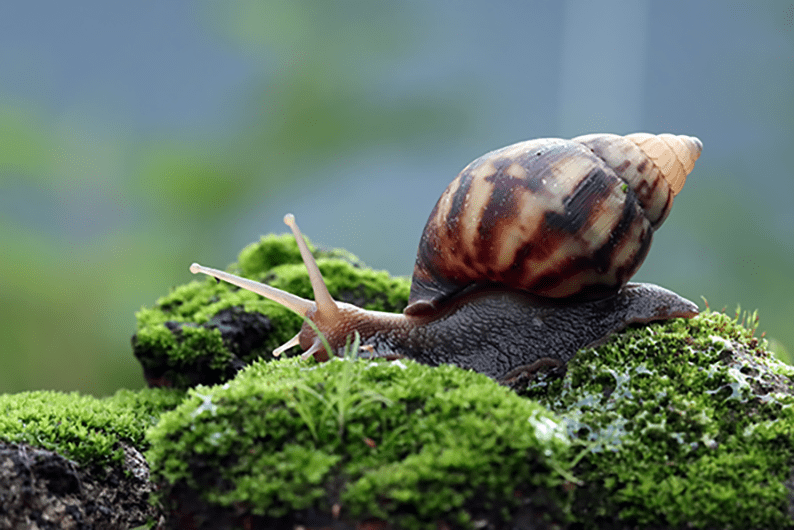
Slugs and Snails
Slugs and snails thrive in moist environments.
They often feed at night and leave behind:
- Irregular holes
- Shiny slime trails
- Damaged seedlings
Young plants are particularly vulnerable.
Thrips
Thrips are tiny insects that damage leaves and flowers.
Symptoms include:
- Silver streaks
- Distorted blooms
- Reduced plant vigor
Thrips can also transmit plant viruses.
Beneficial Insects: Nature’s Pest Control Team
Not all insects should be removed from the garden.
Beneficial insects naturally help control pest populations.
Ladybugs
Ladybugs consume:
- Aphids
- Scale insects
- Mites
A single ladybug can eat hundreds of aphids during its lifetime.
Lacewings
Lacewing larvae are effective predators of:
- Aphids
- Whiteflies
- Mealybugs
They play an important role in natural pest management.
Hoverflies
Hoverflies aid gardeners by:
- Pollinating flowers
- Consuming aphids
Their presence contributes to overall garden health.
Predatory Wasps
Certain wasp species target:
- Caterpillars
- Beetles
- Other destructive insects
Encouraging beneficial insects reduces reliance on chemical pesticides.
Common Plant Diseases
Disease management is just as important as pest control.
Several plant diseases appear frequently in home gardens.
Powdery Mildew
Powdery mildew appears as a white, powder-like coating on leaves.
Affected plants include:
- Squash
- Cucumbers
- Roses
- Zinnias
The disease restricts photosynthesis and weakens plants.
Downy Mildew
Unlike powdery mildew, downy mildew often appears as yellow patches accompanied by fuzzy growth beneath leaves.
Humid conditions encourage development.
Root Rot
Root rot commonly results from:
- Overwatering
- Poor drainage
- Compacted soil
Symptoms include:
- Wilting
- Yellowing leaves
- Soft roots
Prevention is easier than treatment.
Leaf Spot Disease
Various fungi and bacteria cause leaf spots.
Symptoms include:
- Brown lesions
- Discolored patches
- Premature leaf drop
Crowded plants often experience severe outbreaks.
Blight
Blight affects crops such as:
- Tomatoes
- Potatoes
Symptoms include:
- Rapid leaf death
- Stem lesions
- Fruit damage
Blight can spread quickly under favorable conditions.
Rust Disease
Rust produces orange or brown pustules on plant tissues.
Affected plants may experience:
- Reduced growth
- Premature leaf loss
- Weak flowering
Proper airflow helps reduce risk.
Causes of Pest and Disease Problems
Many garden issues develop because environmental conditions become favorable for pests or pathogens.
Common factors include:
Poor Air Circulation
Crowded plants trap moisture and support fungal growth.
Overwatering
Excess moisture:
- Encourages disease
- Weakens roots
- Attracts pests
Nutrient Imbalances
Both deficiencies and excesses can stress plants.
Weak Soil Health
Poor soil limits plant resilience.
Healthy soil supports beneficial organisms that help suppress diseases naturally.
Improper Plant Spacing
Overcrowding increases competition and disease transmission.
Following recommended spacing guidelines reduces risks.
Preventative Pest Control Strategies
The best pest management begins before pests arrive.
Choose Healthy Plants
Always purchase disease-free plants from reputable sources.
Inspect plants carefully before bringing them home.
Rotate Crops
Growing the same crop repeatedly in one location encourages pest buildup.
Crop rotation disrupts pest life cycles and reduces disease pressure.
Maintain Garden Sanitation
Remove:
- Dead leaves
- Diseased plants
- Old crop residues
Garden cleanliness reduces hiding places for pests and pathogens.
Encourage Biodiversity
Diverse plantings attract beneficial insects and reduce pest dominance.
Monocultures often experience more severe infestations.
Natural Pest Control Methods
Many gardeners prefer environmentally friendly control methods.
Hand Removal
Removing insects by hand is effective for:
- Caterpillars
- Beetles
- Slugs
Especially in smaller gardens.
Neem Oil
Neem oil disrupts pest feeding and reproduction.
It is commonly used against:
- Aphids
- Whiteflies
- Spider mites
Insecticidal Soap
Insecticidal soaps control soft-bodied insects while causing minimal environmental damage.
Companion Planting
Certain plants naturally deter pests.
Examples include:
Marigolds
Help repel various harmful insects.
Basil
Can assist in protecting tomatoes.
Nasturtiums
Act as trap crops for certain pests.
Companion planting forms an important part of sustainable gardening.
Managing Plant Diseases Naturally
Disease prevention often focuses on creating unfavorable conditions for pathogens.
Water at Soil Level
Avoid wetting foliage whenever possible.
Wet leaves encourage fungal development.
Improve Air Circulation
Proper spacing allows plants to dry more quickly after rain or irrigation.
Remove Infected Material
Diseased leaves and stems should be removed promptly.
Never compost severely infected plant material.
Use Disease-Resistant Varieties
Many modern plant varieties are bred for disease resistance.
These plants often require fewer interventions.
Integrated Pest Management (IPM)
Integrated Pest Management is a comprehensive strategy that combines multiple control methods.
IPM emphasizes:
- Monitoring
- Prevention
- Biological controls
- Cultural practices
- Targeted treatments
The goal is not total eradication but maintaining acceptable pest levels.
Benefits include:
- Reduced pesticide use
- Environmental protection
- Long-term sustainability
- Healthier gardens
Modern gardening increasingly relies on IPM principles.
Seasonal Pest and Disease Management
Different seasons present different challenges.
Spring
Spring pests include:
- Aphids
- Slugs
- Young caterpillars
Monitor new growth carefully.
Summer
Summer often brings:
- Spider mites
- Whiteflies
- Mildew
Regular inspection becomes essential.
Autumn
Autumn sanitation is critical.
Remove:
- Fallen leaves
- Dead stems
- Infected debris
This reduces overwintering pests and diseases.
Winter
Winter is ideal for:
- Garden cleanup
- Tool sanitation
- Planning crop rotations
Prevention begins before the next growing season starts.
Common Mistakes to Avoid
Even experienced gardeners occasionally make errors.
Applying Pesticides Too Quickly
Many pests can be managed without chemicals.
Immediate spraying may harm beneficial insects.
Misdiagnosing Problems
Not all plant damage is caused by pests.
Nutrient deficiencies, drought stress, and environmental factors may appear similar.
Ignoring Early Warning Signs
Small problems are easier to manage than severe infestations.
Regular inspections help identify issues early.
Overcrowding Plants
Poor airflow increases disease outbreaks significantly.
Overwatering
This remains one of the leading causes of plant diseases, particularly root rot.
Case Study: How Prevention Saved a Vegetable Garden
Sarah had recently built several raised beds for growing tomatoes, cucumbers, lettuce, and herbs. During her first season, she noticed aphids gathering on young plants and powdery mildew beginning to develop on cucumber leaves.
Instead of immediately using harsh chemical sprays, she adopted an integrated pest management approach. She introduced companion plants such as marigolds, encouraged ladybugs by planting pollinator-friendly flowers, and improved spacing between crops to increase airflow.
She also began watering at the soil level rather than overhead, reducing moisture on leaves. Infected foliage was removed promptly, and regular inspections allowed early intervention whenever small problems appeared.
By the end of the season, Sarah harvested a healthy crop of vegetables with minimal losses. More importantly, her garden supported pollinators and beneficial insects while remaining productive and environmentally friendly. Her experience demonstrates that prevention, observation, and sustainable practices often provide better long-term results than relying solely on pesticides.
Advanced Pest and Disease Control Techniques
Experienced gardeners often adopt advanced strategies for greater resilience.
Biological Controls
Biological control involves introducing beneficial organisms that naturally suppress pests.
Examples include:
- Ladybugs
- Predatory mites
- Parasitic wasps
Soil Health Management
Healthy soils foster microbial communities that suppress disease-causing organisms.
Practices include:
- Composting
- Mulching
- Cover cropping
Physical Barriers
Physical protection methods include:
- Row covers
- Insect netting
- Sticky traps
- Plant collars
These barriers prevent pests from reaching vulnerable crops.
Monitoring Programs
Keeping a gardening journal helps track:
- Pest activity
- Disease outbreaks
- Weather conditions
Long-term records improve future prevention strategies.
Conclusion
Successful pest & disease control requires more than treating problems when they appear. The most effective approach focuses on creating conditions that keep plants healthy and naturally resistant to pests and diseases throughout the growing season. A proactive strategy helps gardeners reduce plant stress, minimize outbreaks, and maintain consistent growth.
One of the most important principles of pest & disease control is regular garden monitoring. Inspecting plants at least once or twice per week allows gardeners to identify early warning signs before problems become severe. Yellowing leaves, holes in foliage, discoloration, stunted growth, and unusual spots can indicate developing pest or disease issues. Early detection makes pest & disease control much easier and often eliminates the need for aggressive treatments.
Maintaining healthy soil is another foundation of effective pest & disease control. Soil rich in organic matter supports beneficial microorganisms that help suppress harmful pathogens. Compost, well-rotted manure, and organic mulches improve soil structure while providing nutrients essential for vigorous plant growth. Strong plants are naturally better equipped to withstand attacks from insects and diseases.
Proper watering techniques play a major role in pest & disease control. Overwatering creates ideal conditions for root rot, fungal infections, and mildew development. Underwatering, on the other hand, weakens plants and increases susceptibility to pest infestations. Watering deeply and less frequently encourages strong root systems while reducing excess moisture around leaves and stems. Drip irrigation systems are particularly effective for pest & disease control because they deliver water directly to the root zone.
Garden sanitation is often overlooked but remains one of the most powerful pest & disease control practices. Dead leaves, fallen fruit, diseased stems, and garden debris can harbor insects, fungi, bacteria, and other pathogens. Removing infected plant material promptly helps break pest and disease life cycles and prevents future outbreaks. Clean gardening tools also reduce the risk of spreading plant diseases between different areas of the garden.
Crop rotation is especially valuable in vegetable gardens. Growing the same crop in the same location year after year allows pests and diseases to establish persistent populations. Rotating plant families each season disrupts these cycles and improves overall pest & disease control. For example, tomatoes, peppers, potatoes, and eggplants belong to the same family and should not be planted in the same area repeatedly.
Another important aspect of pest & disease control is encouraging beneficial insects. Ladybugs, lacewings, parasitic wasps, and predatory beetles feed on many common garden pests, including aphids, whiteflies, and caterpillars. Planting nectar-rich flowers such as marigolds, calendula, dill, and alyssum attracts these natural predators and contributes to a healthier garden ecosystem.
Companion planting can further strengthen pest & disease control efforts. Certain plant combinations help repel insects or confuse pests searching for host plants. Basil grown near tomatoes may deter some insect pests, while marigolds are commonly used to discourage nematodes and other garden threats. Although companion planting is not a complete solution, it can support an integrated pest & disease control strategy.
Weather conditions also influence pest & disease control outcomes. Extended periods of humidity often increase fungal disease pressure, while hot and dry conditions may encourage spider mites and other pests. Understanding seasonal risks allows gardeners to take preventive measures before problems develop. Monitoring weather patterns and adjusting watering, pruning, and treatment schedules can significantly improve pest & disease control success.
Selecting disease-resistant plant varieties is another effective preventive measure. Many modern vegetable, flower, and fruit cultivars are specifically bred for resistance to common diseases. Choosing resistant varieties reduces the likelihood of major outbreaks and makes overall pest & disease control more manageable for home gardeners.
Integrated Pest Management (IPM) remains one of the best frameworks for sustainable pest & disease control. IPM combines cultural practices, biological controls, monitoring techniques, and targeted treatments to manage problems while minimizing environmental impact. Rather than relying solely on chemical products, IPM emphasizes prevention and informed decision-making. This balanced approach makes pest & disease control both effective and environmentally responsible.
Ultimately, successful pest & disease control is a continuous process rather than a one-time task. Gardens constantly change as seasons, weather conditions, and plant growth stages evolve. Consistent observation, proper maintenance, healthy soil management, and biodiversity all contribute to long-term success. Gardeners who invest time in preventive pest & disease control practices enjoy stronger plants, higher yields, fewer outbreaks, and a more sustainable gardening experience.

Leave A Comment